EU says airlines can’t add fees to booked flights. What about elsewhere?

8 min read
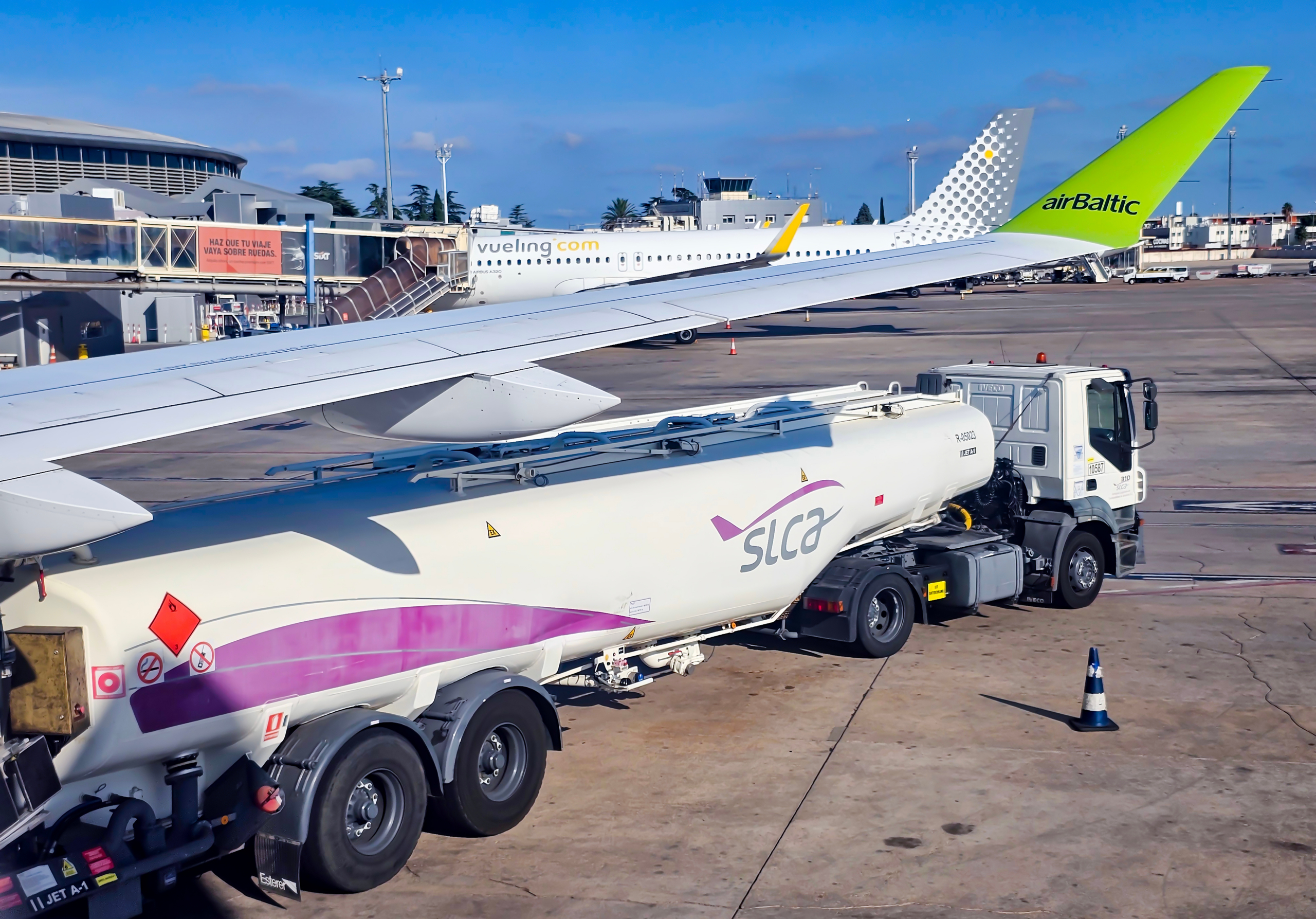
The European Commission has warned airlines that they cannot add fuel surcharges or other retroactive fees to tickets that passengers have already bought, even as jet fuel prices rise sharply.
The clarification came in new guidance for the aviation sector affected by the Middle East crisis, with Brussels stating plainly that “charging additional fees retroactively, such as fuel surcharges, is not allowed.”
EU rules prevent retroactive airline fuel surcharges
The EU requires that once the passenger has bought the ticket, the airline must honour the price.
Airlines may raise fares for future bookings, add fuel or environmental surcharges to new tickets, or change ancillary fees that would apply to future bookings. They cannot go back to passengers who already paid and ask for more money because their operating costs have risen.
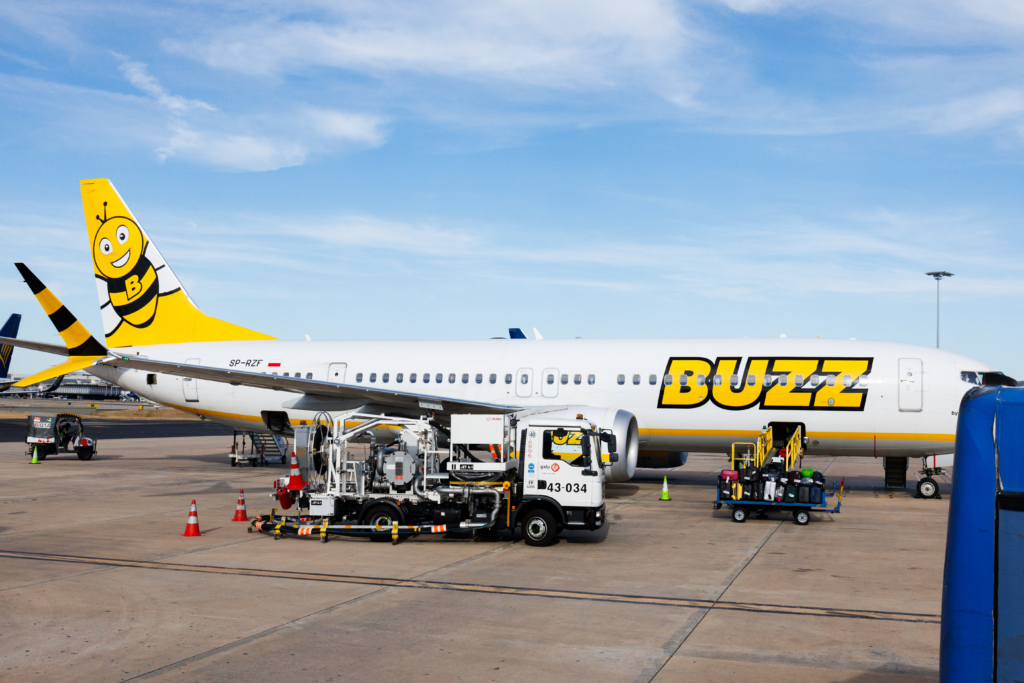
The issue has become more urgent as airlines face higher fuel costs. The EU draft guidance also said high fuel prices alone do not constitute “extraordinary circumstances” that allow airlines to avoid passenger compensation for cancellations. However, there is some flexibility in cases of actual local fuel shortages.
There is one important EU exception: package holidays. Under the Package Travel Directive, a tour organiser may increase the package price after booking if the contract expressly allows it and specific costs, such as fuel, taxes or exchange rates, rise.
But the tour organiser cannot increase charges within 20 days of departure, and if the increase exceeds 8% of the package price, the traveller can cancel without a termination fee.
Why airlines are suddenly talking about fuel surcharges again
The controversy follows moves by some carriers to experiment with fuel-linked pricing.
As Reuters reported, Spanish low-cost airline Volotea introduced a policy tying some bookings to oil prices, with a possible surcharge or refund shortly before departure.
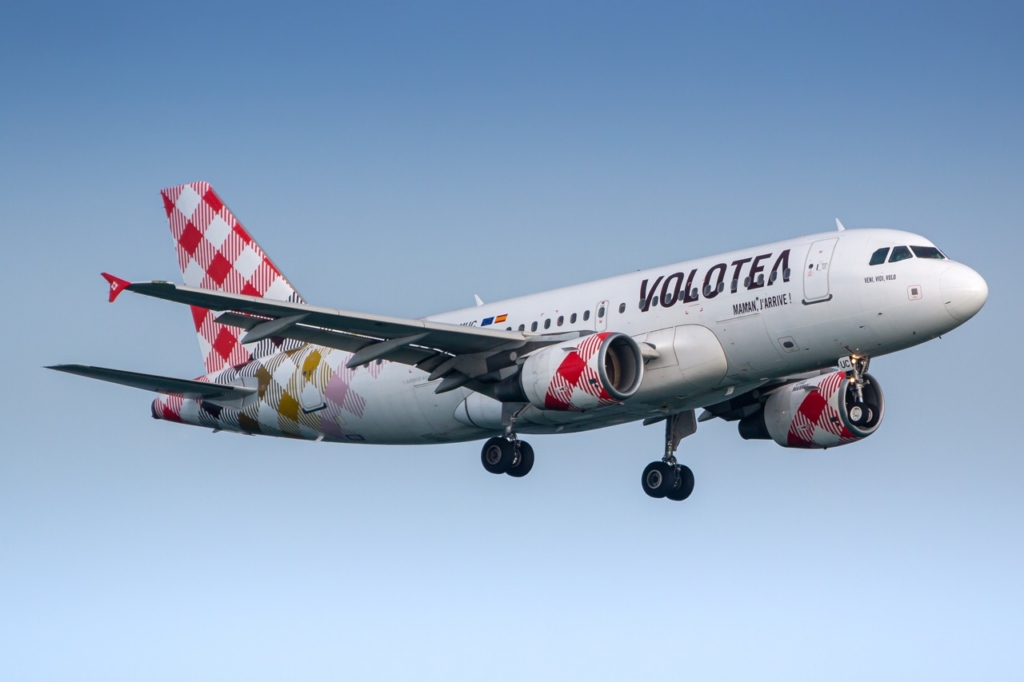
Consumer group Facua challenged the policy, and BEUC argued that passengers with valid tickets have the right to board without later surcharges. Volotea said the policy only applied to bookings made after it was introduced and was disclosed before purchase.
US rules also ban surprise airline price increases
The United States has strict rules on airline pricing transparency.
The US Department of Transportation requires airlines and travel sellers to advertise the full fare passengers must pay, including mandatory taxes and carrier-imposed surcharges.
Once the ticket is purchased, airlines cannot increase the price except in very limited circumstances specifically disclosed at the time of booking.
DOT regulations prohibit post-purchase price increases for air transportation, baggage fees and optional services that were already selected and paid for at the time of purchase.
Airlines may still charge more later if passengers voluntarily modify their itinerary, upgrade cabins, add baggage, or buy ancillary services after booking.
UK rules require airlines to disclose full ticket prices upfront
The UK has similar consumer-price transparency principles for flight sales. Civil Aviation Authority guidance says the headline price shown to consumers must include unavoidable taxes, charges, surcharges and fees, including airline-added charges.
Optional services do not have to be included in the headline fare, but they must only apply if the passenger elects them.
For UK passengers, the practical rule is similar to those in the EU and the US: airlines can change prices for future sales, and passengers may pay more if they choose to add services or change their itinerary, but airlines cannot add surprise charges after the booking is completed.
Canada also requires airlines to advertise full fares
Canada’s Air Passenger Protection Regulations require all-inclusive air price advertising for travel within or originating in Canada to show the total price that must be paid, including taxes, fees and charges.
That rule covers advertising and booking transparency, but it reflects the same consumer-protection principle: airlines must disclose mandatory charges up front.
Airlines can still collect optional charges after booking when the passenger chooses an extra service, and fare rules may require payment of a fare difference or change fee if the passenger changes the booking.
Australia cracks down on misleading airline pricing
Australia’s rules are framed through consumer law and enforcement by the Australian Competition and Consumer Commission. The ACCC calls for all-inclusive airfare advertising, where advertised fares should include taxes, levies and charges applicable to airline tickets.
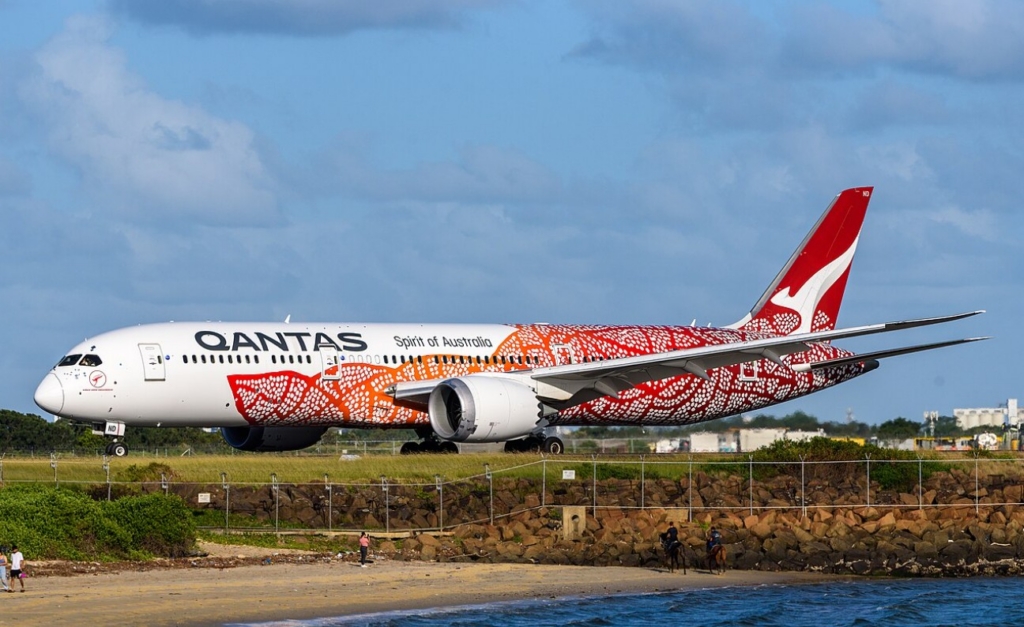
Last year, Webjet had to pay AU$9 million after advertising fares that excluded compulsory fees and sent some consumers booking confirmations for flights that had not been confirmed, later seeking additional payments to complete bookings.
Latin American airlines must still disclose full ticket costs
In Latin America, some countries have strong aviation consumer protections imposed by regulators, while others rely more on general consumer law.
Brazilian rules, established by the aviation regulator ANAC, require airlines to disclose total ticket prices and fare conditions clearly before purchase.
Airlines cannot impose new mandatory surcharges on tickets already issued because operating costs have risen. As elsewhere, passengers may still face charges for voluntary itinerary changes or ancillary purchases.
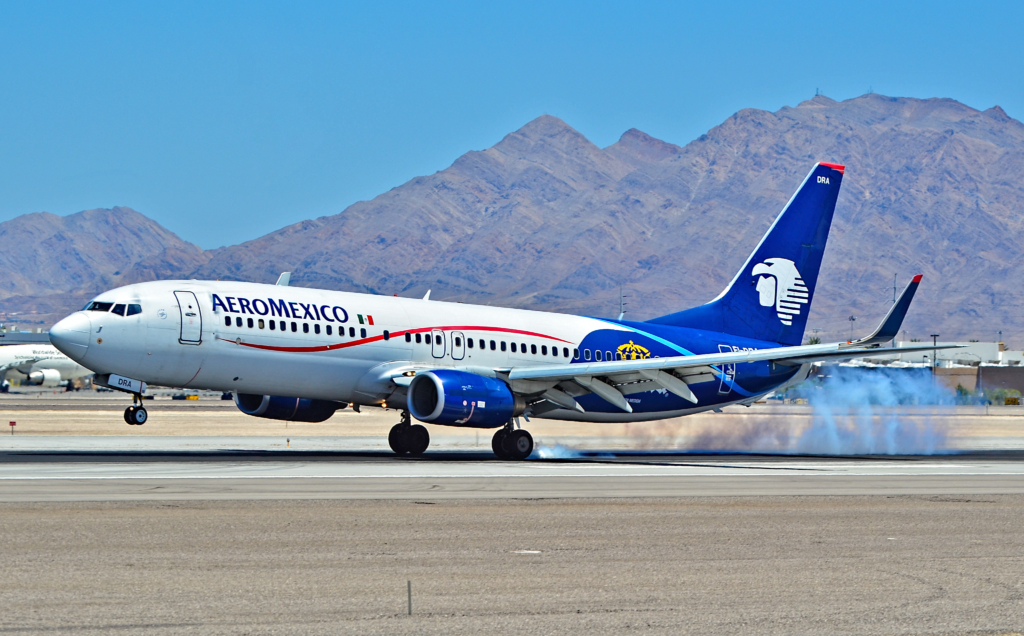
Mexico’s Federal Consumer Protection Law and aviation rules also require airlines to disclose full fares and conditions. Mexican airlines can charge for optional extras, but post-booking fare increases would breach consumer protection laws.
Elsewhere in Latin America, some markets have less aggressive oversight of ancillary fees and airline commercial practices.
In countries that might see rapid inflation or exchange-rate volatility, airlines sometimes structure fares in US dollars or reserve the right in their conditions of carriage to adjust for taxes or government-imposed charges. But even there, retroactively increasing airfares after ticketing would be legally problematic.
Asian airlines can charge fuel surcharges, but not retroactively
Asian aviation regulation ranges from consumer-protective jurisdictions to more airline-friendly systems.
In Japan, fuel surcharges are common. Fuel-price formulas approved by regulators are periodically adjusted for future ticket sales.
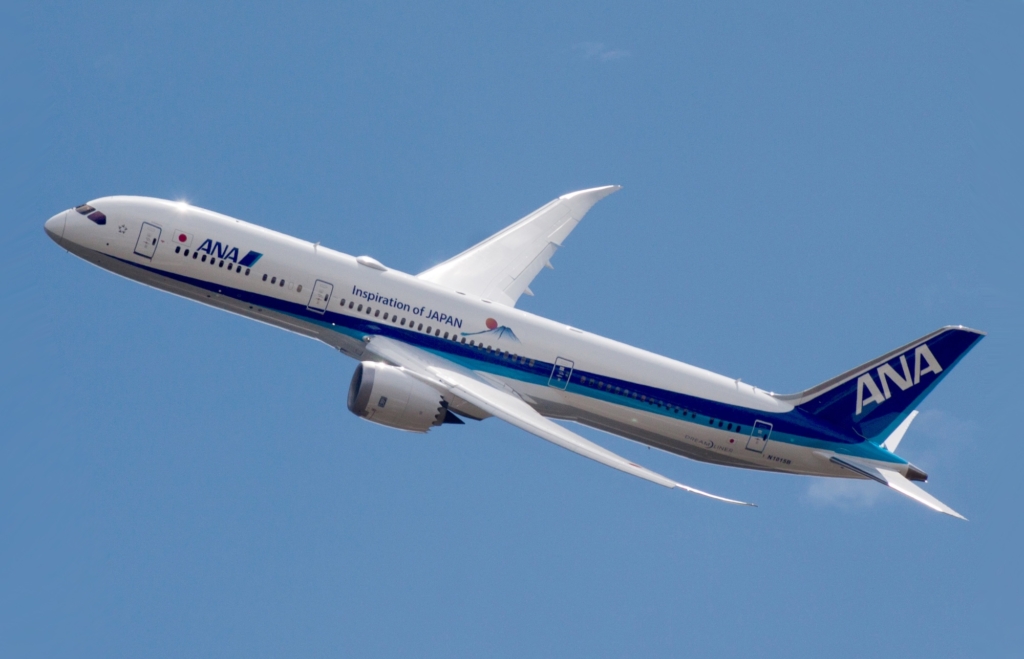
All Nippon Airways and Japan Airlines revise fuel surcharge tables, but only for new bookings, not for previously issued tickets.
Singapore Airlines reintroduced fuel surcharges after the pandemic, but they are disclosed at the time of booking and adjusted periodically for future travel sales.
China’s Civil Aviation Administration has allowed airlines to levy fuel surcharges subject to government approval. Chinese regulators periodically authorise or suspend domestic fuel surcharges depending on oil prices. These surcharges apply to newly issued tickets rather than to retroactive charges on already-ticketed passengers.
Indian airlines apply fuel surcharges and charge ancillary fees. However, they must disclose these fees before booking. The Directorate General of Civil Aviation has also stepped in to prevent excessive price increases during emergencies or peak travel periods.
Middle East airlines disclose fuel surcharges before booking
Middle Eastern airlines apply fuel surcharges as a standard part of ticket pricing. These charges are disclosed during booking, and the rates are adjusted periodically. The published rate applies to future ticket sales.
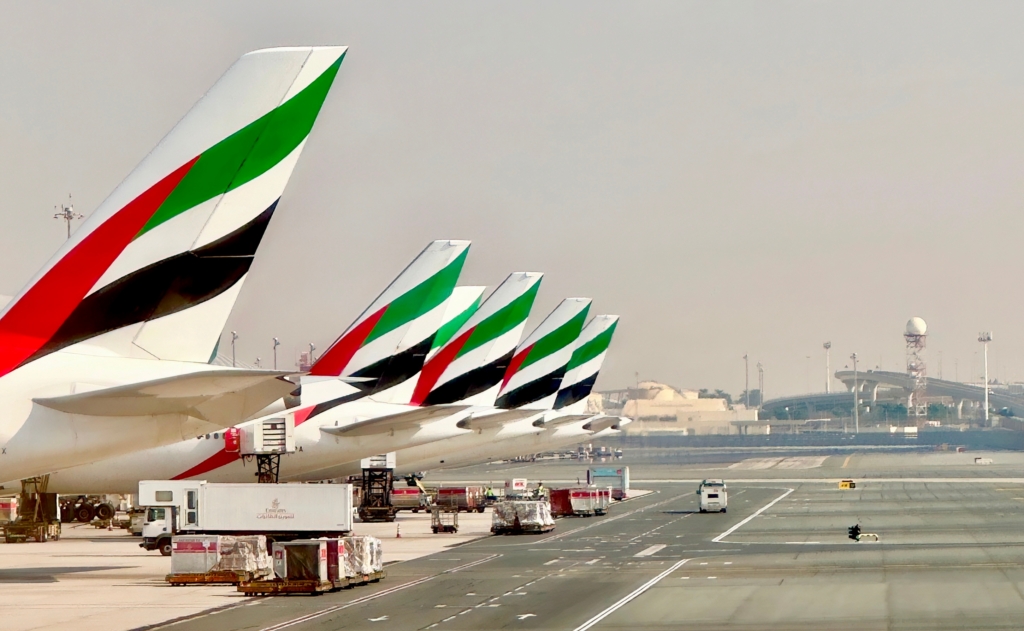
Airlines cannot retroactively increase the price of an already issued ticket.
African airlines can raise future fares, but not existing tickets
Fuel costs are an especially sensitive issue in Africa because airlines often face higher jet fuel prices, supply shortages and weaker fuel hedging capabilities than major global carriers.
Airlines in the region maintain separate “carrier-imposed surcharge” categories, including fuel surcharges, that they can adjust quickly for future bookings.
In some African markets with a depreciated currency, airlines may require passengers to pay for tickets in an alternate currency or apply exchange-rate adjustments, but only as permitted under local law or expressly stated in ticket conditions.
Outright retroactive fuel surcharges on fully issued tickets would still be problematic in Africa, as they are globally.
Europe takes a tougher approach to airline passenger rights
The major difference is not necessarily whether airlines can suddenly add costs after booking — because that remains difficult in most jurisdictions — but how strongly regulators intervene on behalf of passengers.
The EU combines strict airfare transparency rules with powerful passenger-rights legislation and active enforcement by both national regulators and consumer groups.
Other jurisdictions may rely more on contract law, disclosure requirements or commercial negotiation between airlines and passengers.
That means airlines may have somewhat more flexibility in structuring fares and surcharges. However, they still cannot surprise passengers with new mandatory charges after a ticket has already been issued.
When can airlines add costs after booking?
Airlines cannot increase the base fare after a ticket is issued simply because fuel, labour or airport costs have risen. But passengers may still face post-booking costs in certain situations.
The most common is the optional ancillary purchases. Passengers may pay after booking for checked bags, seat assignments, upgrades, priority boarding, extra legroom, lounge access, meals or in-flight WiFi.

Costs can also rise when passengers change their itinerary. Airlines may charge a change fee, a fare difference, or both.
Administrative changes can also trigger fees. Name corrections, refund processing, call-centre handling fees, and document reissue charges may apply, but they must be disclosed in the airline’s conditions.
Government-imposed taxes or airport charges may apply directly to the passenger after booking, collected at departure or arrival. It may not be included in the airline fare, depending on local law.
The global trend discourages post-booking fare adjustments
Fees that are optional and disclosed upfront are generally permitted by regulators. Passengers’ actions or choices determine when these charges apply.
Bottom line, across the world’s aviation markets, once a ticket is sold, airlines cannot return later and demand more money from passengers only because their own costs have increased.
Featured Image: Tanya Keisha / stock.adobe.com