Russia builds vast jet-drone launch base in six weeks as attacks on Ukraine surge

4 min read
Satellite images show Russia has almost completed building a new large base for launching jet-powered drones against Ukraine. Reuters reports the base was completed in just six weeks.
Russia builds new jet-drone base within weeks
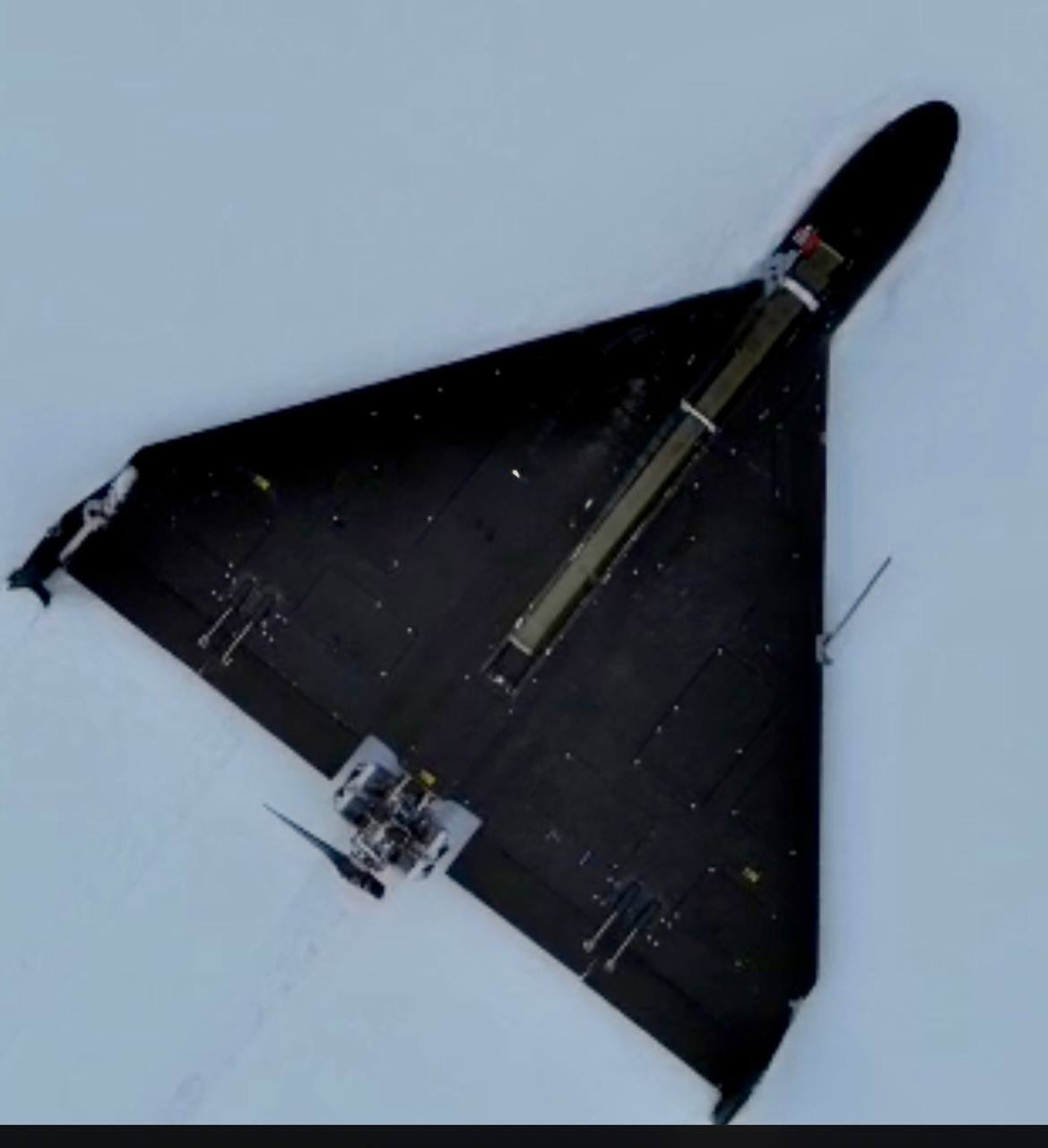
The new Russian base in its Rostov region appears built for launching Geran-4 and Geran-5 drones and has eight platforms with launch rails for the drones at the western edge. This adds to Russia’s 11 or more other fixed drone launch sites.
Analysts believe the base will be fully operational in a few weeks or even sooner. Satellite imagery from the 31 August showed no sign of construction.
The base covers around 0.9 sq km and is around 3.5 km from Russia’s Millerovo air base.
Russia’s use of jet-powered drones has increased sixfold over the last three months, although from a comparatively low base.
RFE/RL takes apart a Russian Geran-4 drone to uncover what makes the jet-powered unmanned aerial vehicle (UAV) faster, harder to intercept, and capable of operating deep inside Ukraine — from its turbojet engine and advanced camera to foreign-made communications and navigation components. @cxemu @radiosvoboda
— Radio Free Europe/Radio Liberty (@RFERL) September 25, 2026
Mike Monnik, founder and CEO of private intelligence company DroneSec, said that the facility may be able to fire 100 or more jet-powered drones in 24 hours. Russia typically fires drones in smaller numbers throughout the day.
Rusi’s Rob Jordan noted that it demonstrates Russia’s faith in its deep strike capability “possibly to the detriment of its conventional land forces.”
The transition to faster jet-powered drones
Russia is transitioning to much faster jet-powered Geran-4 and Geran-5 one-way attack drones as its slower propeller-driven Geran-2 drones are now effectively countered by Ukrainian air defences.
While these drones are more effective at evading Ukrainian air defences, there are also downsides for Russia. They are more expensive and are typically available in lower numbers.
Russian jet-powered drone attacks rose from 449 in June to 1,644 in July and 2,845 in August. Over the same period, piston-engine drone attacks fell from 1,696 to 1,012.

According to French OSINT analyst Clément Molin, Ukraine launched around 12,000 drones into Russia in June and July, far more than Russia launched into Ukraine. This number should not be directly compared with the number above, as they may stem from different calculations with different parameters.
On 1 August, Molin posted, “Interesting trend: Ukraine continues to launch more long range drones into Russia, while the number of Geran launched into Ukraine dropped.”
Since then, Russian Geran strikes have increased, but it is unclear how the trend has evolved vis-a-vis Ukraine.
Russia’s jet-powered drones travel at speeds of up to 600 km/h. Russia is expected to increase its drone and missile attacks on Ukraine and its energy infrastructure this winter.
Should a direct conflict break out between Russia and NATO, it is unclear how well prepared NATO is to counter these threats.
Ukraine’s Bars-interceptor and the issue of glide bombs
Ukraine is rushing to develop countermeasures. Its new Bars-interceptor drone is being developed to counter jet-powered drones. The tale of the war has been one of innovation and counter-adaptation, with neither side able to hold a decisive advantage in drones for long.
One of the areas where Russia does maintain a massive advantage over Ukraine is with glide bombs launched primarily from its fleet of Su-34 fighter-bombers. Discussions of drones often overshadow the very real role the Russian Air Force continues to have.
Yesterday, Ukraine appeared to have scored one of its best single strikes on Russian aviation since the war began. Ukraine claims to have used Neptune missiles to destroy four Su-34s on the ground, with two others damaged.
Two Su-34 wrecks are clearly visible (red arrows), while the remains of two other, destroyed in the middle, have already been partially cleared by a crane (yellow). Apparently two sets of mangled wings (green) form the destroyed Su-34s have been moved next to protective barriers. https://t.co/nxCIs2Xp4u
— The Military Watch (@MarcinRogowsk14) October 15, 2026
Imagery appears to show the remains of wrecks of two of them, with two more possibly obliterated. Apart from stains, the two claimed damaged aircraft were nowhere to be seen, although Russia appeared to have already been in the process of cleaning the site up when the satellite image was captured.
This builds on a 4October Ukrainian strike on Russia’s Khanskaya air base that appears to have destroyed a Su-34 and Su-35 on the ground.