


How fighter pilots are preparing to fly with autonomous wingmen

4 min read
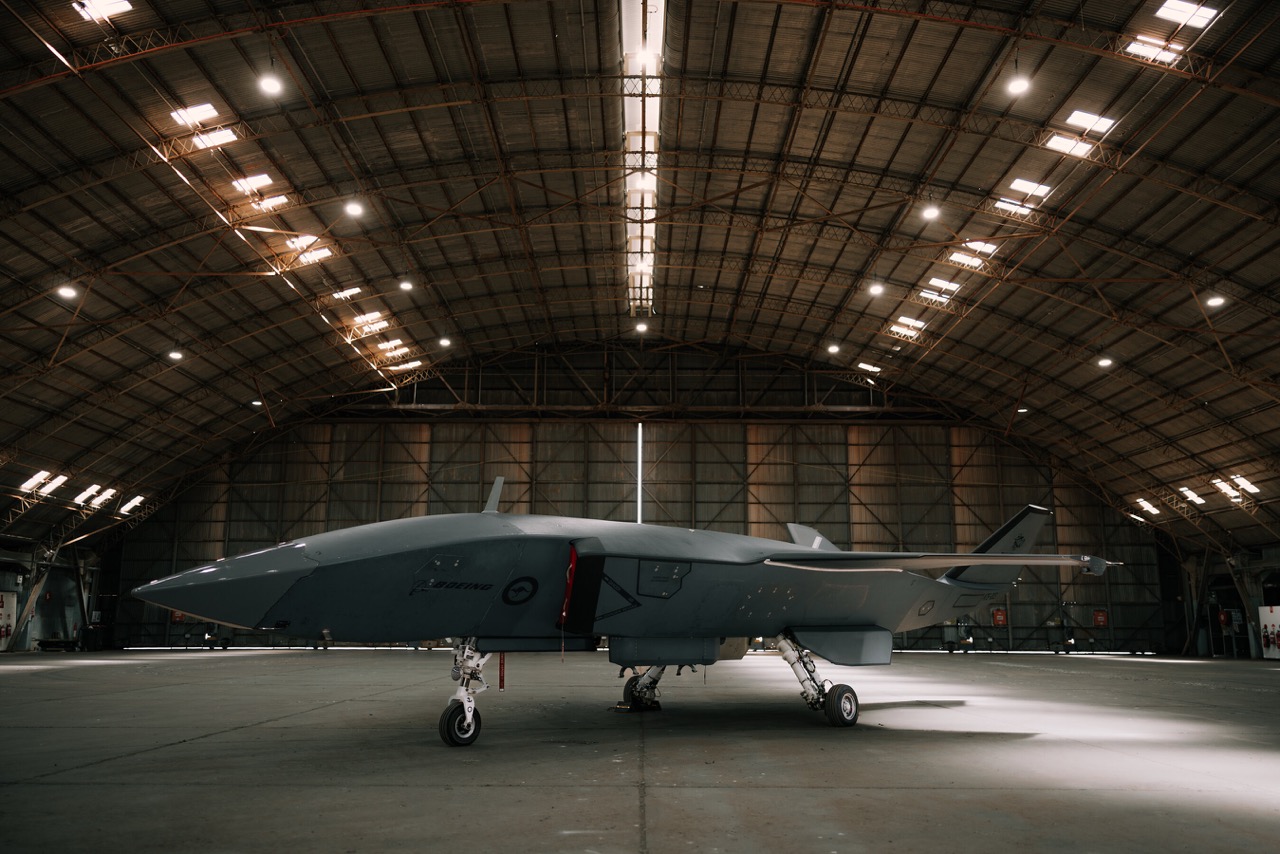
The future of air combat is increasingly centred on highly networked operations, with manned fighter jets flying alongside loyal wingman drones, often called Collaborative Combat Aircraft (CCAs).
The world’s leading air forces are racing to develop Collaborative Combat Aircraft, with the United States Air Force and China’s People’s Liberation Army Air Force widely regarded as the frontrunners.
US Air Force leading the West with Increment 1
The concepts of CCAs are still being developed, and it appears that it will not be a one-size-fits-all. The US Air Force’s current effort is its Increment 1 CCA programme, for which the Anduril FQ-44 and the General Atomics FQ-42 are being built.
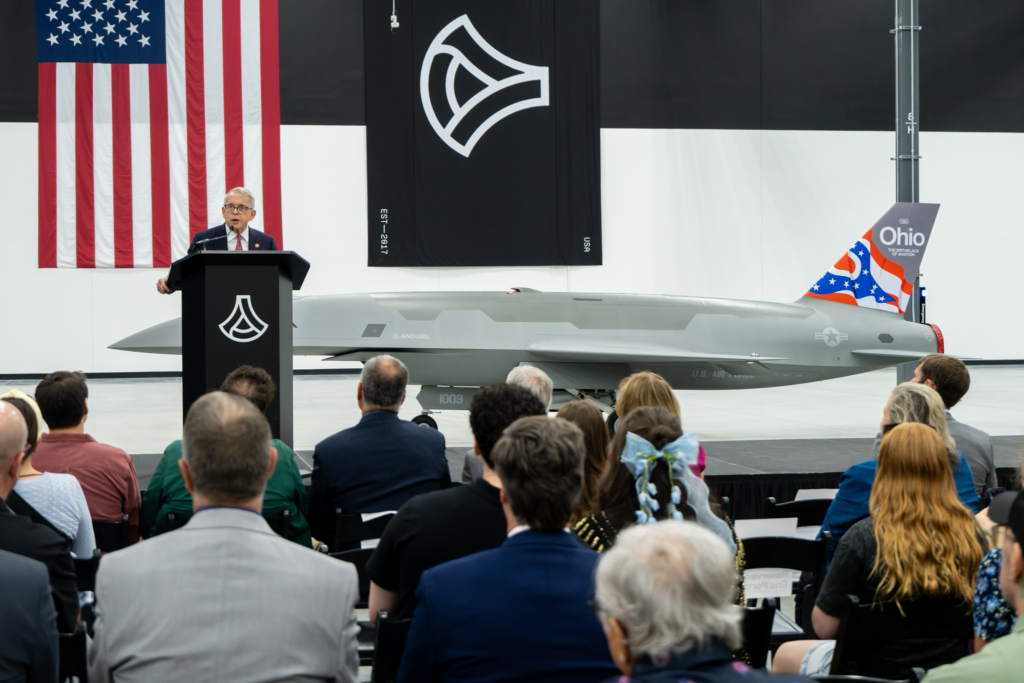
These are considered “good enough” and the Air Force aims to begin fielding Increment 1 aircraft before the end of the decade. The focus is on getting a capability in service and then developing it to meet the US Air Force’s future Asia-Pacific requirements.
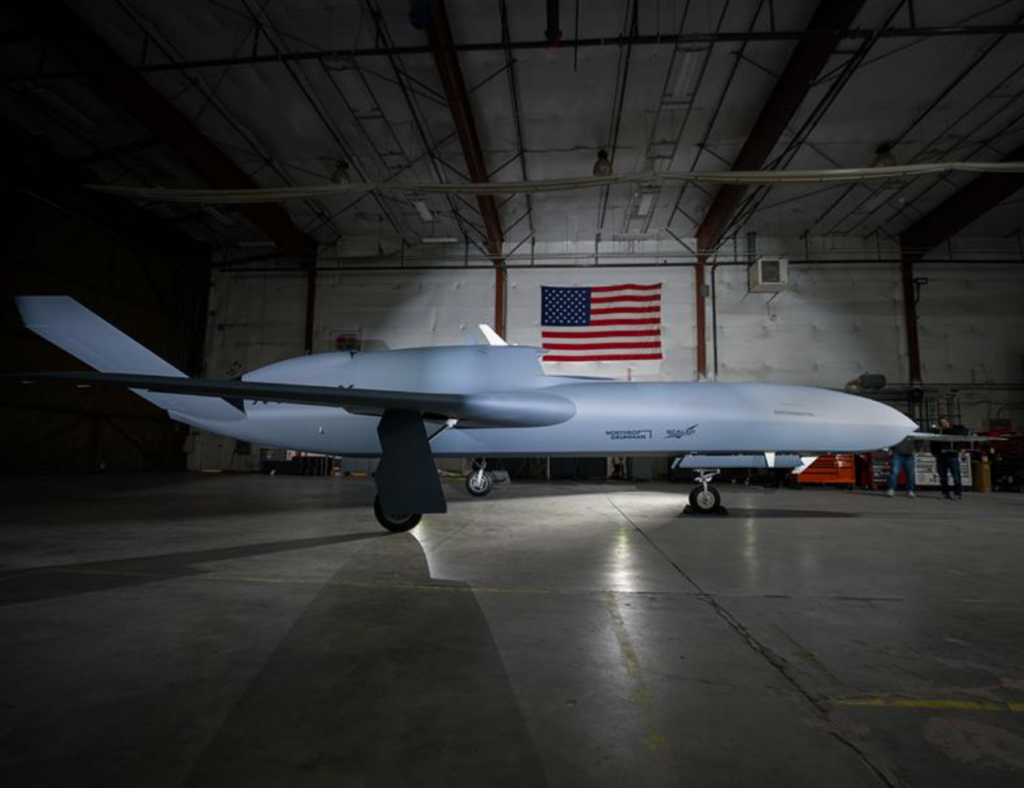
With these, the Air Force is currently developing its much more capable Increment 2. The Air Force has identified nine companies as eligible to compete for Increment 2, including higher-end concepts such as Northrop Grumman’s XFQ-48A, Boeing’s MQ-28 Ghost Bat and Lockheed Martin’s Vectis.
The Marine Corps is pursuing its own Increment 1 programme with a wheeled variant of the rail-launched Kratos XQ-58 Valkyrie, which the Air Force uses for testing and development of the CCA programme.
The US Navy is currently in the early stages, but may be more interested in a lower-end capability. European air forces are generally further behind the US Air Force.
European CCA programmes
Arguably the most mature flying CCA in Europe is Turkey’s Baykar Kızılelma, while higher-end autonomous concepts include Germany’s Helsing C-1 Europa and Saab’s recently unveiled A3-001.
Germany has stated that its military needs to be ready for war by 2029, and it is rushing to have its “Jagdbomberdrohne” or fighter-bomber-drone enter service by then.
The initial German aircraft are expected to prioritise remotely supervised strike and teaming missions rather than the higher levels of autonomy envisioned for later USAF CCAs.
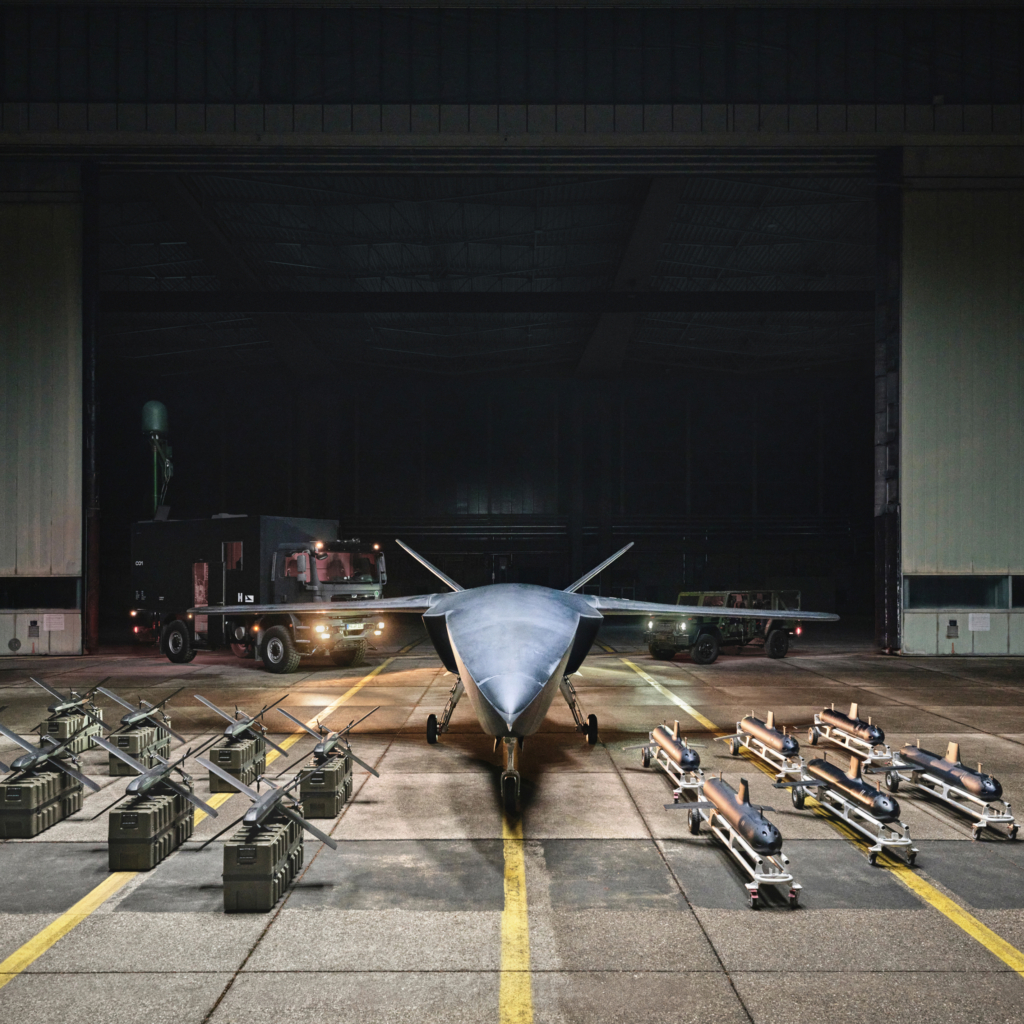
Germany has a requirement for around 400 Jagdbomberdrohnen. Other European air forces are following suit, although often with less urgency. The RAF CCA programme is only just starting to take shape, with the BAE Brontanax being one leading possibility.
Anduril, Kratos, and other US aerospace companies have announced plans to produce variants of their aircraft in Europe, with European companies providing many of the internal components and systems.
Emerging roles of CCAs/loyal wingman drones
When it comes to the roles CCAs/loyal wingmen will play, this remains complicated as doctrine and capabilities remain in development. High-end CCAs may take over many of the roles associated with traditional fighter jets. Shield AI has explicitly called its X-Bat concept a fighter jet.
Lower-end CCAs may blur the line with cruise missiles and one-way attack munitions.
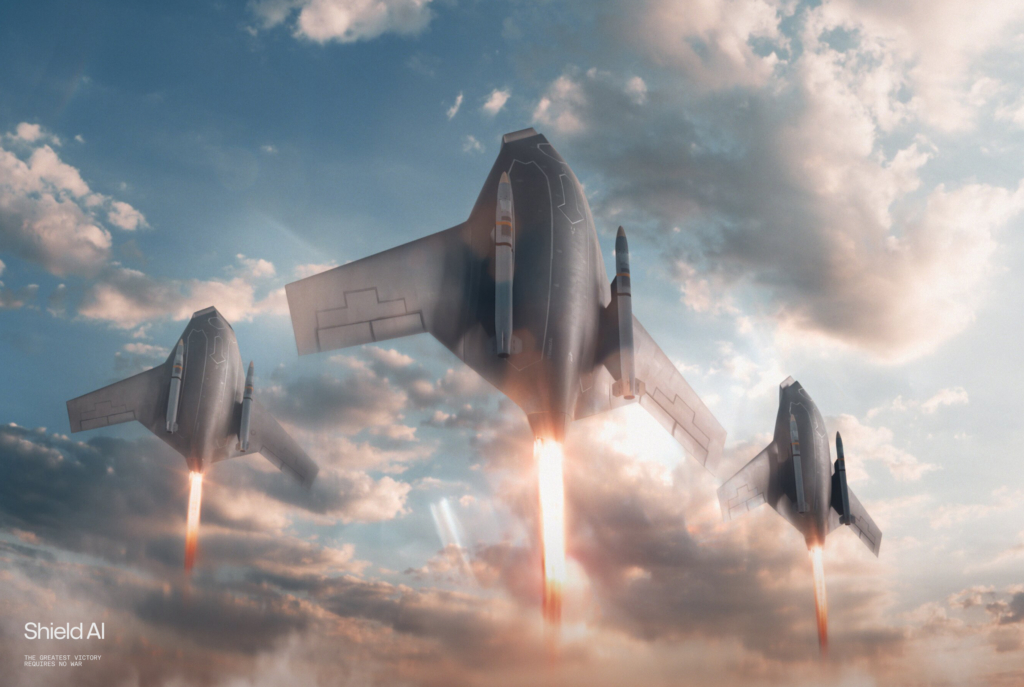
But most roles are considered to supplement and complement manned fighters. Core roles include being sensing nodes, electronic warfare, networking, and engaging targets.
They could function as decoys for the main fighter jet in the formation.
In some cases, the CCA may be cued by fighter jets and other off-board platforms to fire at targets. This will allow the fighter jet to preserve its stealth profile.
How many CCAs a fighter jet can control
Russia has recently unveiled a new two-seat variant of the Su-57 Felon fighter jet, with some reports indicating that the second pilot’s job may be to control CCAs. China also has two-seat variants of its J-20s.
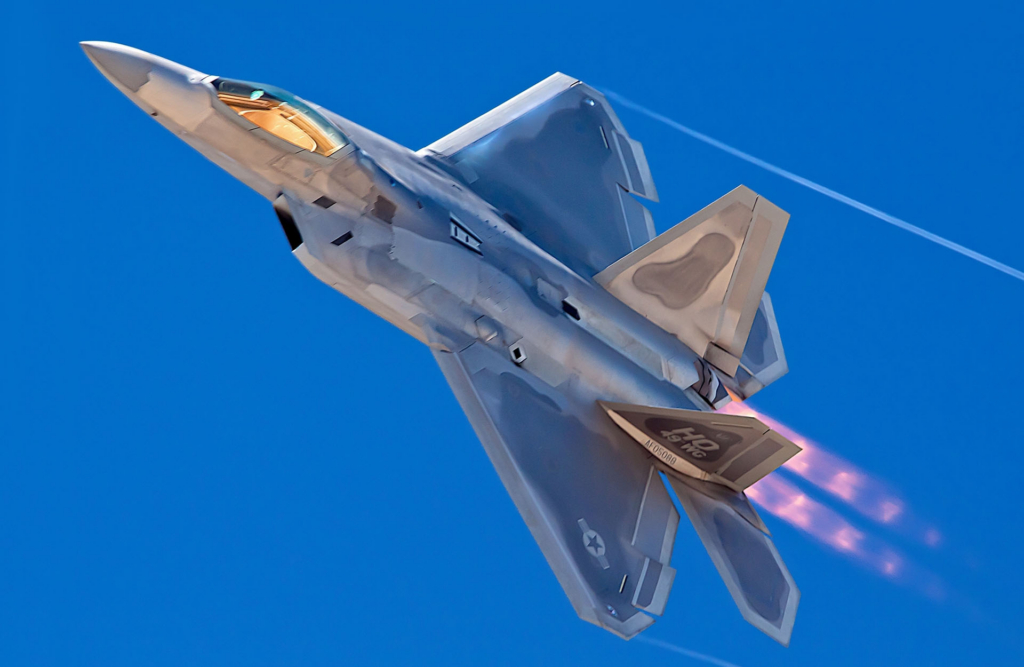
Meanwhile, all F-22s and F-35s are single-seat, and there have not been any reports to suggest there will be a two-seat variant of the GCAP/Tempest fighter jet. GCAP is being designed to operate as part of a wider networked force that includes collaborative autonomous aircraft.
The baseline planning for the US Air Force is for each fighter jet to control two CCAs.
It is important to have caveats when comparing single-seat F-35s to twin-seat Su-57s. The comparison may not be as straightforward as it would seem, as it also depends on the workload of the pilots in flying those aircraft.
Not only is it important to know how much automation manned fighter jets have, but also the level of autonomy of the CCAs being paired with the fighters and the missions they are expected to perform.
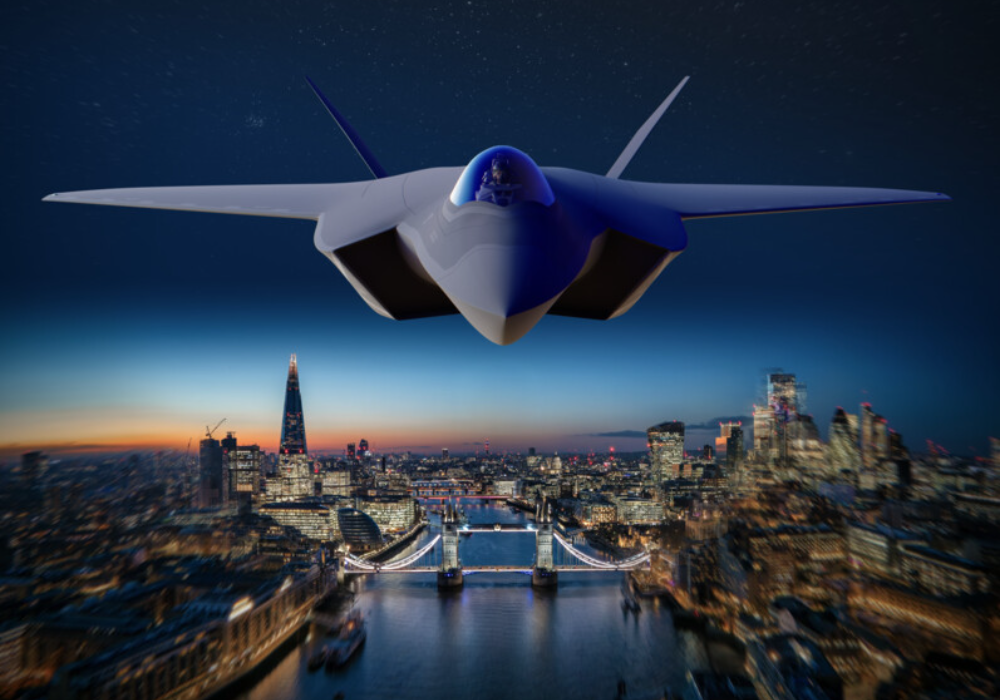
Overall, the picture of future manned-unmanned teaming (MUM-T) is taking shape, but it remains in its infancy. New ideas are being tried, new concepts are being tested, and new doctrines are being written.
The emerging picture is that in the 2030s there will be a large variety of CCAs performing a range of different roles. Some will support fighter jets, others will operate certain missions independently.
Sign up for our newsletter and get our latest content in your inbox.


More from


October 17, 20264 min read





