


Ukraine signs NATO drone deals as Europe looks for its own Patriot alternative

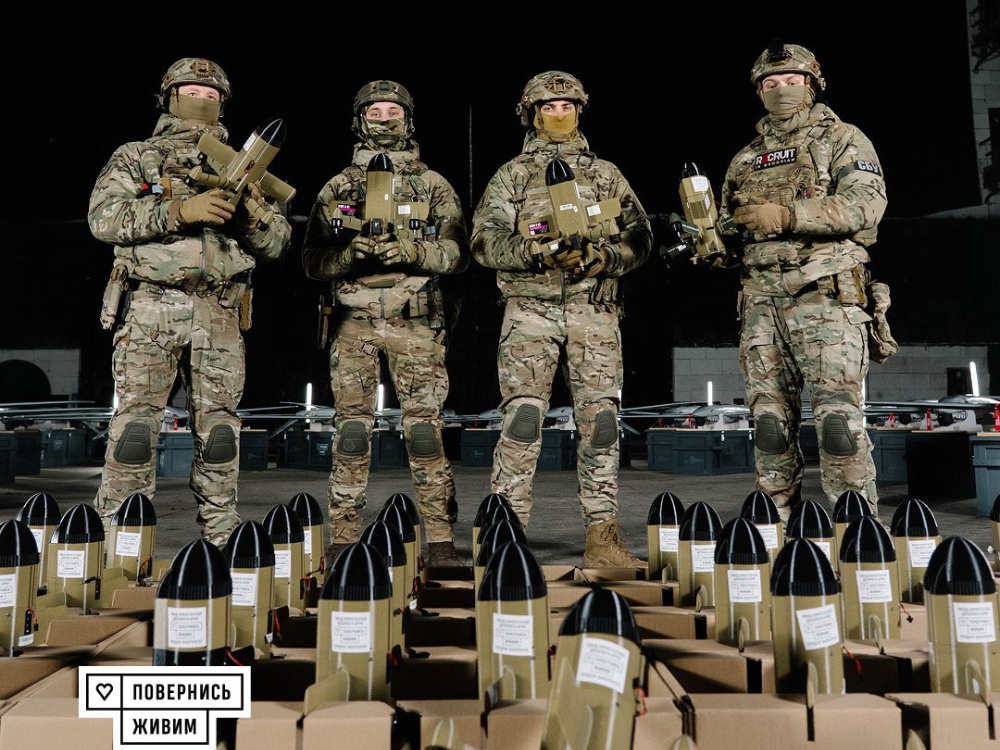
Yesterday, Ukraine was present on the sidelines of the NATO summit in Turkey, signing drone deals with NATO states. It was also working to develop a framework for a cheaper, European analogue to the Patriot, whose interceptor missiles will be available in larger quantities.
While Ukraine’s lower-end drones and interceptor drones are grabbing the attention of many states, its biggest capability gap is intercepting ballistic missiles.
Ukraine to sign drone agreements with a half dozen NATO members
Ukraine is moving forward with its plans to sign a “Drone Deal” with at least seven NATO nations in 2026. On the 6th of July, The Guardian reported, “Ukraine hopes to sign major defence deals with at least seven NATO countries by the end of the year.”
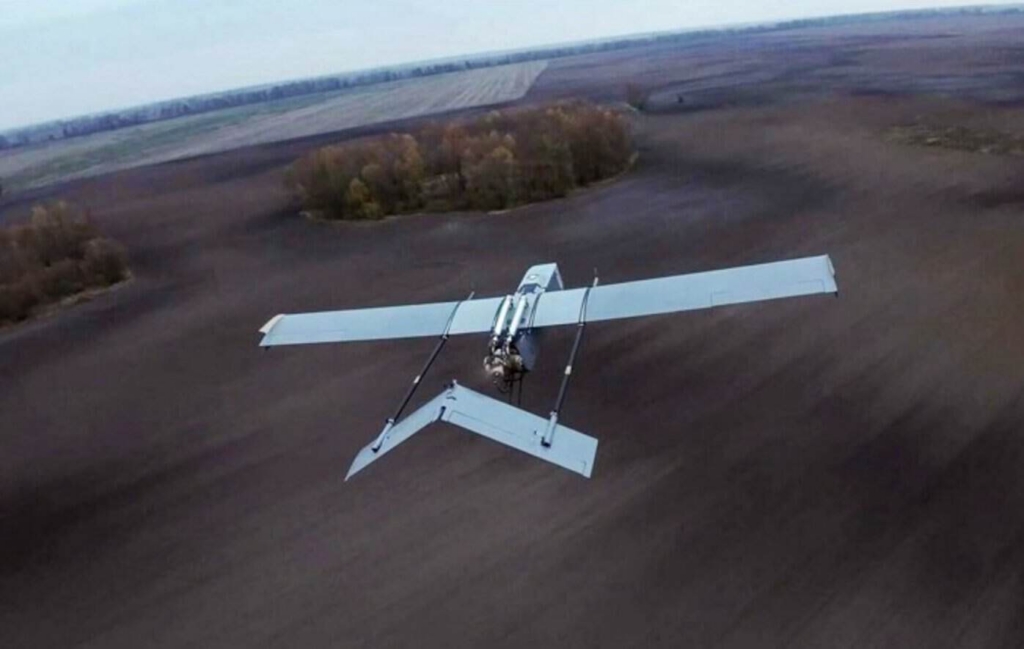
The publication added that Kyiv had signed “drone deals” with six countries in recent months, including three Middle Eastern states that looked to Ukrainian solutions following the war with Iran.
These deals are about more than just the drones, but they also include experience and knowledge that Ukraine is accumulating from its war.
The development is part of a greater trend where Ukraine is transitioning from simply being a recipient of European aid to also being a “security provider.”
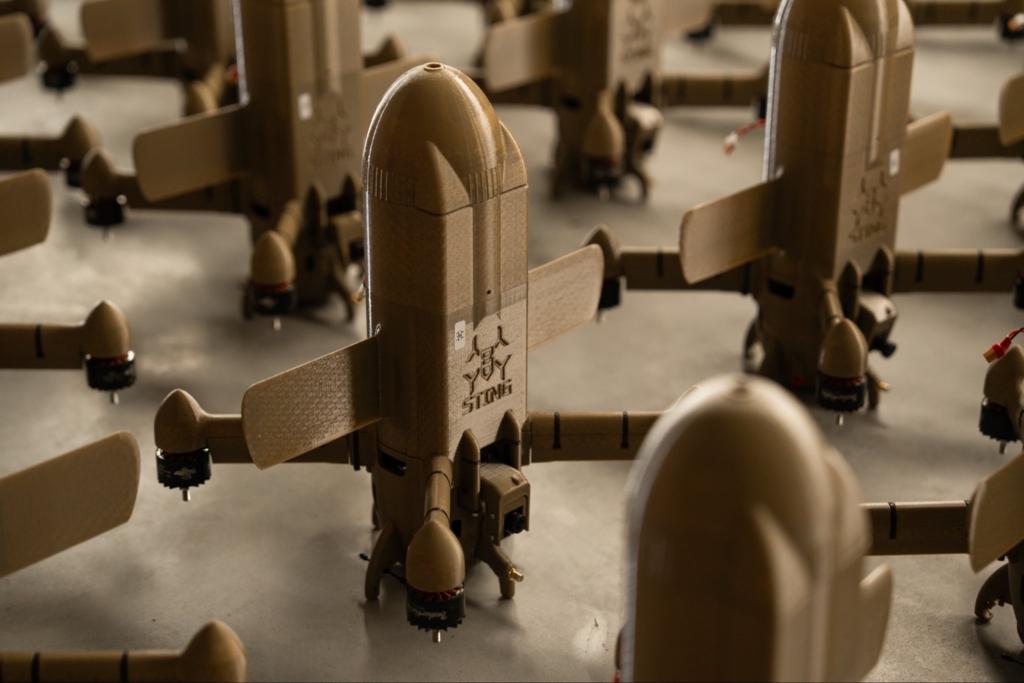
However, it is important to note that while “drone” is the go-to buzzword in reference to Ukraine, the lines between drones, cruise missiles, interceptors, and even ballistic missiles can blur.
Get the latest aerospace defence news here on AGN.
Ukraine signs drone agreements on NATO sidelines
Yesterday, Ukrainian President Zelenskyy signed drone agreements with Estonia, the Netherlands, and Denmark on the sidelines of the NATO summit in Turkey. This brought the total number of drone agreements to nine.
We signed a Drone Deal agreement with Denmark. This is already Ukraine’s ninth such agreement, and it is important that more and more partners are joining this format, which opens up greater opportunities for joint defense production, the exchange of expertise, and transparency… pic.twitter.com/RnDFQzvwdT
— Volodymyr Zelenskyy / Володимир Зеленський (@ZelenskyyUa) July 7, 2026
Those nine countries include previously signed agreements with Saudi Arabia, the UAE, Qatar, Azerbaijan, Latvia, and Lithuania. Estonia, the Netherlands, and Denmark were added yesterday, with others to follow.
In a Facebook post, Zelenskyy described the agreement with the Netherlands as a “full-fledged agreement on cooperation in the field of drones.”
With the signing of the agreement with Denmark, he wrote, “It was with Denmark that we began co-production in Ukraine under the Danish model, and it is entirely fair that Denmark will now have access to Ukrainian arms exports, battle-tested in war.”
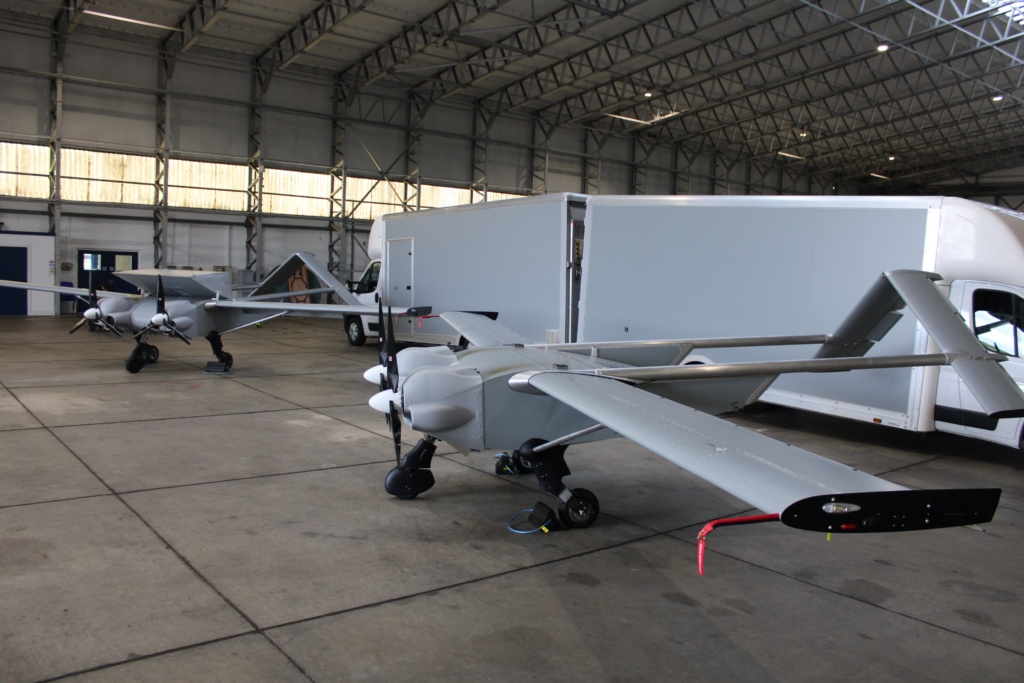
Zelenskyy also noted Ukraine is preparing a drone deal with Germany, while agreements with Norway, Finland, Canada, and others are known to be in the works.
Developing a Ukrainian/European antiballistic air defence
Notably, Zelenskyy added in his Netherlands post, “Europe needs its own anti-ballistics to ensure that the European way of life is protected to the fullest extent. Discussed what has already been done with partners in this area.”
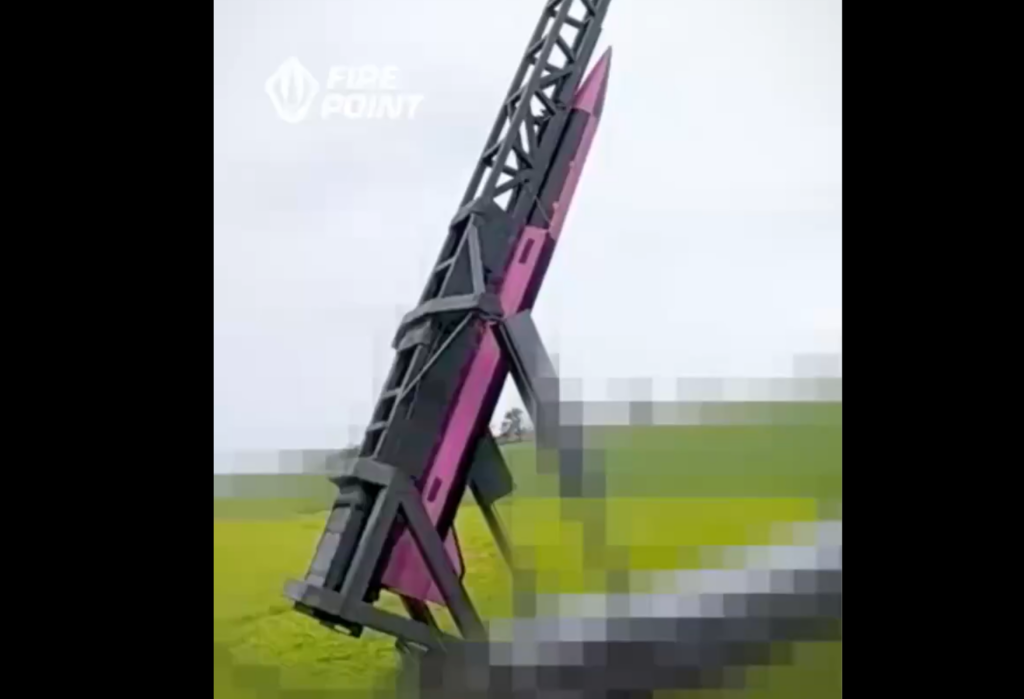
When speaking of the upcoming drone deal with Germany, he wrote that the countries are “working to establish a joint European anti-ballistic system.”
AGN has previously reported that Ukraine’s FirePoint is racing to develop its own ballistic air defence system (Freya Project) to complement the expensive and few-in-number Patriot interceptors.
The interceptor missile being developed is based on the missile used in the S-300 system, with which Ukraine has expertise.
The only air defence systems in Ukraine able to intercept ballistic missiles (like Iskandar) are the Patriots, S-300s, and SAMP-T. Of these, S-300 stocks are depleted, and the Franco-Italian SAMP-T currently only has a nascent ability to intercept ballistic missiles.
It can be noted that many of Ukraine’s more advanced drones have been developed in close cooperation with European states, leveraging their advanced technologies.
🇫🇷🇺🇦 Ukrainian representatives have revealed that their Flamingo missile, which is used to strike strategic Russian targets, operates using a guidance system developed by the French company @SafranElecDef. pic.twitter.com/W8JDmz4pUW
— French Aid to Europe 🇨🇵 🇪🇺 (@aidefranceukr) July 7, 2026
For example, yesterday the OSINT account French Aid to Europe reported, “Ukrainian representatives have revealed that their Flamingo missile, which is used to strike strategic Russian targets, operates using a guidance system developed by the French company [Safran].”
Featured Image: Wild Hornets


