UK unveils £5 billion drone investment to transform Army, Royal Navy and RAF

4 min read
In what is likely Prime Minister Kier Starmer’s last major announcement, the recently released Government’s Defence Investment Plan includes £5 billion in funding for drones across the British armed services.
UK announces £5 billion in drone funding
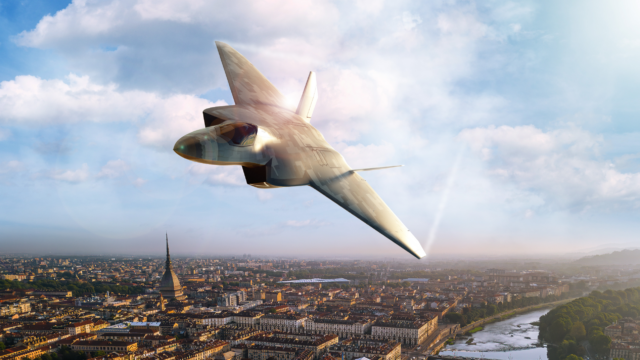
The United Kingdom has unveiled its much-anticipated four-year investment plan for its military. This includes £8.6 billion in four-year funding for the GCAP/Tempest 6th-generation fighter jet programme as well as major changes to the Royal Navy.
As the conflicts in Iran and Ukraine show, drones are reshaping warfare.
— Ministry of Defence 🇬🇧 (@DefenceHQ) June 30, 2026
That’s why more than £5 billion is to be invested in drones over the next four years. This will drive a transformation, with new technology and infrastructure keeping us at the leading edge of innovation. pic.twitter.com/TSkAJg8vRh
One of the notable items includes over £5 billion in funding for drones over the next four years. The British Ministry of Defence noted that conflicts in Iran and Ukraine are showing the role of drones in reshaping warfare.
The MoD posted the investment in drones “will drive a transformation, with new technology and infrastructure keeping us at the leading edge of innovation.”
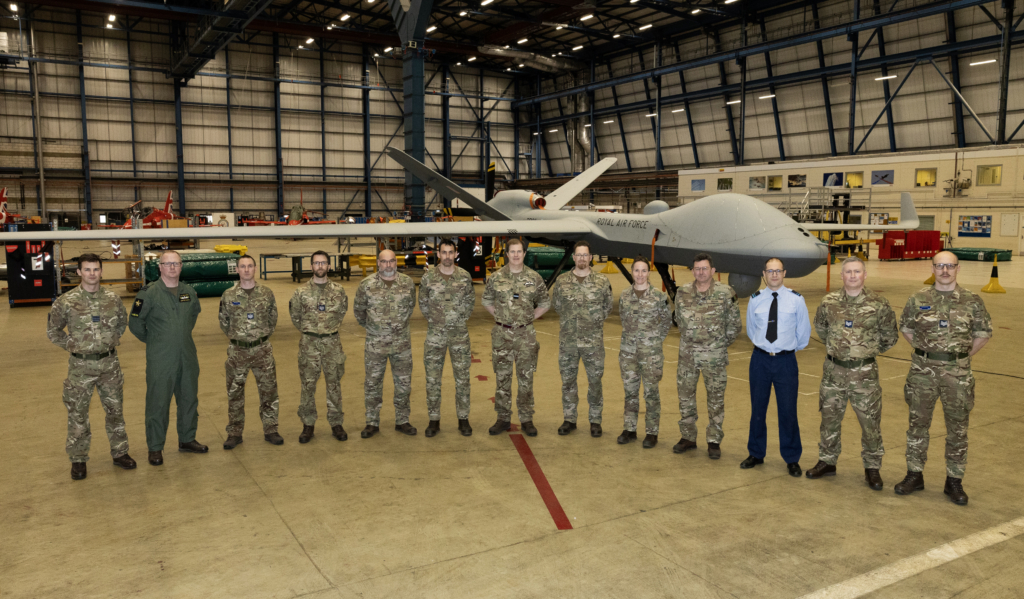
The MoD notes that the face of warfare is changing, with cheap systems destroying high-value targets. Drone innovation cycles are now measured in weeks, not years, as seen with traditional systems.
A full range of drones
The term “drone” is sometimes so broad as to be of limited usefulness, as it can include all autonomous systems.
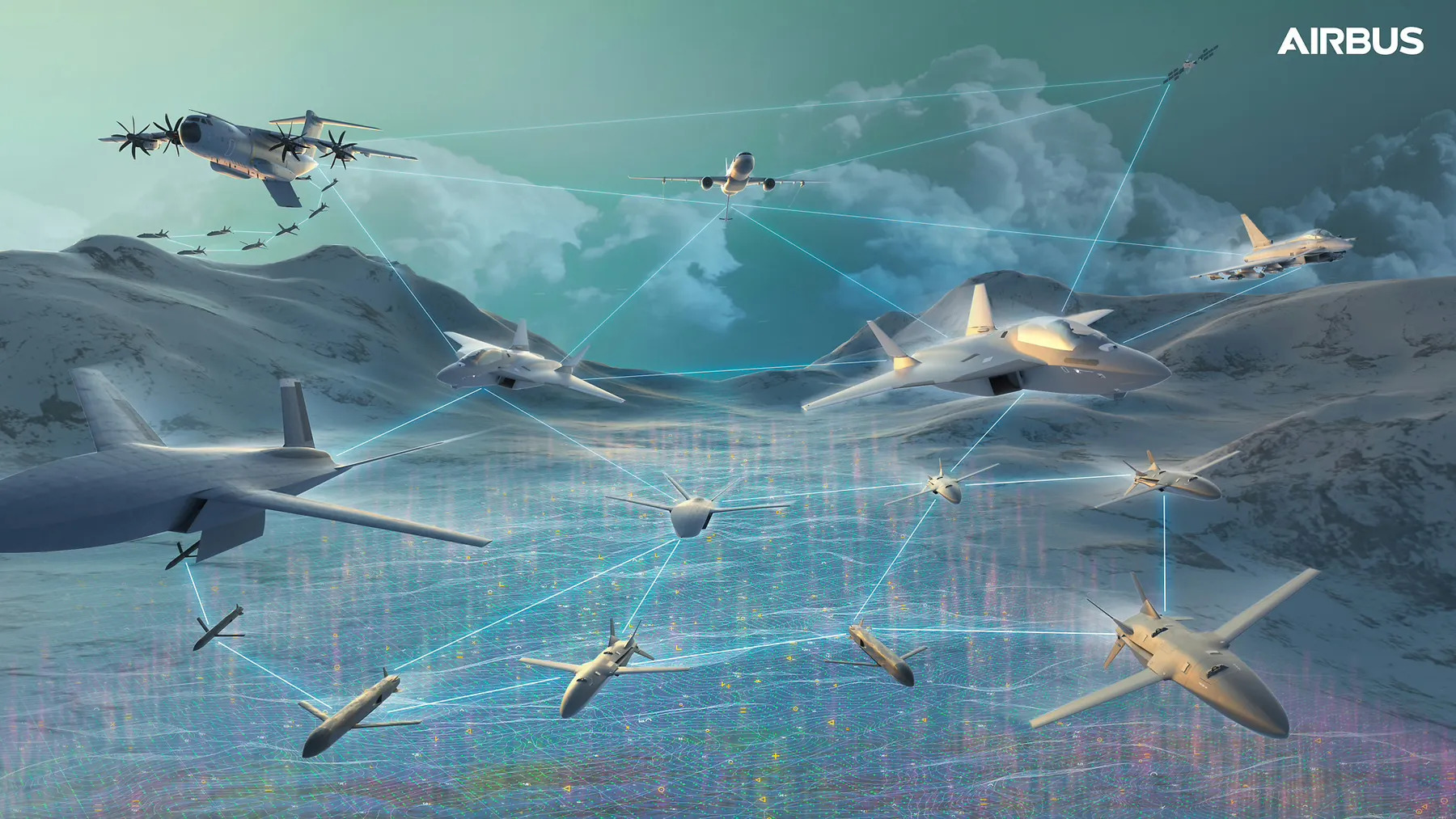
The MoD announcement includes investment in everything from sea-going drones, to FPV drones, to higher-end loyal wingman drones.
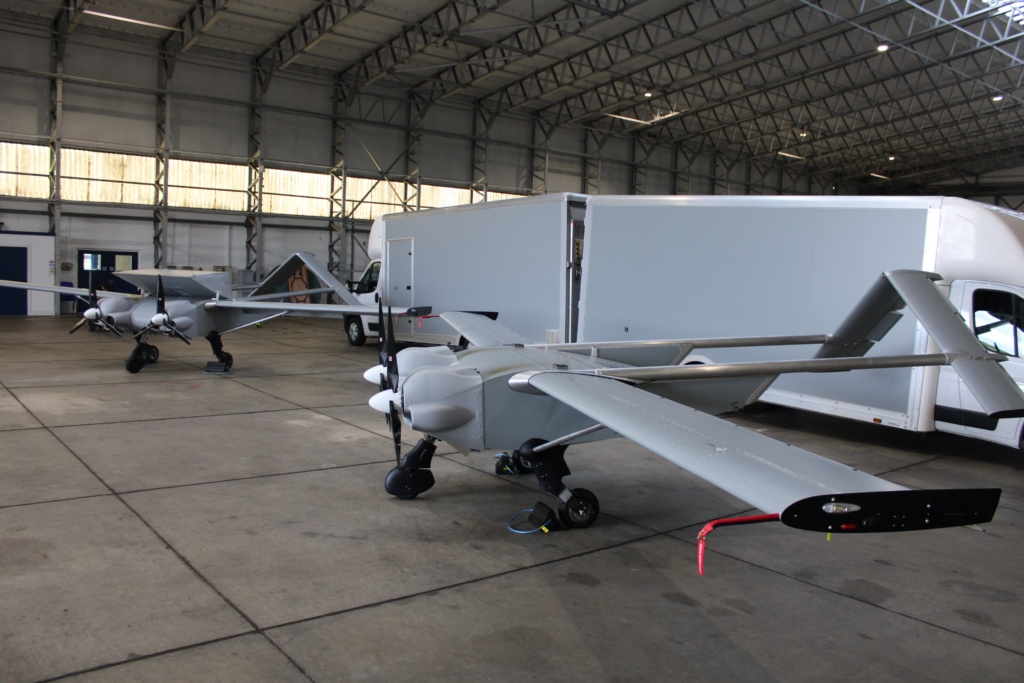
The British Government reported that the investment “will see Britain build a flexible, integrated force with attack drones flying alongside Army helicopters, RAF jets made invisible from enemy detection with new drones, and a hybrid Royal Navy made up of crewed and uncrewed vessels.”
Investment in drones includes complex autonomous mine-hunting drones to small quadcopter tactical drones and one-way attack munitions.
Drone funding for the Army, Navy, and Air Force
The Royal Navy is to receive uncrewed missile platforms, uncrewed submarine hunting platforms, and a range of other systems through to the Common Combat Vessels that will replace the Type 45 destroyers.
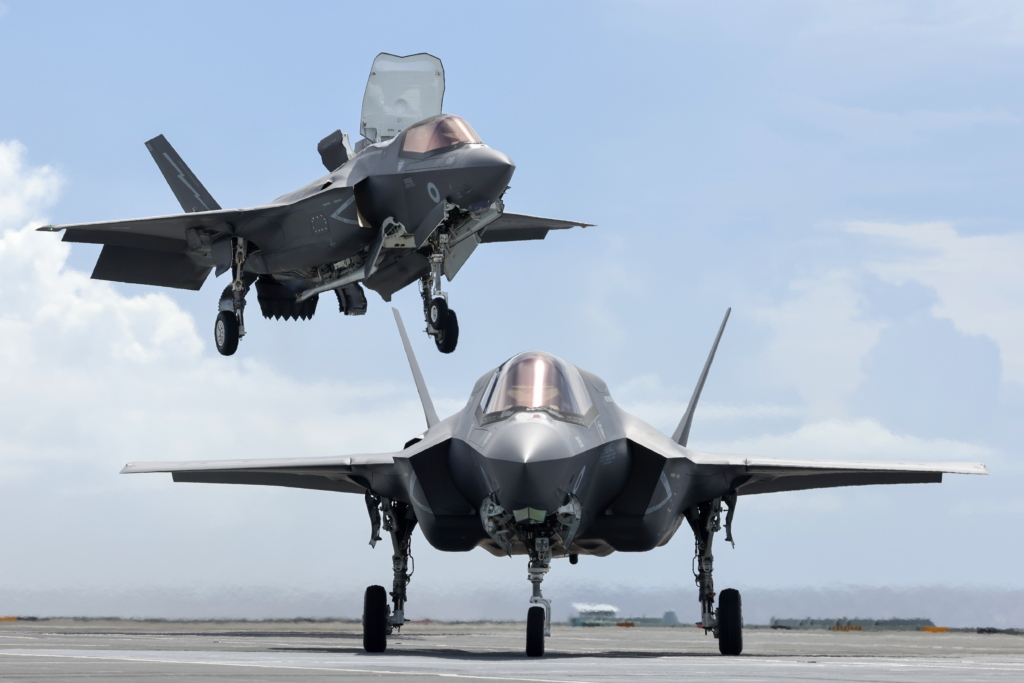
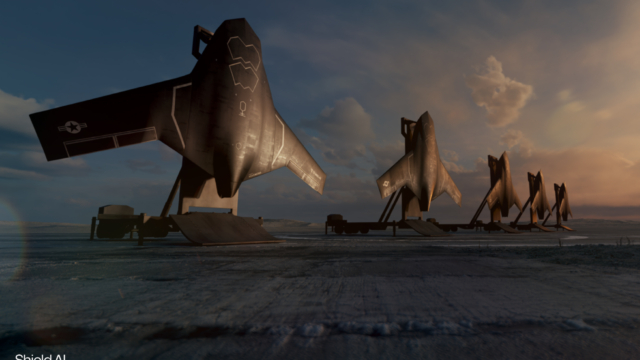
Notably, the fund includes funding for Project Pantheon, which will develop a Hybrid Carrier Air Wing that will trail jet-powered drones alongside the F-35Bs.
The British Army is to get FPV and interceptor drones, as well as drones to operate alongside its fleet of Apache helicopters, and more (including ISR platforms).
The Royal Air Force is getting investment in its Collaborative Combat Air programme, which is to develop new autonomous “fighter jets” designed to fly alongside crewed jets. The first demonstrator flight is planned by at least 2030, and it is related to the GCAP programme.

The RAF also gets funding for its Storm Shroud system that will develop an autonomous electronic warfare drone. This system is expected to enter service in 2026.
Get the latest aerospace defence news here on AGN.
Investing in an industry able to produce at-scale drones when needed
Currently, drones are developing so fast that countries not at war are facing a dilemma. Drones have become indispensable for modern war, but at the same time, they are developing and changing so fast that if the military were to pick a specific system, it could be outdated quickly.
Windracers is one of three primary suppliers in the UK@DefenceHQ £752m drone package for Ukraine, delivering 120,000 drones.
— Windracers (@Windracers) April 15, 2026
Windracers ULTRA is operating in Ukraine, supporting autonomous logistics.
Read more: https://t.co/86QtPwEVgz
Windracers
Your Mission.
Delivered. pic.twitter.com/D4QVoYd7CE
One way to mitigate the issue is to invest in the industrial base to ensure it is capable of producing drones in large numbers if needed. The fund will also invest in the Uncrewed Systems Centre in Swindon and in the new Uncrewed Systems Taskforce to rapidly develop and field new autonomous capabilities with industry.
The government says this will help ensure the UK is able to continuously scale production and “get the very latest drones into the hands of our Armed Forces to protect the UK and our Allies.”
Tekever, the manufacturer, has announced a further £400 million investment to support production.
— OSINTtechnical (@Osinttechnical) May 2, 2025
The investment will support hundreds of UK manufacturing jobs. pic.twitter.com/ucSnQIXsaS
It is also worth noting that the UK is already one of the notable suppliers of drones to Ukraine and has pledged 120,000 drones of various descriptions for 2026. This aid to Ukraine has allowed the UK to develop and scale its domestic drone industry.
Featured Image: Airbus
Sign up for our newsletter and get our latest content in your inbox.



More from


October 13, 202612 min read