C919 completes first international commercial flight as COMAC takes next step beyond China

5 min read
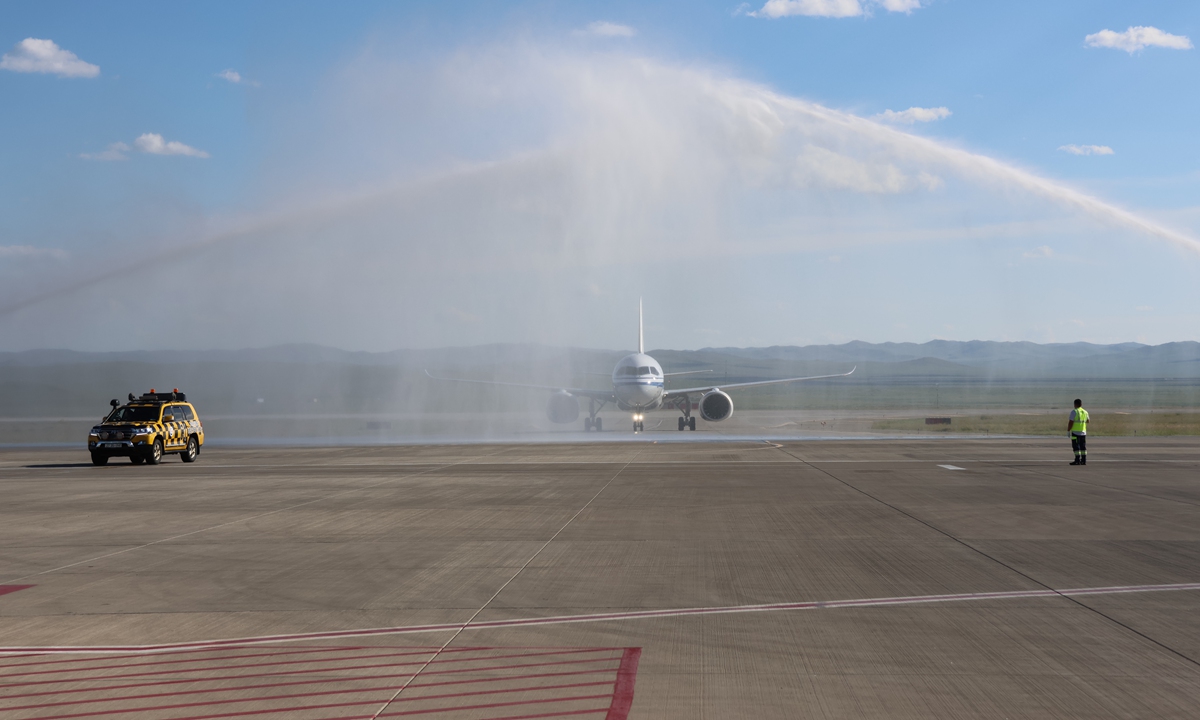
China’s COMAC C919 has completed its first scheduled international commercial flight, with an Air China aircraft flying from Beijing to Ulaanbaatar on 12 August in a milestone for the country’s effort to establish its own large commercial aircraft industry.
Flight CA723 departed Beijing Capital International Airport at 3 p.m. local time and reached Chinggis Khaan International Airport in the Mongolian capital at about 5 p.m. The aircraft received a water-cannon salute on arrival, the Xinhua reported.
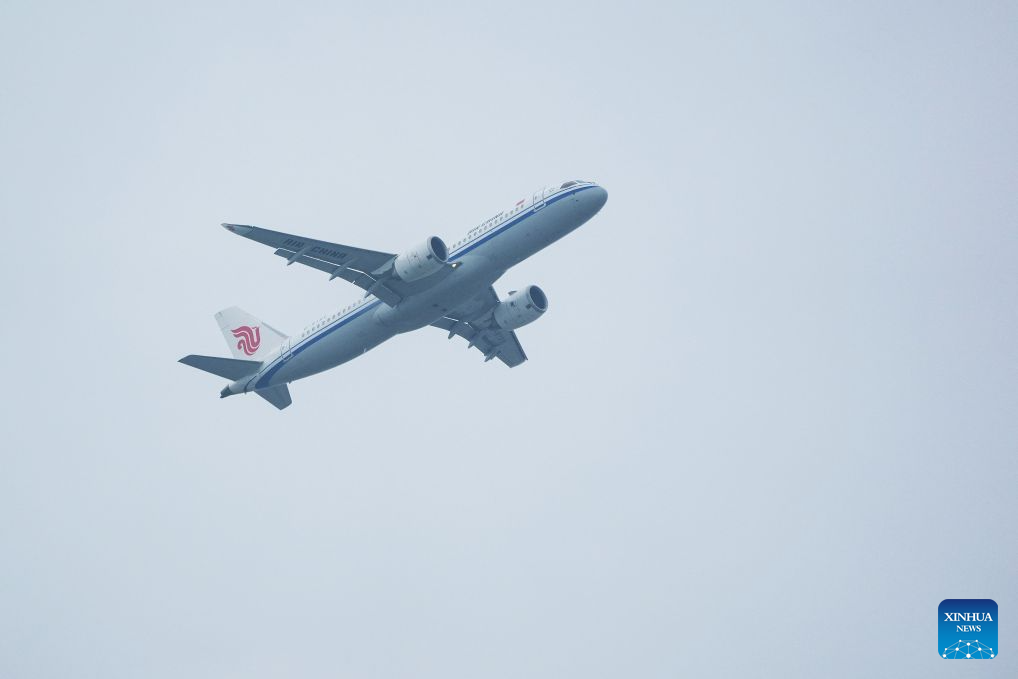
The C919 will now operate the Beijing-Ulaanbaatar route as CA723/CA724 seven days a week. Air China has 12 C919s in its fleet, while China Eastern Airlines and China Southern Airlines are also operating the type.
For COMAC, the flight is more than a new destination on the route map. It is the next step in moving the C919 from a Chinese domestic programme towards international airline operations.
The route itself is relatively short. The bigger challenge will be sustaining the aircraft as its operating footprint expands.
The C919’s first route beyond China
The C919 entered commercial service with China Eastern Airlines on May 28, 2023. Since then, the aircraft has steadily moved into regular airline operations rather than remaining a programme demonstrated mainly through test flights and air shows.
As of 10 August, C919 aircraft operated by Air China, China Eastern and China Southern had served 57 routes connecting 25 cities and carried more than 7.5 million passenger trips, according to COMAC.
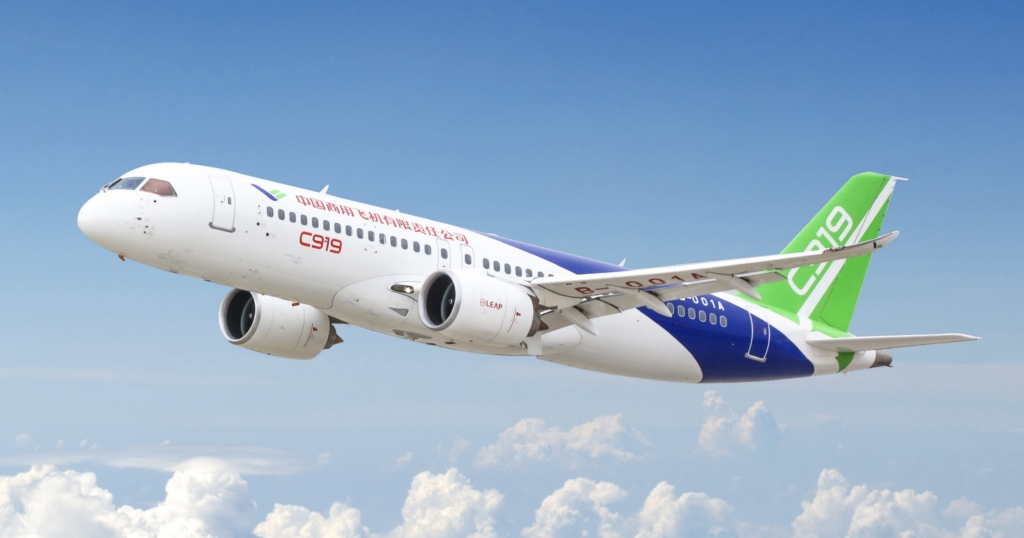
People’s Daily reported the figure slightly differently on 12 August, putting the network at 58 routes and 26 cities. The difference appears to reflect the timing of the data rather than a change in the overall trend.
The fleet is also gaining experience outside mainland China. China Eastern began regular C919 services between Shanghai and Hong Kong in January 2025, followed by Air China’s Beijing-Hong Kong operation later that year.
The Ulaanbaatar service is different because it takes the aircraft into a foreign country on a scheduled international route for the first time.
That gives COMAC and the airlines another opportunity to build experience in operating the type away from its main domestic network.
From new programme to operational fleet
The numbers matter because commercial aircraft programmes are ultimately judged by what happens after certification.
A new airliner needs aircraft flying regularly, crews gaining experience, maintenance teams building knowledge and suppliers learning how their equipment performs in service. Airlines also need confidence that parts, technical assistance and maintenance support will be available when an aircraft is away from its home base.
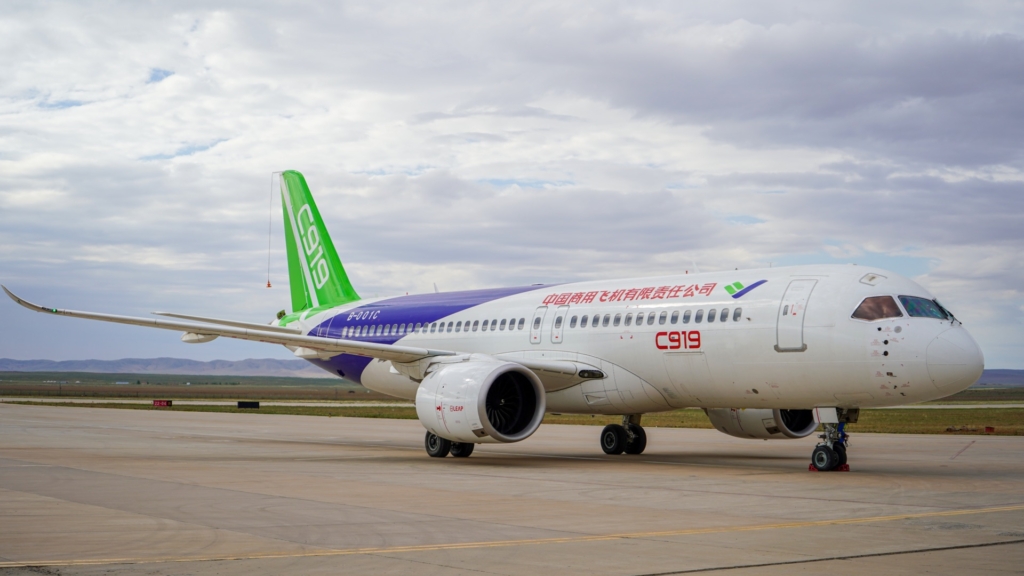
The C919 is still building that ecosystem.
COMAC has delivered 41 C919s as of July 20, with cumulative safe flight hours exceeding 130,000, according to figures cited by Global Times.
Production, however, remains a work in progress. COMAC delivered 15 C919s in 2025, well below its earlier target of 75. The company is working to increase output while expanding domestic sourcing for parts and systems.
That will be important as the three Chinese airlines expand their fleets.
More aircraft in service will mean more operating data and a larger maintenance base. It should also give COMAC more opportunity to identify problems that only become visible after years of airline operation.
COMAC broadens the C919 family
The C919 programme is also moving beyond the baseline aircraft.
COMAC recently completed the maiden flight of a high-altitude version designed for operations from China’s plateau airports. The derivative has a shortened fuselage and other modifications aimed at high-altitude operations, with a planned capacity of 140 to 160 passengers.
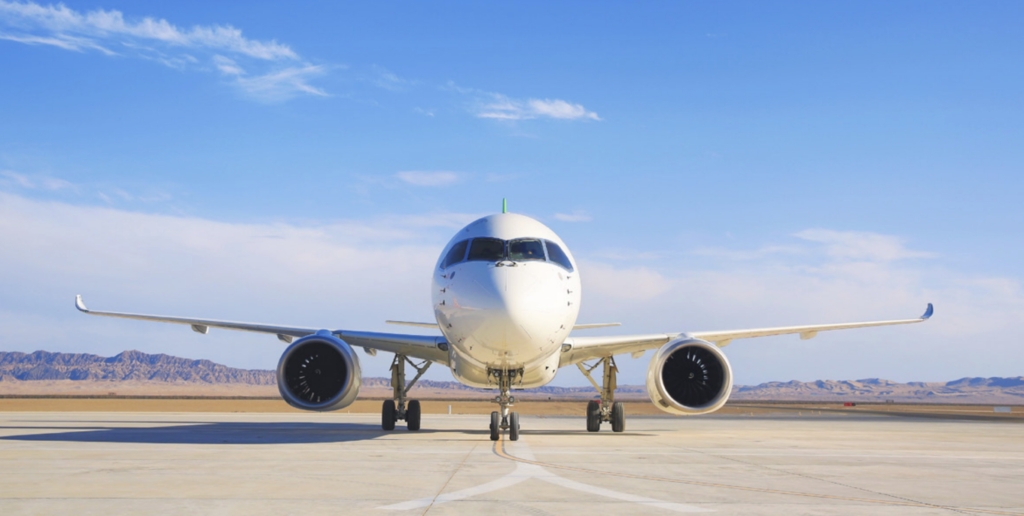
China has a particularly large domestic requirement for such aircraft. The country has 43 airports at elevations of at least 1,524 metres, according to figures cited by Global Times, including 23 at 2,438 metres or higher.
The variant is therefore primarily about serving a specific Chinese requirement, but it also shows COMAC beginning to develop the C919 into a broader aircraft family.
That could become important over time as the manufacturer gains experience with the basic aircraft.
International service puts support network to the test
The Ulaanbaatar flight does not by itself turn the C919 into a global competitor.
COMAC still faces the longer task of establishing the infrastructure needed to support the aircraft outside China. Certification is another part of that process.
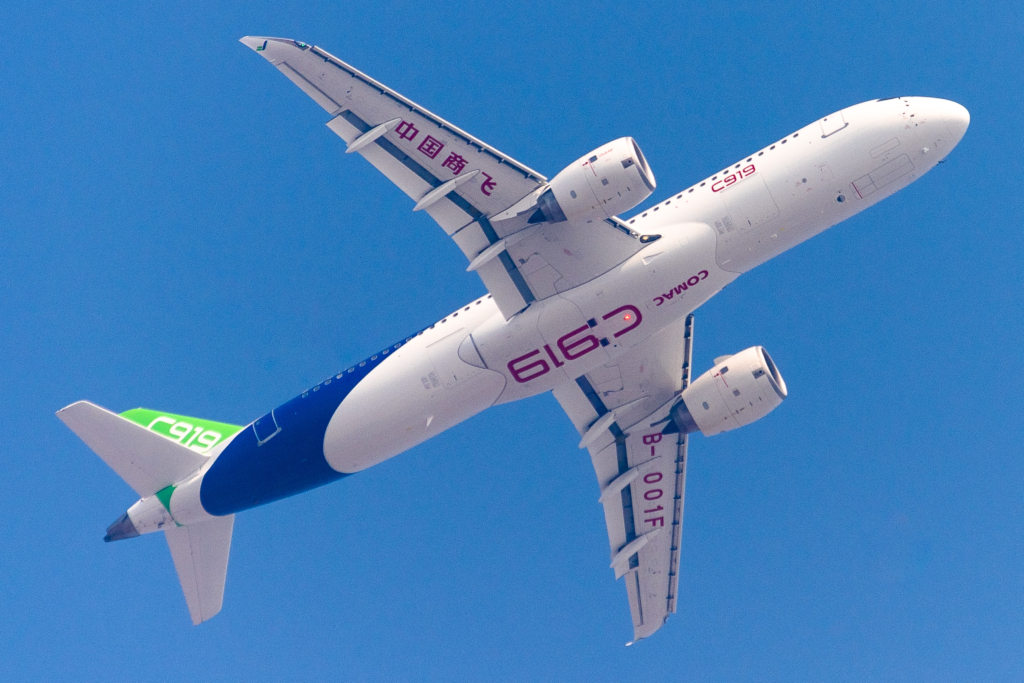
The C919 has Chinese type certification, but European certification remains under evaluation. EASA’s work includes flight testing and other technical assessments, with the process expected to take several more years.
There is also the question of the aircraft’s supply chain.
The C919 uses CFM International’s LEAP-1C engine, while a number of other important systems come from international suppliers. China is developing the CJ-1000A as a future indigenous alternative, but that engine is still progressing through development and certification.
For now, the C919 therefore remains a Chinese-built aircraft with a supply chain that extends well beyond China.
That is not unusual for a modern airliner. But it makes the development of a reliable international support network particularly important if COMAC wants the aircraft to operate widely outside its home market.
The C919 now has its first regular overseas route
The Beijing-Ulaanbaatar operation gives COMAC a useful first step.
It is not a dramatic expansion of the aircraft’s geographical reach. Mongolia is close to China and the route can be supported from the C919’s existing operating base.
But international aviation is built one route at a time.
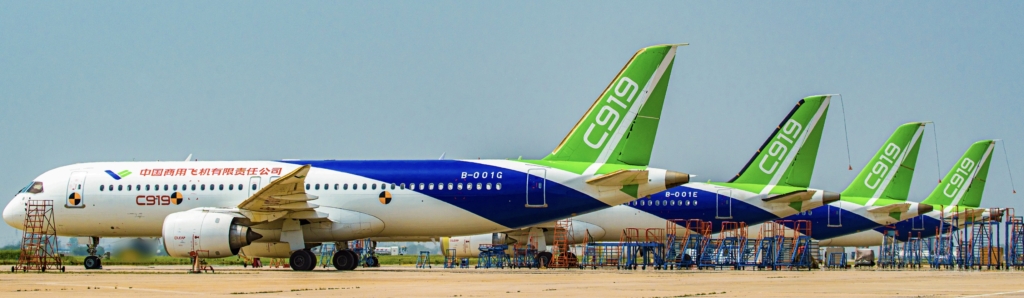
The C919 has already moved from its first commercial flight in 2023 to regular operations with three Chinese airlines, millions of passengers, dozens of routes and now its first scheduled international service.
The next stage is less about proving that the aircraft can cross a border.
It is about proving that COMAC can keep expanding the fleet, increase production, support aircraft reliably and build the regulatory and customer confidence required for the C919 to operate in more markets.
Sign up for our newsletter and get our latest content in your inbox.


More from


October 17, 20264 min read