UK commits £8.6bn to Tempest fighter and GCAP under new Defence Investment Plan

5 min read
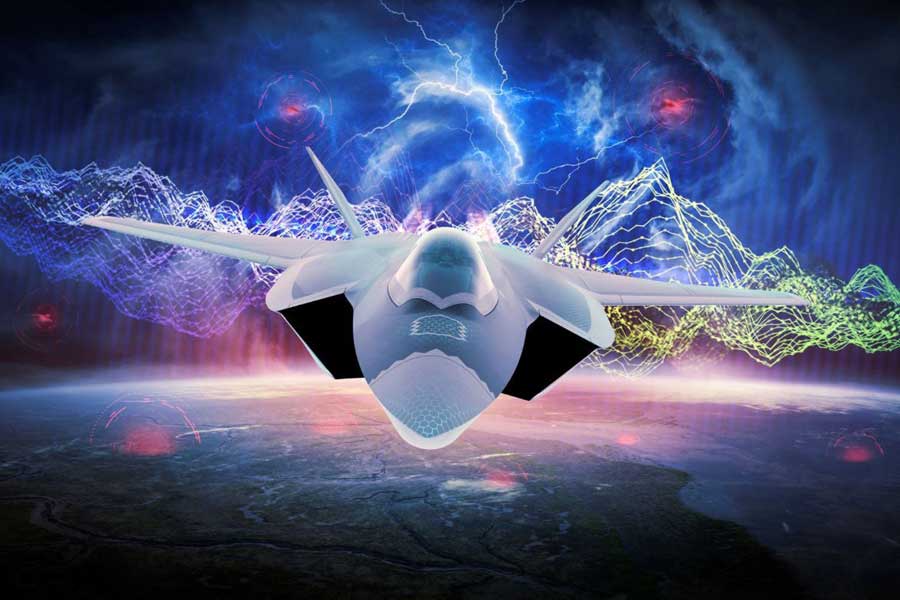

Britain has placed future air power at the centre of its biggest defence spending programme in decades, committing £8.6 billion ($11.5 billion) over the next four years to the Global Combat Air Programme (GCAP) while accelerating investment in autonomous aircraft, drones and artificial intelligence as part of a wider £298 billion ($395 billion) Defence Investment Plan (DIP).
Announced by Prime Minister Sir Keir Starmer during a major speech at Malloy Aeronautics on 30 June, the plan commits an additional £15 billion ($19.5 billion) on top of last year’s Strategic Defence Review, taking defence spending to almost £300 billion ($396 billion) over the next four years.
While the investment spans all three services, air power features prominently, with funding for the sixth-generation fighter being developed with Japan and Italy, collaborative combat aircraft, counter-drone capabilities and AI-enabled battlefield networks.

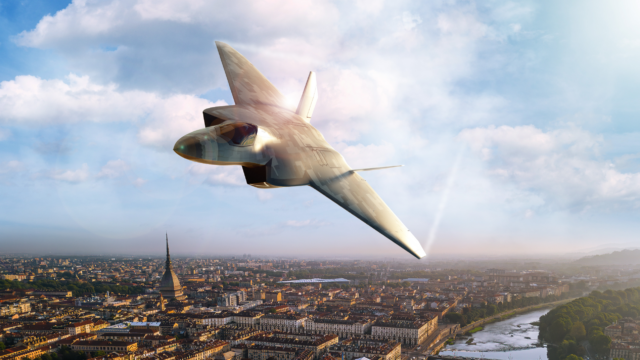
Speaking at the launch of the plan, Starmer said the government was renewing its commitment to build “Tempest fighter jets” through an £8.6 billion ($11.5 billion) investment alongside Italy and Japan, describing them as “sixth-generation stealth fighters that will secure our skies for decades to come” while rebuilding the foundations of Britain’s sovereign combat aircraft industry.
The Prime Minister said the additional defence funding reflected a rapidly changing security environment.
“This record investment puts the security of the British public first, transforming our Armed Forces and giving them the funding and equipment they need to fight and defend our nation.”
He added: “The world is a more dangerous and volatile place, so it is only right we are boosting the number of troops on the ground, rebuilding ammunition stockpiles and investing in cutting-edge technology to ensure we outpace our adversaries for generations to come.”
GCAP funding moves Tempest fighter into design phase
The £8.6 billion allocation represents one of the largest individual commitments within the Defence Investment Plan and provides funding for GCAP through its concept and design phases. The programme is intended to deliver the Royal Air Force’s next-generation combat aircraft, replacing the Eurofighter Typhoon from the second half of the 2030s.
Britain, Japan and Italy formally launched GCAP in 2022 by combining the UK’s Tempest programme with Japan’s F-X fighter initiative. The aircraft is expected to feature advanced stealth, artificial intelligence, networked sensors and significantly greater computing power than current-generation fighters.

The investment plan also confirms that the RAF’s Typhoon fleet will continue to be upgraded into the 2040s, ensuring it remains the backbone of Britain’s air defence capability until the new aircraft enters operational service.
GCAP already supports around 4,500 jobs across the UK and is viewed by the government as a strategic programme that strengthens Britain’s aerospace industrial base while deepening defence cooperation with Japan and Italy across both the Indo-Pacific and Euro-Atlantic regions.
RAF plans crewed fighters with autonomous aircraft
The investment plan makes clear that Britain’s future air combat strategy extends well beyond a new fighter aircraft.
Alongside GCAP, the government has committed more than £5 billion ($6.7 billion) over the next four years towards accelerating the Armed Forces’ adoption of drones and autonomous systems.
Within that package, £650 million ($860 million) will fund inexpensive expendable autonomous systems, including drones and uncrewed ground vehicles, designed to rapidly increase combat capability across the services.
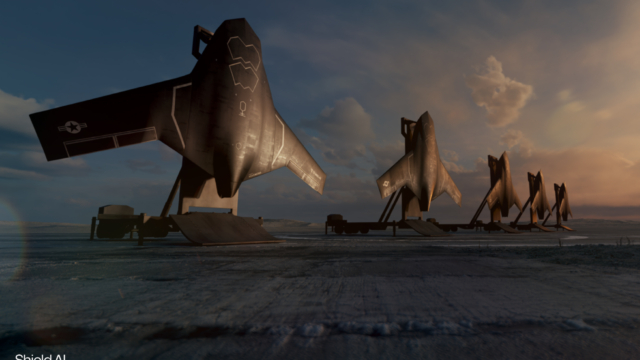
For the Royal Air Force, that means future combat aircraft will increasingly operate alongside autonomous collaborative combat aircraft rather than alone.
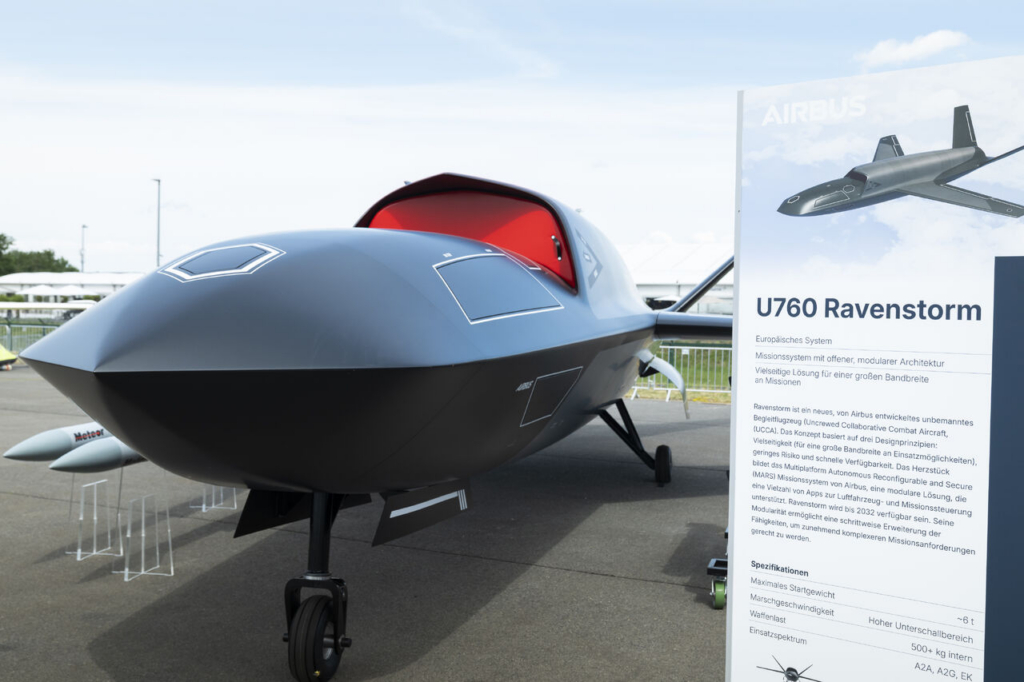
Officials have previously described GCAP as a “system of systems”, with the crewed fighter expected to work alongside uncrewed aircraft capable of reconnaissance, electronic warfare, decoy missions and precision strike.
The Defence Investment Plan reinforces that direction by separately funding collaborative combat air capabilities designed to operate as force multipliers for crewed platforms.
The plan also envisages more than £63 billion ($83.3 billion) over the next four years to strengthen the UK’s nuclear deterrent, including funding Dreadnought and SSN-AUKUS submarines, a new warhead, and other crucial nuclear work.
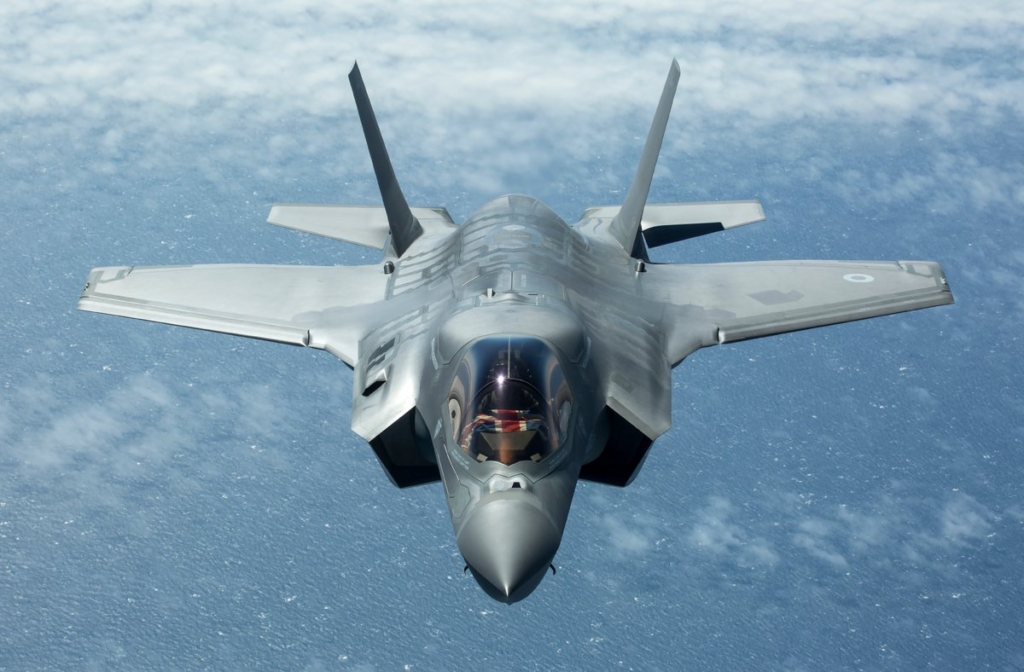
“Additionally, we will also purchase 12 F35As and join NATO’s nuclear mission,” the Prime Minister said.
Artificial intelligence is another major theme running through the investment programme
Nearly £2 billion ($2.6 billion) has been allocated to develop a new Digital Targeting Web, intended to connect sensors, commanders and weapons through AI-enabled software to accelerate decision-making and shorten the time between detecting and engaging targets.
A further £100 million ($132 million) has been earmarked for the Prime Minister’s Rapid AI Delivery Taskforce to accelerate the introduction of AI-enabled military capabilities into frontline service.
UK invests in counter-drone and integrated air defence
The plan also reflects lessons drawn from conflicts in Ukraine and the Middle East, where inexpensive drones have demonstrated the ability to threaten sophisticated military systems.
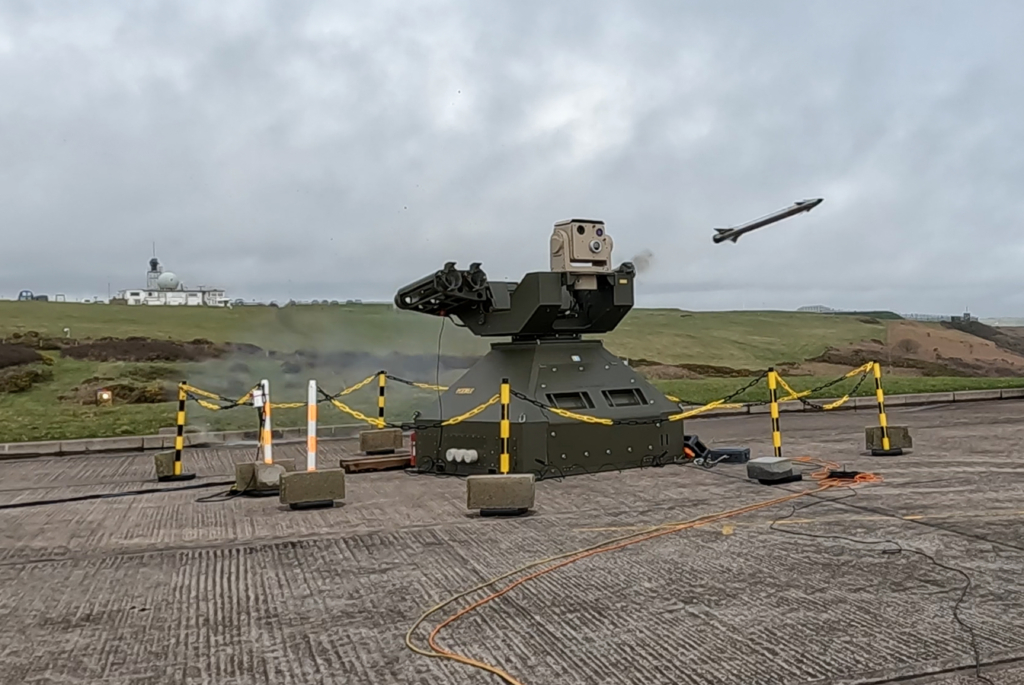
To strengthen homeland air defence, the government will invest £790 million ($1.04 billion) over the next four years in new radars, sensors and integrated command-and-control systems to counter air, missile and drone threats.
The funding also supports expanded counter-drone capabilities, upgrades to the Royal Navy’s Sea Viper air-defence system, investment in directed-energy weapons and the establishment of a new Integrated Air, Space and Missile Defence Operations Centre.
The wider Defence Investment Plan will increase annual defence spending from £54 billion ($71.4 billion) to almost £80 billion ($105.5 billion) by 2029, taking UK defence expenditure to 2.7% of GDP and supporting nearly 60,000 additional direct and indirect jobs across British industry by the end of the decade.
Chancellor Rachel Reeves said the investment reflected the government’s determination to strengthen national security while supporting British industry.
“The first duty of any government is to protect the British people.”
She added: “This Defence Investment Plan equips our Armed Forces to meet the scale of the challenges facing Britain now, and into the future.”
Chief of the Defence Staff Air Chief Marshal Sir Rich Knighton said: “This plan sets out how and where we will invest in defence over the coming years to deliver the Strategic Defence Review and build the integrated force the nation needs. It also reflects both the importance of national defence and the vital contribution our Armed Forces make every day to keeping the country safe.
“More money, spent more effectively, to keep the country safe.”
While the Defence Investment Plan also includes substantial funding for the UK’s nuclear deterrent, warships, munitions and defence exports, its combat air provisions underline Britain’s long-term commitment to retaining a sovereign fast-jet capability.
More significantly, they signal how the RAF expects to fight in the decades ahead, not with crewed fighters alone, but with sixth-generation aircraft operating alongside autonomous wingmen, AI-enabled targeting networks and increasingly sophisticated unmanned systems as part of an integrated combat force.
Featured image: Leonardo