Starship survived the flight. Now SpaceX has another problem: getting it home

6 min read
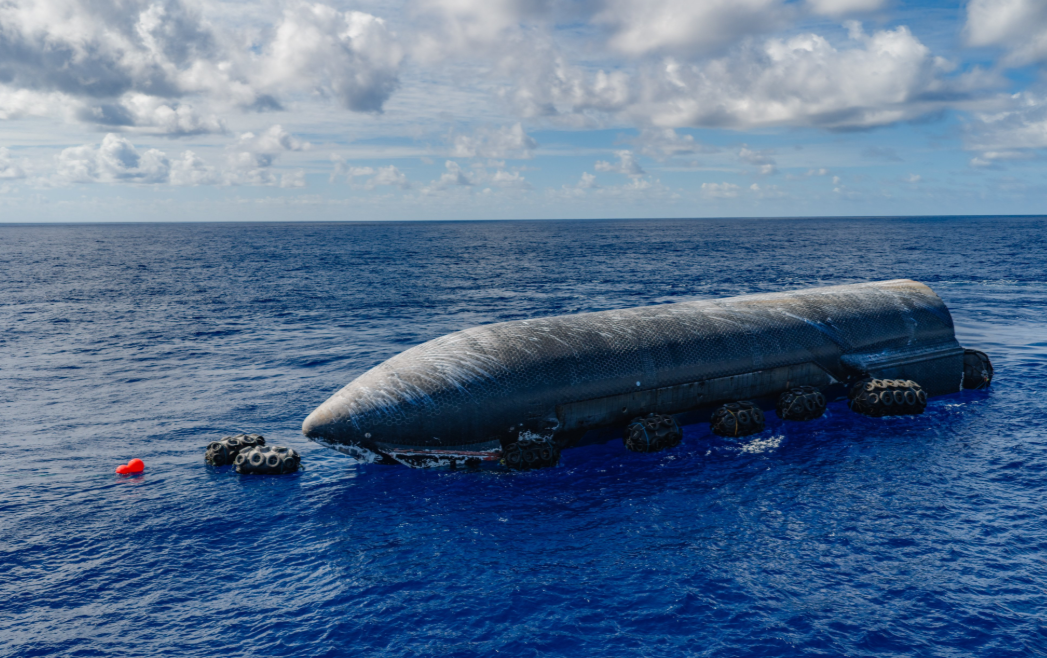
SpaceX got Starship back from space in one piece. Now it has to get the spacecraft out of the ocean.
The 52-metre Starship upper stage completed its planned return on July 24, made a controlled splashdown in the Indian Ocean and remained in one piece after hitting the water.
The company then began towing it towards Western Australia. But increasingly rough seas have made the recovery difficult, and Elon Musk said on August 7 that the effort was unlikely to succeed.
“Unfortunately, ship recovery is not looking good right now.”
Musk added that SpaceX had nevertheless obtained close-up photographs of critical areas of the heat shield and engines that could be used for future upgrades. That distinction matters.
The Super Heavy booster did not make it back under control. Starship did. The two vehicles had very different endings on the same flight.
What happened to the Super Heavy booster
Starship is a two-stage system.
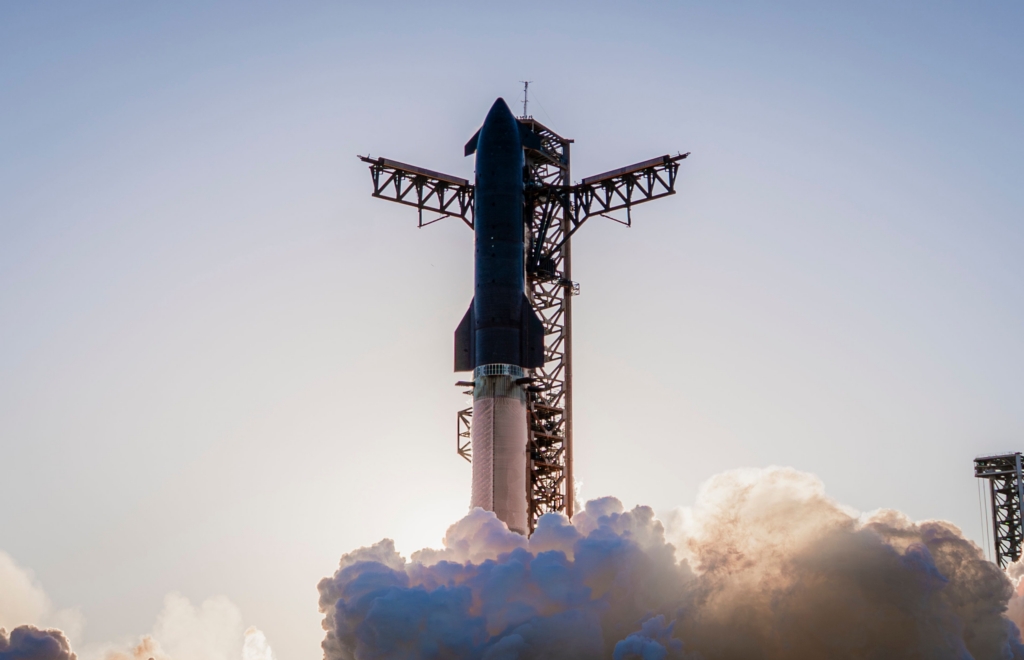
The lower stage is Super Heavy, the enormous booster that provides the thrust to leave the launch site. Above it sits Starship, also referred to as Ship, which continues the flight after separation.
On Flight 13, Super Heavy started strongly. All 33 of its Raptor 3 engines fired for liftoff. After about two minutes, the stages separated through a hot-staging manoeuvre, with Starship igniting its six engines and continuing towards space.
Super Heavy then turned around to begin its return.
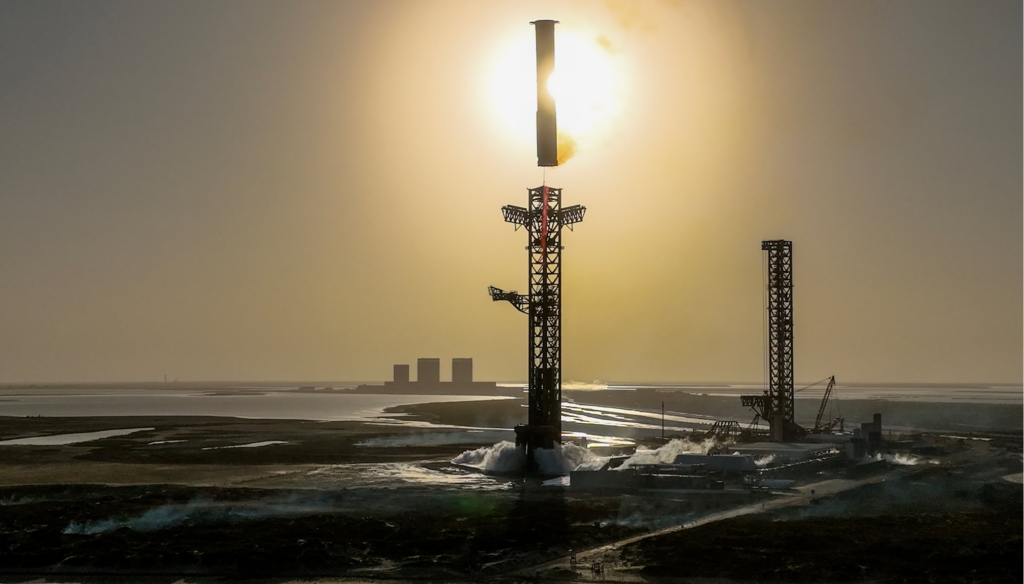
It completed the high-thrust part of its boostback burn using all 33 engines. SpaceX said this was the first time a Super Heavy V3 had achieved that. But the boostback burn ended early.
The booster then attempted to restart its engines for the landing burn. Only some of them successfully ignited.
It could not complete the controlled landing and instead made a hard splashdown in the Gulf of Mexico.
That is the first half of the Flight 13 story. The second half is Starship.
Starship had a very different flight
After separation, Starship completed its full-duration ascent burn using all six Raptor engines and reached its planned velocity and trajectory.
It then deployed 20 Starlink V3 satellites. SpaceX said it successfully communicated with all 20 using both radio-frequency and laser links and received telemetry from them. The vehicle also demonstrated an in-space relight of a single Raptor engine.
The spacecraft then began the part of the mission that is critical to SpaceX’s long-term plans: coming back through the atmosphere.
Starship’s heat shield had to withstand the extreme conditions of re-entry. The spacecraft collected data on the heat shield and then carried out a dynamic banking manoeuvre intended to reproduce the type of trajectory that future vehicles returning to Starbase will use.
Its four flaps guided it towards the planned splashdown area in the Indian Ocean.
All three engines required for the landing sequence relit. Starship performed its landing flip and landing burn, then made a soft splashdown. And this time, it stayed intact.
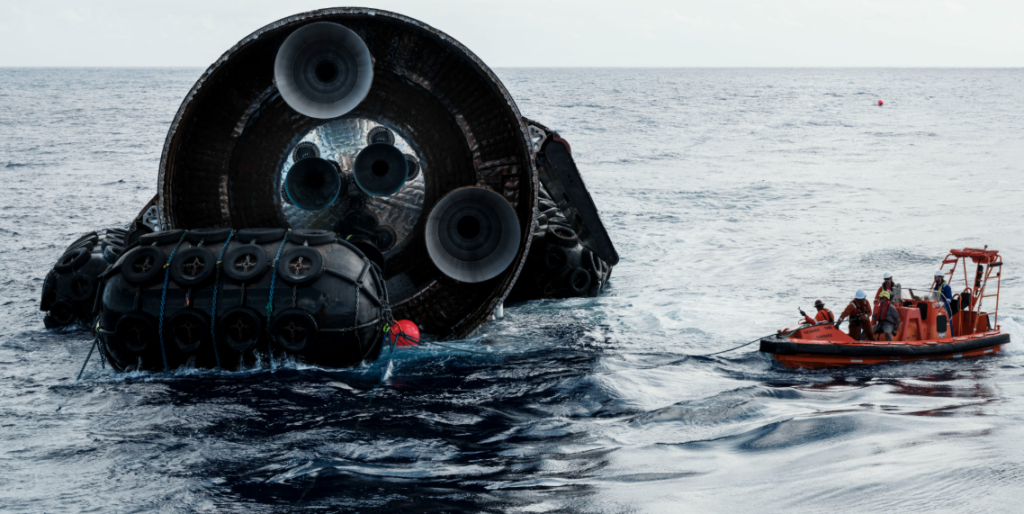
SpaceX said the vehicle came to rest in the Indian Ocean and provided its first critical views of an intact heat shield after a flight.
That is a much bigger result than the phrase “splashdown” might suggest.
Why the intact spacecraft is important
Starship is designed to be fully and rapidly reusable.
When stacked with Super Heavy, the vehicle is about 124 metres tall. SpaceX’s plan depends on both stages eventually being flown again rather than discarded after a single mission.
That makes the heat shield particularly important.
The spacecraft has to survive its return through Earth’s atmosphere before it can be used again. Musk has previously described heat-shield development as one of the biggest challenges facing Starship.
After Flight 13, his assessment changed.
During SpaceX’s first quarterly earnings call on August 4, Musk said: “I don’t want to jinx it or anything, but I think I’d consider the heat shield problem solved at this point.”
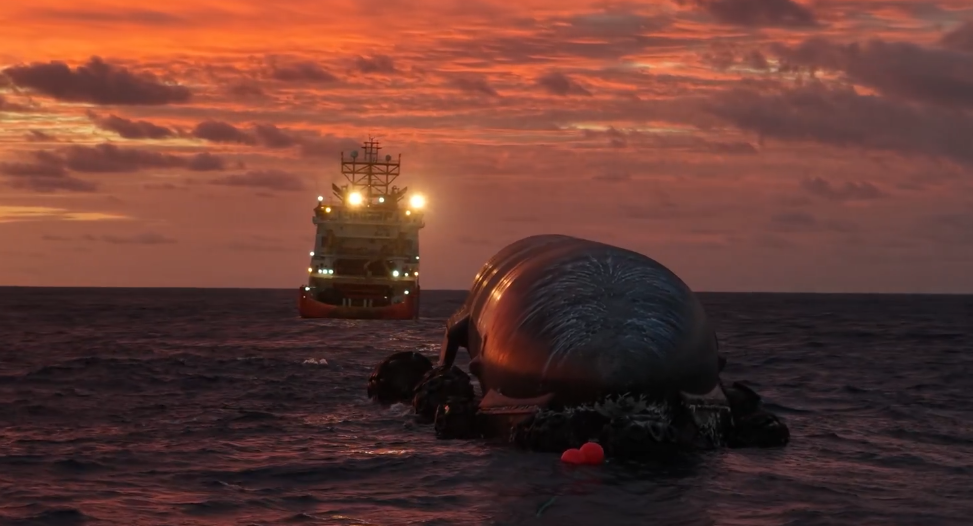
The intact spacecraft in the Indian Ocean gave SpaceX something it could inspect closely after a real atmospheric return. But it also created a new problem.
A 52-metre spacecraft is now sitting in the ocean
SpaceX’s recovery team is trying to move the intact Starship towards Western Australia.
That sounds straightforward until the scale of the vehicle and the conditions are considered.
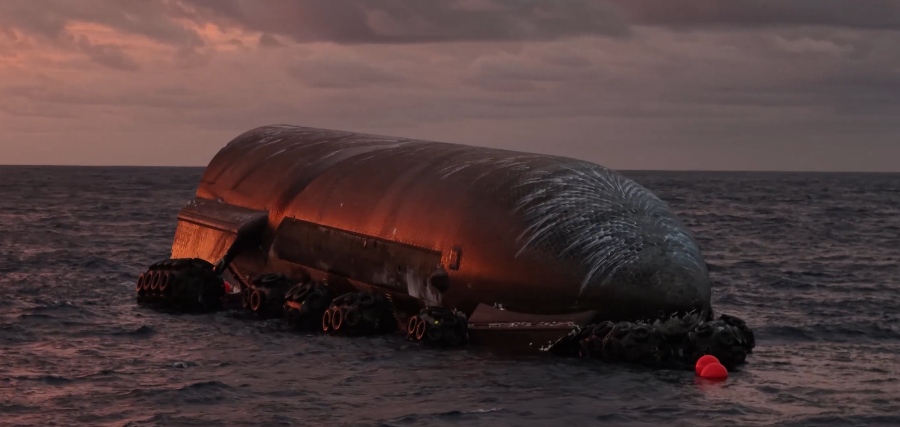
The spacecraft is about 52 metres long (about 170 feet). Starship is the biggest and most powerful rocket ever built, standing about 125 meters (about 410 feet) tall when stacked with both stages. It was designed to launch vertically, travel through space and return through the atmosphere. It was not designed to become a conventional vessel travelling through rough seas.
SpaceX said its recovery team has been dealing with increasingly difficult conditions and rough seas while trying to guide the spacecraft towards port.
The company therefore faces a very different engineering task from the one it completed during re-entry.
During the flight, Starship used its own engines and aerodynamic control surfaces to manage its return.
Once it is in the ocean, those systems are no longer doing the job of moving the vehicle towards a launch site. SpaceX now needs to physically recover the spacecraft.
And Musk’s latest assessment suggests that this attempt may not work.
The recovery may fail, but the test has already produced useful data
Even if the Starship cannot be brought to shore, SpaceX has obtained something it wanted from the flight.
Musk said the company was able to obtain close-up photographs of important heat-shield and engine areas. Those images can be used to inform future upgrades.
That is significant because Flight 13 was not simply a demonstration of whether Starship could fly.
It was a test of several separate capabilities.
Landing burn and splashdown of Starship on Flight 13 pic.twitter.com/I1BWnGKpPo
— SpaceX (@SpaceX) July 28, 2026
The Super Heavy booster successfully completed the high-thrust portion of the boostback burn with all 33 engines, the first time with a Super Heavy V3, before ending the burn early. It attempted to relight its engines for the landing burn with a subset successfully igniting before experiencing a hard splashdown in the Gulf.
Starship deployed the next-generation Starlink satellites, demonstrated an in-space engine relight, gathered heat-shield data and completed a controlled splashdown intact.
The results are therefore mixed, but they are specific. Super Heavy did not complete its recovery. Starship did. And now SpaceX has another question to answer.
The next step could remove the ocean from the equation
SpaceX ultimately wants to avoid this recovery problem altogether.
The company’s long-term objective is not to repeatedly splash Starship into the Indian Ocean and then send ships after it. The vehicle is intended to return to a launch site and be recovered for another flight. The Flight 13 recovery effort has shown why that matters.
If the spacecraft can be brought back to land under its own control, SpaceX would no longer need to tow a 52-metre vehicle through rough ocean conditions after every mission.
Musk has said SpaceX may attempt to catch Starship at the launch tower on the next flight, subject to regulatory approval.
That would make the next test particularly interesting.