


What we know about Russia’s mysterious MiG-41 sixth-generation fighter so far

6 min read
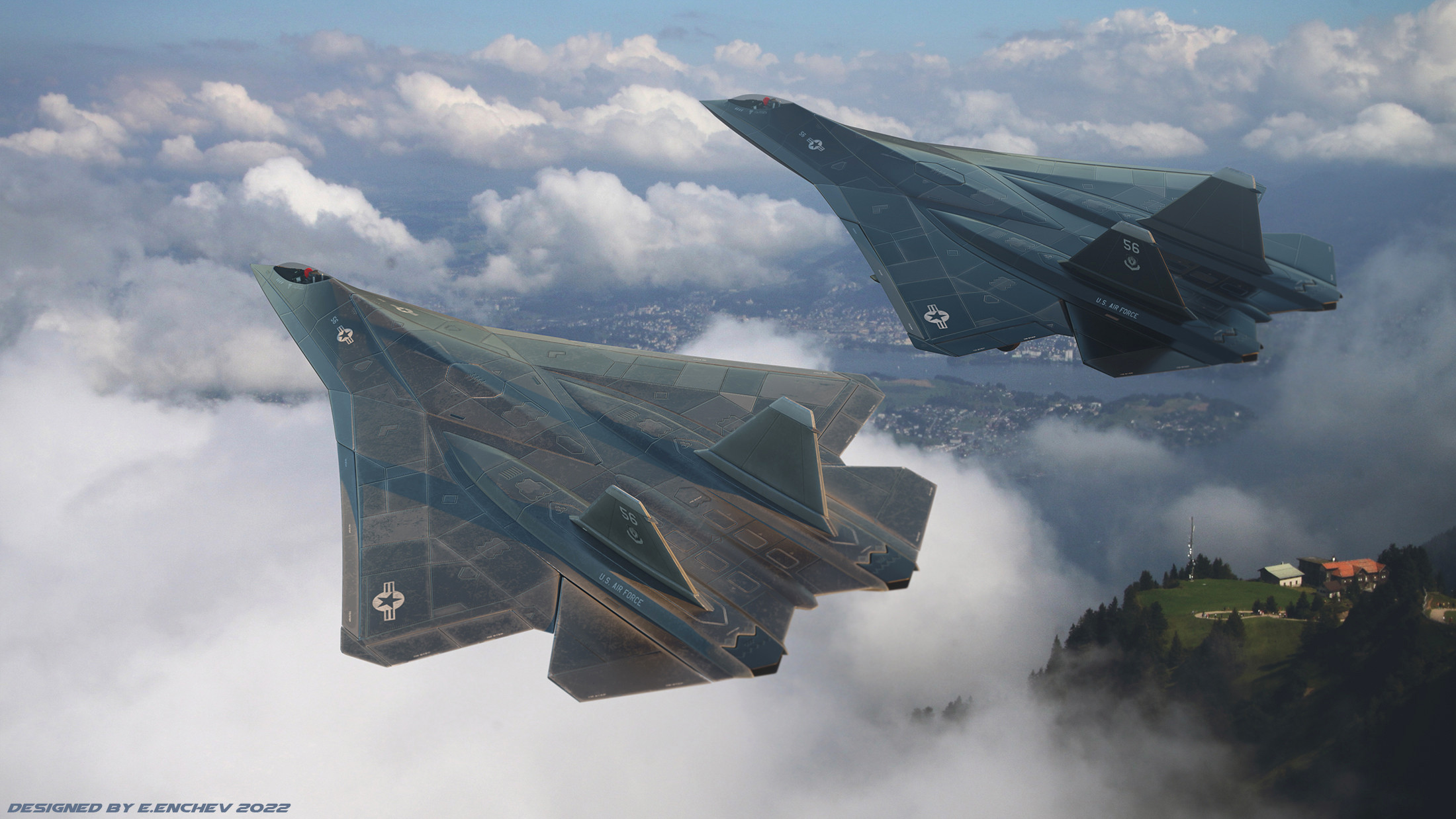
Russian state media has once again revived discussion around the long-rumoured MiG-41 or PAK-DP sixth-generation fighter programme, even as questions continue to surround whether Russia can realistically field such an aircraft.
The renewed attention comes as the United States, China and the UK-led Global Combat Air Programme (GCAP) continue advancing their own next-generation combat aircraft efforts.
While official Russian reporting on the MiG-41 has been largely quiet since around 2023, recent comments from Russian military figures and state-linked media have again suggested the programme remains alive.
Russia revives discussion around the MiG-41
The latest claims emerged in Russian television commentary and reporting, as highlighted by Ukrainian outlet Defense Express.
The publication noted that Russian commentators had once again begun discussing the MiG-41 interceptor project, also known as PAK-DP, which was originally conceived as a replacement for Russia’s ageing MiG-31 interceptor fleet.

The renewed discussion appears to stem largely from comments made by retired Major General Vladimir Popov, a former Russian military aviator who now frequently appears as a television commentator.
However, Popov no longer holds an operational military role, making it unclear how much direct knowledge he would have regarding any active development work.
What we know about the MiG-41 so far
Russia first launched the PAK-DP programme in 2013 as a prospective replacement for the MiG-31 Foxhound interceptor fleet. The designation stands for “Prospective Air Complex for Long-Range Interception”, while the aircraft is more commonly referred to unofficially as the MiG-41.
Since then, Russian officials, state media and defence commentators have periodically attached increasingly ambitious claims to the project, although very little verifiable technical information has ever emerged publicly.

The aircraft is generally described as a long-range high-speed interceptor intended to defend Russia’s vast airspace and engage targets including strategic bombers, hypersonic weapons, satellites and stealth aircraft.
At various points, Russian sources have claimed the MiG-41 could achieve speeds exceeding Mach 4, making it substantially faster than existing combat aircraft. Reported operating altitudes have varied wildly, with some claims suggesting ceilings as high as 50,000 metres (164,000 feet), while others cite figures closer to 12,500 metres (41,000 feet).
Similarly, estimates of the aircraft’s range have fluctuated significantly depending on the source, with figures ranging from around 5,000 kilometres to as much as 11,000 kilometres.
Russian reporting has also suggested the aircraft could incorporate artificial intelligence systems, advanced stealth shaping, anti-satellite capabilities and even directed-energy weapons.
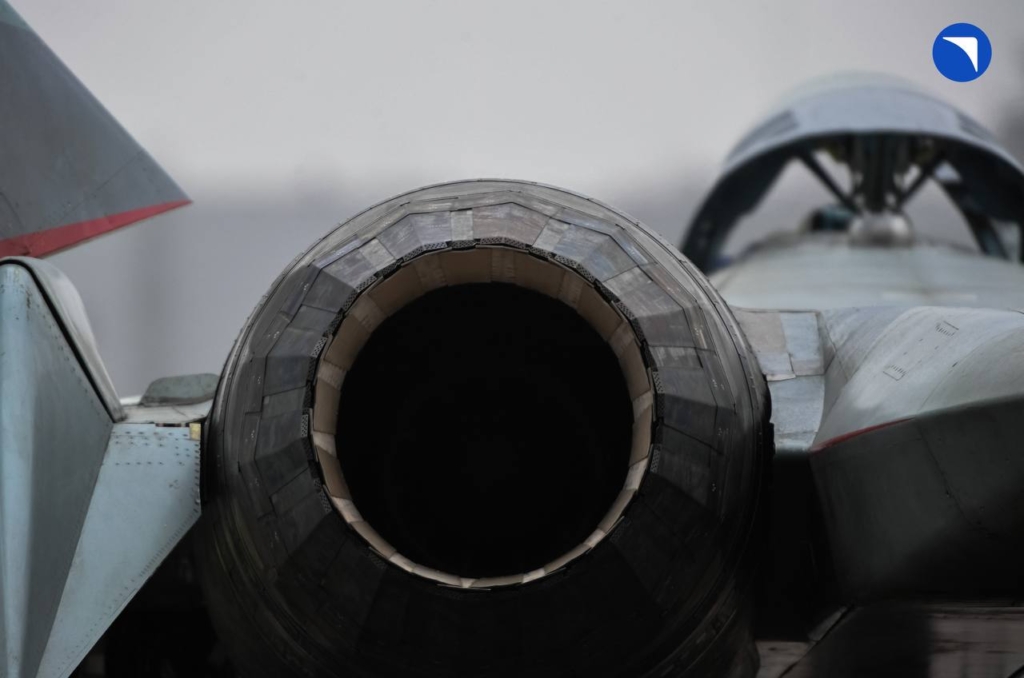
The MiG-41 is widely expected to use the AL-51F1 or “Izdeliye 30” engine currently being developed for later-production Su-57 fighters.
However, those engines themselves remain only in limited testing on prototype Su-57 aircraft and have yet to enter widespread operational service.
In 2017, Russia Today reported MiG CEO Ilya Tarasenko claiming development work would begin in 2018, with production potentially starting in the mid-2020s. Those timelines have clearly slipped significantly.
While Russia continues to periodically reference the aircraft publicly, many defence observers remain sceptical that the country currently possesses the industrial capacity, funding or technological base required to deliver such an ambitious sixth-generation platform within the foreseeable future.
Keeping up with the Joneses
Maintaining a visible next-generation fighter programme has become increasingly important to Russia’s position as a major aerospace and military power.
The renewed MiG-41 discussion comes at a time when several sixth-generation programmes elsewhere are becoming more tangible.
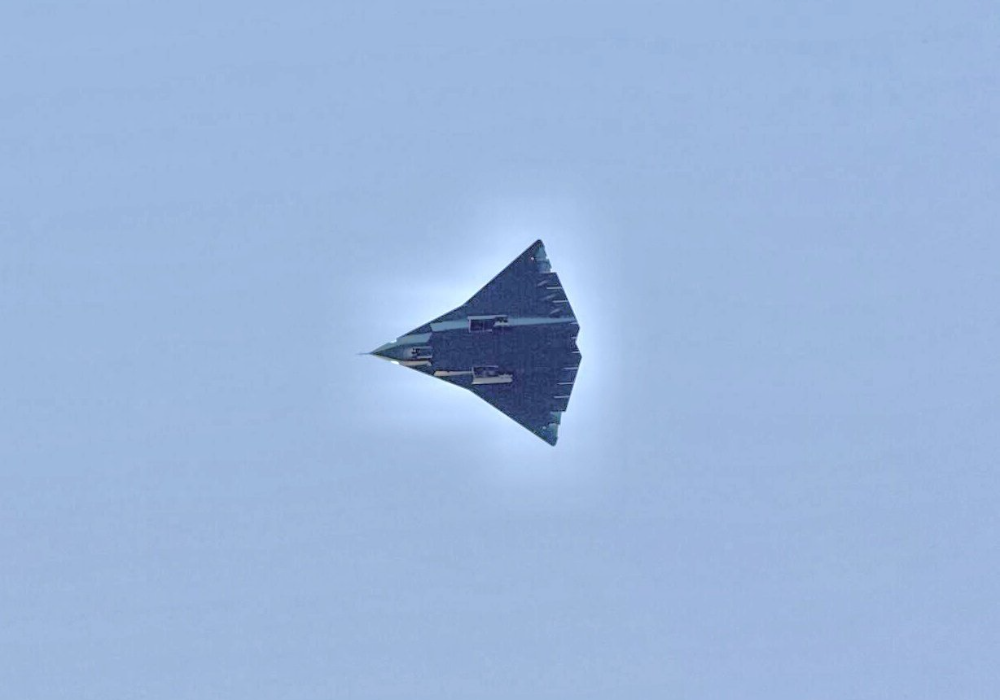
The US is now working to have a representative example of its F-47 6th-generation fighter jet flying in 2028, while China has a next-generation tailless demonstrator publicly flying.
The UK-led 6th-generation GCAP/Tempest fighter jet demonstrator is under construction and is slated to enter service in 2035.
Even France and Germany, despite ongoing tensions surrounding the FCAS programme, continue pursuing future combat air system development.

Against that backdrop, Russia risks appearing absent from the next-generation combat aircraft race altogether if the MiG-41 disappears completely from public discussion.
Russia has frequently used ambitious strategic programmes to project technological and military relevance internationally, even when actual deployment timelines remain uncertain.
What sixth-generation fighters are actually designed to do
One notable feature of many Russian MiG-41 discussions is the continued emphasis on speed, altitude and extreme aerodynamic performance.
However, Western sixth-generation fighter concepts increasingly focus less on traditional fighter performance and more on networking, sensors, stealth and battle-management capabilities.
While there is no universally accepted definition of a sixth-generation fighter, most current programmes revolve around highly networked combat aircraft designed to operate as airborne command-and-control nodes within larger systems of crewed and uncrewed platforms.

Aircraft such as the US Air Force’s future F-47 are increasingly viewed as stealthy sensor and data platforms as much as conventional fighters.
Russia has referenced stealth, AI and advanced sensors in relation to the MiG-41, but public discussion around the programme still often centres on raw speed and interception performance.
Analysts have repeatedly noted that building a genuinely low-observable combat aircraft is far more difficult than producing a stealth-shaped airframe.
Justin Bronk of the Royal United Services Institute (RUSI) previously observed that while many countries can build something that resembles a stealth fighter externally, producing and sustaining a genuinely effective low-observable aircraft is vastly more demanding technologically and financially.
Even if Russia were eventually able to field a new interceptor platform, many questions would remain over whether it could match the broader systems integration, sensor fusion and networking capabilities expected from Western sixth-generation aircraft.
Russia’s aerospace industry faces mounting pressure
The biggest challenge facing the MiG-41 may ultimately be less about engineering ambition and more about industrial reality.
Russia’s aerospace sector continues to face major financial, technological and supply-chain pressures, particularly following Western sanctions and the demands of the war in Ukraine.
The country has increasingly prioritised mature and immediately useful combat aircraft such as the Su-30, Su-34 and Su-35 rather than more technologically ambitious programmes.
Scepticism has also been reinforced by the limited progress of other high-profile Russian combat aircraft programmes.
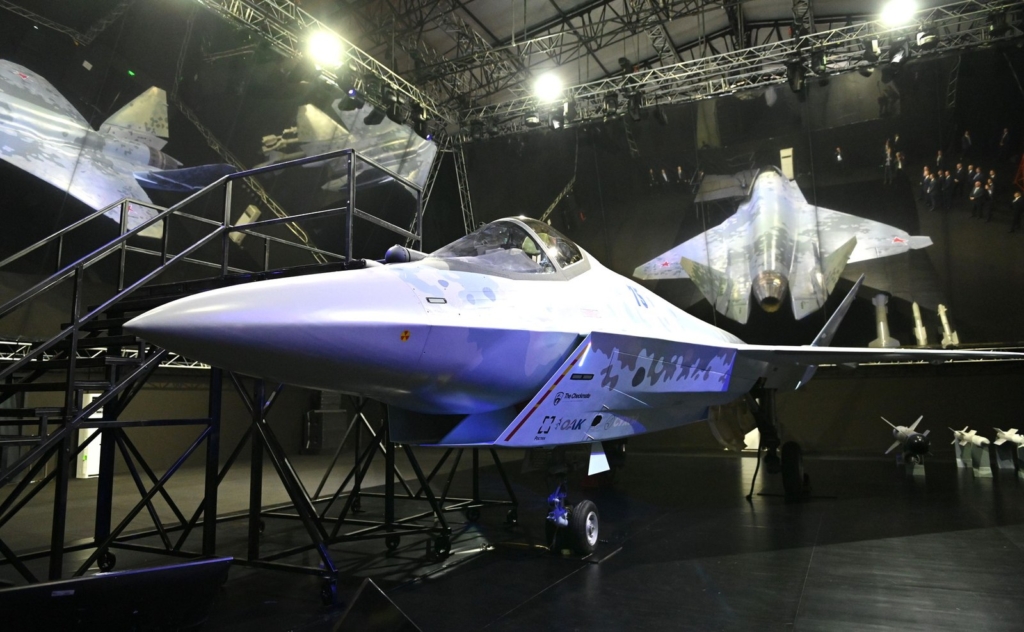
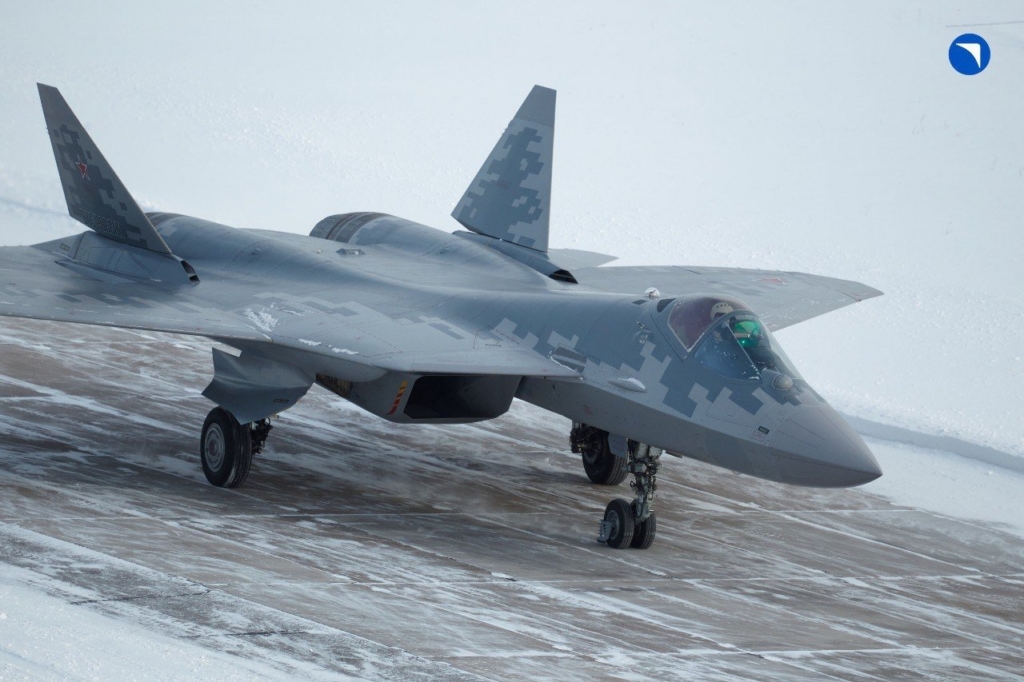
The Su-75 Checkmate, unveiled in 2021 as a low-cost single-engine stealth fighter intended to compete internationally with aircraft such as the F-35, has so far shown little visible progress beyond mock-ups and promotional campaigns.
The programme has yet to secure major export customers or demonstrate substantial development momentum, raising wider questions about Russia’s ability to fund and sustain multiple next-generation fighter projects simultaneously.
At the same time, Russia’s civil aviation sector continues facing major delays across multiple aircraft programmes.
Moscow previously announced plans to deliver more than 1,000 domestically produced commercial aircraft by 2030 following the collapse of Western aerospace cooperation.
Yet as of 2026, serial production of aircraft, including the MC-21 and import-substituted Superjet variants, continues slipping further behind schedule.
Russia is also reportedly considering returning large numbers of Soviet-era Antonov An-2 biplanes to service as delays continue affecting replacement regional aircraft programmes.
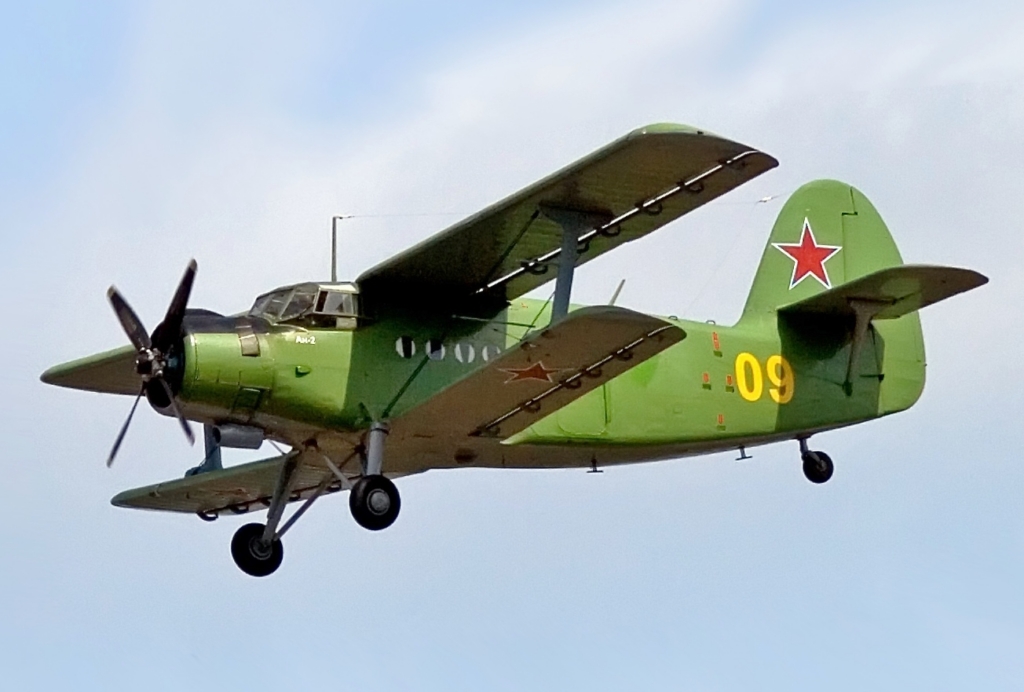
The contrast highlights the wider industrial pressures facing the country’s aerospace sector.
For now, the MiG-41 appears to remain more a long-running concept than an operational programme nearing reality.
Featured Image: IDRW
Sign up for our newsletter and get our latest content in your inbox.


More from

September 26, 20263 min read


September 25, 20264 min read


September 25, 20264 min read

September 24, 20262 min read


