Argentine Air Force retires last A-4AR Fighting Hawks with F-16 arrival

4 min read
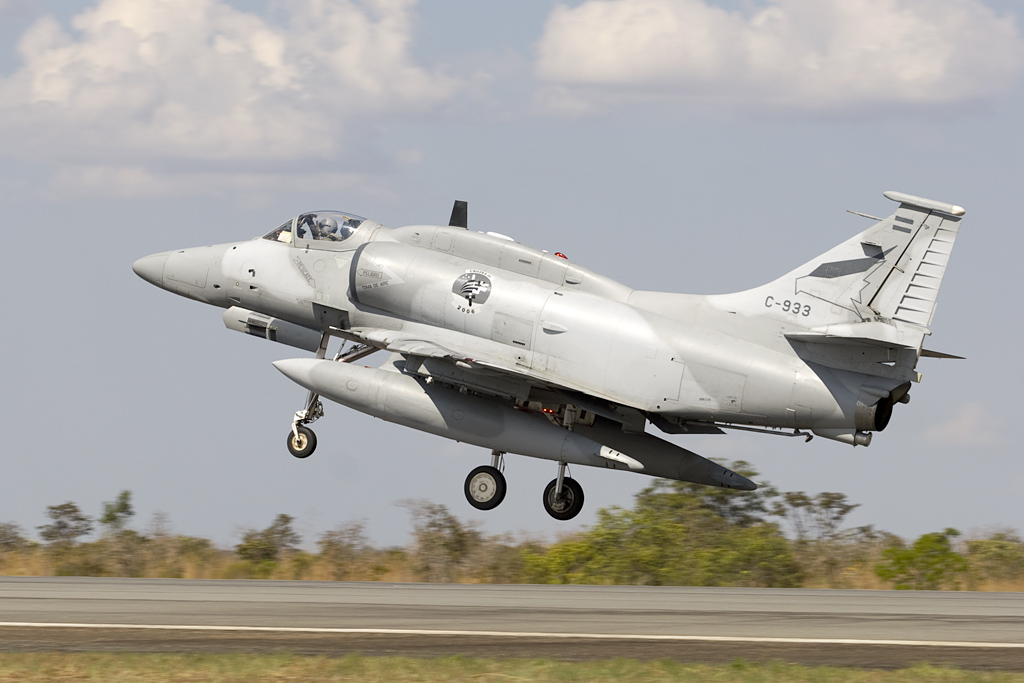
Yesterday, the Argentine Air Force (Fuerza Aérea Argentina) announced that it has officially retired its A-4AR Fighting Hawk. The retirement comes as the country’s fleet of 24 ex-Danish F-16 Fighting Falcons enters service.
Argentina finally retires A-4AR Fightinghawks
According to the open-source South American military aviation account, SA Defensa, Argentina originally purchased the F-16s to replace its aging Mirage fighter jet. Recently, the Chief of the General Staff of the Argentine Air Force said they would also replace the A-4ARs.
📍#Argentina (🇦🇷)
— SA Defensa (@SA_Defensa) May 14, 2026
The @FuerzaAerea_Arg has announced today they have officially retired the A-4AR Fightinghawk.
Argentina was one of the last Air Force operators of the type, now leaving only the @marmilbr (🇧🇷) as the final operator. https://t.co/uWAmOZ1vis pic.twitter.com/8XZEpnTrUl
The A-4AR Fightinghawks are a major upgrade of the McDonnell Douglas A-4M Skyhawks that served in the Falklands War. They were developed for the Argentine Air Force, with the first examples entering service in 1988. The original Douglas A-4 Skyhawk was a light attack aircraft that first flew in 1954.
Zona Militar reported the news broke after the Argentine Air Force Chief of the General Staff, Brigadier General Gustavo Javier Valverde, “personally informed the members and personnel of the V Air Brigade, the last home of the weapons system and the ‘Cradle of Hawks.'”
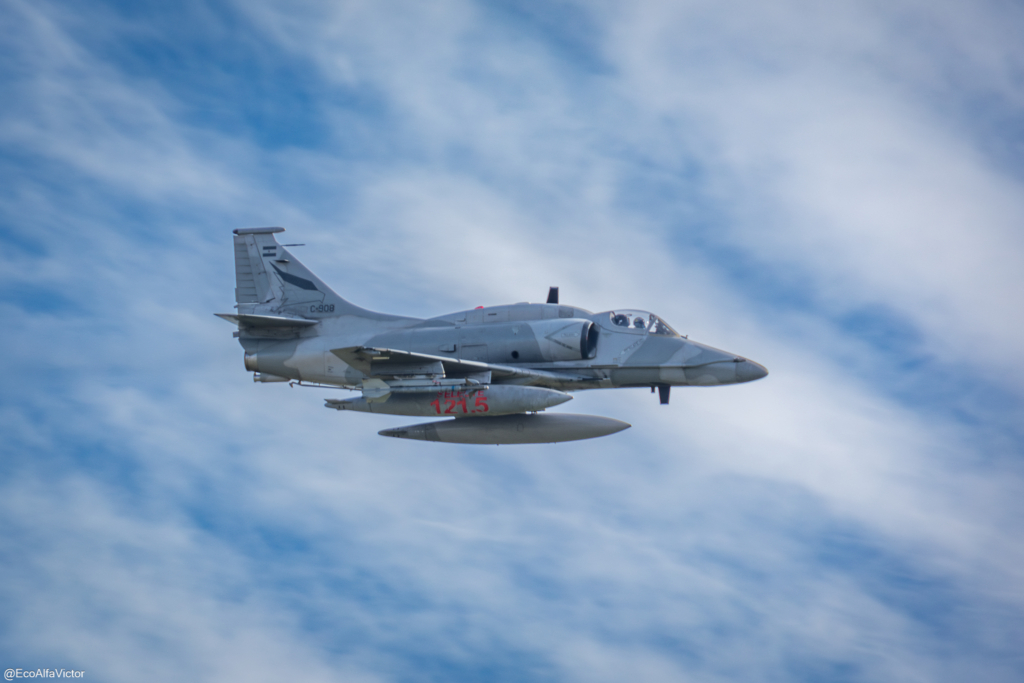
He personally communicated the definitive decommissioning of the combat aircraft to V Air Brigade personnel. It is unclear when, or if, there will be a ceremony to commemorate the aircraft’s final retirement.
The publication points out that the has not been any recorded flights by the V Air Brigade for almost two years since an A-4AR crash in July 2024.
Get the latest aerospace defence news here on AGN.
Argentine transition to F-16s
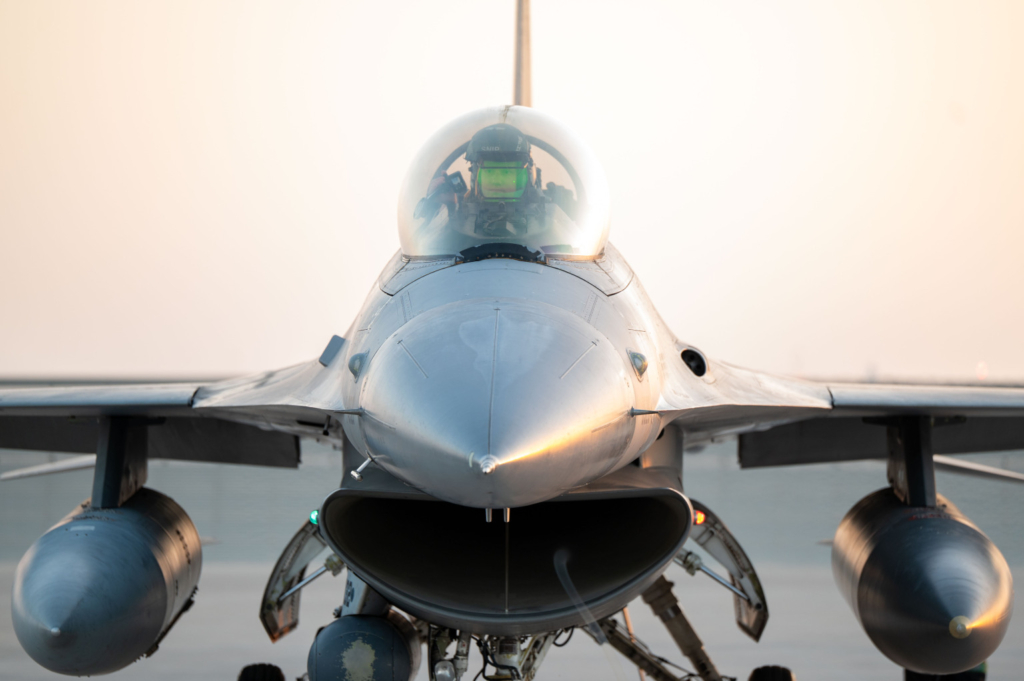
Introducing 24 older F-16s will restore a basic level of fighter jet capability to the Argentine Air Force. Six have so far been delivered, with 18 more expected to be delivered.
📍#Argentina / #UnitedStates (🇦🇷/🇺🇸)
— SA Defensa (@SA_Defensa) December 4, 2025
In a recent interview with @PucaraD, Chief of the General Staff of the @FuerzaAerea_Arg, Brig. Gen. Gustavo Valverde, confirmed a Letters of Acceptance (LOA) for the KC-135.
They will be transferred "when they become available." pic.twitter.com/tQualdVRw7
AGN previously reported that the United States Air Force provided its KC-135 tanker aircraft to help form a bridge to ferry the F-16s from Europe to Argentina.
This helped highlight a refueling gap in Argentine capabilities. Reports emerged that Argentina is seeking to purchase two ex-USAF KC-135 tankers.
The July 2024 crash ended Argentina’s efforts to extend the service lives of the aircraft and restore up to a full squadron. Budget cuts and prioritization of the F-16s saw the effort canceled.
Los F-16 comenzaron su actividad de vuelo en el Área Material Río IV, operando en sectores autorizados.
— FuerzaAéreaArgentina (@FuerzaAerea_Arg) March 30, 2026
Nuestros pilotos continúan su familiarización con el sistema de armas.
Esto reafirma nuestro compromiso con la defensa aeroespacial integral. pic.twitter.com/lExbKUIwS1
The force also operates IA-63 Pampa advanced jet trainers built by Argentina’s Fabrica Argentina de Aviones in partnership with Germany’s former Dornier.
The long shadows over the Argentine Air Force
The Argentine Air Force continues to live under the dual long shadows of the Dirty War (1976-1983) and the Falklands War (1982).
The United Kingdom continues to place an arms embargo on Argentina due to the Falklands War and its continuing claims to the Falkland Islands. For decades, Britain vetoed Argentine purchases of aircraft like the Korean KAI FA-50 light fighter, the Saab Gripen, and others through export licensing.
The British embargo was unable to stop France from shipping Dassault-Breguet Super Étendards to Argentina. However, Britain refused to supply the gas cylinders needed for the ejection system. Those aircraft were delivered, but never entered service.
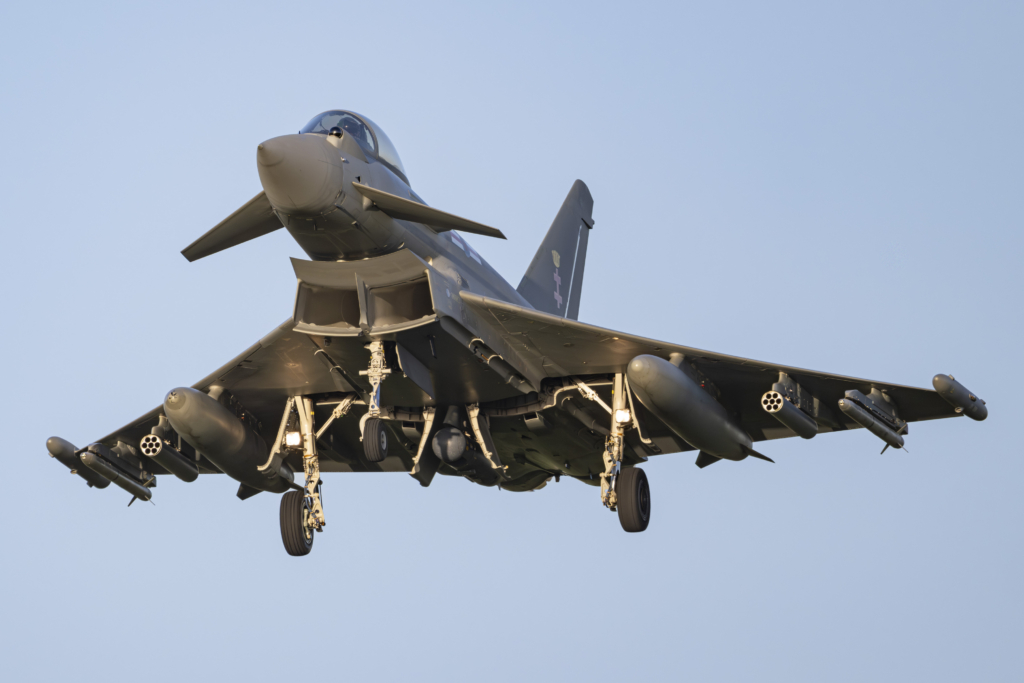
A breakthrough finally came when the US mediated Argentina’s purchase of ex-Danish F-16s, and Britain dropped its objections. These jets are considered outclassed by Britain’s Eurofighters and F-35Bs.
The other long shadow is that of deep distrust in the Argentine miltiary by both Argentine society and the civilian government. The years of repression and “Dirty War” by the Argentine military junta that left up to 30,000 dead or disappeared remain fresh in memories.
Financing a strong air force has not been a civilian government priority for decades, while recurring economic crises have only exacerbated the issue.
Featured Image: Wikimedia Commons