UK criticised for sending F-35s to the Middle East without enough spare parts

4 min read
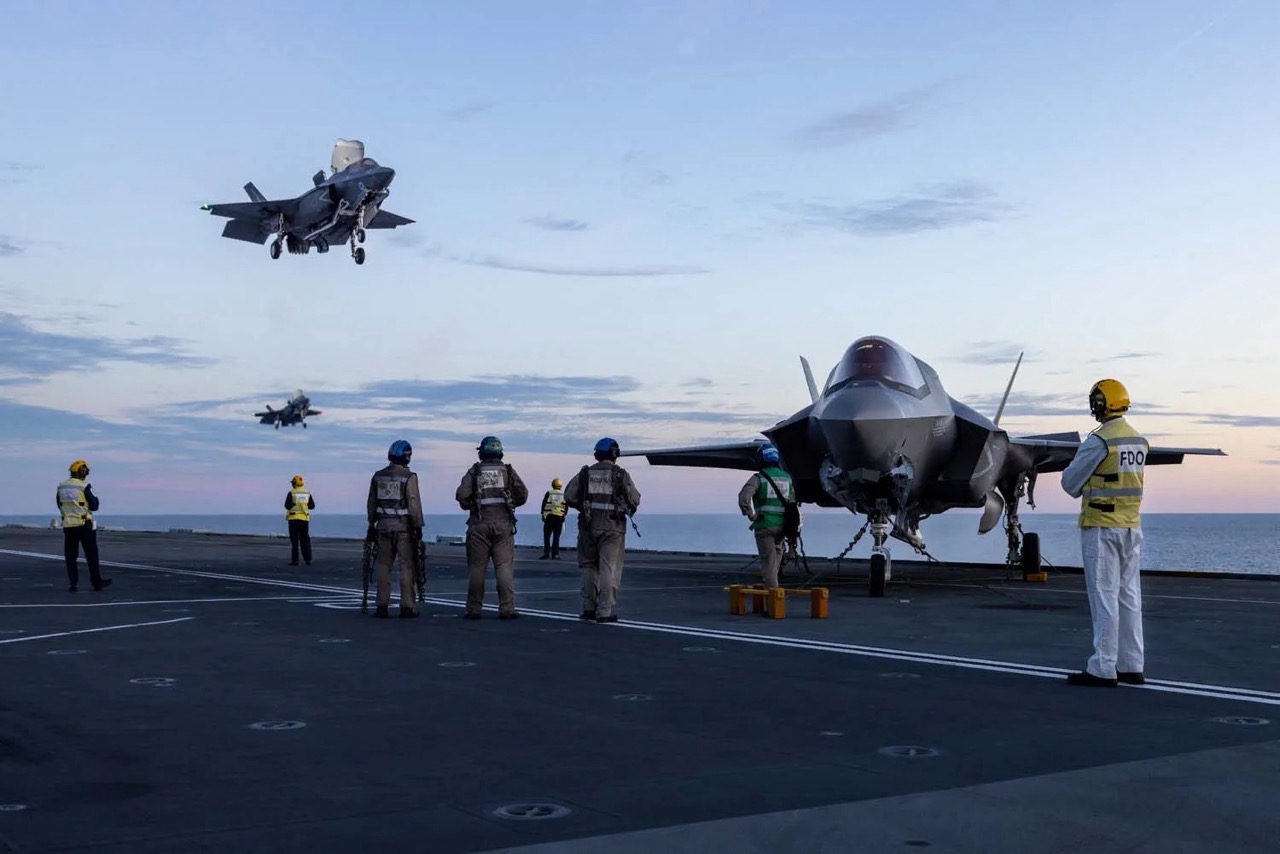
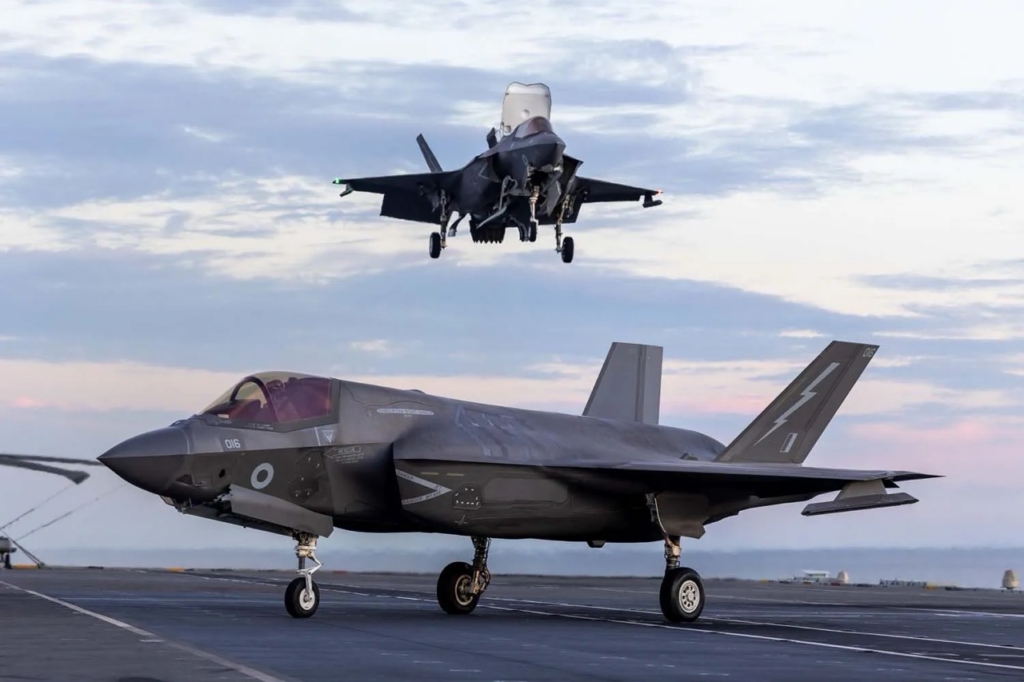
The UK Ministry of Defence is facing criticism after Parliament’s Public Accounts Committee (PAC) revealed that Britain deployed a carrier strike group to the Middle East without sufficient spare parts to support its embarked fleet of Lockheed Martin F-35 Lightning II stealth fighters.
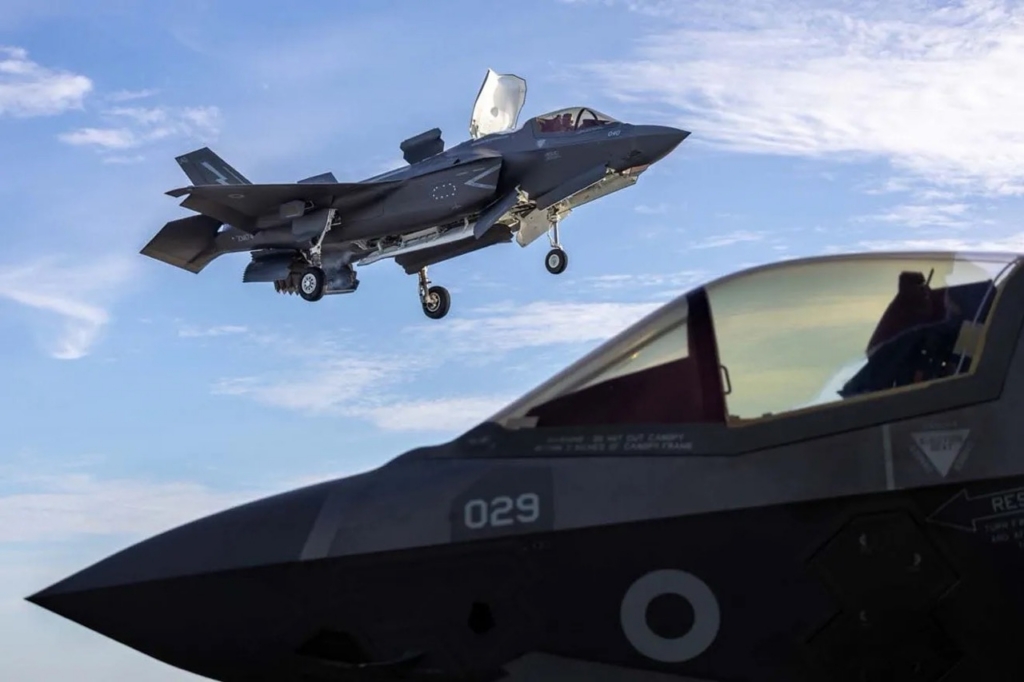
The criticism follows newly published correspondence between the PAC and the MoD’s Permanent Secretary, Jeremy Pocklington, concerning ongoing concerns over the UK’s F-35 programme.
According to the committee, the UK deployed 24 F-35Bs aboard the Royal Navy aircraft carrier HMS Prince of Wales during operations in the Middle East despite having afloat spares packs sized for only half that number of aircraft.
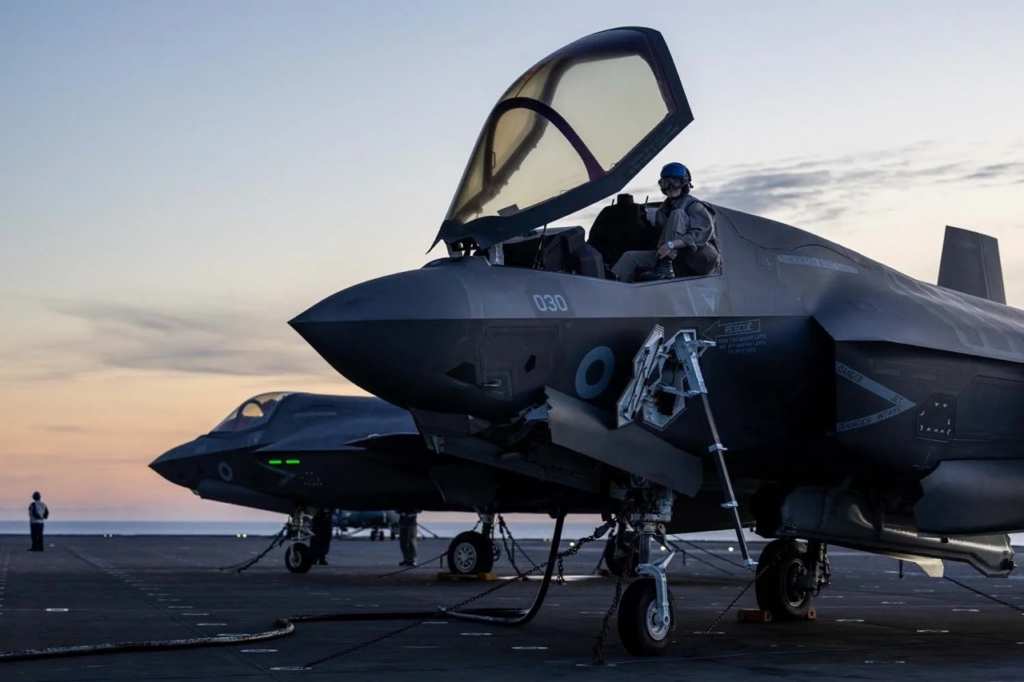
PAC Chair Sir Geoffrey Clifton-Brown sharply criticised the logistics planning behind the deployment.
“At the heart of any military planning is sound logistics. The UK sent an aircraft carrier with 24 F35 fighter jets on it to the Middle East – with not enough spare parts to support them,” he said. “Twelve aircraft spare parts packs were sent to service twenty-four aircraft, and it is no surprise that, as a result, spares had to be shipped out from RAF Marham to make up the difference.
“In an increasingly dangerous world, our military and the country need more than this half-baked approach from the MoD,” Clifton-Brown continued. “Our brave fighting men and women, before being sent into potential harm’s way, must have absolute certainty that they are well-supported in their equipment, with clear and reliable supply lines. But this correspondence shows an entirely unacceptable incompetence that flies in the face of any kind of sensible planning from the Ministry of Defence.”
UK MoD admits F-35 deployment exposed spare parts shortfalls
The criticism stems from correspondence Pocklington sent in response to PAC recommendations following the committee’s earlier inquiry into the UK’s F-35 capability.
The Permanent Secretary acknowledged that lessons from the recent Carrier Strike Group deployment had informed the department’s understanding of sustainment requirements.
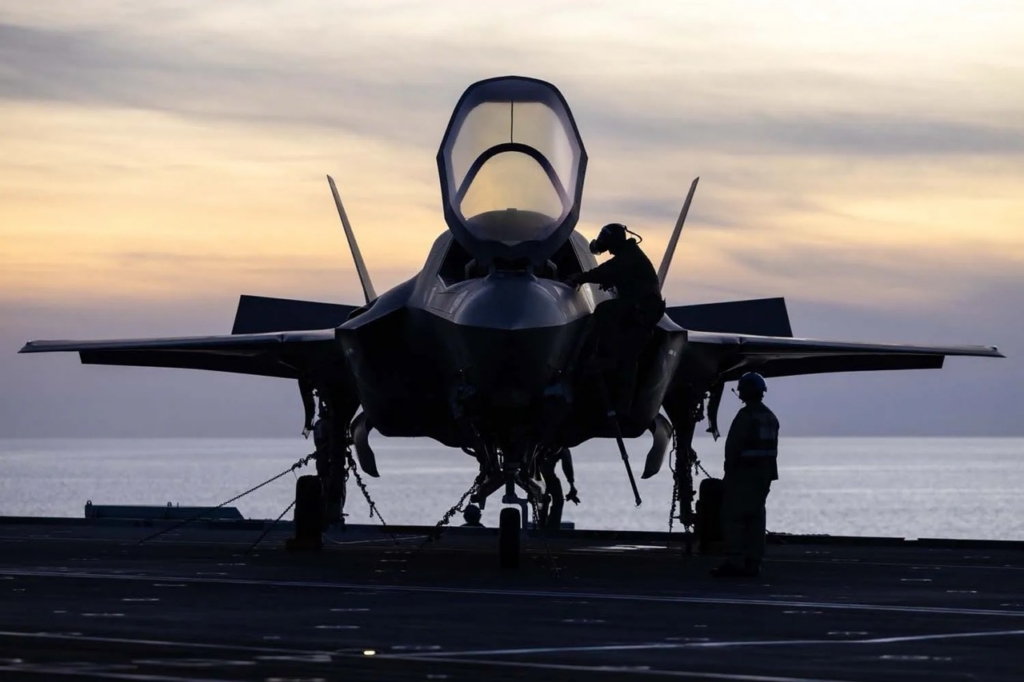
The PAC has warned that the UK’s F-35 fleet suffers from low availability, support shortfalls, infrastructure delays, and capability gaps despite the aircraft itself being regarded as highly capable.
The UK operates the short takeoff and vertical landing F-35B variant jointly between the Royal Air Force and Royal Navy. The jets form the core of Britain’s carrier strike capability aboard the Queen Elizabeth-class carriers. Britain has so far received 38 aircraft, with one lost in an operational accident.
UK F-35 corrosion problems deepen sustainment concerns
The latest criticism also comes amid growing scrutiny of corrosion problems affecting British F-35Bs operating in maritime environments.
Earlier reporting revealed that Royal Navy F-35Bs had been sent to Florida for intensive depot-level corrosion inspections and repairs under the US Navy’s Production Asset Inspection Requirement Tier II (PAIR II) programme.
![A Royal Navy (RN) F-35 Lightning II pilot debarks the aircraft after arriving at Fleet Readiness Center Southeast (FRCSE). The fifth-generation fighter is one of three aircraft from the RN that will undergo a Production Asset Inspection Requirement Tier II (PAIR II) corrosion-mitigation inspection at FRCSE. (U.S. Navy photo by Toiete Jackson) IMAGE INFO Date Taken: 12.03.2025 Date Posted: 12.22.2025 10:55 Photo ID: 9457044 VIRIN: 251203-N-DG679-4076 Resolution: 3825x2550 Size: 1.07 MB Location: JACKSONVILLE, FLORIDA, US Web Views: 164 Downloads: 41 PUBLIC DOMAIN This work, First Royal Navy F-35 Aircraft Arrive at Fleet Readiness Center Southeast for Corrosion Mitigation [Image 3 of 3], by Toiete Jackson, identified by DVIDS, must comply with the restrictions shown on https://www.dvidshub.net/about/copyright.](https://aerospaceglobalnews.com/wp-content/uploads/2026/05/1000w_q95.jpg-4-Large.jpeg)
The process involves detailed structural inspections, corrosion mapping, and repairs to prevent long-term degradation of the aircraft. The inspections are particularly important for carrier-operated aircraft exposed to saltwater and harsh maritime conditions.
![A Royal Navy (RN) F-35 Lightning II pilot debarks the aircraft after arriving at Fleet Readiness Center Southeast (FRCSE). The fifth-generation fighter is one of three aircraft from the RN that will undergo a Production Asset Inspection Requirement Tier II (PAIR II) corrosion-mitigation inspection at FRCSE. (U.S. Navy photo by Toiete Jackson) IMAGE INFO Date Taken: 12.03.2025 Date Posted: 12.22.2025 10:55 Photo ID: 9457044 VIRIN: 251203-N-DG679-4076 Resolution: 3825x2550 Size: 1.07 MB Location: JACKSONVILLE, FLORIDA, US Web Views: 164 Downloads: 41 PUBLIC DOMAIN This work, First Royal Navy F-35 Aircraft Arrive at Fleet Readiness Center Southeast for Corrosion Mitigation [Image 3 of 3], by Toiete Jackson, identified by DVIDS, must comply with the restrictions shown on https://www.dvidshub.net/about/copyright.](https://aerospaceglobalnews.com/wp-content/uploads/2026/05/1000w_q95-Large.jpg)
Unlike older naval aircraft, corrosion management on stealth fighters is significantly more complicated because the aircraft’s radar-absorbent coatings and stealth structures require specialised repair techniques.
The UK does not currently have a domestic facility capable of conducting the most intensive PAIR II inspections. Instead, the UK must send aircraft to the US Navy’s Fleet Readiness Centre Southeast in Jacksonville, Florida.
PAC warns of “complacent short-termism” in UK F-35 programme
The PAC has previously accused the MoD of “complacent short-termism” in managing the F-35 programme, warning that delayed investment decisions could increase long-term costs and reduce operational readiness.
Concerns have included shortages of engineers and maintainers, infrastructure delays at RAF Marham, and gaps in planned weapons integration.
Last October, Sir Geoffrey Clifton-Brown MP, Chair of the Public Accounts Committee, said: “The F-35 is the best fighter jet this nation has ever possessed. If it is to be wielded in the manner in which it deserves, the MoD must root out the short-termism, complacency, and miscalculation in the programme identified in our report.”
The issue of spare-part shortages raises fresh questions about whether the UK can sustain high-tempo F-35 carrier air operations amid geopolitical tensions driving military deployments to the Middle East and the Indo-Pacific.
Featured Image: UK Ministry of Defence
Sign up for our newsletter and get our latest content in your inbox.


More from


October 17, 20265 min read


October 17, 20264 min read