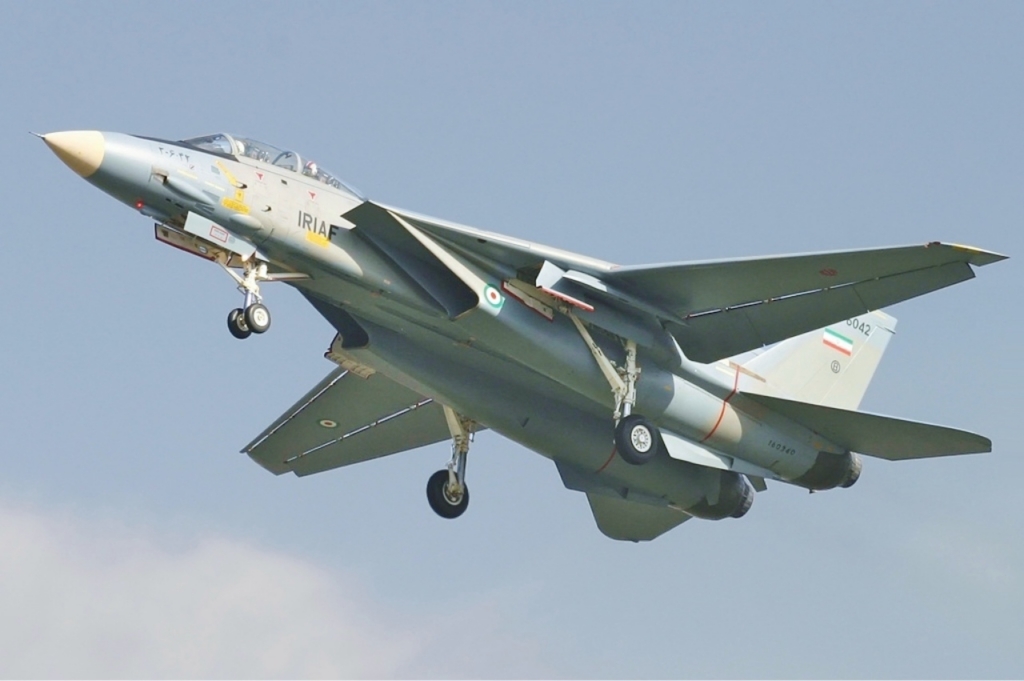
Vintage Iranian Northrop F-5 light fighter reportedly strikes US base in Kuwait

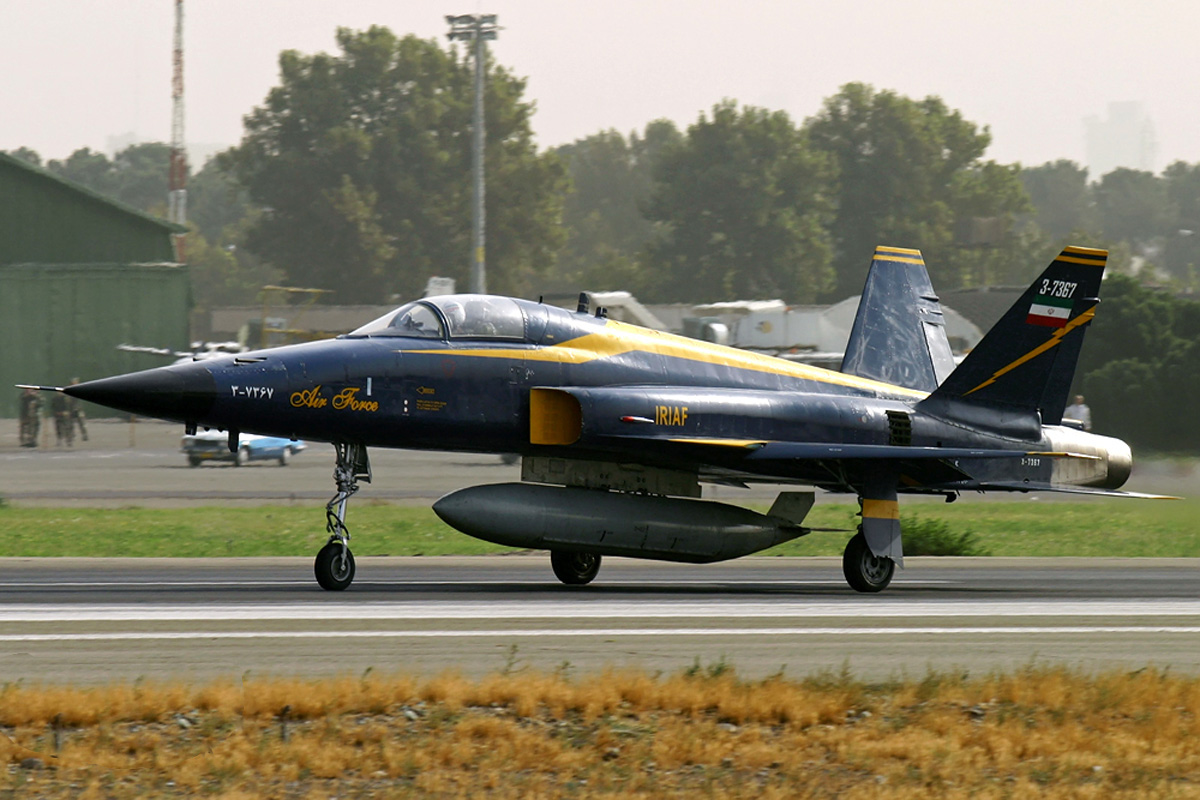
A new NBC News article suggests that Iran managed to strike a US base with its old Northrop F-5 light fighters. If true, this would be an extraordinary strike for such a small and outdated platform.
Report Iran bombed US base with old F-5 Tiger II
One of the most eye-catching Iranian strikes is reported to have been carried out by an Iranian Northrop F-5 Tiger II light fighter. These were delivered to the former Imperial Iranian Air Force before the 1979 revolution.
"In the initial days of the war, an Iranian F-5 fighter jet bombed the U.S. base Camp Buehring in Kuwait, despite the base having air defenses, a rare breach that marked the first time an enemy fixed-wing aircraft has struck an American military base in years, according to two of…
— Michael Weiss (@michaeldweiss) April 25, 2026
NBC News says, “In the initial days of the war, an Iranian F-5 fighter jet bombed the U.S. base Camp Buehring in Kuwait, despite the base having air defenses, a rare breach that marked the first time an enemy fixed-wing aircraft has struck an American military base in years.”
The F-5 carried out a strike on Camp Buehring in Kuwait. If this report is validated, it would represent the first time in many years that an enemy fighter jet has successfully directly attacked a US military base, penetrating its layered air defences.
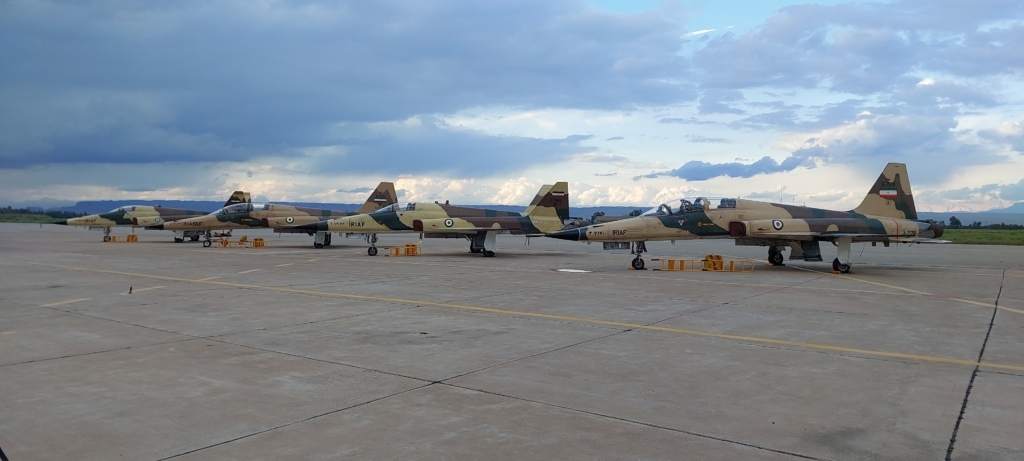
Still, the F-5 strike is not confirmed, and The Aviationist urged caution, saying, “It must be noted that the aircraft type might also be wrong. The F-5E’s range without external fuel tanks is reported to be approximately 480 nautical miles.”
Get the latest aerospace defence news here on AGN.
“Extensive” damage to US Middle East bases
The NBC article also says that dozens of aircraft were targeted during the strikes, its unclear how many may have been hit. Most Iranian attacks were carried out with drones and ballistic missiles.
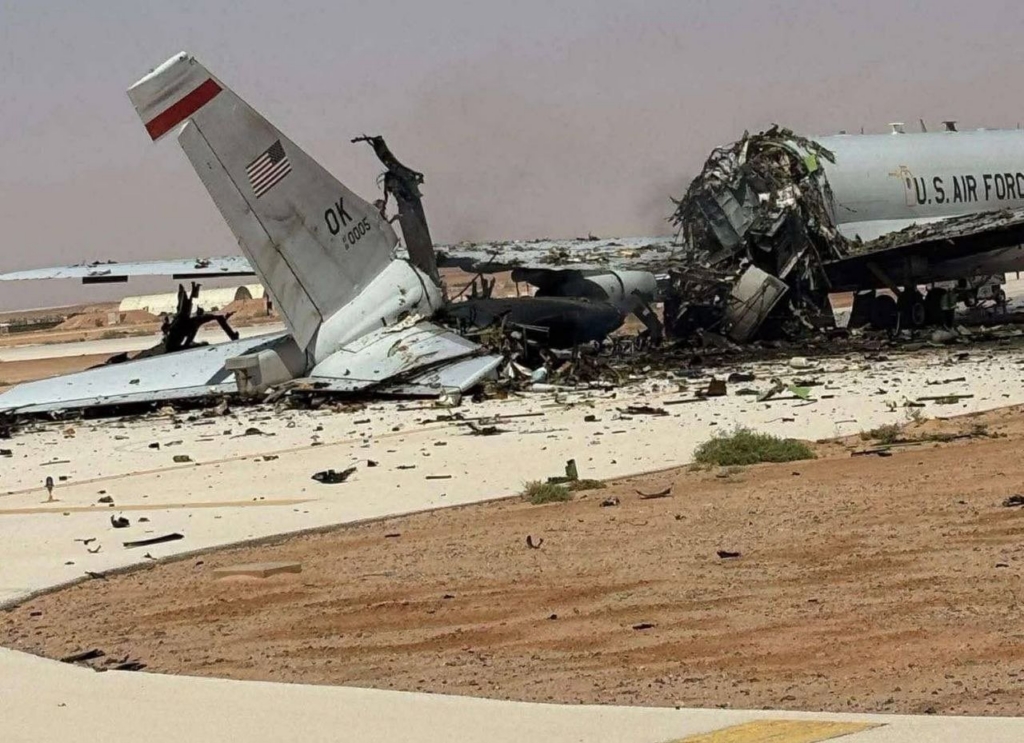
NBC News writes that the damage to US bases and equipment in the Gulf is “extensive” from Iranian strikes. The publication claims that the damage is “far worse than publicly acknowledged and is expected to cost billions of dollars to repair.”
The article cited unnamed US officials, two congressional aides, and another unidentified person familiar with the matter. Thanks to satellite imagery and on-the-ground footage, many of these hits can be independently corroborated.
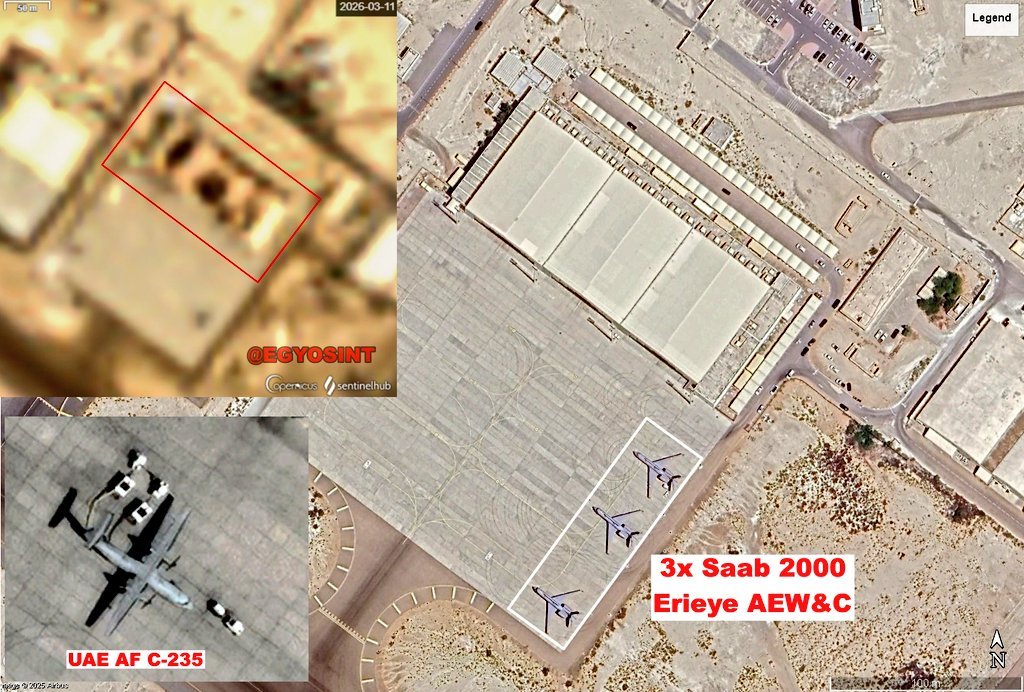
US bases struck include the US Navy 5th Fleet Headquarters in Bahrain, Al Udeid Air Base in Qatar, Ali Al Salem Air Base in Kuwait, Al Dhafra Air Base in the UAE, and Erbil Air Base in northern Iraq.
Other action by the Iranian Air Force
In the early days of the war, some Iranian combat aircraft were active, although most stayed grounded. Initially, an Iranian MiG-29 and a Yak-130 were seen flying above Tehran, although an Israeli F-35 eventually shot a Yak-130 down at close range.

But perhaps the most eye-catching report came when Qatar said its air force had shot down two Iranian Su-24 fighter-bombers as they flew to bomb a US base on its territory. They were reportedly “two minutes” away from their targets.
The Iranian Air Force is largely a museum of obsolescence, but be that as it may, the F-5 raid shows that even obsolete aircraft can be a threat and sometimes score lucky hits.
During the campaign, Israel and the US hunted down and destroyed many Iranian aircraft on the ground. But while the US claims to have completely destroyed the Iranian Air Force, that is not true.
Following the ceasefire, a pair of MiG-29s and a pair of F-4 Phantom IIs escorted Pakistani aircraft. Some estimates claim as much as two-thirds of Iran’s jets may have survived.
Featured Image: Wikimedia Commons