


2/3rds of Iran’s air force is still flying after strikes, but it was never the real threat

4 min read
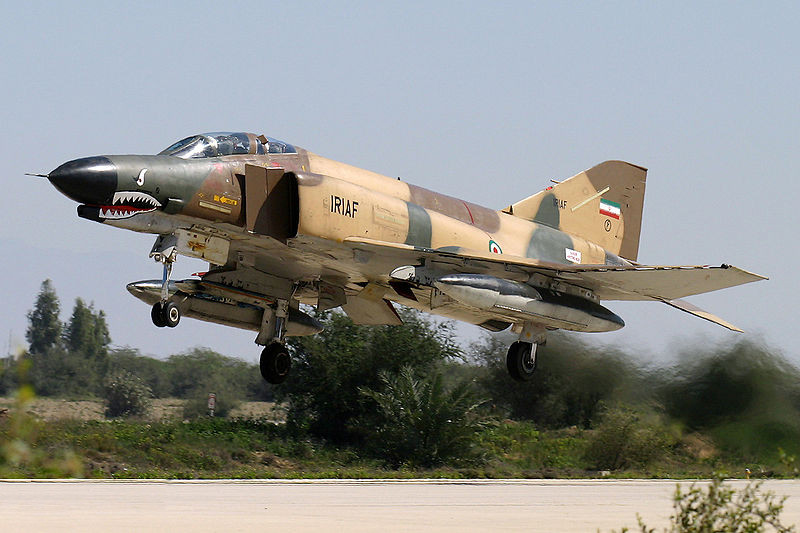
According to emerging reports, Iran appears to still have at least some of its combat jets in service. This is despite Trump proclaiming, “We’ve taken out their navy, we’ve taken out their air force, we’ve taken out their leaders.”
Two-thirds of Iranian air force claimed to be operational
CBS News reported, “About two-thirds of Iran’s air force is still believed to be operational, the officials said, after an intensive U.S. and Israeli campaign that struck thousands of targets, including storage and production facilities.”
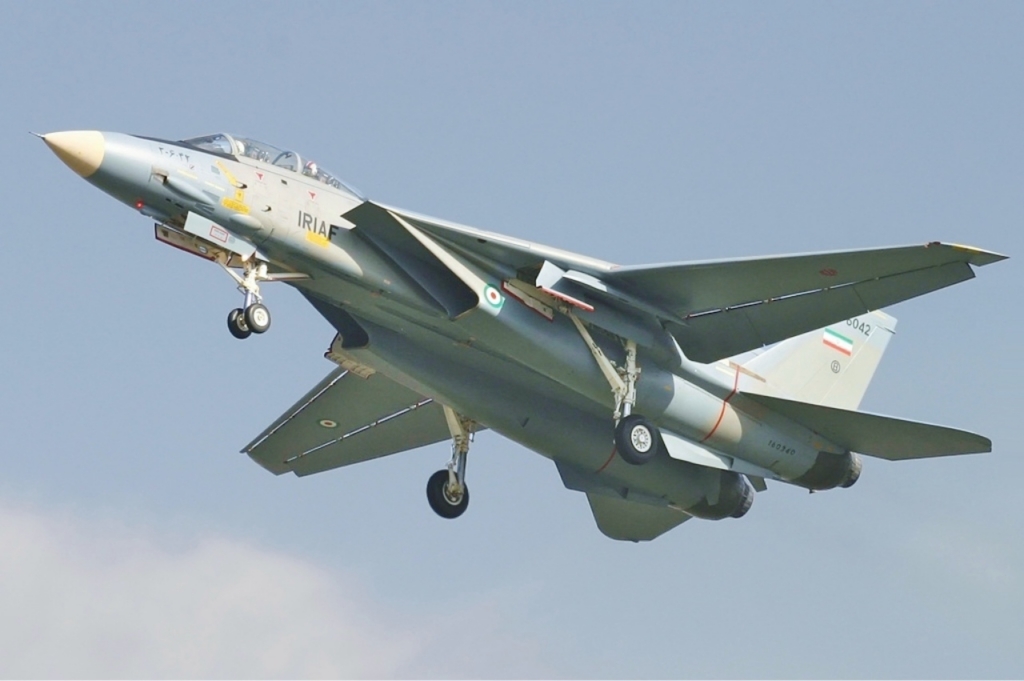
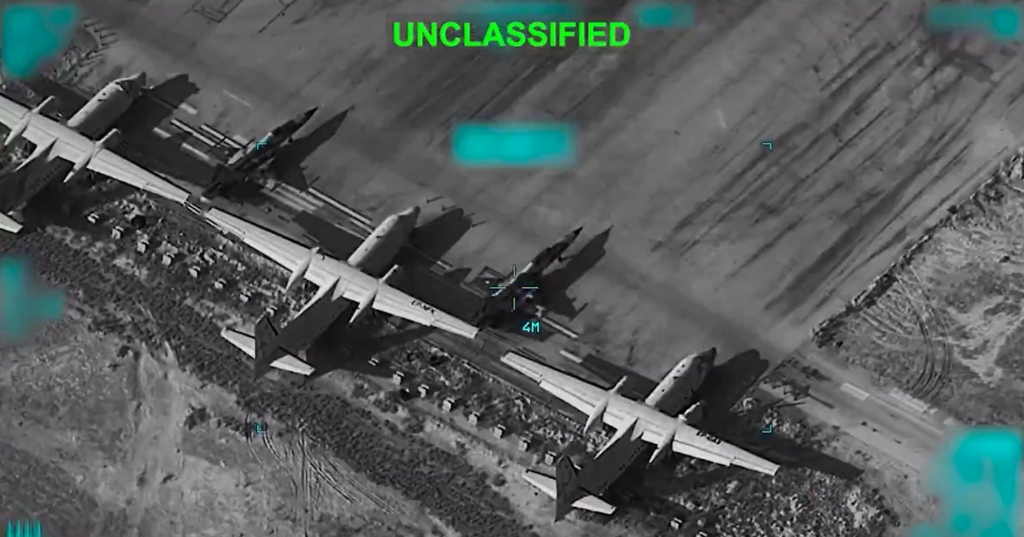
Many of the aircraft were likely protected in tunnels cut into the mountains. A pause in Planet Labs satellite imagery also made it more difficult to assess damage at airbases after strikes.
It is known that at least some Iranian F-4 Phantoms and MiG-29UBs remain operational. This is because two of each aircraft took off on the 19th of April from Tehran’s Mehrabad International Airport and escorted two Pakistani official aircraft during negotiations.
CBS also estimates that around half of Iran’s stockpile of ballistic missiles and launch systems remains, along with around 60% of the naval arm of the IRGC. It should be noted that most of the IRGC’s and the official Navy’s larger ships are gone.
Several Iranian F-14 fighter jets were destroyed in strikes at Isfahan airport yesterday, the IDF announces.
— Emanuel (Mannie) Fabian (@manniefabian) March 8, 2026
Additionally, detection and air defense systems that posed a risk to Israeli Air Force aircraft were also hit in the wave of strikes, the military says.
Pentagon spokesman Sean Parnell said that 92% of the Iranian Navy’s largest vessels have been destroyed, and about 44 minelayers have been destroyed. It’s unclear what the remaining 8% of larger vessels are; these may be the ones that fled to neutral ports.
Get the latest aerospace defence news here on AGN.
Iran’s air force sustained heavy damage
During the American and Israeli air campaign, many of Iran’s military aircraft were destroyed on the ground, with at least two Su-24 Fencers and one Yak-130 being shot down in the air.
BREAKING: Just a few minutes ago, two MiG-29UB combat trainers and a pair of F-4E Phantom IIs of the Iranian Air Force, departed Mehrabad International Airport of Tehran and escorted two Pakistan government aircraft.#OperationEpicFury #OperationLionsRoar pic.twitter.com/0fuB0qn8s4
— Babak Taghvaee – The Crisis Watch (@BabakTaghvaee1) April 17, 2026
AGN also reported that the campaign was likely the end of the road for the F-14 Tomcat after heavy airstrikes on its base in Isfahan. However, it is unclear if all the remaining flyable airframes have been destroyed.
While the Iranian Air Force did little during the conflict, other than sit on the ground and wait to be destroyed, some aircraft did make sorties. This includes the pair of Su-24s that tried to attack the US base in Qatar.
There is an unverified rumour that an Iranian F-4 Phantom carrying a Russian glide bomb struck the Tactical Communications Centre in Kuwait last month.
This is the attack that claimed the lives of six US service personnel. If true, it’s likely the bomb would have been equipped with the FAB guidance/aerodynamic kit.
Never the primary threat in the first place
OSINT account, Elmustek, has visually counted Iran as having lost four MiG-29s (inc. two damaged), five Su-22s, one Yak-130, two F-5s, one F-4, two F-14s, and 12 Chengdu F-7s. This is in addition to other military aircraft like C-130s and KC-747s. The actual number of losses is likely much higher.
As for the storied Iranian F-14's…they might well have been down to one flyable aircraft before last year's Israeli Air campaign…
— Latin American Military Aviation (@LatinMilAv) February 20, 2026
6/ pic.twitter.com/dkVnOcYtgT
While the White House has stated many times that it has destroyed the Iranian Navy and Air Force, it was always an asymmetric fight. Legacy fighter jets were never a credible threat against the US and Israeli air forces, nor was the Iranian surface fleet a credible peer-on-peer threat.
Iran’s ability to hit out and inflict pain on the Gulf states, US bases in the region, Israel, and international shipping in the Strait of Hormuz is mostly reliant on ballistic missiles, drones, and fast attack boats.
"Iran's capabilities are declining…" – Adm. Brad Cooper, CENTCOM Commander pic.twitter.com/FC3TgpEGpJ
— U.S. Central Command (@CENTCOM) March 21, 2026
Even if the Iranian Air Force were completely destroyed, it wouldn’t change the strategic calculus much.
Featured Image: Wikimedia Commons
Sign up for our newsletter and get our latest content in your inbox.


More from


October 17, 20264 min read





