French Rafales intercept six Russian aircraft in one day during Baltic NATO mission

4 min read
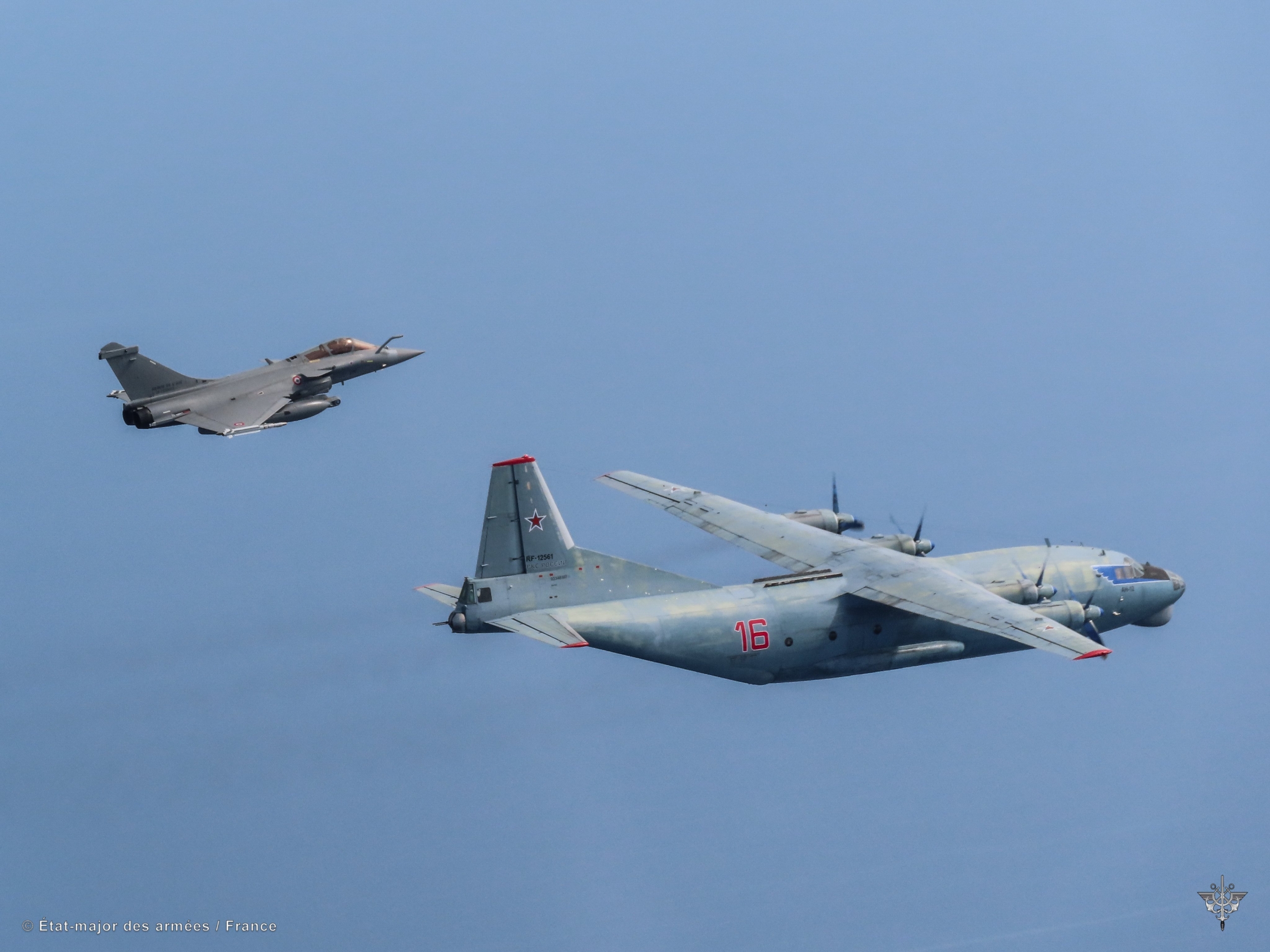
French Rafale fighter jets deployed in Lithuania for NATO’s Baltic Air Policing mission have been scrambled 11 times in a week amid a surge in Russian military flights over the Baltic.
Yesterday, the French Air Force revealed it had intercepted six Russian aircraft in just one day.
While the aircraft are not reported to have violated NATO airspace, the scale and tempo of Russian aerial activity in the Baltic Corridor have sharply increased in recent days.
French Rafales escort six Russian military aircraft
On 2 June, two French Rafales scrambled from Šiauliai Air Base to intercept and escort six Russian military aircraft operating in NATO’s Baltic area of responsibility.
According to NATO Air Command and the French armed forces, the Russian formation included a Su-35 fighter, Su-34 fighter-bomber, Su-24 strike aircraft, Il-76 transport aircraft, An-12 transport aircraft and An-30 reconnaissance aircraft.
📍Lituanie | Interception de 6 aéronefs 🇷🇺 dans l'espace aérien balte 🚨✈️
— Armée française – Opérations militaires (@EtatMajorFR) June 4, 2026
⚡️ Décollage sur alerte de deux Rafale 🇫🇷 du détachement Baltic Air Policing 71, déployés à Šiauliai 🇱🇹 pour escorter des aéronefs 🇷🇺 évoluant dans la zone de responsabilité balte.
👀 Identification… pic.twitter.com/9PXAfYz8Qj
France’s armed forces spokesperson Guillaume Vernet said French aircraft had been scrambled 11 times over the past week as part of NATO’s Baltic Air Policing mission, describing the incidents as a higher-than-usual number of “provocations”.
The French Rafales are currently deployed at Šiauliai Air Base in Lithuania as part of Baltic Air Policing 71, NATO’s long-running mission to protect the airspace of Estonia, Latvia and Lithuania, which do not have fighter aircraft of their own.
Pleins gaz pour démarrer la semaine avec nos aviateurs déployés en Lituanie 🚀[#MondayMotivation] pic.twitter.com/d38N2itReH
— Armée française – Opérations militaires (@EtatMajorFR) June 1, 2026
NATO said fighter aircraft deployed under the mission routinely scramble to maintain the safety, security and integrity of alliance airspace.
The Baltic corridor to Kaliningrad
The four main regions where NATO aircraft are routinely scrambled to intercept Russian aircraft (and vice versa) are the Baltic, North Atlantic, Black Sea, and Alaska (the Norwegian Sea and Arctic Ocean also feature). Each of these is fundamentally different.
In Alaska, the US typically scrambles fighters to intercept Russian long-range bomber patrols as they enter Air Defense Identification Zones (ADIZ). Russian bombers there do not violate US airspace.
In the North Atlantic, RAF (and other NATO) aircraft and warships are often scrambled and dispatched to intercept or shadow Russian aircraft and warships operating in the region. This takes place in international waters.
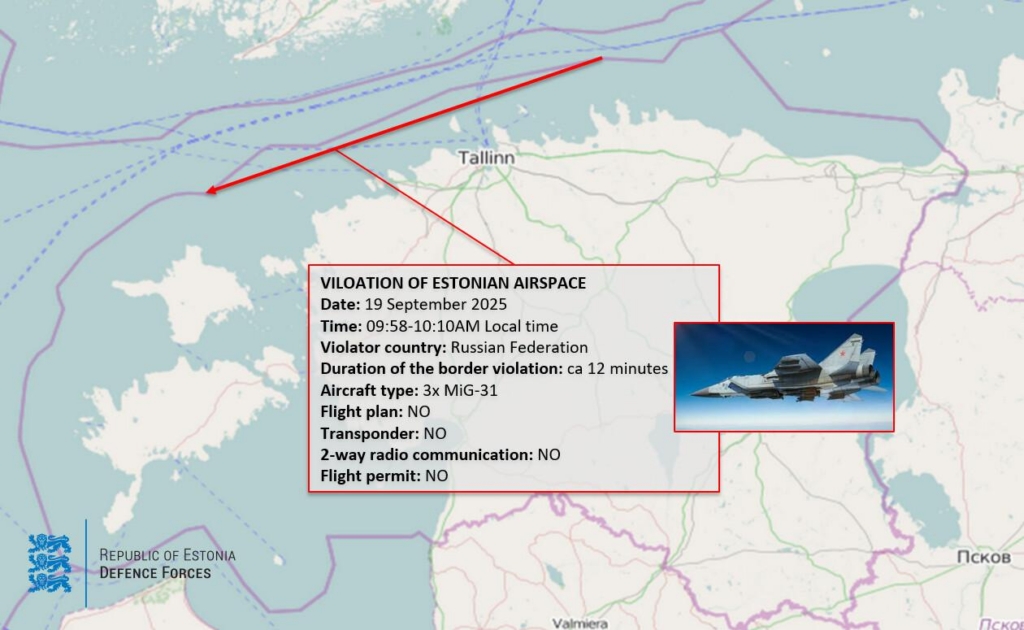
The Baltic Sea is somewhat different. To access Russia’s Kaliningrad exclave, Russia has to fly via a narrow international air corridor in the Baltic Sea and stay outside of each nation’s 12-nautical-mile territorial airspace.
Deviating even a little (intentionally or otherwise) violates NATO airspace (e.g., Estonia, Finland). Since 2022, all NATO countries have closed their airspace to Russian flights, making the elongated Baltic air corridor (6 nautical miles at its narrowest) the only air link for military and commercial flights.
The Black Sea’s international airspace is almost the reverse. The NATO reconnaissance aircraft routinely fly information-gathering missions and are widely reported to pass sensitive onto Ukraine. Russia flies fighter jets to intercept and sometimes harass these aircraft.
A @RoyalAirForce Rivet Joint aircraft operating in international airspace over the Black Sea was dangerously intercepted by Russian military jets – flying as close as six metres and triggering onboard emergency systems.
— Ministry of Defence 🇬🇧 (@DefenceHQ) May 20, 2026
Despite these reckless manoeuvres, RAF crew completed their… pic.twitter.com/QyUP7dE4OJ
In March 2023, a Russian fighter collided with the propeller of an American MQ-9 Reaper drone, causing it to crash.
The worst confrontation came in September 2022 when a rogue Su-27 Russian pilot seemed to confuse orders and fired two missiles at a British RC-135. Both failed to hit the aircraft.
Russia flexing near NATO airspace amid tensions
Meanwhile, The Independent reported yesterday that French warplanes have been scrambled multiple times over the past week as part of NATO’s Baltic Air Policing Mission. It quoted official descriptions of the incidents as saying there was a higher-than-normal number of “provocations.”
On 2 June, two French🇫🇷 @Armee_de_lair fighters from Baltic Air Policing, scrambled from Šiauliai Air Base 🇱🇹 to conduct several interceptions involving six Russian 🇷🇺 aircraft operating within the Baltic Area of Responsibility:
— NATO Air Command (@NATO_AIRCOM) June 4, 2026
1 x Su-35 fighter aircraft
1 x Il-76 military… pic.twitter.com/j0Y1O52bXq
Spokesperson Guillaume Vernet said in a weekly news briefing that the increased tempo shows Moscow’s intent to “flex its muscles,” particularly as it hosts the annual St Petersburg International Economic Forum.
Notably, as visitors gathered for the forum, Ukraine launched a large-scale drone attack on St Petersburg, attacking oil storage tanks and damaging (possibly destroying) a Russian guided-missile corvette, Boykiy.
However, it doesn’t appear that Russia has violated NATO airspace as it did in 2025, when it triggered intense debate in NATO on whether such intruding Russian aircraft should be shot down in the future.
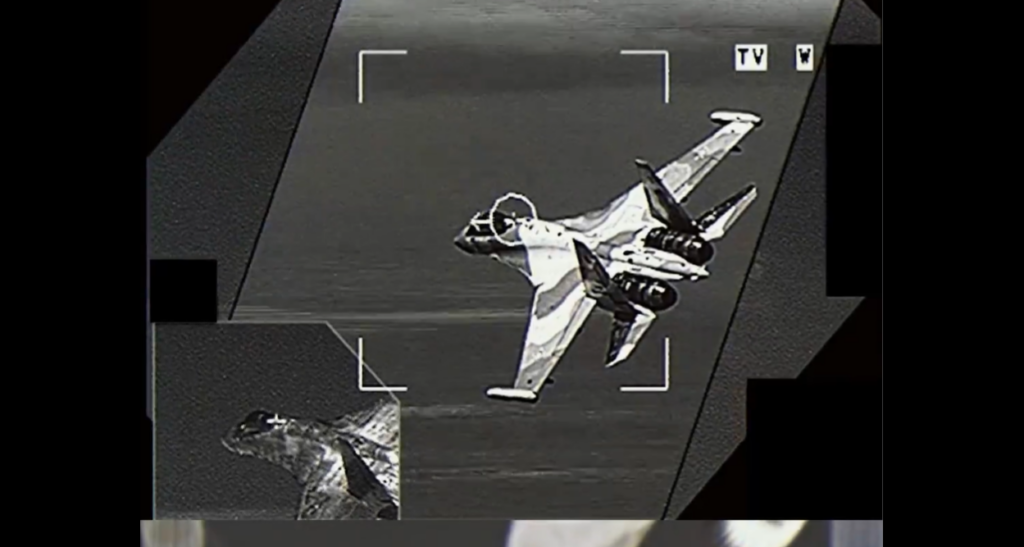
Meanwhile, the RAF has recently reported aggressive and “unprofessional” behaviour of Russian fighter jets against its signals RC-135 Rivet Joint aircraft flying in international airspace over the Black Sea.
Featured Image: NATO
Sign up for our newsletter and get our latest content in your inbox.


More from


October 17, 20265 min read


October 17, 20264 min read