USAF KC-135R damaged during Epic Fury returns to US with donor tail

3 min read
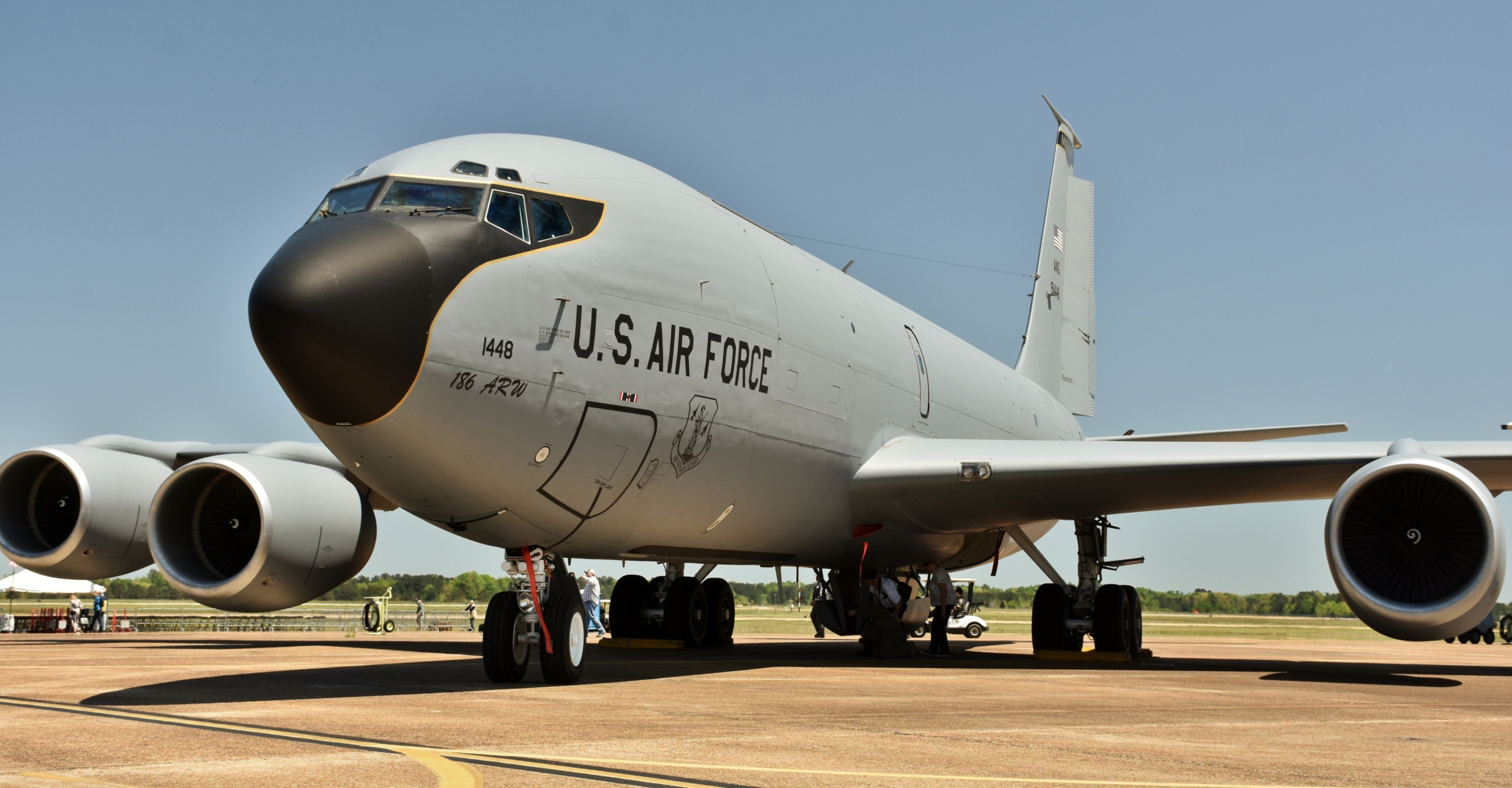
The KC-135R Stratotanker that managed to limp back to base after an in-air collision in March has returned to its maintenance depot at Tinker Air Force Base in Oklahoma City after receiving a donor tail fin.
During Operation Epic Fury, AGN reported that two US Air Force KC-135 tankers collided mid-air over Iraq, resulting in the loss of one tanker and all six aircrew aboard.
The other aircraft was filmed returning to Israel’s Tel Aviv Ben Gurion Airport with the upper part of its tail sheared off. Now, that Stratotanker (registered 63-8017) has returned to the United States after receiving a replacement vertical stabiliser from another KC-135.
She Lives!!!!
— Havoc Aviation (@havoc_aviation) August 2, 2026
63-8017 arrived at RAF Mildenhall this afternoon as REACH 564 from Tel Aviv Ben Gurion Airport.
This airframe was involved in a mid-air collision back in March with ZEUS 95, which was sadly lost along with the crew. 63-8017 limped back to Tel Aviv with the top… pic.twitter.com/j29GXo8uN0
The account OSINTdefender reported that the tanker was repaired using the tail section from KC-135 63-8002.
It adds, “Aircraft 63-8002 last served with the 22nd Air Refueling Wing before being flown to the KC-135 depot maintenance facility at Tinker Air Force Base in Oklahoma City, Oklahoma, where it appears to have become the donor aircraft for the repair.”
Thanks to newly released photos from @havoc_aviation, we now know that U.S. Air Force KC-135 "Stratotanker" 63-8017 – the aircraft that survived the fatal midair collision over Iraq in March – was repaired using the tail section from KC-135 63-8002.
— OSINTdefender (@sentdefender) August 2, 2026
Aircraft 63-8002 last served… pic.twitter.com/oRh2S75Agf
The KC-135 arrived at the US Air Force’s RAF Mildenhall (used as a major refueling base) using the callsign REACH 564. As indicated by their serial numbers, both of these aircraft were built in 1963, making them over 60 years old.
US Air Force’s KC-135R losses during Epic Fury
Operation Epic Fury put extensive stress on the aging KC-135R fleet.
The US Air Force is known to have permanently lost at least one Stratotanker in Operation Epic Fury. In addition to the tanker lost in the mid-air collision, five KC-135s were reportedly damaged on the ground in Saudi Arabia.
Battle-damaged USAF KC-135 tanker returning from the Middle East sporting a number of patched shrapnel holes.
— OSINTtechnical (@Osinttechnical) April 12, 2026
Likely one of the tankers damaged in an Iranian missile/drone attack on Prince Sultan Airbase. pic.twitter.com/idHs3DClIG
AGN has reported how some of these have been filmed patched up and returning to the United States via RAF Mildenhall. It is unclear if all of them will be repaired enough to return home for more thorough repairs.
The Air Force has also been seen pulling at least one retired KC-135R tanker from Davis-Monthan storage, although it hasn’t publicly linked the move to losses sustained during Operation Epic Fury.
KC-135Rs being supplemented by KC-46As but no clear phase-out plan yet
The KC-135R tanker fleet is now one of the world’s oldest fleets of large aircraft still in military service. Most airframes were built between 1957 and 1965, giving the fleet an average age of around 64 years.
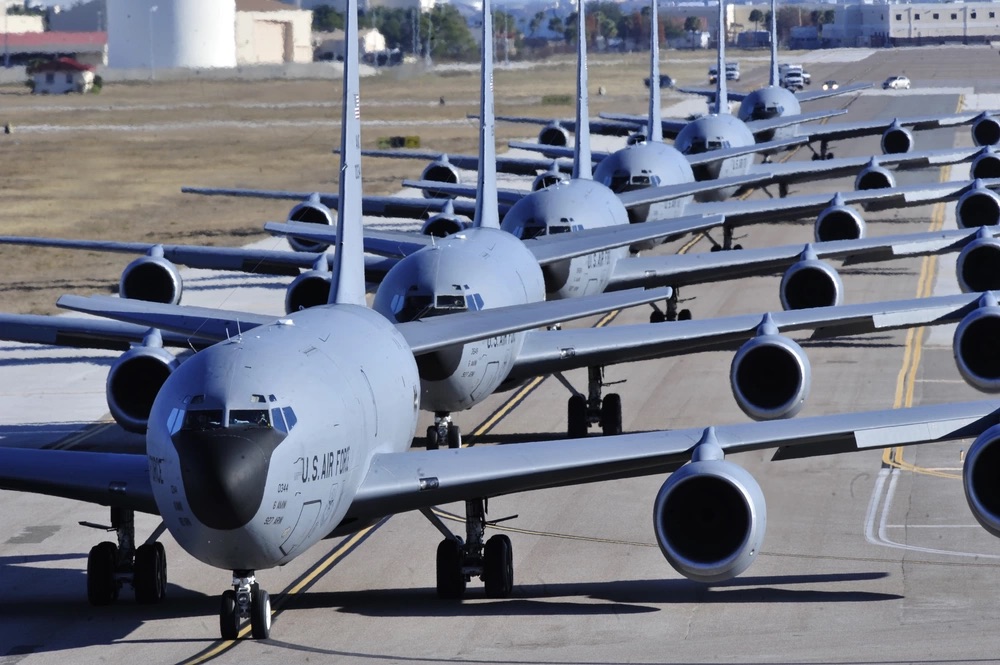
As of mid-2026, the USAF continues to have around 375 KC-135Rs in service, forming the backbone of its tanker capability. These are complemented by a growing fleet of over 100 next-generation KC-46A Pegasus tankers (based on the Boeing 767).
The fleet has undergone decades of structural refurbishment, avionics upgrades and life-extension programmes. All USAF KC-135s remaining in service have been upgraded to the re-engined KC-135R variant powered by four CFM International CFM56 engines.
The CFM56 significantly improved its performance, reliability, take-off performance, and maintenance requirements compared with the original Pratt & Whitney J57 turbojets.

The Air Force is significantly increasing its planned purchase of KC-46As to help relieve the stress on the older KC-135R. However, it currently has no clear plan for how to fully replace its Stratotanker fleet, which is expected to continue in service into the 2050s.
Sign up for our newsletter and get our latest content in your inbox.



More from


October 11, 20263 min read