


The eVTOL that wowed Farnborough Airshow is now in pieces, for a very good reason

5 min read
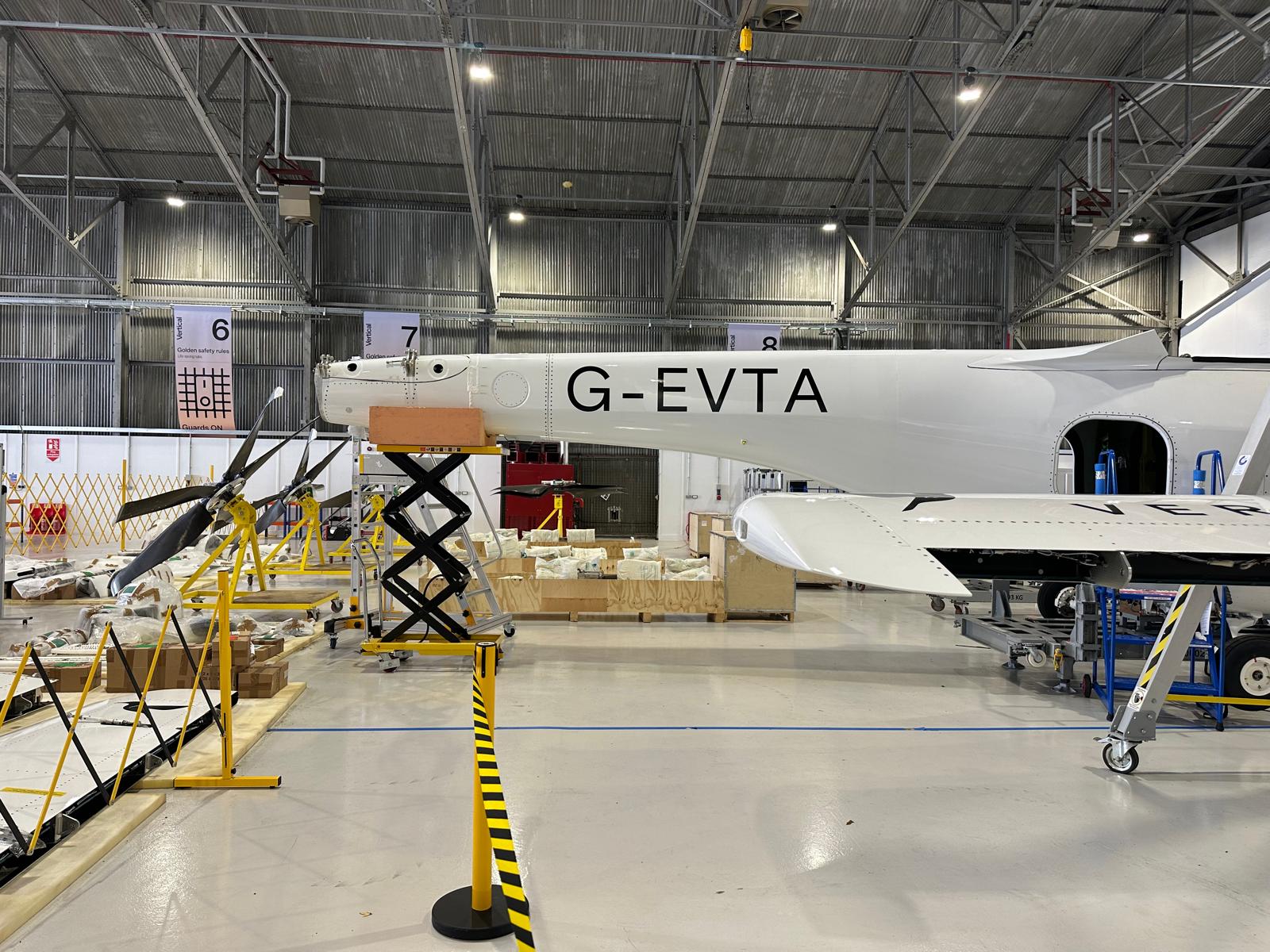
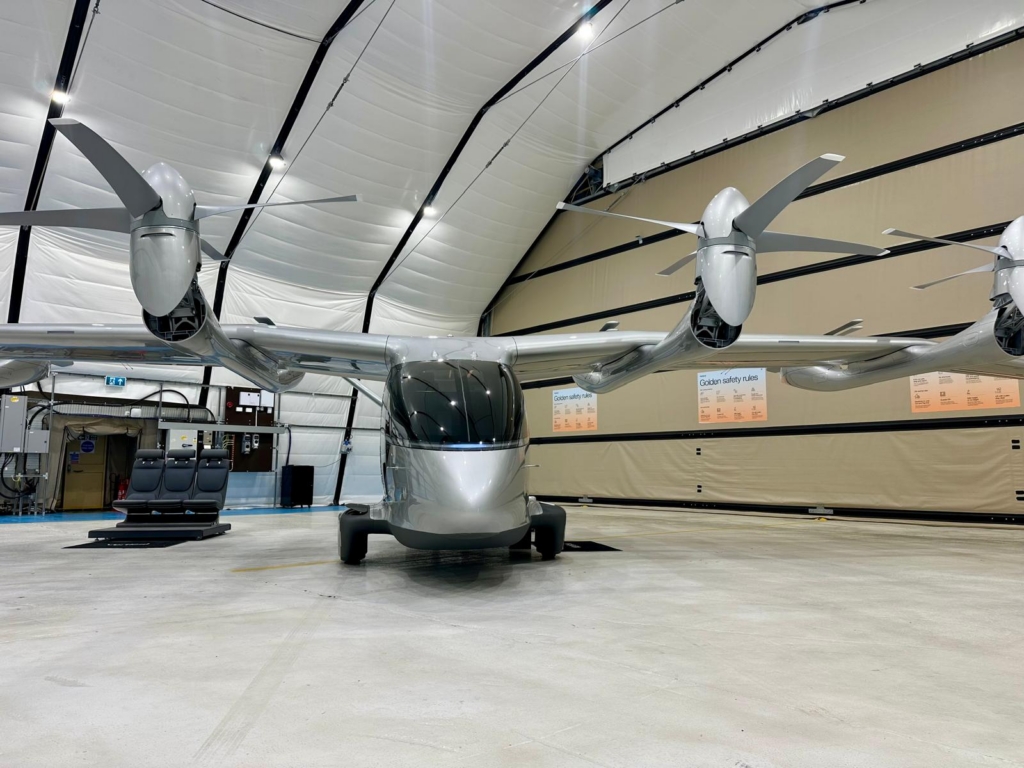
Two months ago, it was flying in front of thousands of people at Farnborough Airshow. Now, the same Vertical Aerospace VX4 prototype sits dismantled inside a hangar at Cotswold Airport, preparing for a second life.
During AGN’s visit to the opening of the first production facility for Vertical’s groundbreaking Valo passenger aircraft, engineers explained how they are converting this VX4 prototype into a hybrid-electric demonstrator.
While Vertical’s core work on building the first Valo continues, the company is looking to move beyond short, fully electric passenger flights into longer-range cargo, commercial and defence operations. Key to this is the integration of a secondary fuel system, and for G-EVTA, this means removing several battery packs to make way for a gas turbine, generator and fuel system.
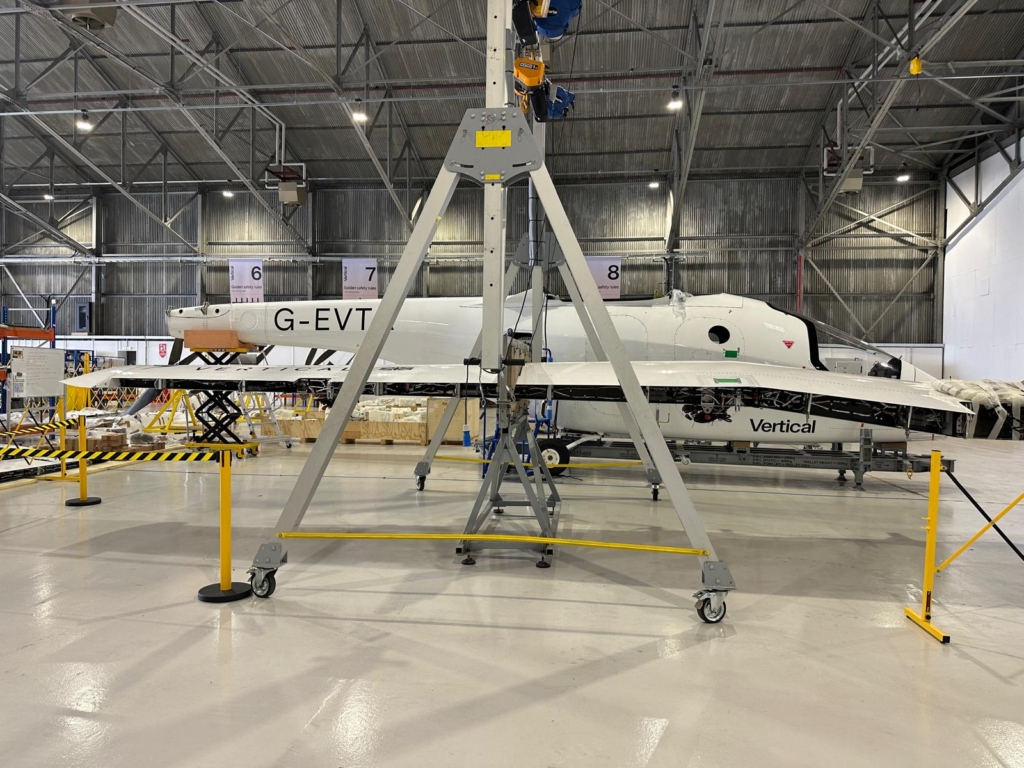
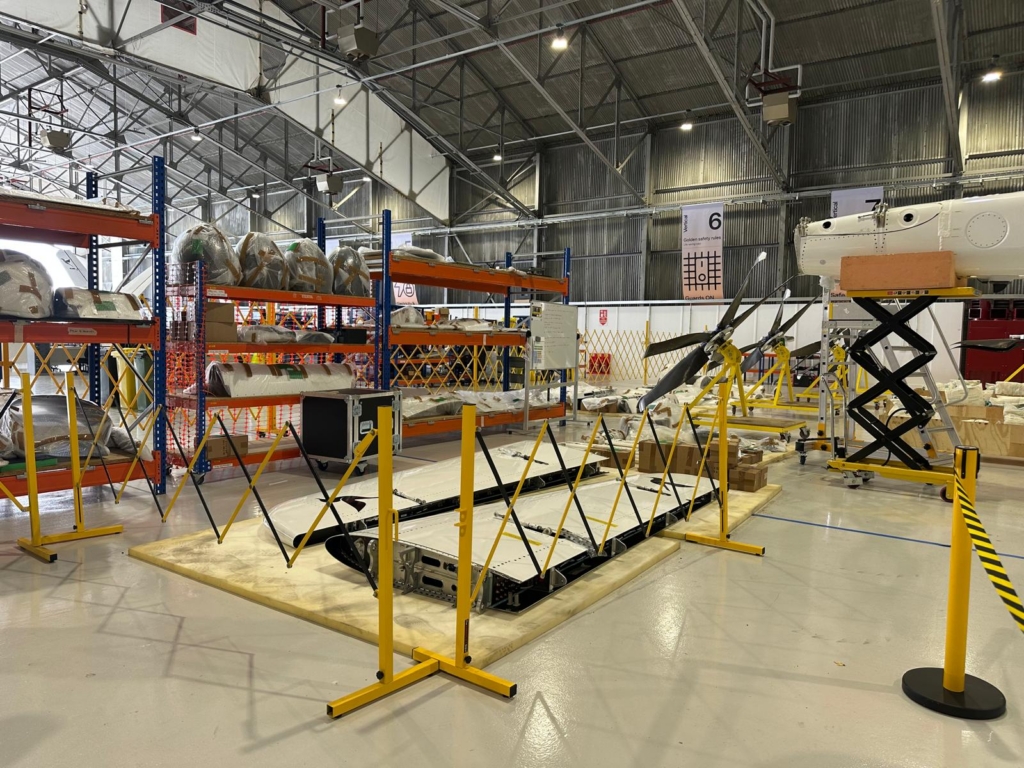
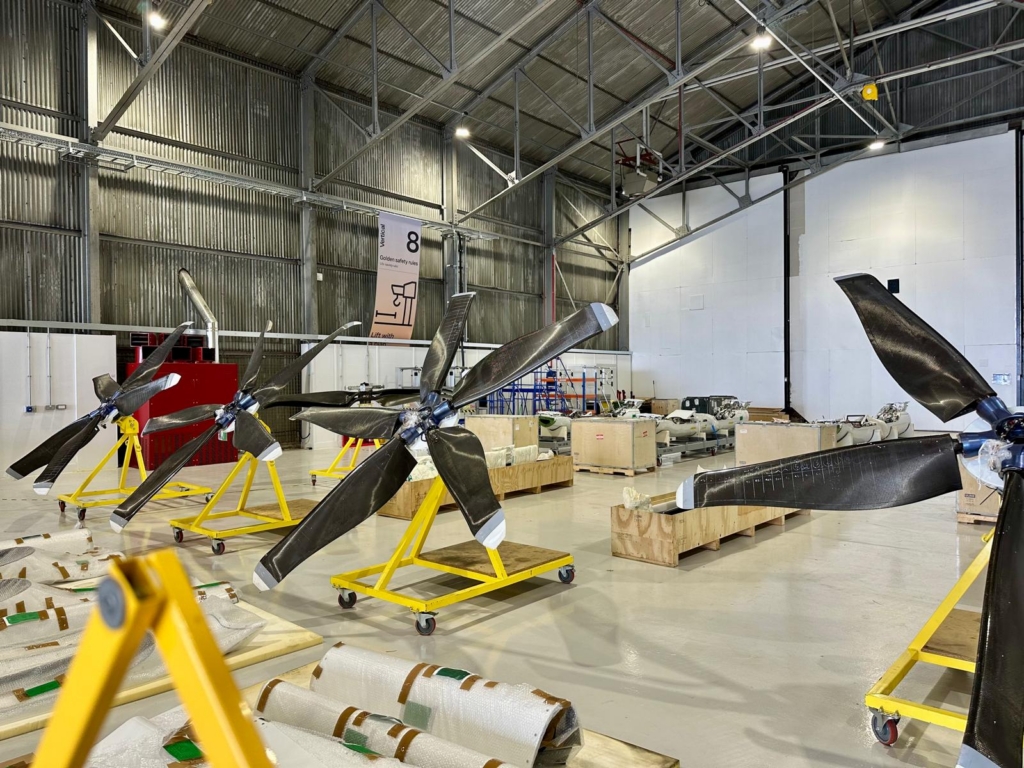
At the back of the company’s newly opened Aircraft Assembly Centre, the aircraft known internally as AC2 offered a very different sight from its Farnborough flying display. Its disassembled state was evidence of the next phase already getting under way.
Vertical hopes to begin flight testing with the hybrid electric demonstrator early in 2027.
Why Vertical’s Farnborough aircraft came home by road
AC2 had completed close to 90 flights, according to production manager Ellis, including numerous full piloted transitions that prepared it to fly repeatedly at Farnborough.
Its newer counterpart, Aircraft Three, is now continuing the all-electric flight-test campaign. That frees the earlier aircraft for conversion while Vertical keeps gathering flight data.
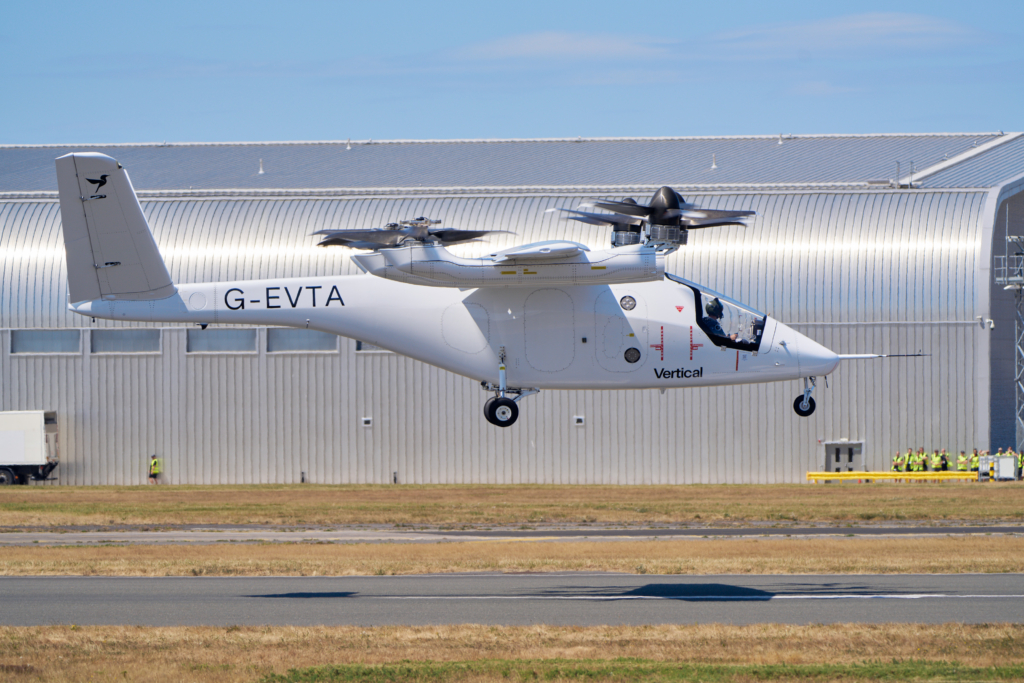
Despite having demonstrated its capabilities in the air, AC2 returned from Farnborough by road. The team explained that preparing Aircraft Three for its flight campaign had taken priority. Airport availability also complicated the proposed return flight, making road transport the more practical way to get the hybrid work started.
“We wanted to start [the] hybrid programme sooner,” Ellis said.
Dismantling the aircraft for transport also fit the work that awaited it at Kemble. Rather than get it all prepared for a ferry flight only to then take it apart again, the team could proceed towards the modification before AC2 even left Farnborough.
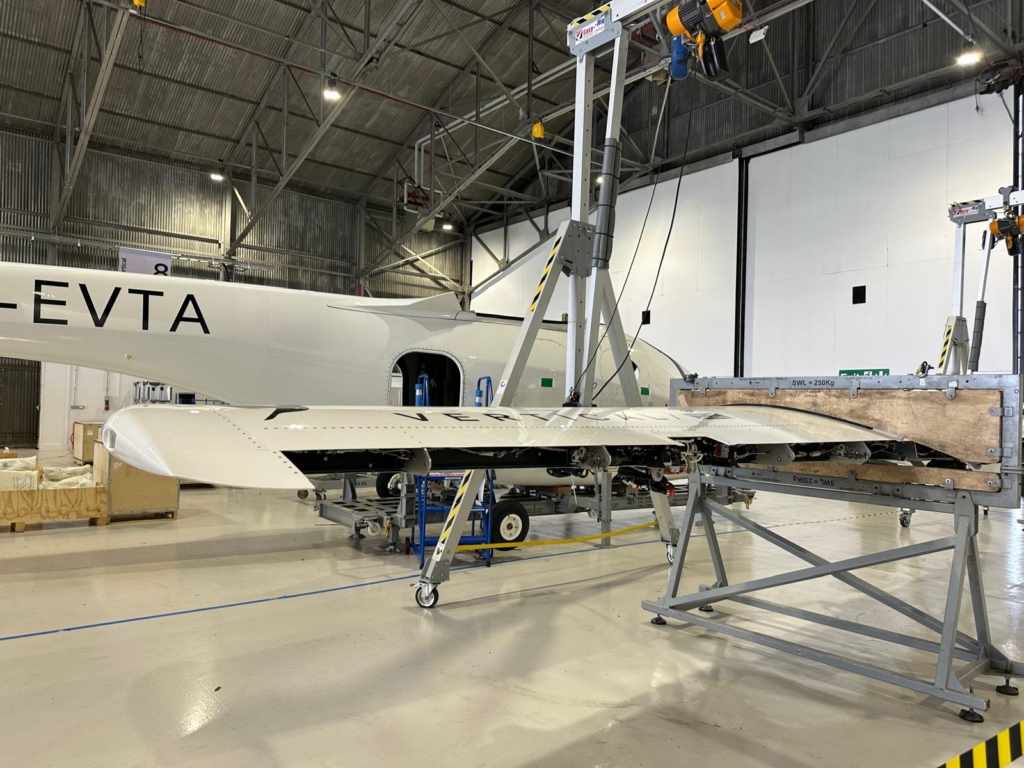
The aircraft took around three or four days to break down into subassemblies. When AGN visited, the team was inspecting its components ahead of the conversion.
How the VX4 is becoming a hybrid-electric aircraft
The biggest change will be how the aircraft obtains its electrical energy.
The conversion removes four of its eight battery packs. A gas turbine and generator will be installed within the fuselage, with a fuel tank behind them, while the remaining batteries continue to form part of the power system.
The propellers will still be driven by electric motors. The turbine’s role is to generate electricity, rather than mechanically turn the propellers.
“The batteries, the HV cables to the motors remain the same,” Ellis explained. “That whole architecture is exactly the same as it was.”
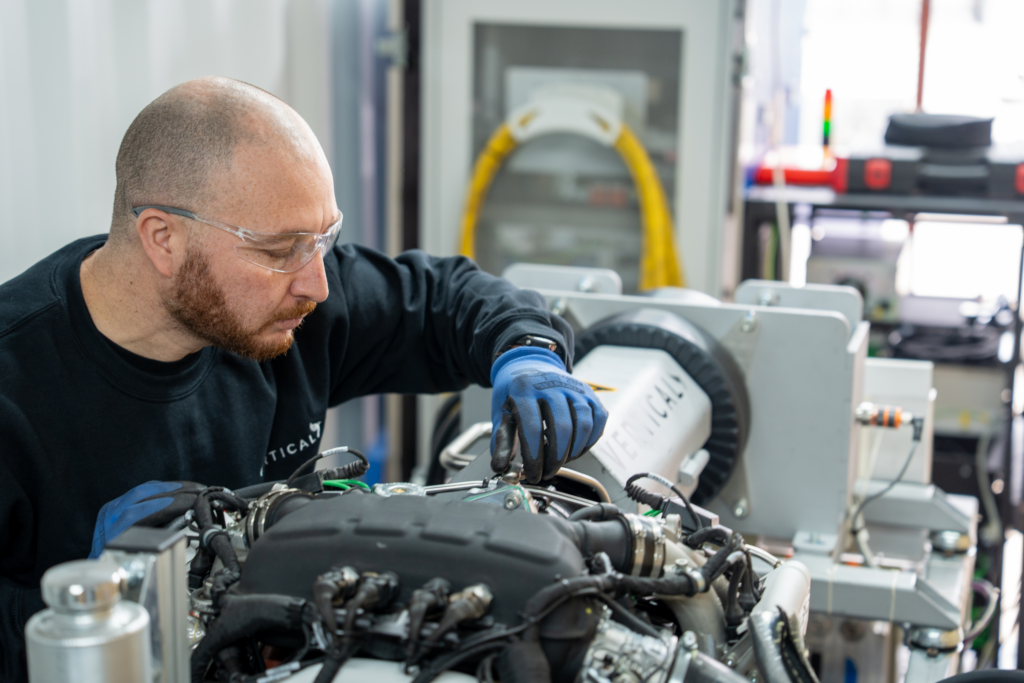
Some existing structure will be removed and new structure installed to support the engine. The team will also receive additional training for working with the fuel system.
Asked whether the integration presented any particularly daunting challenges, Ellis was relaxed about the work ahead. The technicians already have experience building and modifying Vertical’s prototypes, while a complete hybrid powertrain is being tested separately on the ground.
One detail remained firmly under wraps. When AGN asked who was supplying the turbine, the answer was brief: “Wait and see.”
Ground testing prepares the hybrid for flight
Although the dismantled aircraft makes the programme newly tangible, Vertical has been developing its hybrid technology for several years.
The company announced the programme in May 2025. A year later, it reported that integration testing had begun on its Hybrid Propulsion Evaluation Rig, known as HYPER, following more than two years of development.
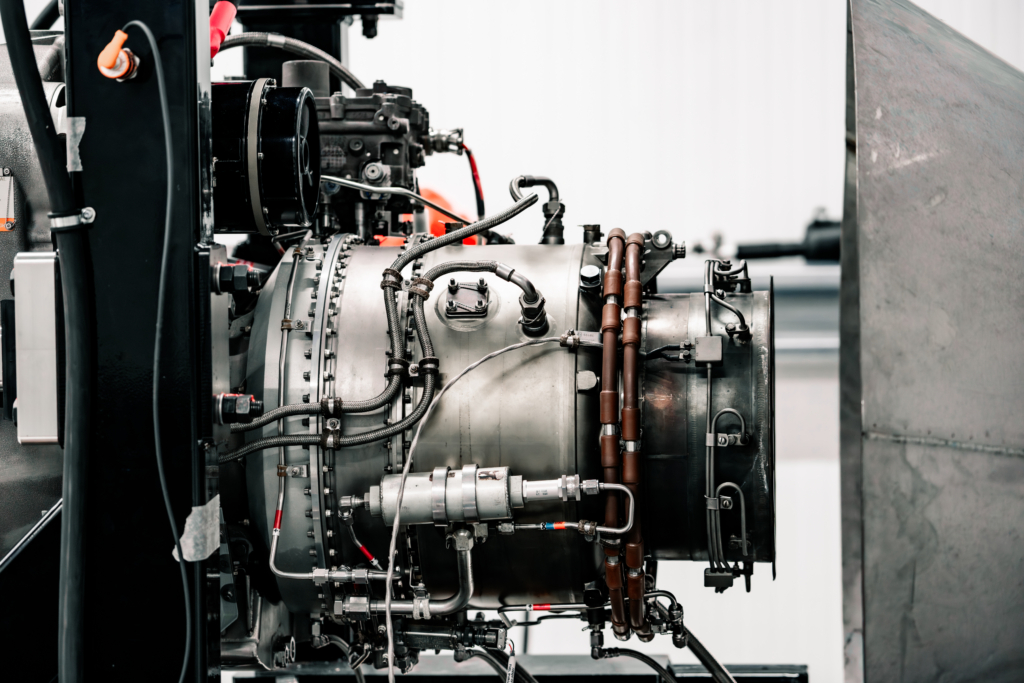
The rig allows engineers to test the turbine, generator, electrical systems and controls together, including how they respond to faults, before installing the system in an aircraft.
Vertical has described the turbine as compatible with sustainable aviation fuel. The hybrid will nevertheless burn fuel, bringing a different operating and emissions profile from the fully electric Valo.
During the tour, the team said the work now centres on fitting that tested system into the prototype, including the structural changes needed for the installation.
Why Vertical wants greater range and payload
Vertical’s ambitions for the eventual hybrid variant are considerably greater than those of its electric passenger aircraft.
The company is targeting a range of up to 1,000 miles – approximately 870 nm – and configurations carrying up to 1,100 kg. These are development targets for the future hybrid aircraft rather than capabilities already demonstrated by AC2.
For Stuart Simpson, Vertical’s CEO, that additional capability creates opportunities beyond the short journeys envisaged for the all-electric Valo.
“The hybrid then opens up new opportunities with increased range, and it also opens it up for military opportunities for distributed logistics, where they want to be able to carry a much higher payload,” he said.
The aim is to serve more markets using shared aircraft technology. Electric passenger services, longer commercial journeys and military resupply have different requirements, but Vertical believes variants of its platform can address them without starting each design from scratch.
The fully electric aircraft remains the immediate certification priority. All seven Valos planned for the initial certification programme will be electric, with UK type certification targeted for 2029. The hybrid demonstrator’s planned flights in the first half of 2027 will support a separate development effort.
For AC2, the next public appearance could therefore look familiar while concealing a substantial change inside. The aircraft that helped demonstrate electric transition flight at Farnborough is now being rebuilt to explore how far that technology can travel with a turbine aboard.


