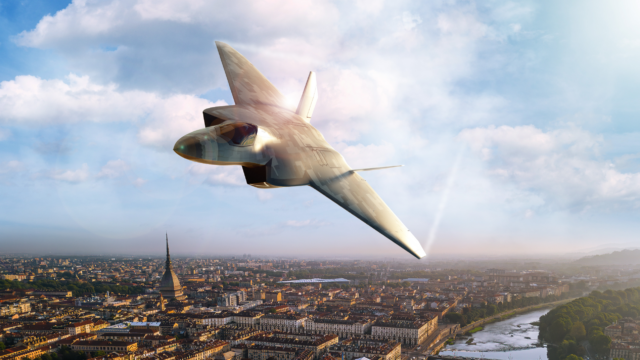
Sweden commits another $300m to Saab to test what comes after Gripen

3 min read
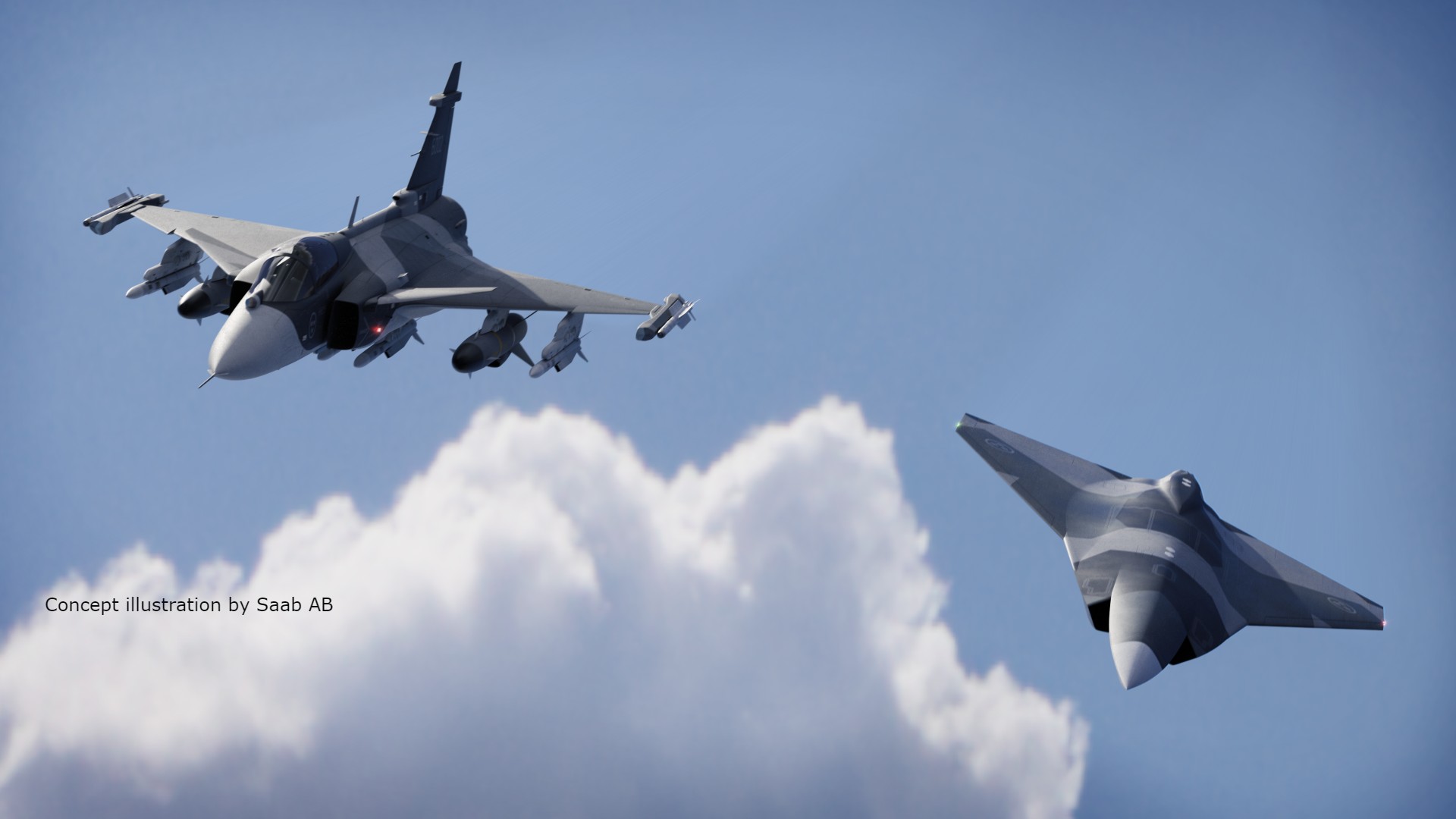
Sweden has awarded Saab a further SEK 2.9 billion (approx $300 million) to develop and demonstrate technologies for its future combat air system.
The order from the Swedish Defence Materiel Administration (FMV) covers work between 2026 and 2028, with options to continue during 2029 and 2030. It includes flying and ground-based demonstrators, advanced studies and the development of concepts spanning crewed and uncrewed aircraft.
Saab will work on systems integration, autonomy, propulsion, signature management, digital development and future production methods. The purpose is to test technologies, reduce technical risk and give Sweden more options when it decides what should eventually succeed or operate alongside the Gripen.
This is not the first funding Saab has received under the programme. An initial agreement was signed in March 2024, although its value was not disclosed. In October 2025, FMV awarded Saab a further SEK 2.6 billion, then worth around $270 million, for concept studies, technology development and demonstrators through 2027.
The latest award takes the publicly disclosed value of Saab’s orders since 2025 to approximately SEK 5.5 billion, or around $570 million, in addition to the original 2024 agreement.
What is Saab building after Gripen?
Sweden has not yet ordered a new fighter or formally selected a replacement for the Gripen E. But Saab is investigating several possible routes for the country’s combat air capability beyond 2040.
These include a new crewed fighter, uncrewed combat aircraft operating alongside Gripen, or a wider family of connected aircraft, sensors and weapons. Sweden could also choose to continue developing Gripen while introducing new autonomous aircraft around it, collaborate with an international programme or acquire an aircraft developed elsewhere.
The most visible indication of Saab’s work emerged in August, when the company revealed a full-scale model of its A3-001 collaborative combat aircraft.
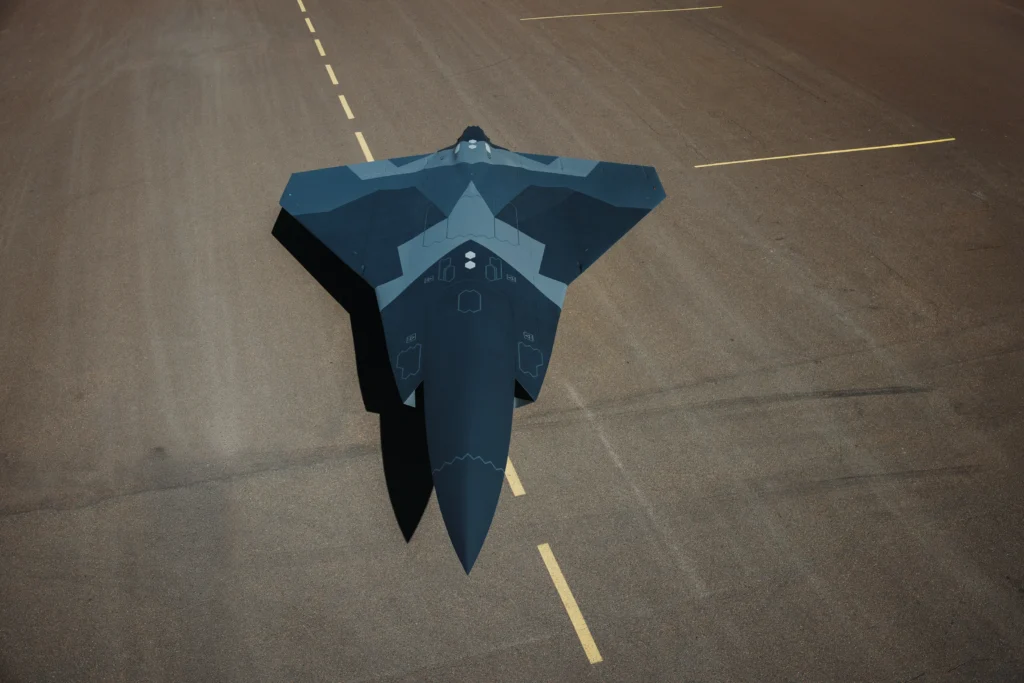
The tailless, low-observable concept illustrates how an uncrewed combat aircraft could operate alongside piloted fighters as part of an integrated force. Such an aircraft could potentially carry sensors or weapons into contested airspace, conduct electronic warfare, help suppress enemy air defences or extend the reach of a Gripen formation without placing another pilot at risk.
However, the A3-001 displayed by Saab is not yet a production aircraft or even the first configuration expected to fly. It represents a possible later stage in an iterative development programme.
Saab is initially working on A1 and A2 demonstrators to test different combinations of airframe design, autonomy, propulsion and mission systems. Lessons from those aircraft could then influence an A3-type system during the 2030s.
The new funding should allow Saab to move more of this work from computer models and wind-tunnel testing into physical demonstrators, while also developing the digital architecture needed to connect crewed and uncrewed aircraft.
When will Saab fly its future fighter technology?
Saab has said it intends to fly a fighter-sized uncrewed demonstrator in 2027, with its broader programme expected to put uncrewed aircraft with fighter-like characteristics into the air before 2030.
The first aircraft is expected to be an A1 demonstrator with conventional vertical tail surfaces, rather than the more ambitious tailless A3-001 shown at Malmen Air Base. A second demonstrator, known as A2, is also planned before the end of the decade.
These aircraft will not necessarily become operational fighters. Their role is to test technologies quickly, identify which designs are viable and provide evidence for Sweden’s eventual procurement decision.
The current contract runs through 2028 and can be extended until 2030. By that point, Sweden should have a clearer picture of whether it wants to develop a sovereign future fighter, pursue an uncrewed aircraft to complement Gripen or enter an international combat-air partnership.
For now, the latest $300 million award moves Saab another step beyond concept studies. Sweden has yet to decide exactly what comes after Gripen, but it is preparing to put some of the possible answers into the air.
Sign up for our newsletter and get our latest content in your inbox.


More from


October 17, 20264 min read