Russia’s 450km/h attack drones signal new challenge for global air defences

4 min read
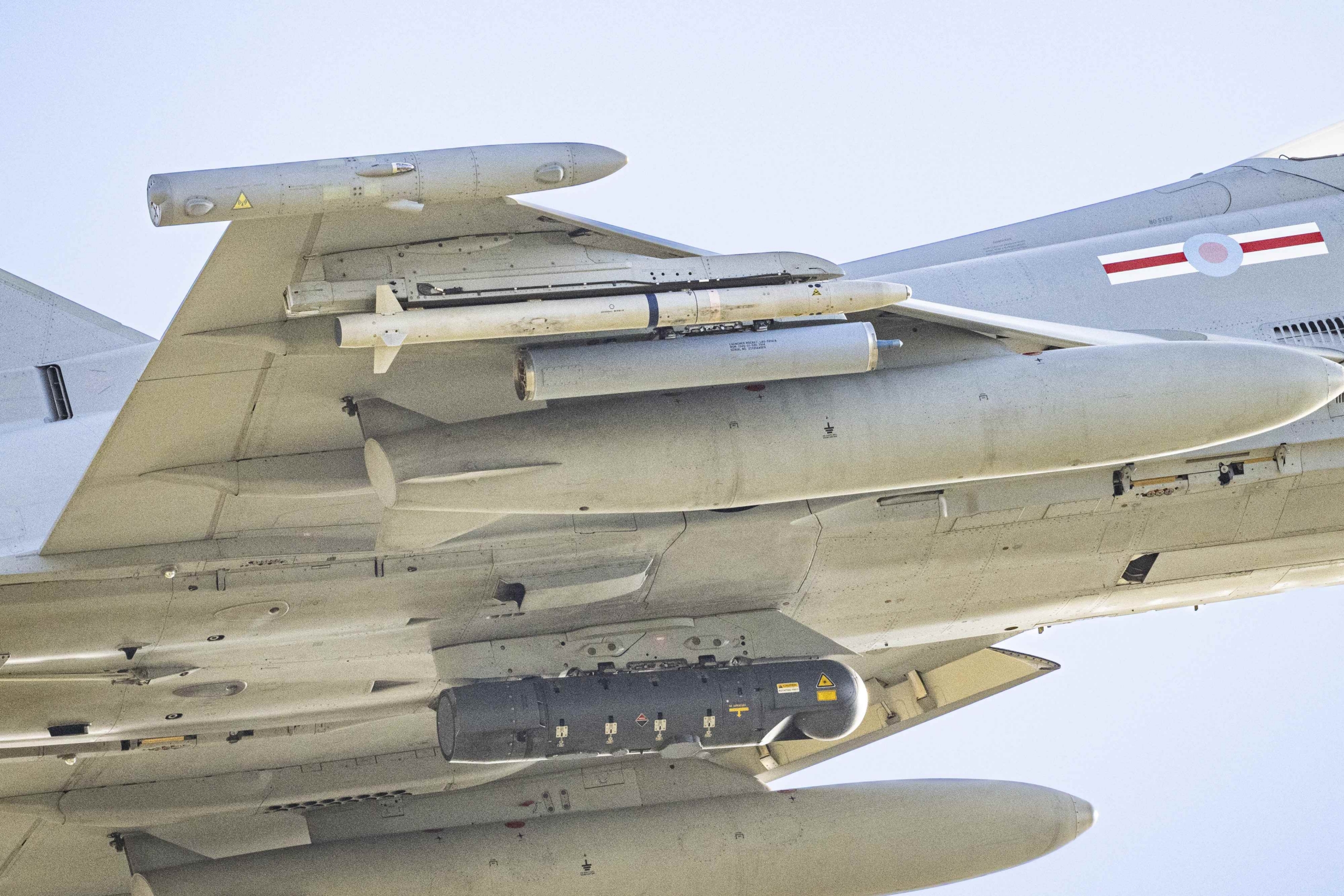
On Sunday, NATO member Romania published footage of its F-16 fighter jets shooting down two suspected Russian Geran-4 drones over its territorial waters. Geran is the Russian name for the originally Iranian-supplied Shahed-type one-way attack drones.
Romania shoots down Russian Geran drones with F-16s
Romania released footage of its F-16s downing Russian Geran drones with air-to-air missiles.
Reuters reported Romanian Defence Minister Radu Miruta as saying, “The ones from last night were flying at 450 km/h, which leads us to think they were Russian-made Geran-4 drones with a turbojet engine.” He added, “This is the first time we’ve shot down drones like these.”
The country started shooting down intruding drones earlier this year.
Romania is under pressure to step up interdiction of Russian drones as more violate Romanian airspace. Last week, two chemical tankers were hit by drones near Romania’s Black Sea coast, one inside Romanian territorial waters, with seven crew members still missing.
The Black Sea will be safe again. Two F-16 from the Romanian Air Force shot down two aerial drones that entered our airspace without authorization over the Black Sea. The military informed that the first drone entered the national airspace at 17:59 and was shot down within 2 minutes, 25km SE of Sulina. The second drone, in the same area, was engaged and shot down at 18:05, 4 minutes after entering the national airspace, 20km E of Sulina. The Black Sea serves as a critical maritime artery for the global export of grain, energy resources, and industrial commodities, making its stability vital to international food and energy security. We have briefed our Allies and EU partners. Our military has prepared for an increased intensity of hybrid interference and will continue to prioritize air defence and maritime security. At Romania’s initiative, we will have a dedicated meeting of the North Atlantic Council on Tuesday to discuss Black Sea defence and deterrence. Romania and Bulgaria are in close contact at all levels for increased coordination and accelerate operational steps towards the establishment of the EU Maritime Security Hub in the Black Sea. @vpetrova_mfa @MFABulgaria
— Ministry of Foreign Affairs of Romania 🇷🇴 (@MAERomania) October 17, 2026
The drones appear to have been headed to an area where ships are anchored off Sulina. It is unclear if they were on their way to attack more vessels within Romanian waters or not.
A NATO official said, “NATO is ready and able to react to any potential threat, 24/7, to safeguard our territory and protect our people.”
The issue with Russia’s faster Geran-4 drones
Russia is currently ramping up production of its jet-powered Geran-4 drones, and these are posing difficulties for Ukraine’s air defence and could be more problematic for NATO air defences.
Earlier piston-engine Geran variants flew at around 150-200 km/h, while the Geran-4 has a reported top speed of 500 km/h and the Geran-5 is reported to be able to reach 600 km/h.
The increased speed has two major issues. One issue is that it cuts down the amount of time available to shoot them down. The second issue is that their higher speed reduces the effectiveness of some of Ukraine’s slower interceptor drones (e.g., Stinger interceptor drones).
While that latter point is currently an issue for Ukraine, as it came to rely on its interceptor drones, it’s unclear how much this is an issue for NATO.
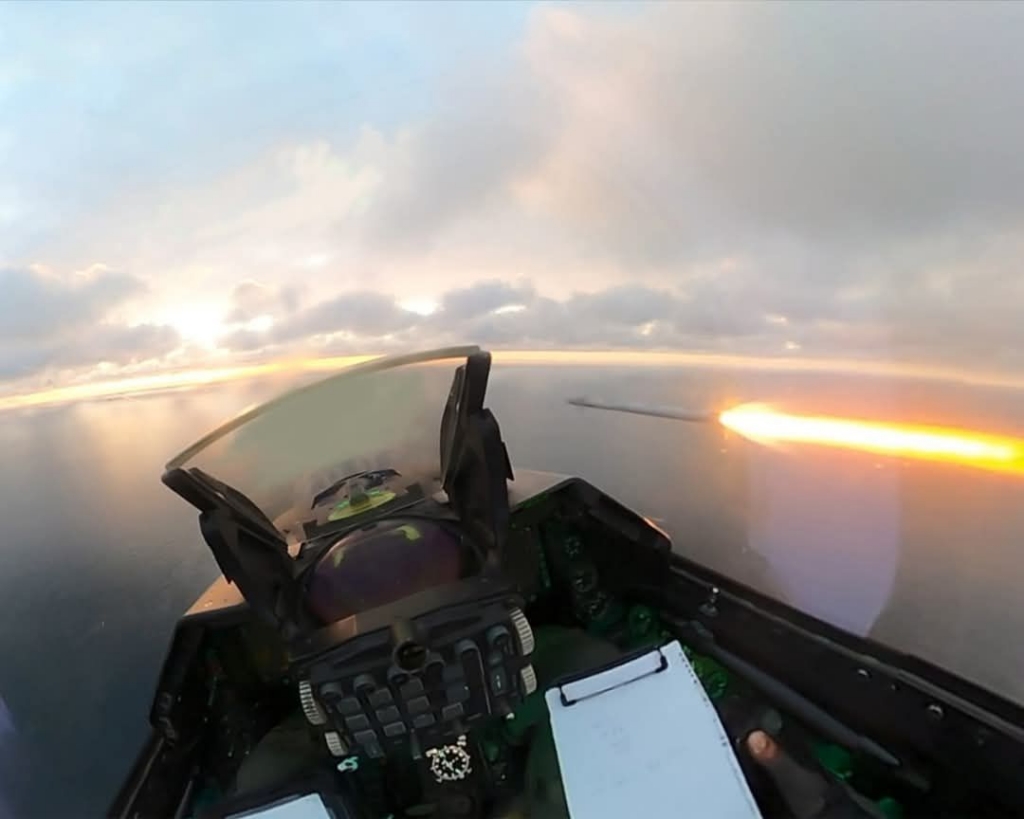
Ukraine is rapidly developing a range of new interceptor drones capable of intercepting jet-powered Geran drones, such as the Bars interceptor. Bars has already successfully intercepted jet-powered drones, and Ukraine is moving to ramp up production.
How global air defences adapt to jet-powered drones
Another aspect of the change to jet-powered drones is the relatively higher costs and the cost-exchange problem. Geran-4s are powered by a Chinese Telefly turbojet, and the Geran-5 is powered by a Chinese TF-TJ2000A turbojet.
While it is impossible to be confident about the cost Russia is paying for these drones, they are likely to be in the ballpark of double the price of older piston-engine variants.
Russia can produce these drones in large numbers, but not in the numbers of piston-engine drones. The higher costs make the shot-exchange with rockets and MANPADS more attractive.
Laser-guided rockets are emerging as one potential cost-effective way of countering faster one-way attack drones.
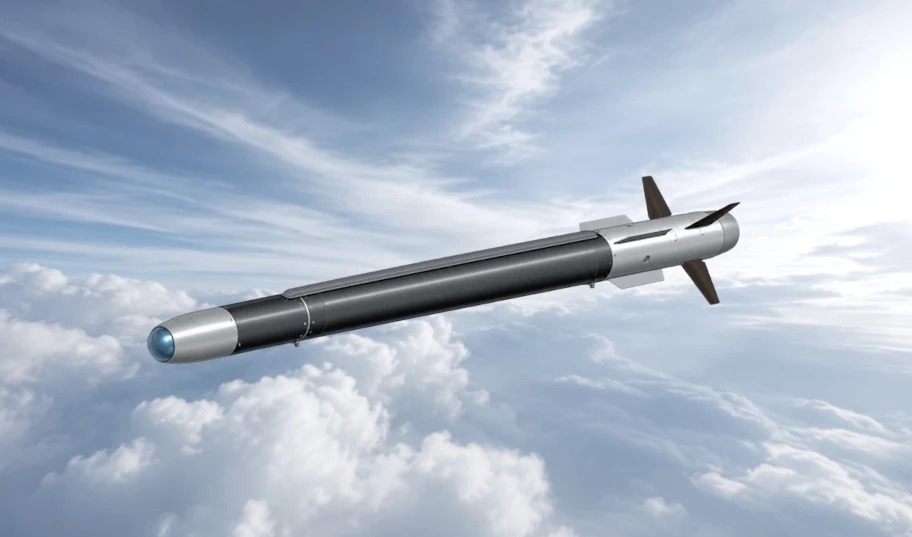
The US, UK, and France have integrated laser-guided rockets onto frontline fighters for counter-drone missions. The US and UK have integrated APKWS II/AGR-20A, and France has integrated its 68 mm laser-guided rocket.
Belgium is trialling laser-guided rockets on F-16s, while Italy has sought US approval to acquire more than 5,000 APKWS guidance kits for counter-drone and other missions
Besides integrating cost-effective air-to-air missiles and developing more capable interceptor drones, a range of other systems are being developed to better counter jet-powered drones.
Effective solutions could include affordable SAM systems. MBDA is explicitly developing its Counter Mass Interceptor because European militaries are trying to avoid using expensive traditional missiles against mass drone attacks.
Sign up for our newsletter and get our latest content in your inbox.


More from


October 17, 20264 min read