Rumours of India-Armenia Su-30MKI deal resurface but HAL remains tight-lipped

4 min read
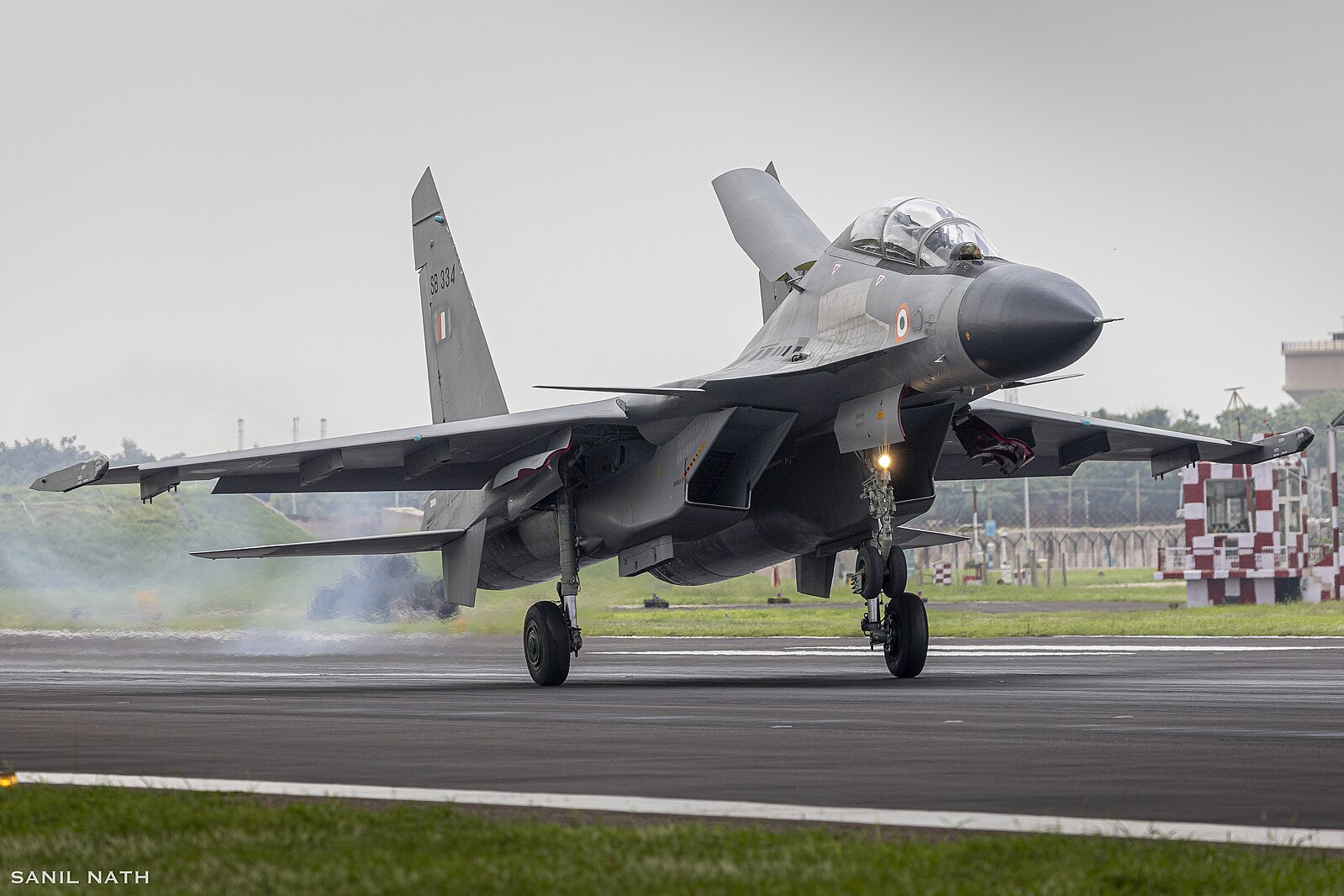
Reports suggesting that India is close to finalising a major defence agreement with Armenia for the sale of Su-30MKI fighters have surfaced once again, reigniting talk of a deal that has been rumoured for months.
The buzz, however, has been met with the usual calm from Hindustan Aeronautics Limited (HAL), the licensed manufacturer of the Russian-designed fighter in India.
Officials at the company say there has been no official word from the Ministry of Defence. One senior executive commented, “We haven’t been informed of any such development.”
That measured response hasn’t stopped the speculation. The timing of the reports, coming soon after the opening of HAL’s new Light Combat Aircraft production line at Nashik, has only added to the chatter that something significant might be brewing.
Under a deal signed in 2000, HAL has built more than 220 Su-30MKI aircraft from knockdown kits and raw materials at its facility in western India.
Renewed rumours of India–Armenia Su-30MKI fighter jet deal
The India–Armenia fighter deal has become something of a seasonal story. Every few months, new reports emerge, often quoting unnamed defence sources, suggesting that the two governments are edging closer to a contract.
This time, the figures being mentioned are substantial, somewhere between $2.5 and $3 billion, with deliveries possibly beginning around 2027. None of that has been confirmed, of course.
NEW: Armenia is set to buy 8–12 upgraded Su-30MKI fighter jets from India — marking India’s first-ever export of newly built combat aircraft.
— Clash Report (@clashreport) November 1, 2025
The $2.5–3 billion deal aims to counter Azerbaijan’s growing JF-17C fleet.
Source: Defense Express pic.twitter.com/tnklj57m1z
In Delhi, officials remain cautious. “A number of countries are talking to us about various defence platforms, including missiles and aircraft,” said a defence ministry source, “but we don’t comment until something is actually signed.”
It’s a familiar pattern: rumour, denial, and then, sometimes, eventual confirmation once the paperwork catches up.
Armenia strengthens defence ties with India amid regional tensions
What is beyond dispute is that Armenia has been steadily expanding its defence ties with India. In recent years, Yerevan has placed several major orders, including the Pinaka rocket system, Swathi radar, and ATAGS howitzer.
Adding the Su-30MKI to that list would be a significant step up and a clear indication that Armenia is seeking to diversify away from Russian equipment, which it has relied on for decades.
Yerevan already operates four Su-30SM fighters supplied by Russia in 2019, but they have seen limited use due to maintenance issues and the lack of compatible air-to-air missiles.
If Armenia is indeed considering the Su-30MKI, it is likely attracted by the aircraft’s hybrid design — Russian at its core but layered with Indian-built systems that give it a distinctive technological edge.
The variant that could be on offer would include the indigenous Uttam AESA radar, Indian-made Astra missiles, and upgraded electronic warfare suites. Together, these would give the jet greater reach, situational awareness, and flexibility than the older Russian model.
That capability could prove especially relevant as Armenia faces a rapidly modernising Azerbaijan. Although a peace deal has been brokered between the two countries, tensions remain high along their shared border.
Baku has ordered up to 40 JF-17 Thunder fighters from Pakistan. In October 2025, Azerbaijan already received its first batch of JF-17C Block III aircraft equipped with an advanced radar and beyond-visual-range missiles.
Why a Su-30MKI export deal would be a breakthrough for India
For New Delhi, such a deal would be a milestone. India has sold radars, rockets, and missiles abroad, but never a frontline combat aircraft.
An Su-30MKI export would mark a new chapter, enhancing HAL’s standing and reinforcing India’s credentials as a serious defence exporter.
That said, HAL’s production lines are already busy. The company is currently delivering 12 additional Su-30MKIs to the Indian Air Force while preparing for a major upgrade programme known as ‘Super Sukhoi’. Balancing these commitments with a potential export order would require a ramp-up in capacity.
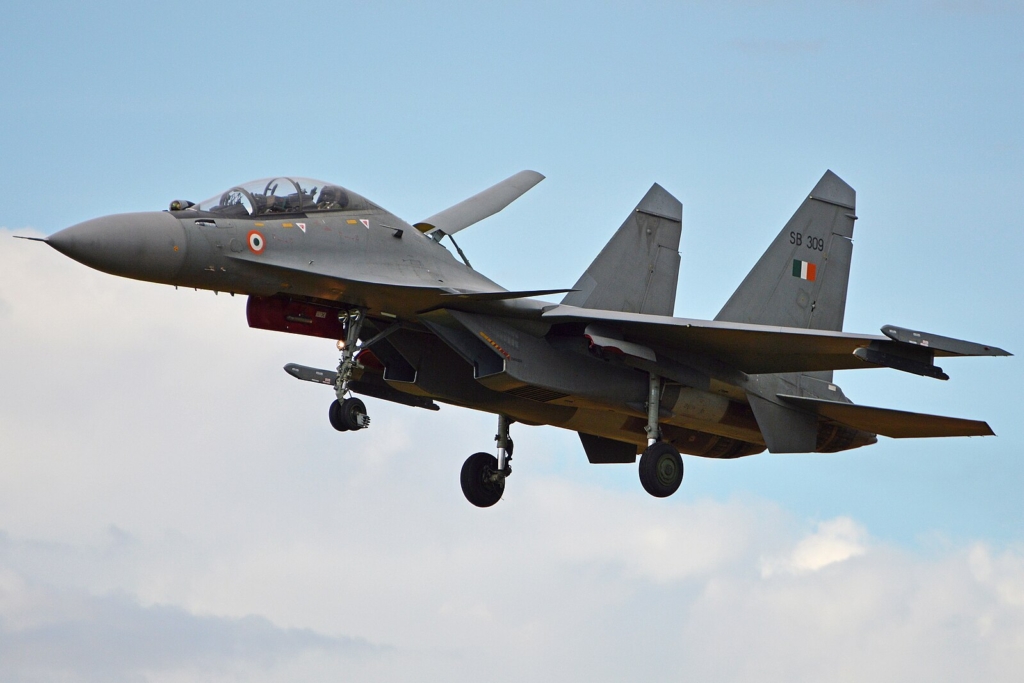
A persistent question around the Su-30MKI concerns its Russian-built AL-31F engine. It is reliable but expensive to maintain. India has been exploring alternatives, including the AL-41F1S, which offers greater thrust and a longer service life.
HAL’s Koraput division has been developing domestic overhaul capabilities to reduce dependence on Russian support — a move that would also make the aircraft more appealing to export customers.
Strategic calculations on both sides
Armenia’s interest in Indian fighters extends beyond hardware. With its traditional reliance on Russia weakened by Moscow’s preoccupations elsewhere, Yerevan is looking for dependable new partners. India, for its part, would gain a strategic foothold in the Caucasus and a chance to showcase its growing aerospace capabilities.
Still, for now, neither HAL nor the Ministry of Defence is confirming anything.
If the deal eventually materialises, it would be a defining moment for both countries — a long-awaited boost for Armenia’s air power and a clear signal that India’s aerospace industry has arrived on the global stage.
Until then, the Su-30MKI’s flight to Yerevan remains, as ever, a story of rumours circling the runway, waiting for clearance to take off.
Featured image: Sanil Nath / Wikimedia
Sign up for our newsletter and get our latest content in your inbox.


More from


October 17, 20264 min read