Fume events: How to report smoke or smells in an aircraft cabin

3 min read
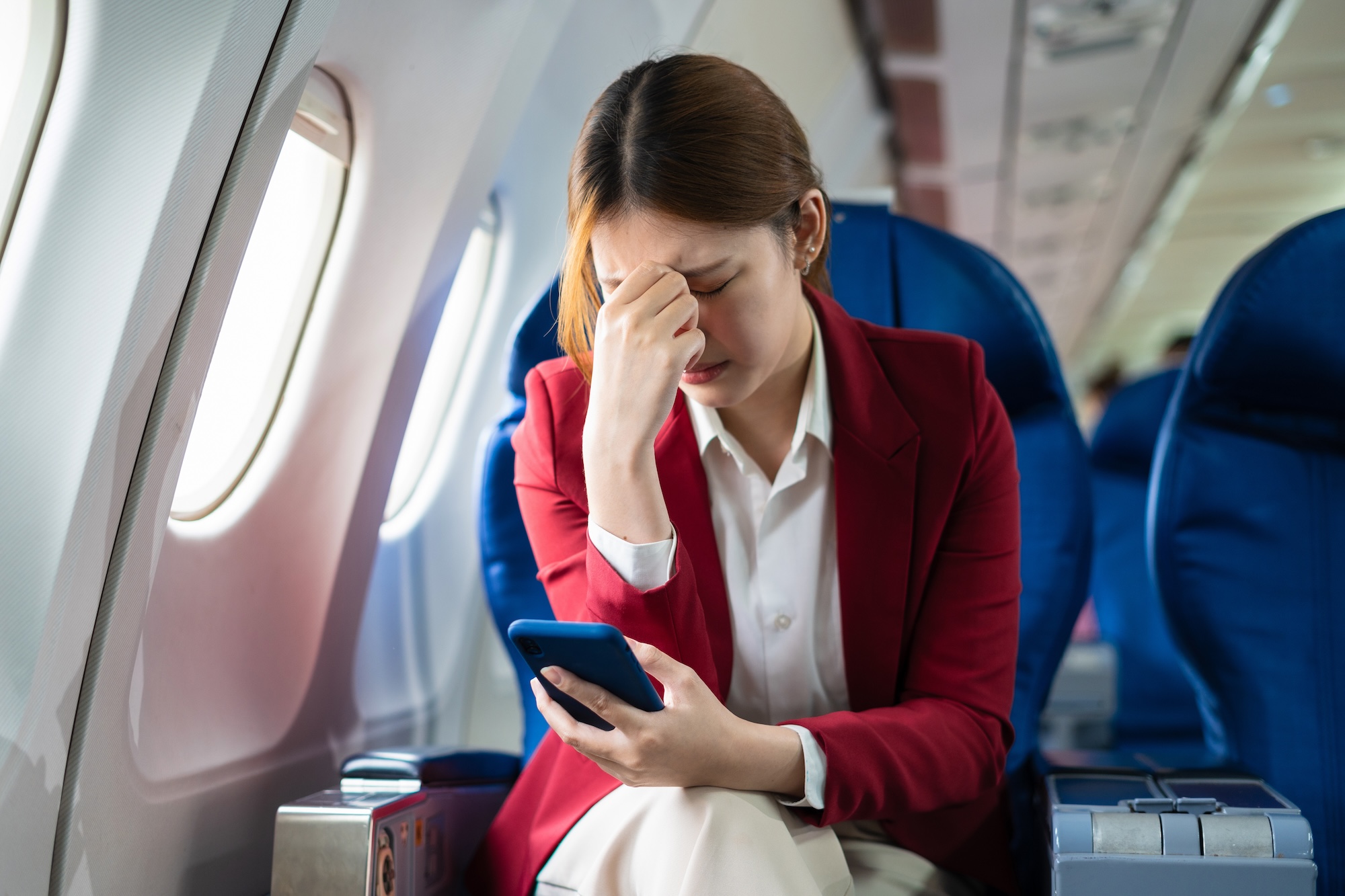
An unusual smell aboard an aircraft may vanish before engineers can investigate it. Even when passengers and crew notice smoke or fumes, they may not know whether the source was the air supply, a galley appliance or something outside the aircraft.
The Global Cabin Air Reporting System (GCARS) offers a way to record what happened. Developed by the UK-based Global Cabin Air Quality Executive (GCAQE), it is open internationally to passengers, pilots, cabin crew and others who encounter a suspected air contamination event. Anyone noticing smoke or fumes during a flight should alert the crew at the time; the online form provides a record afterwards.
Who can report a cabin air fume event?
The Airline Division of the Canadian Union of Public Employees (CUPE) has partnered with GCAQE to encourage reporting. It has packaged GCARS with guidance on symptoms, medical follow-up and contacting the union, accessible through a web-based resource that can be shared between devices.
Yet the reporting system itself is for far more than Canadian flight attendants. “Everybody can use it,” Nicola Schnell, CUPE’s National Coordinator and Senior OHS Specialist for its Airline Division, told the 2026 Aircraft Cabin Air Conference in London.
Users can choose a short or detailed form. Useful information includes the flight number and date, aircraft type or registration if known, when the smell or smoke appeared, where it was noticed, how long it lasted and whether anyone experienced symptoms. A unique access code allows a reporter to add details later.
The system follows guidance from the International Civil Aviation Organization on documenting suspected fume events. “We wanted the reporting guidelines based on ICAO,” Schnell said. “We didn’t want to make them up.”
For crew, CUPE stresses that GCARS does not replace reporting to an employer. Nor does it automatically notify a union local or health and safety committee, fulfil an insurance requirement or guarantee a personal response.
It does, however, provide useful detail to those seeking to prevent injuries and sickness caused by exposure to toxic fumes.
What have the first reports shown?
Schnell said CUPE’s rollout, launched in February 2026, had produced 100 reports by the time of the conference. Those early submissions have revealed gaps in the information people provide.
Some omitted an aircraft identifier, limiting the ability to connect separate accounts involving the same aircraft. Others described symptoms but had apparently not sought medical attention.
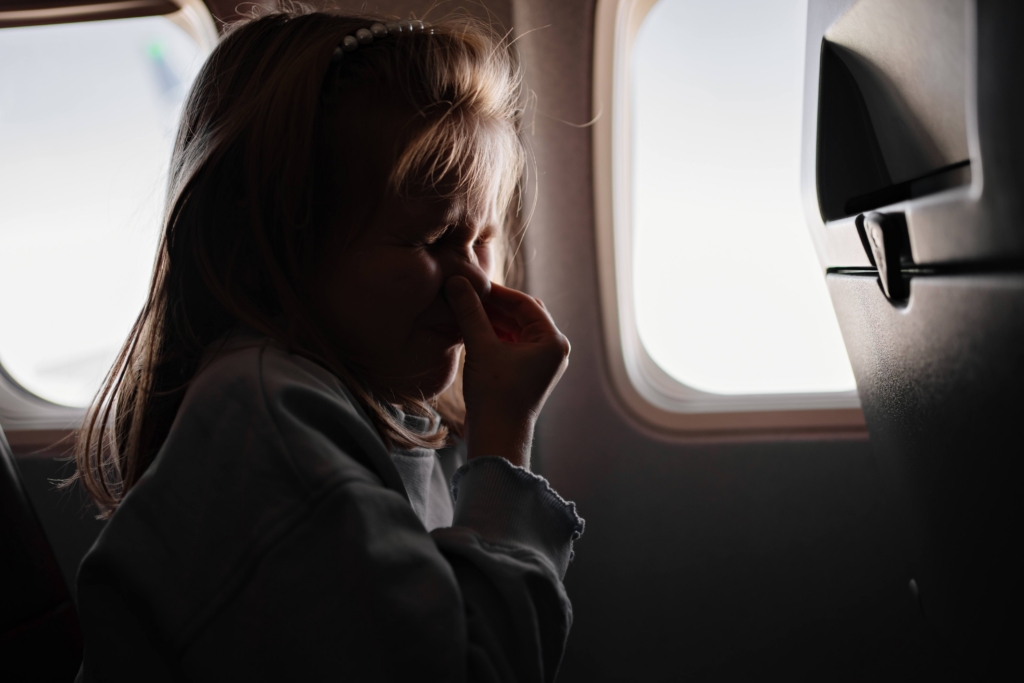
Schnell said that, so far, 28% of reports have used the longer form option, which was higher than was anticipated. However, she added that future updates to the app may make crucial details mandatory to include, such as the aircraft identifier.
Schnell said reminders also make a difference: reporting increases when the union runs a social media campaign. CUPE is considering how to encourage more complete entries and better medical follow-up without making the form too demanding for someone dealing with an incident.
Why reporting smells and fumes on aircraft matters
A fume event may last only moments and prove difficult to reproduce once an aircraft lands. Knowing its registration and the phase of flight can help investigators check maintenance records, compare accounts from the same aircraft and consider whether the event coincided with engine start, a power change or auxiliary power unit operation.
Those details cannot establish a cause on their own. Australia’s aviation regulator notes that possible sources include air supply systems, ground vehicles, electrical equipment and items within the cabin. It has also found that incomplete reports can make the source difficult to identify.
GCARS submissions enter GCAQE’s database, where non identifying information may be used for research. CUPE says a copy is provided to its national health and safety branch.
As more information is recieved from crew and passengers, patterns could emerge that make it easier to define the driving factors behind fume events, and the best mitigation measures to tackle them.
Sign up for our newsletter and get our latest content in your inbox.



More from


October 13, 202612 min read