Australian pilots detect cabin air particle spikes without fume event reports

3 min read
Australian pilots using portable air monitors recorded rises in particle counts on dozens of flights where crews did not identify a possible fume event.
Ultrafine particles are small enough to escape ordinary visual detection. They can be generated when engine oil or other fluids are heated, so a sudden rise may give investigators a lead that a smell report cannot. The count alone cannot reveal what the particles are made of, where they came from or whether the concentration poses a health risk.
The Australian Federation of Air Pilots (AFAP) monitored 73 flight sectors using instruments carried by volunteer pilots. On 34 sectors, counts rose above 10,000 particles per cubic centimetre, according to preliminary results presented by the union’s safety and technical manager, Captain Marcus Diamond, at the 2026 Aircraft Cabin Air Conference in London. Crews identified possible fume events on just six of those sectors.
“We found already that some aircraft are clean and some are not, and we can identify them,” Diamond said.
Monitoring aircraft cabin air in flight
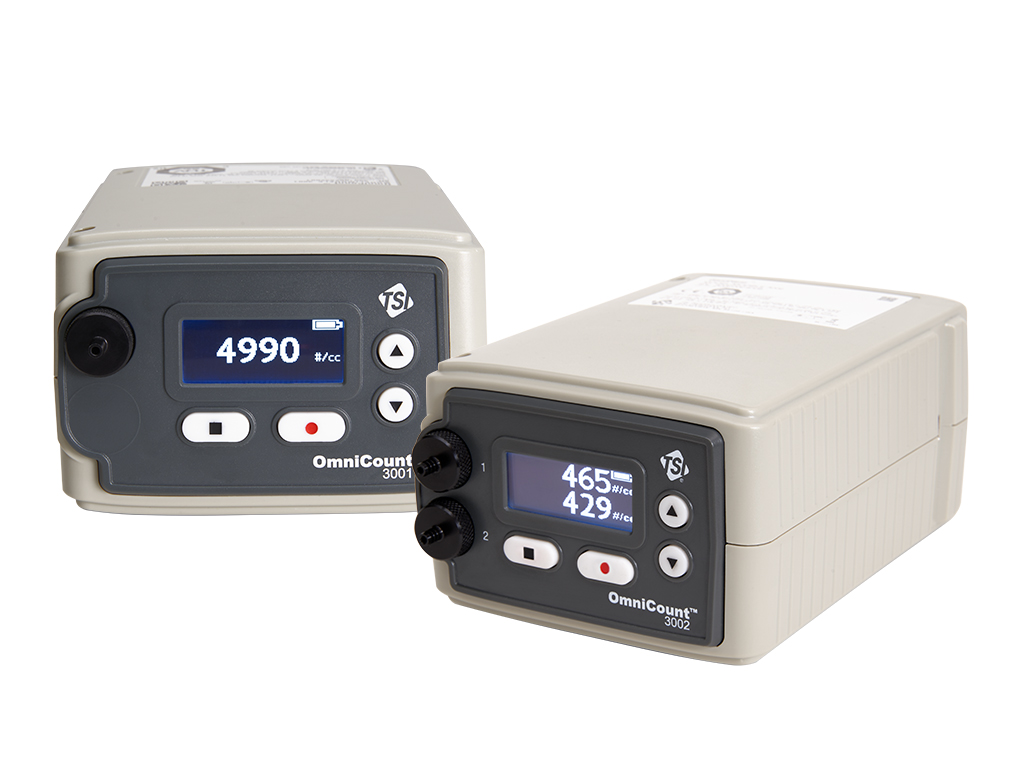
The pilots carried water-based OmniCount instruments supplied on loan by manufacturer TSI. The devices continuously record particle counts, allowing AFAP to compare changes with takeoff, climb, cruise and landing. TSI says the portable instrument detects particles smaller than 10 nanometers up to 1,000 nanometers.
Some of the traces showed high counts while aircraft were on the ground, followed by a rapid fall after takeoff. “In two to eight minutes after takeoff, it’s driven down really quickly, and then it stays down until landing,” Diamond said of one example. “So I would call that a clean aircraft.”
Other traces showed rises during climb or sustained increases in flight. Ground readings were harder to interpret: vehicles, nearby aircraft and other airport activity can all add particles to the air. “We can’t distinguish that,” Diamond said of a rise recorded on the apron.
Nor does the device identify an airborne substance. “It’s not chemical analysis. It’s just ultrafine particles,” he said. Investigating an individual trace would require further sampling and examination of the aircraft’s systems and operating data.
Why crew reports may miss fume events
The 10,000-particle figure was a reference Diamond chose for this initial analysis after taking readings in his office. It is not a regulatory exposure limit, and the AFAP results have not yet undergone full analysis.
“This wasn’t a full-blown scientific study,” Diamond acknowledged. The volunteers used borrowed equipment, and AFAP has more flight data to process.
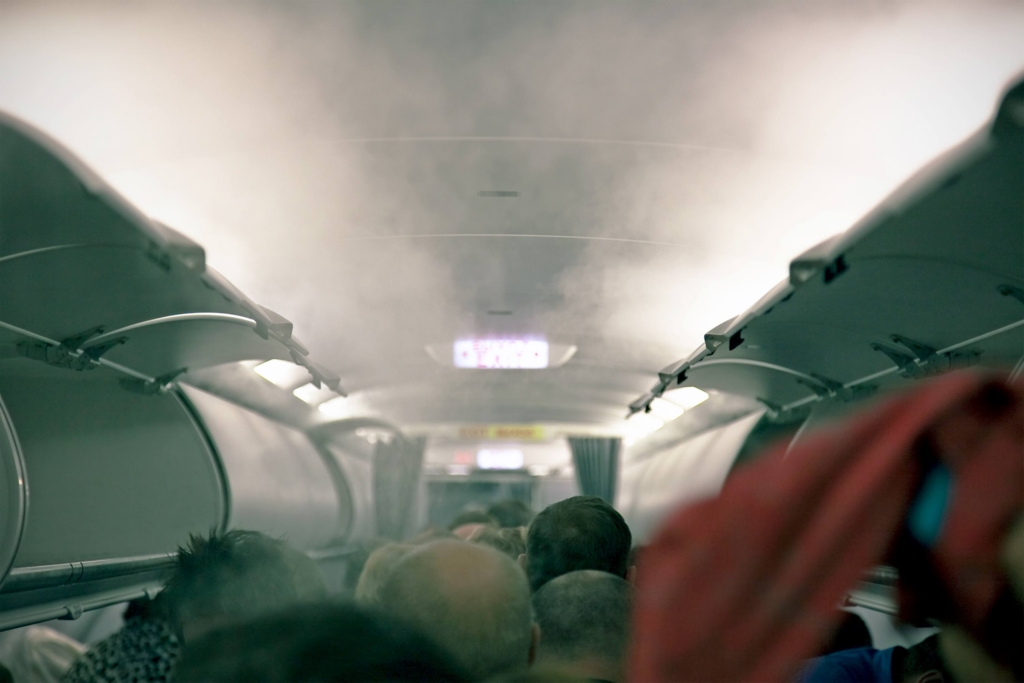
The work builds on an earlier, small AFAP trial that collected air samples after crews suspected a fume event. Laboratory analysis detected organophosphates in 16 of 20 samples. This time, the pilots ran monitors throughout ordinary flights, giving them a chance to see changes that would not necessarily prompt a crew report.
Australia’s Civil Aviation Safety Authority issued guidance in February on recognising, responding to and reporting smoke and fume events. It lists several possible sources of contamination, from engine and auxiliary power unit air supplies to ground vehicles, electrical systems and cabin equipment. The authority also notes that incomplete reports can make it difficult to identify the source of an event.
Diamond wants routine measurement to help crews and engineers investigate changes as they occur. “Contamination that is measurable is fixable,” he said. “Measurement should be mandated, not volunteered by a pilot using the borrowed equipment.”
Sign up for our newsletter and get our latest content in your inbox.


More from


October 13, 202612 min read