Study links chemicals found in aircraft fume events to reproductive health risks

4 min read
Chemicals associated with contaminated aircraft cabin air have demonstrated widespread hormone-disrupting activity in a new peer-reviewed study, raising fresh questions about the possible health implications of aircraft fume events.
Researchers assessed 42 organophosphate compounds and commercial mixtures, finding that 88% disrupted oestrogen or androgen receptor activity at concentrations below those causing general cell toxicity.
Aryl and triaryl phosphates, a chemical group that includes anti-wear additives used in aircraft turbine oils, produced some of the strongest effects. All compounds tested within the study’s triaryl phosphate cluster displayed endocrine activity, with one-third producing effects at concentrations below 1 mg/L.
The findings do not establish that experiencing an aircraft fume event causes infertility, reproductive illness or other health conditions. The researchers did not recreate a cabin contamination event or assess passengers and crew. However, the results identify biological activity associated with reproductive harm among chemicals that have previously been detected in aircraft cabin air.
Study finds widespread endocrine disruption
The research, published in the journal iScience, combined computer modelling with laboratory assays measuring how organophosphates affected oestrogen receptor alpha and the androgen receptor.
These receptors form part of the body’s hormonal signalling system and play important roles in reproductive health and development. Chemicals that interfere with them may mimic, block or alter the action of natural hormones.
Of 13 substances already classified by regulators as reproductive toxicants or endocrine disruptors, or shown to cause reproductive effects in recognised studies, 12 affected at least one of the receptors examined.
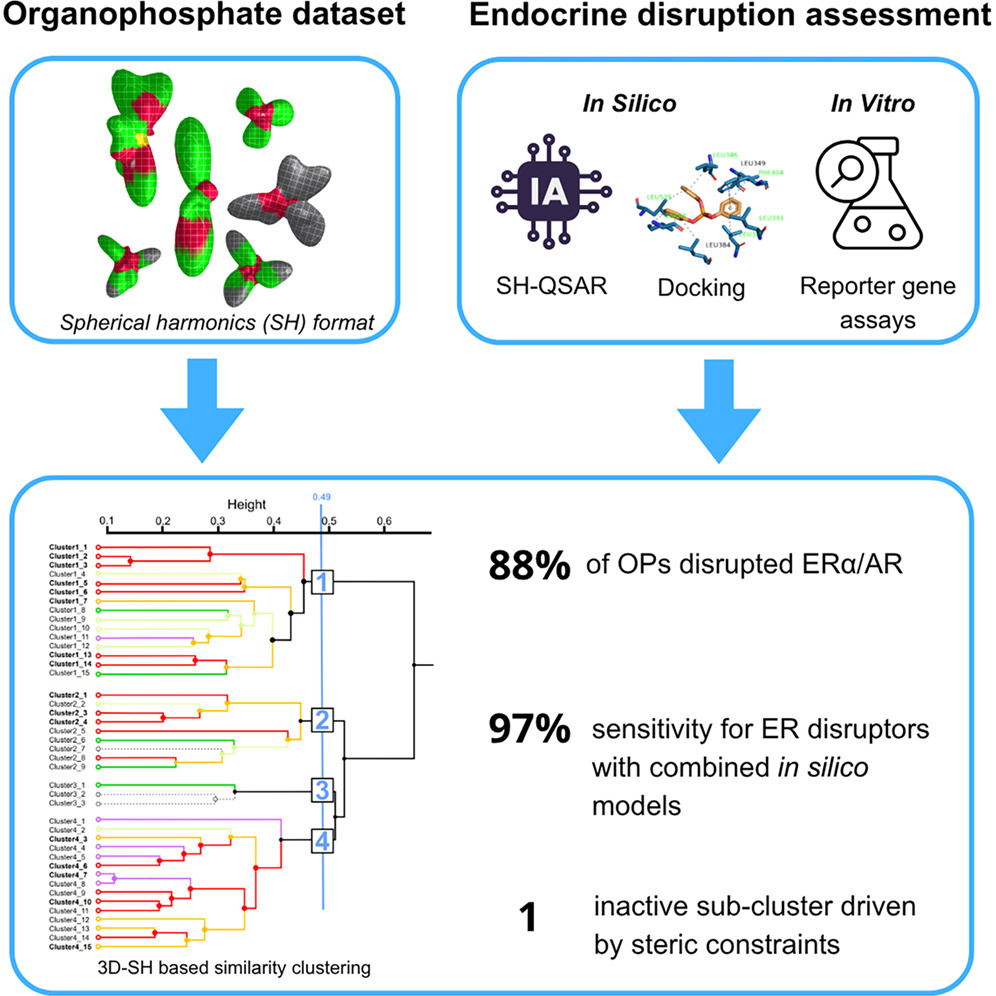
Combined oestrogen and androgen receptor testing identified 92% of the compounds with existing evidence of reproductive toxicity.
The researchers said this correlation could make receptor testing a useful early-warning tool when selecting chemicals for industrial applications. Their work also identified several structurally different organophosphates which demonstrated little or no activity, suggesting that less hazardous substitutes may be possible.
There are important limitations. The study primarily used computational models and cell-based assays, which cannot fully reproduce metabolism, bioavailability or the interaction of chemicals within the human body. The authors also acknowledged that some concentrations used in laboratory testing may exceed typical environmental or human exposure levels.
How organophosphates can reach an aircraft cabin
Organophosphates are a broad family of chemicals used in products including pesticides, flame retardants, plastics, hydraulic fluids and lubricants. They do not all possess the same properties or level of toxicity.
In aircraft turbine oils, organophosphate additives provide essential protection against wear under high temperatures and mechanical loads. Tricresyl phosphate, commonly known as TCP, is among the best-known examples and is already classified as toxic to reproduction.
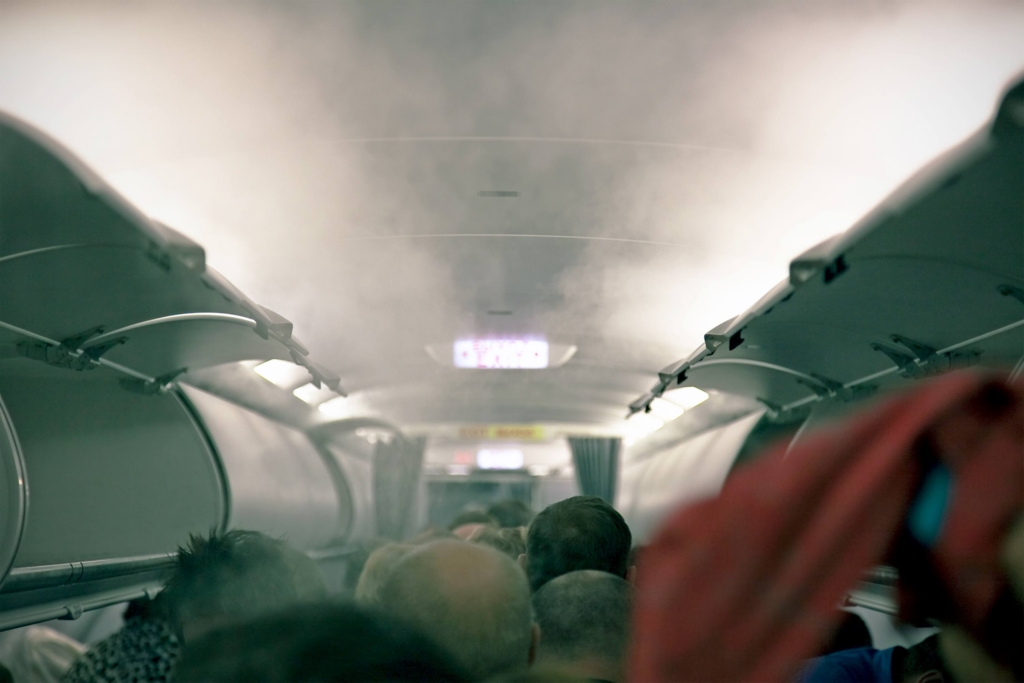
Most commercial aircraft take compressed air from their engines to ventilate and pressurise the cabin. If oil passes worn or faulty seals, or migrates into the air supply under particular operating conditions, vapours and aerosols can enter the cockpit or passenger cabin.
These incidents are commonly known as fume events. They may be accompanied by smoke, haze or an oily, chemical or “dirty sock” smell, although contamination is not always visible or immediately recognised.
Heat can also alter the oil and generate a complex mixture of decomposition products. This means the contents and classification of unused liquid oil do not necessarily represent everything occupants could inhale during an event.
Could safer turbine oils reduce the hazard?
The research indicates that changing the additives used in aircraft oils could reduce at least some of the potential hazard.
French lubricant manufacturer NYCO co-funded the study with INSERM, while several of its authors are affiliated with the company. NYCO has separately developed TURBONYCOIL 940 SE, a turbine oil using a new anti-wear formulation that it says avoids the neurotoxic and reproductive hazards associated with conventional TCP-based chemistry.
NYCO says the finished product requires no hazard labelling under European CLP or international GHS rules. It has also met the MIL-PRF-23699 HTS and SAE AS5780 HPC lubricant performance specifications.
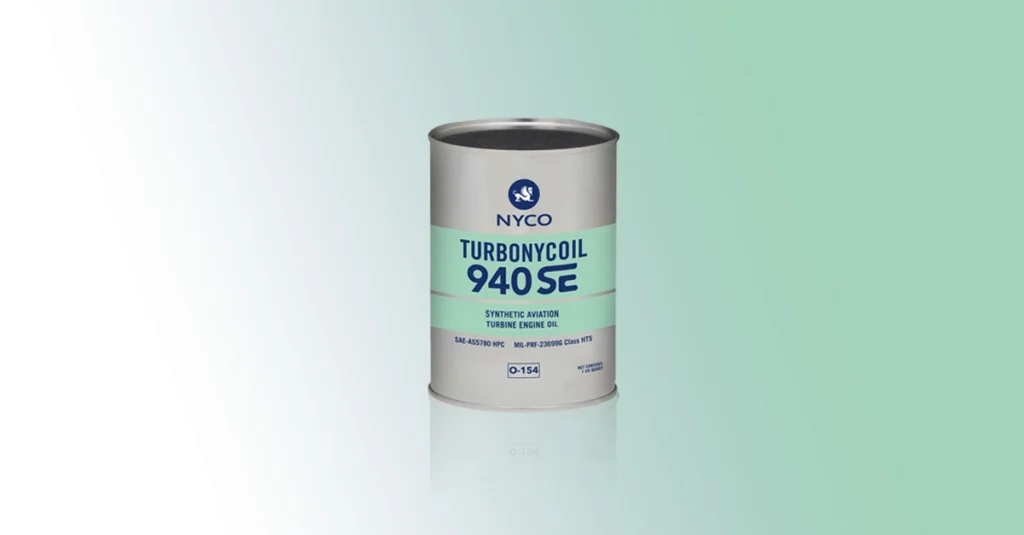
However, the study examined individual organophosphates and mixtures rather than TURBONYCOIL 940 SE itself. It does not identify which compound is used in the oil, nor does it compare fumes produced by heating the finished product with those from established turbine oils.
The oil has also not secured approval for use from a commercial aircraft engine manufacturer, despite Air France saying it “fully supports the launch of TURBONYCOIL® 940 SE … and we look forward to this oil becoming a usable option for our propulsion systems.”
Aerospace Global News contacted all major commercial aircraft engine manufacturers about the research, lower-toxicity turbine oils and whether they were considering approving TURBONYCOIL 940 SE. None had provided a substantive response by the time of publication.
Aircraft Cabin Air Conference 2026
The health, operational and regulatory questions surrounding contaminated aircraft air will be examined at the Aircraft Cabin Air Conference 2026, taking place at Imperial College London on 22 and 23 September.
The two-day international conference will bring together scientists, engineers, regulators, accident investigators, airlines, crew representatives and equipment providers to examine the latest research into cabin air contamination.
Presentations will also explore flight safety implications and the technical, regulatory and commercial solutions available to airlines and aircraft operators. Registration is now open through the conference website.
Sign up for our newsletter and get our latest content in your inbox.


More from


October 13, 202612 min read