What’s that smell? Aircraft fume events back in spotlight ahead of London conference

4 min read
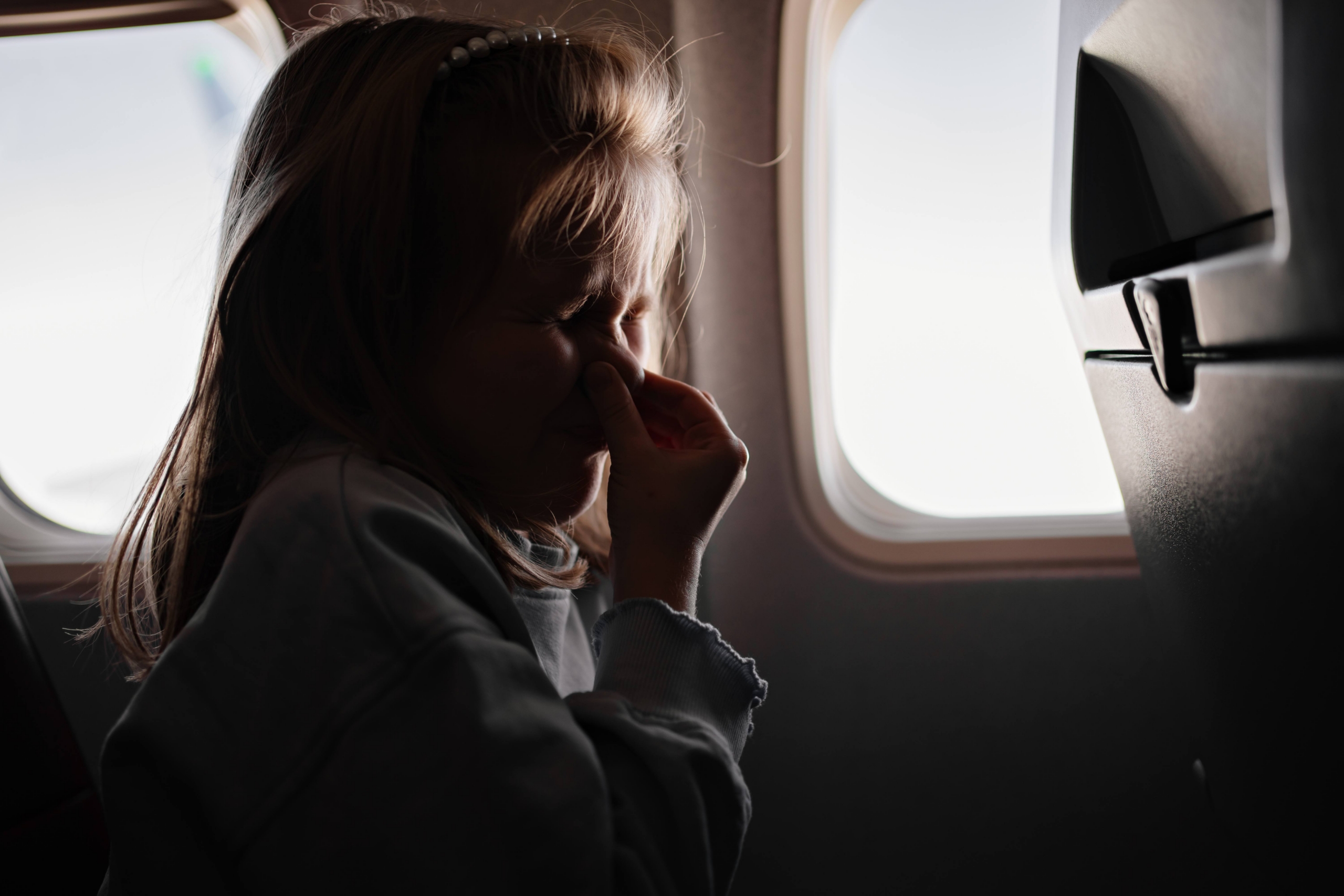

In the space of just a few days, passengers have been evacuated from a Boeing 757 after smoke and fumes were reported in the cockpit, while a JetBlue Airbus A320 diverted to Jacksonville after its pilots encountered an acrid smell that irritated their eyes and lungs.
Look for these types of incidents, and they are surprisingly easy to find.
A major Wall Street Journal investigation into aircraft fume events found 108 reported incidents per million departures among major US airlines in 2024, equivalent to around two a day. But internal airline industry data reviewed by the Journal estimated the true rate could be closer to 800 events per million flights, or around 22 every day in the US alone.
It is an issue that has been debated for decades, and one that will come under renewed scrutiny when the 2026 Aircraft Cabin Air International Conference brings aviation, medical, regulatory and scientific experts together in London this September.
What is an aircraft fume event?
The UK Civil Aviation Authority describes a fume event as involving an unusual odour, mist or smoke on an aircraft. Not every strange smell in a cabin is evidence of contaminated air: sources can range from overheated electrical equipment to cleaning products or something burning in a galley oven.
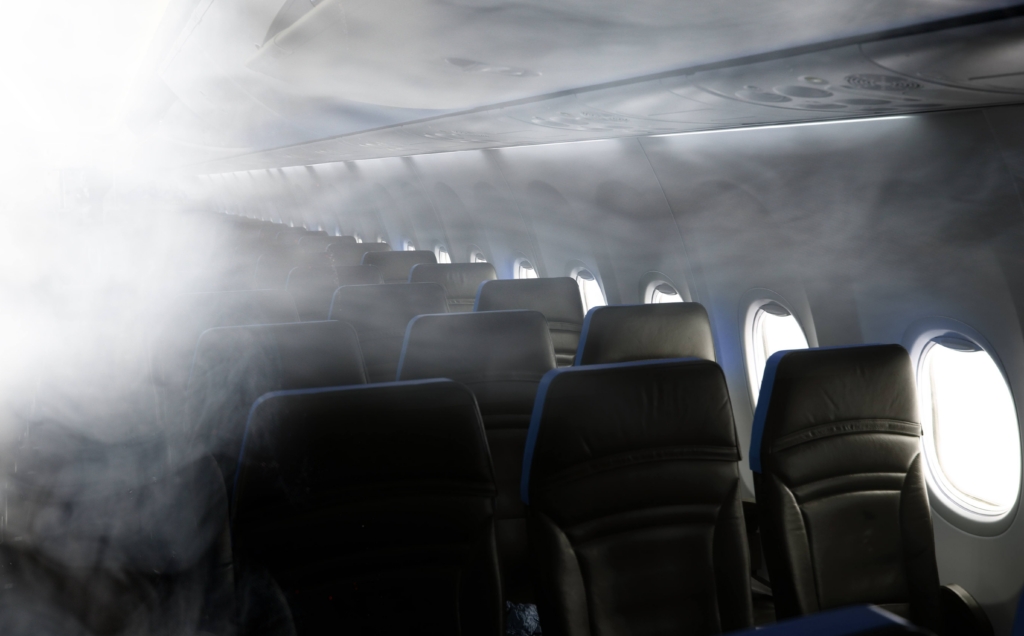
But on most commercial aircraft, outside air used to ventilate and pressurise the cabin is taken from the compression stages of the engines through the bleed-air system. If oil or other fluids contaminate that air supply, fumes can potentially reach the cockpit or cabin.
The smell can be difficult to describe. Engine-oil-related events have been likened to dirty or wet socks, while others are described as acrid, chemical or oily.
The debate is not simply about how frequently this happens, but how events are detected, reported and investigated, what they mean for flight safety and whether more can be done to prevent them.
Scientific work is continuing too. A recently published iScience study examining 42 organophosphates and commercial mixtures found widespread endocrine-disrupting activity, with aryl and triaryl phosphates showing some of the strongest effects. The researchers specifically identify aviation lubricants as a source of exposure to certain organophosphates.
Aircraft Cabin Air Conference returns to London
The 2026 Aircraft Cabin Air International Conference takes place at Imperial College London on September 22 and 23, bringing together more than 30 speakers and contributors from aviation, science, medicine, regulation, unions and industry.
The conference is designed to examine not only the contaminated-air debate itself, but what aviation can practically do about it.
Its objectives include mapping the flight-safety implications of contaminated air through case studies and accident investigations; examining the latest medical and scientific research; considering legal, regulatory and workers’ compensation issues; and reviewing the positions and guidance of organisations including ICAO, IATA, EASA, the FAA, IFALPA, ITF and GCAQE.
Crucially, the program will also look at potential solutions, including less hazardous engine oils, bleed-air filtration, contaminated-air warning sensors and air-cleaning technologies, as well as developments in reporting and investigation.
Among the confirmed subjects are the EASA CAQ III cabin-air research program, the implications of cabin-air provisions in the FAA Reauthorization Act of 2024 and the work of the UK’s All-Party Parliamentary Group (APPG) on Cabin Air Quality.
Alongside scientists and medical doctors, industry speakers confirmed so far include specialists from Portuguese airline TAP, Collins Aerospace, Pall Aerospace, PTI Technologies, TSI, Aeroparts, CTT Systems and BASF. Worker speakers include Association of Flight Attendants-CWA International President Sara Nelson and the International Transport Workers’ Federation Civil Aviation Secretary Bilal Malkawi.
The Aircraft Cabin Air International Conference takes place at Imperial College London on September 22–23. Early-bird registration is currently available at £525 plus tax, with booking available through the conference website.
Have you experienced a fume event?
The British APPG on Cabin Air Quality is also seeking evidence from people with first-hand experience of an aircraft fume event as part of its ongoing inquiry.
Pilots, cabin crew, passengers and others who have personally experienced an event are being encouraged to complete the APPG’s survey, with responses helping parliamentarians build a clearer picture of what happens when these incidents occur and how those affected experience the aftermath.
For an issue aviation has been debating for decades, there is no shortage of new evidence, new incidents or new questions. September’s conference will bring many of the people trying to answer them into the same room.
Sign up for our newsletter and get our latest content in your inbox.