Houthis shoot down Saudi drone as airspace warning issued

3 min read
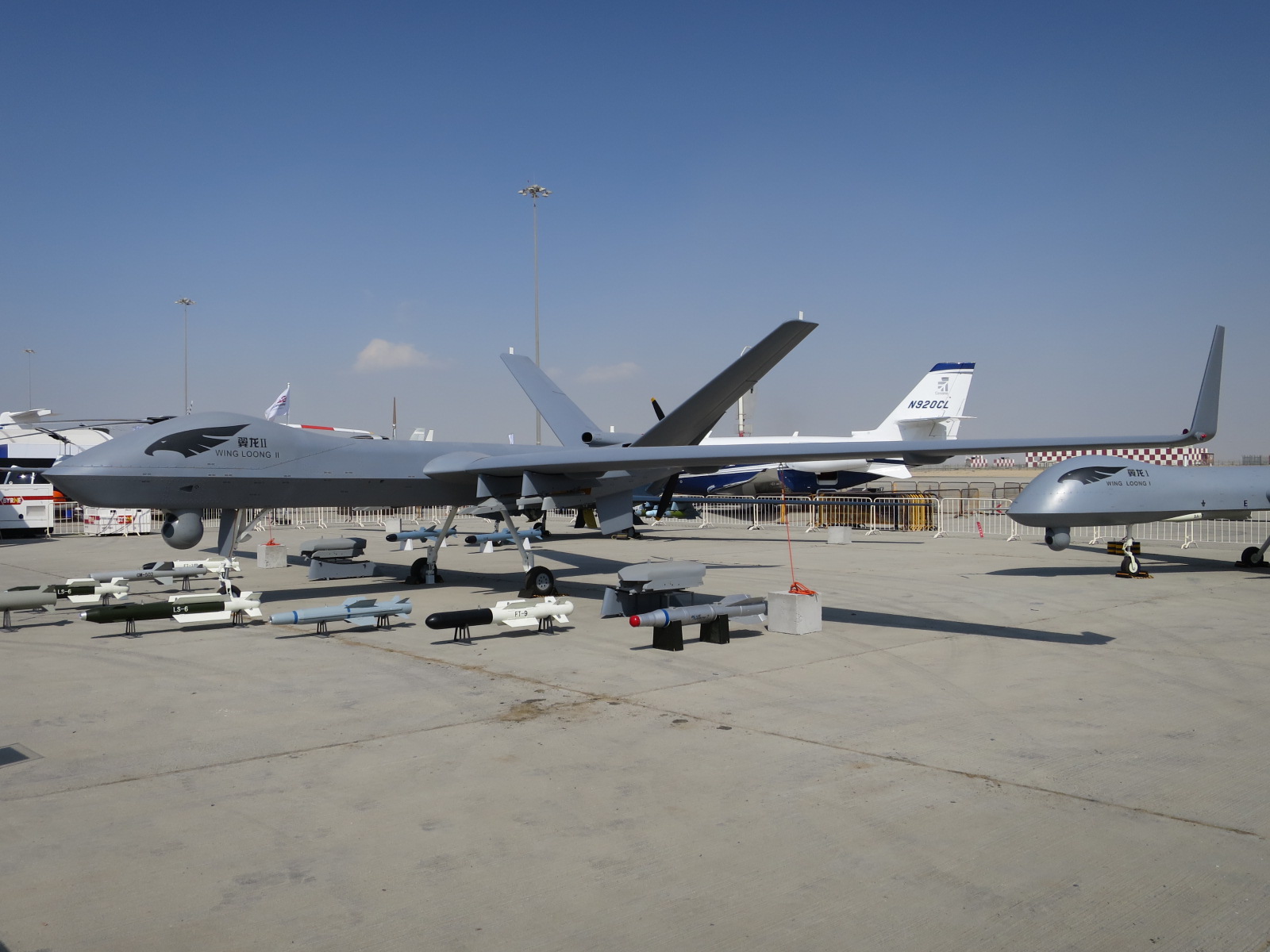
After airstrikes on the Sanaa Airport, the Houthis claim to have shot down a Chinese-supplied Saudi Arabian drone using “locally made” SAMs. They have also warned commercial airlines from using Saudi airspace.
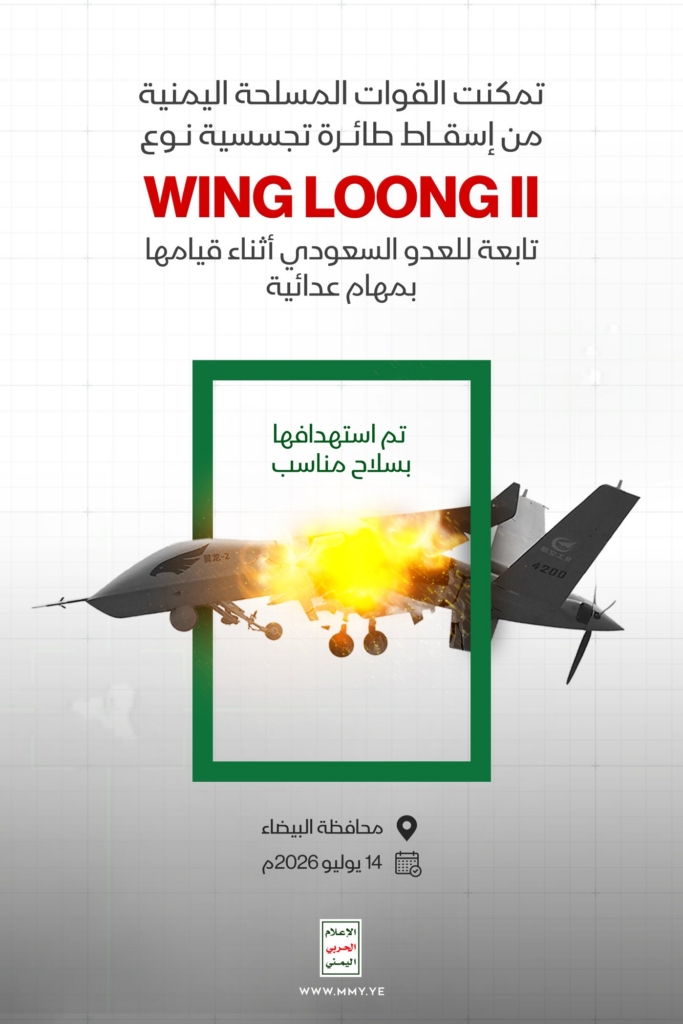
Houthis claim to have shot down Saudi Wing Loong II drone
Yesterday, the Houthis in Yemen claimed to have shot down a Saudi Arabian Wing Loong II reconnaissance drone (similar to the US MQ-9 Reaper). The Houthi military spokesman, Yahya Saree, said that the Saudi drone was “carrying out hostile missions at dawn today over Al-Bayda Governorate in the centre of the country.”
The Wing Loong II is an advanced medium-altitude, long-endurance (MALE) unmanned combat aerial vehicle (UCAV) developed by China’s Chengdu Aircraft Industry Group.
According to China’s Military Drones, it has a max take-off weight of 4,000 kg, a top speed of 370 km/h, an endurance of up to 30 hours (depending on configuration), and an operational radius of 1,500 km. It has six hardpoints and is able to carry a max payload of 480 kg.
In 2024, the Houthis attacked commercial shipping passing through the Red Sea Strait in protest of Israel’s actions in Gaza. In an effort to force the Houthis to reopen it, the US launched airstrikes in 2024 and again in 2025.
During the strikes, the US heavily used MQ-9 Reaper drones for reconnaissance, with the Houthis successfully shooting down possibly dozens of them.
Increasing Saudi and Houthi tensions
The development comes during an uptick in tit-for-tat strikes between the Houthis in northern Yemen and Saudi Arabia.
After Yemen’s internationally recognized government bombed the runway in Sanaa yesterday to prevent a Mahan Air flight carrying a Houthi delegation from landing, the flight diverted to Hodeidah. That aircraft is now en route to Tehran. https://t.co/GIi95dcL6z pic.twitter.com/Mcdq3l8MQu
— Flightradar24 (@flightradar24) July 13, 2026
As an Iranian Mahan Air Airbus A340 flew from Tehran to Houthi-controlled Sanaa, airstrikes were carried out on the runway, forcing the aircraft to divert to Hodeidah airport.
The Houthis claimed Saudi Arabia was responsible, but the internationally-recognized Yemeni government in Aden claimed responsibility for the strikes. It’s unclear how, as the Saudi-backed Yemeni government largely lacks a functioning air force.
In response, the BBC reported that the Houthis accused Saudi Arabia of “blatant aggression” and claimed to have launched missiles at Abha airport in south-western Saudi Arabia. Saudi Arabia said its air defences had “dealt with” the missiles and no casualties were reported.
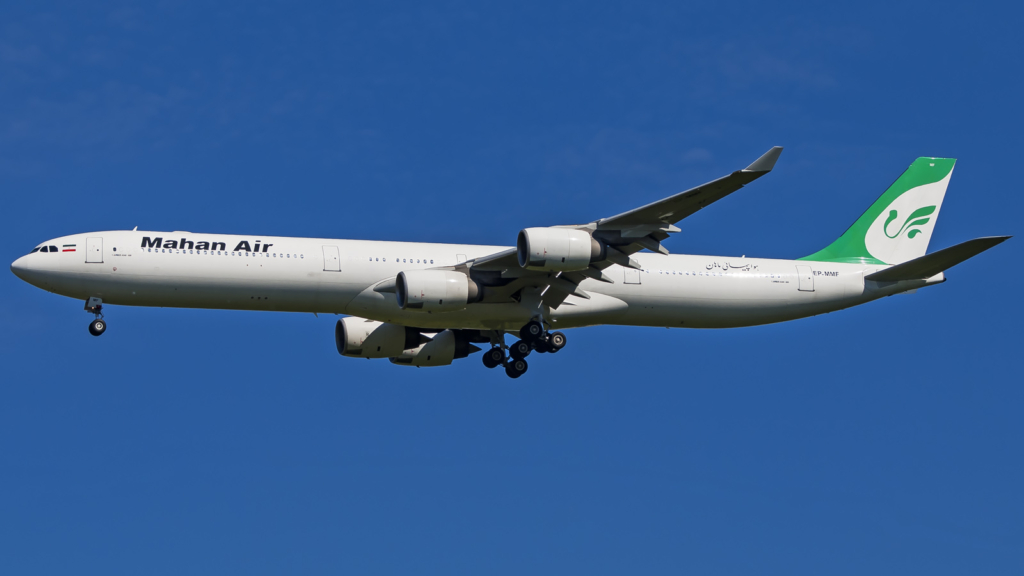
The BBC reported, “It was the most significant escalation in the largely dormant conflict between the Houthis and Saudi Arabia since an informal truce took effect four years ago.”
Get the latest aerospace defence news here on AGN.
Houthis warn commercial airlines from using Saudi airbase
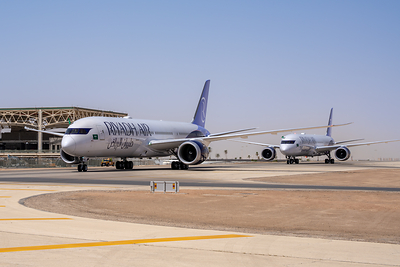
The Houthis also issued a statement warning commercial airlines from flying through the airspace over Saudi Arabia until the “siege” on Sanaa airport is lifted.
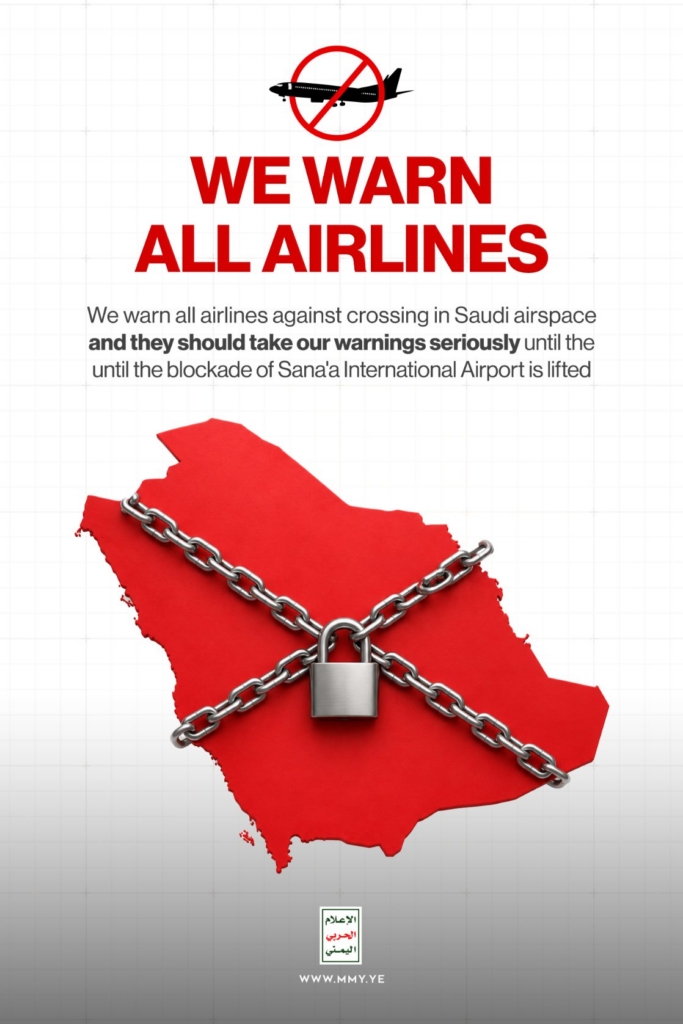
As of the time of writing, Saudi Arabia continues to be the primary air corridor for European-Asian flights, with most avoiding Iranian and Iraqi airspace. No large international carriers are using Yemeni airspace.
While Houthis are able to intercept drones flying over the country, it is unclear how much they can threaten commercial traffic over Saudi Arabia. They possess a mix of legacy Soviet-era systems that were seized from Yemeni government stocks and Iranian-supplied or derived weapons.

Notable Iranian-supplied air defences are believed to include the Iranian 358/Saqr SAM (effective against MQ-9s) and the Barq-1 and Barq-2 SAMs. Legacy systems include S-75s (NATO SA-2 Guidelines), 2K12 Kub (NATO SA-6 Gainful), MANPADS and other systems, some of which are not confirmed.
Featured Image: Wikimedia Commons