Boeing and US Navy conduct second test of MQ-25A Stingray carrier drone

3 min read
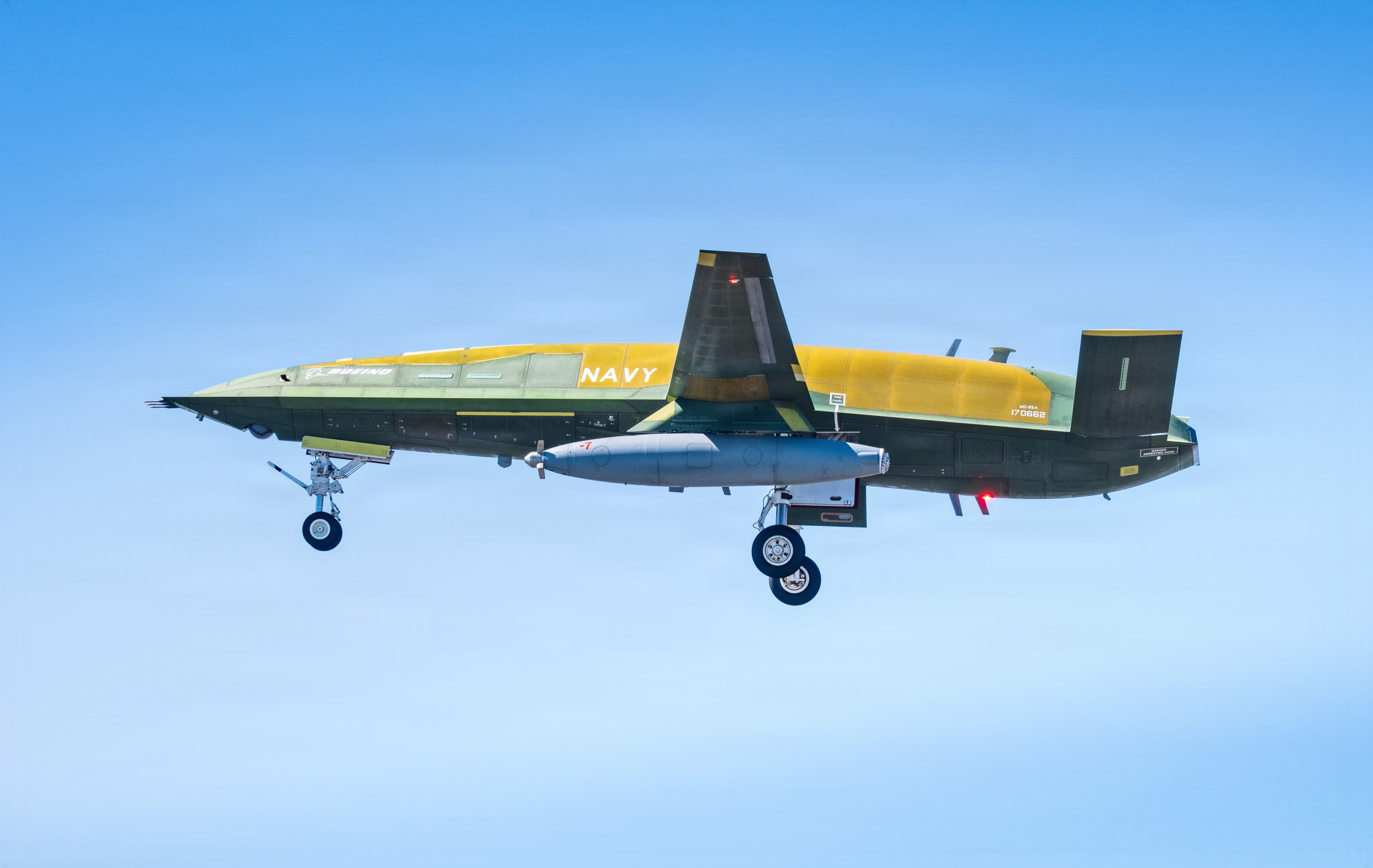
Yesterday, Boeing announced it had completed the second successful test flight for its upcoming MQ-25A Stingray carrier-based tanker drone. The test moves it one step closer to carrier operations. This comes after the aircraft’s first operational test flight in April 2026.
Boeing performs second flight test for MQ-25A Stingray drone
The second flight test included landing gear cycles and a new software load to support future flight envelope expansion tests.
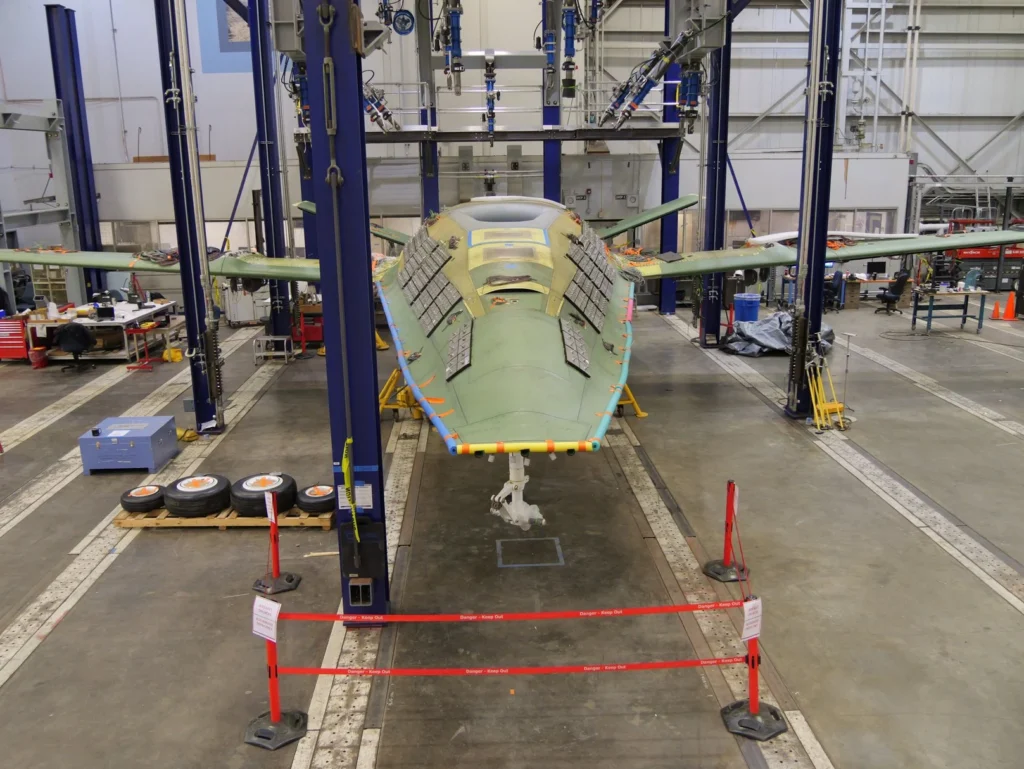
In this second test, Boeing and the US Navy Air Vehicle Pilots sent the Stingray commands from the Unmanned Carrier Aviation Mission Control System MD-5 Ground Control Station at St. Louis Airport.
Boeing wrote, “The aircraft received the commands and autonomously managed the propulsion, subsystems, guidance and flight controls necessary to achieve both landing gear up and landing gear down phases of the mission plan.”
The first @USNavy MQ-25A Stingray™ completed its second test flight, featuring the aircraft’s first airborne landing gear cycles. The milestone further validates the autonomous flight controls and performance capabilities, moving it closer to carrier operations. pic.twitter.com/UmqXk6Wufl
— Boeing Defense (@BoeingDefense) July 10, 2026
According to Boeing, transferring fuel from one aircraft to another while flying thousands of feet in the air is one of the most complicated maneuvers any aircraft can perform.
Get the latest aerospace defence news here on AGN.
Stringray ramping up ahead of entering service in 2027
US budget documents for Fiscal 2027 show $478 million was allocated to the programme in 2025; this rose to $1.1 billion in 2026, and the request is for a further $1.7 billion in 2027. The 2027 budget includes $513 million for RDT&E and $1.2 billion for procurement.

Development of the aircraft includes four Engineering Development Models (EDMs) and three System Demonstration Test Articles (SDTAs)
Documents state, “The FY 2027 budget funds three Low-Rate Initial Production (LRIP) MQ-25 aircraft and advanced procurement supporting LRIP Lot 3 (five MQ-25 aircraft) long lead materials.”
The Stingray is expected to enter service in 2030. In addition to its primary tanker role, it will have a secondary ISR role.
The Navy plans to acquire 76 MQ-25A Stingrays at around $130 million each. This would make it one of the most expensive drones on the market, with a higher flyaway cost than a new F-35A stealth fighter.
Role of the Stingray in US Navy service
The retirement of the Grumman F-14 Tomcat left the US Navy a gap that it still hasn’t filled. The F-14 was capable of deep strike missions. While the replacement Super Hornets have an extended range compared with the legacy Hornet, they can’t match the range the Tomcat once had.
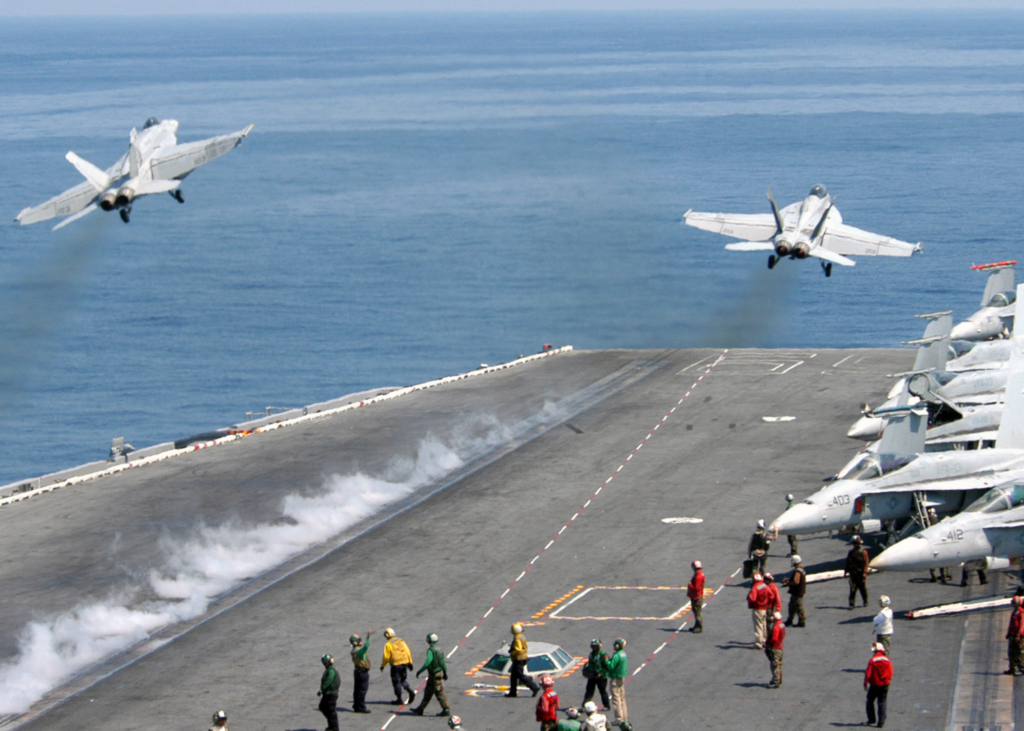
Adding to the issues is the fact that the Navy retired its Douglas KA-3B Skywarrior, the Grumman KA-6D Intruder, and the Lockheed S-3 Viking air tankers without direct replacement. Since then, it has relied on Super Hornets using “buddy” refueling pods with land-based KC-130s where possible.
At the same time, the development of improved anti-ship missiles and improved enemy fighter jets poses greater risks to Naval assets, pushing them further out to sea, opening up more range.
The Navy is attempting to compensate for this by developing the MQ-25A Stingray drone that will not only boost the range of the Super Hornets, but also relieve pressure on the fleet from buddy tanker roles.
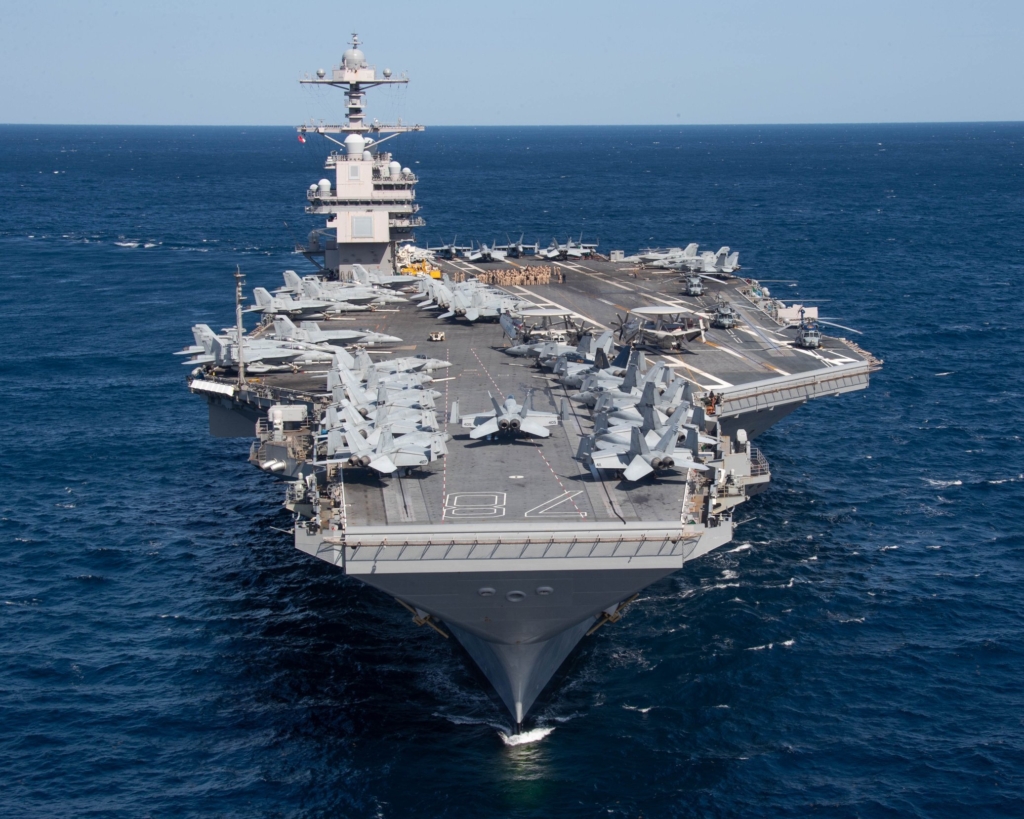
It is also looking at ways to marginally boost the Super Hornet range, is purchasing more longer-ranged F-35Cs, and is developing the long-range next-generation F/A-XX.
Featured Image: US Navy