


Historic Avro Vulcan returns to guard over RAF Waddington after multi-year restoration

4 min read
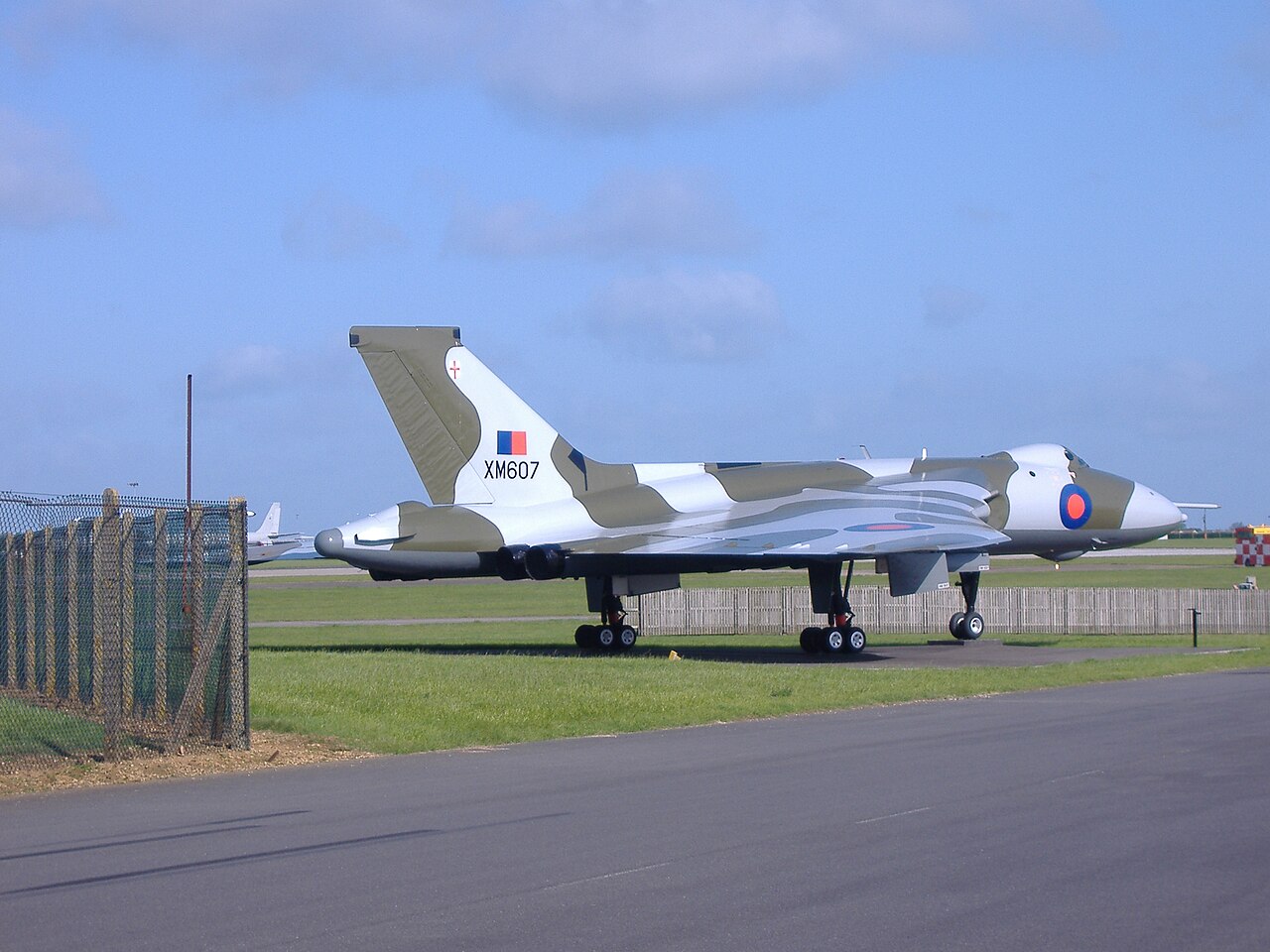
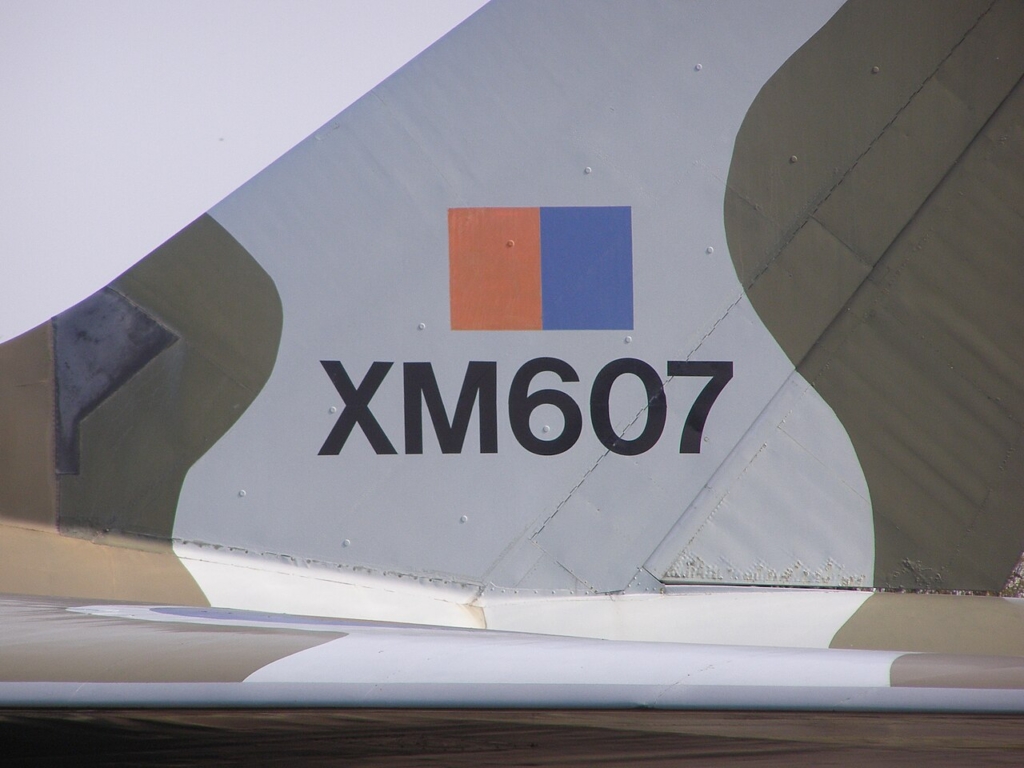
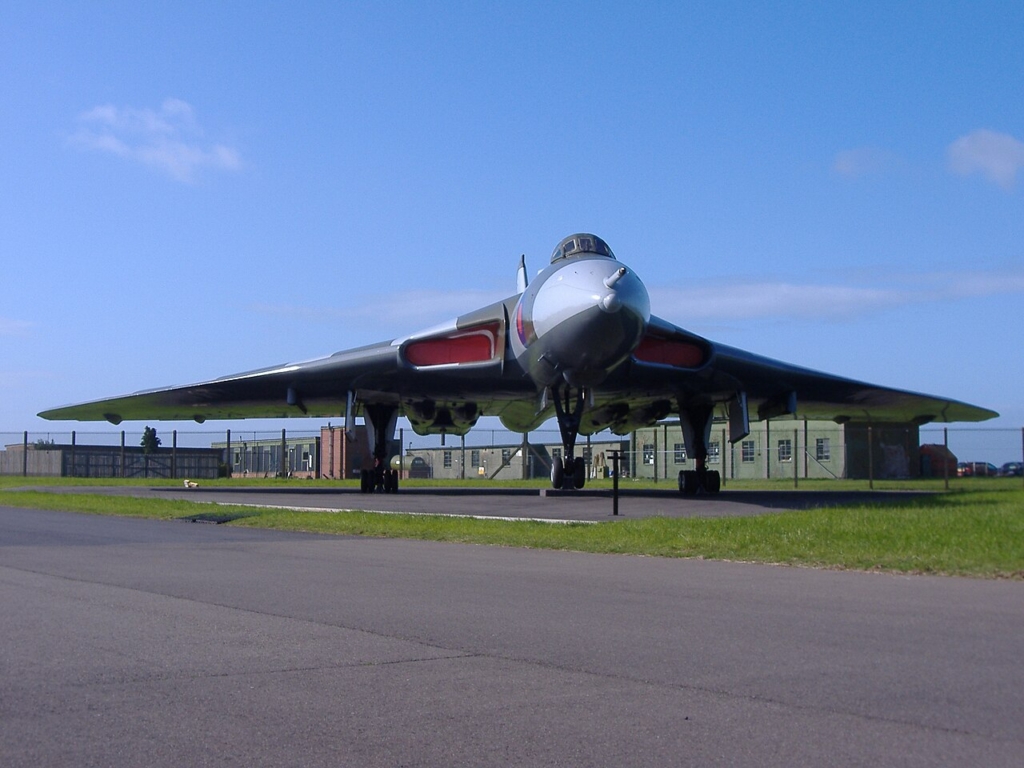
Avro Vulcan XM607, one of the most significant aircraft in Royal Air Force (RAF) history, has returned to her position overlooking the A15 trunk road adjacent to RAF Waddington in Lincolnshire following an extensive programme of preservation and restoration.
Famous for her role in Operation Black Buck during the Falklands conflict, XM607 has remained a much-loved landmark for RAF personnel, veterans, aviation enthusiasts and members of the public.
As RAF Waddington’s ‘Gate Guardian ‘, the aircraft occupies a prominent position beside the active RAF airfield.
However, maintaining a large historic aircraft outdoors presented considerable challenges for the restoration team.
Mounted on a plinth next to an operational airfield, access for major maintenance work was restricted and required specialist equipment, careful planning and significant support.
By 2018, it had become clear that a comprehensive programme of preservation was needed to secure XM607’s future. That is when a dedicated team of RAF engineers stepped in, aiming to restore XM607 to her former glory.
2018: the restoration of the historic jet commences
The project began with two RAF personnel who recognised the need for long-term action to preserve the aircraft. Working beyond their normal duties, the pair developed a practical restoration plan and built support for the ambitious restoration programme.
According to an RAF statement, the two staff members provided the vision and determination for the project, while also bringing engineering expertise and leadership.
Wing Commander Suzi, their line manager at the time, subsequently became the third member of the core restoration team.
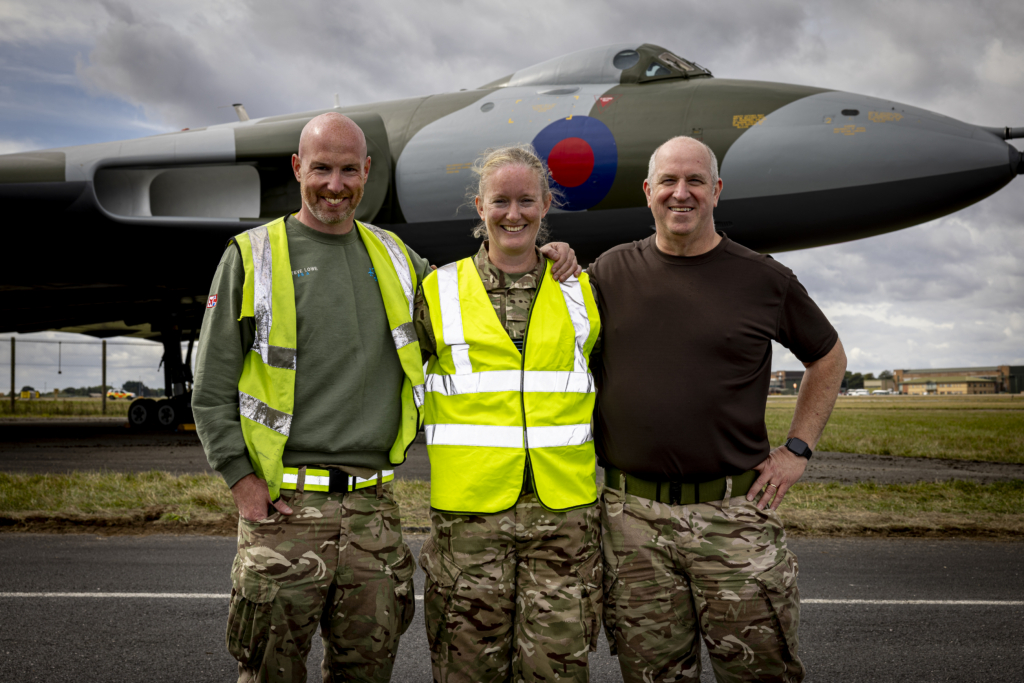
Her support helped open doors to senior decision-makers, funding opportunities, hangar space and external assistance. Added the RAF statement.
The scale of the task was considerable. All 18 wheel assemblies required overhaul, while obsolete and increasingly scarce components had to be sourced. The project also required specialist engineering solutions throughout.
Moving XM607 into the hangar at RAF Waddington
Working with other Vulcan heritage organisations, the Joint Aircraft Recovery and Transportation Squadron (JARTS) and specialist contractors, the team successfully removed XM607 from her plinth in July 2021. The aircraft was moved into a hangar, where it could be inspected, repaired and repainted in controlled conditions.
Other RAF Waddington personnel also made important contributions to the project, with two other staff members providing structural engineering and aircraft repair skills, fabricating, repairing and installing bespoke panels and components.
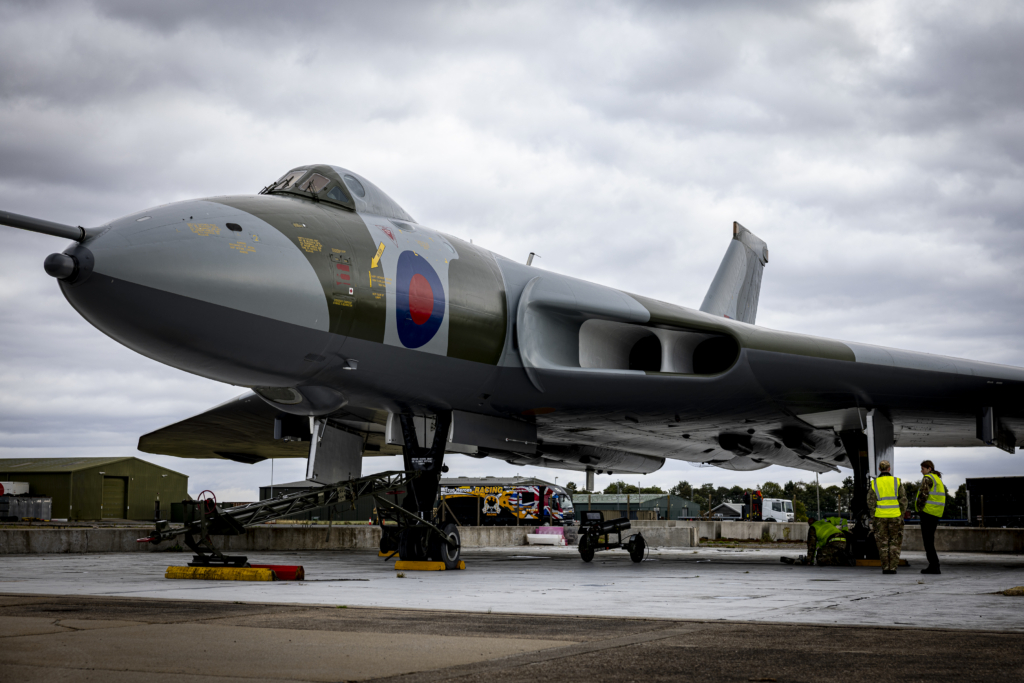
The work of 71 (IR) Squadron on the aircraft’s elevons also helped drive the restoration forward. Specialist contractors contributed expertise in paint removal, surface preparation and repainting, while businesses and other supporters donated time, equipment, materials and skills.
The RAF added that the project demonstrated the depth of engineering knowledge, ingenuity and teamwork involved in preserving an aircraft of XM607’s age and significance.
A return to her place overlooking the A15
A major milestone for the project came earlier this month, when XM607 was returned to her original position overlooking the A15 and to return to her position as gate guardian for the Waddington base.
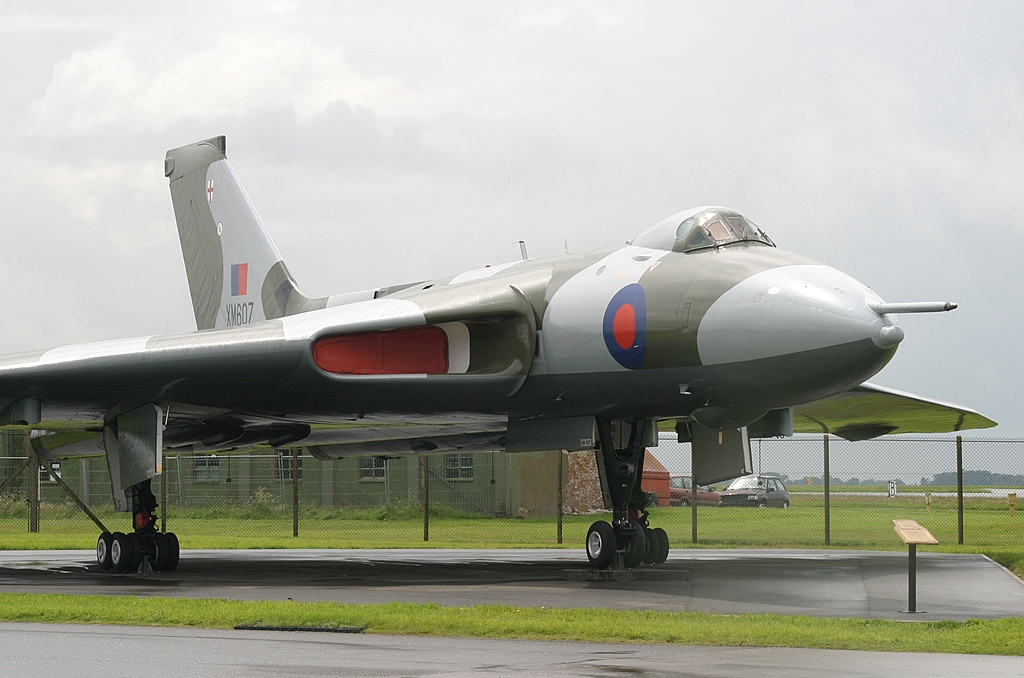
Keeping the aircraft on her wheels during the restoration had allowed it to remain manoeuvrable while major work was carried out.
However, with resurfacing works approaching and the aircraft’s tyres continuing to age, with no commercially viable replacement available, the decision was taken to return XM607 to her permanent display position.
The move again relied heavily on JARTS. A temporary surface was laid to create a suitable crossing from the maintenance site to the plinth.
Moving an aircraft of XM607’s age and significance was not without risk. Detailed planning, engineering assessments and close coordination were required. In the event, the RAF said that the operation was completed safely, efficiently and with few complications.
Back in position, although restoration work continues
Although XM607 is now back in her familiar position, the restoration programme is not yet complete. Outstanding work includes the fabrication and installation of bespoke panels, fitting landing gear follow-up doors, completing elevon re-skinning and repairing exhaust nozzle shrouds before the final paint finishes can be applied.
The aircraft will also later be airbagged onto permanent metal support stands with assistance from JARTS. This will remove weight from the wheels and help preserve the increasingly rare tyre assemblies for the future.
“It has been a privilege to be part of the team restoring XM607,” said Wing Commander Suzi, a member of the restoration team. “At times, the scale and complexity of the challenge made the end goal seem a long way off, but this project has shown what can be achieved when passionate people come together with a shared purpose and a determination to find solutions to every hurdle placed in their way.”
“What has been achieved is a testament to the skill, dedication and perseverance of everyone involved, from the core restoration team to the many engineers, technicians and supporters who have contributed along the way. Seeing her back overlooking the A15 once again is a proud moment and a reminder of why preserving our RAF heritage matters.”
XM607’s return means that the aircraft is once again fulfilling her long-established role as RAF Waddington’s Gate Guardian.
While further restoration work continues behind the scenes, the Vulcan once again stands prominently above the A15, preserving the memory of a remarkable chapter in RAF history and ensuring that her story remains visible to future.
Sign up for our newsletter and get our latest content in your inbox.


More from


September 21, 20263 min read


September 18, 20263 min read