

Türkiye first nation to field uncrewed fighter jets as three Kızılelmas enter service

4 min read
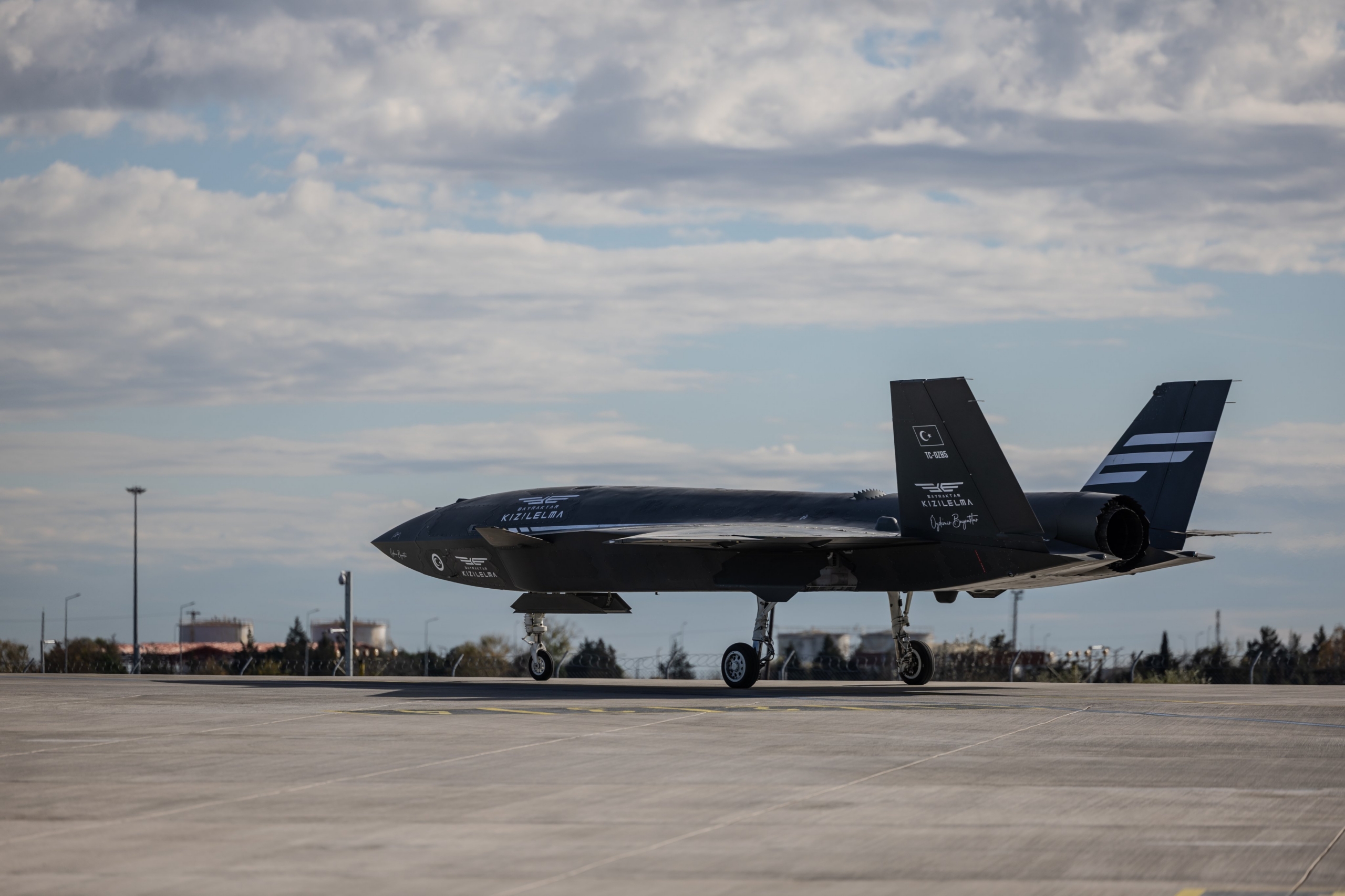

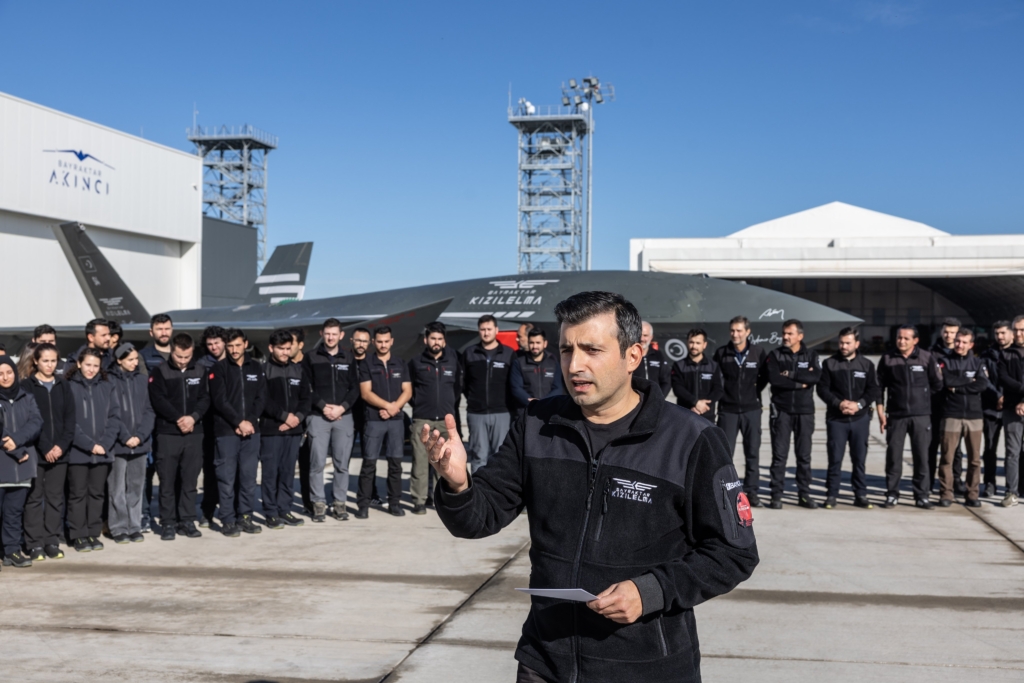
The Turkish Armed Forces have taken delivery of their first three Bayraktar Kızılelma wingman drones today, 19 November, putting an uncrewed fighter jet into service before any other country in the world.
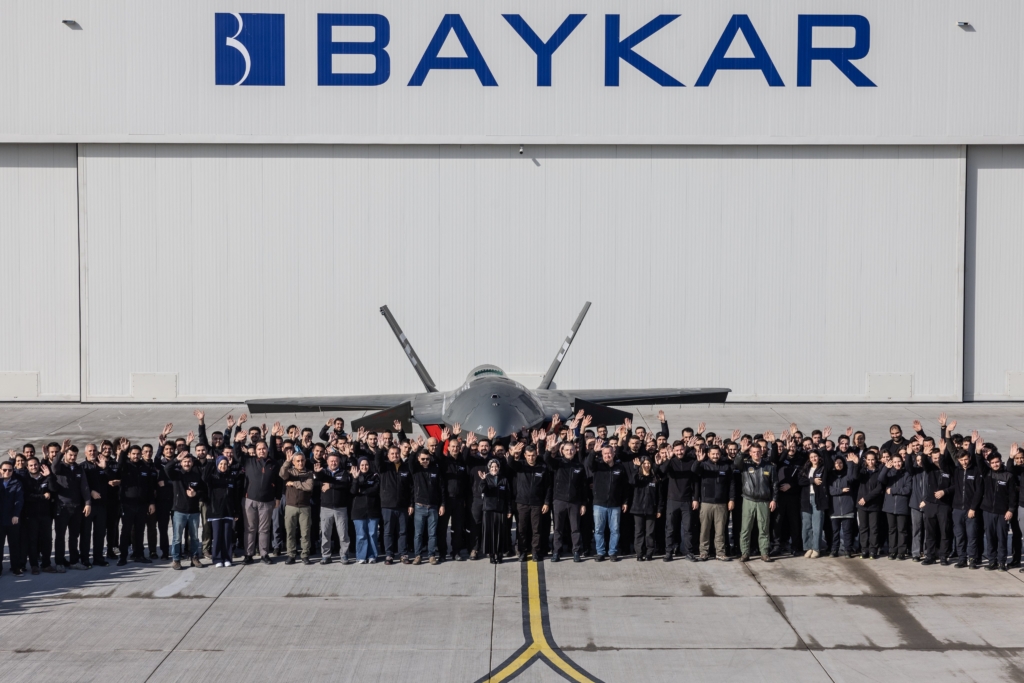
Baykar announced the handover from Çorlu in northwestern Türkiye, where much of Kızılelma’s flight testing took place. The manufacturer said all three aircraft had passed their acceptance tests and entered active service.
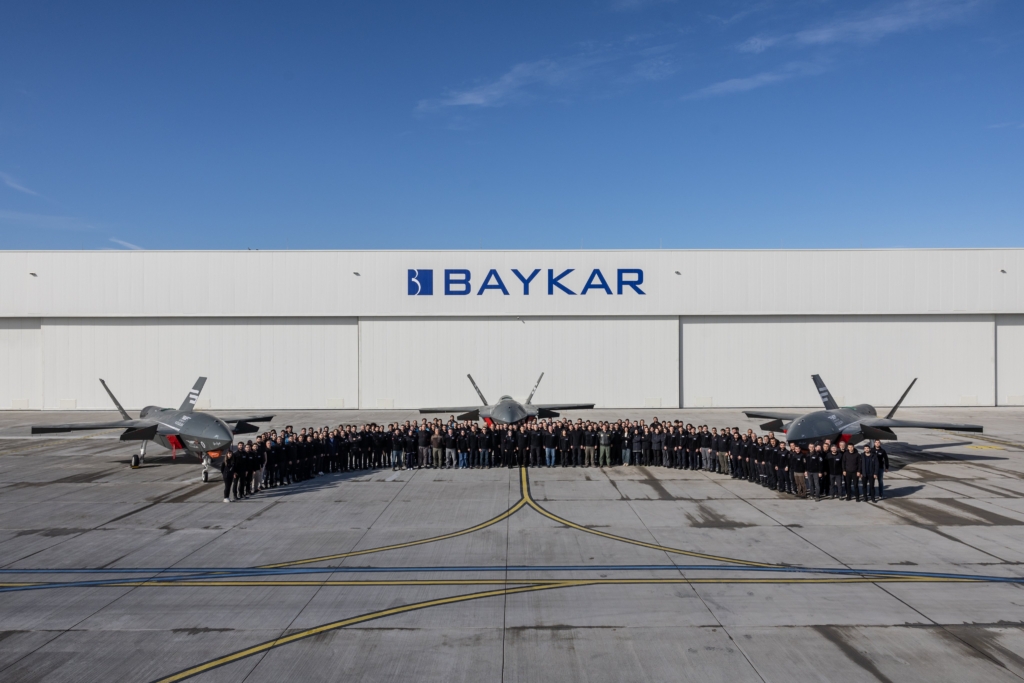
President Recep Tayyip Erdoğan welcomed the arrival.
“Today is a historic day on which a great dream has become a reality,” he wrote on social media. “Our Bayraktar Kızılelma unmanned combat aircraft has been inducted into the inventory of the Turkish Armed Forces after years of work and tremendous effort.”
Baykar hands over three Kızılelma fighter drones after 600 test and training sorties
Less than four years separate the handover from Kızılelma’s maiden flight on December 14, 2022. Baykar financed the aircraft’s development itself and says the program has since accumulated 600 test and training sorties. The company describes the delivery as the first time an uncrewed fighter jet has entered operational service anywhere in the world.
The world’s first operational Unmanned Combat Aircraft, has been delivered to the Turkish military. Today, Türkiye officially inducted its first unmanned combat aircraft (two of them), the Bayraktar KIZILELMA, into service following successful acceptance tests. Developed by Baykar, KIZILELMA is designed for air-to-air and air-to-ground missions. It has already demonstrated its ability to engage jet-powered aerial targets using the indigenous GÖKDOĞAN beyond-visual-range air-to-air missile and ASELSAN’s MURAD AESA radar. Türkiye has now become the first country to officially field an unmanned fighter aircraft.
— Comandante🎖️ (@commandante_) November 19, 2026
Designed for both air combat and strikes against surface targets, Kızılelma measures 14.5 meters long and has a wingspan of 10 meters. Its credentials as a fighter were put to the test in November 2025, when a prototype flew out over the Black Sea near Sinop. Using a Turkish-built MURAD radar, the aircraft engaged a jet-powered target with a Gökdoğan beyond-visual-range air-to-air missile and scored a direct hit, according to Baykar.
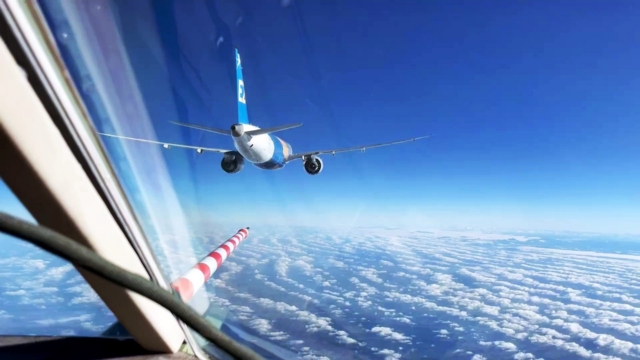
A trial at Çorlu this May showed how the aircraft can interact with crewed assets. After taking off autonomously, Kızılelma joined a Leonardo M-346 in the air. The pilots aboard the Italian-built jet then took control of the formation, directing the drone to change position, break away and rejoin while an Italian Air Force trainer flew chase.
The M-346 crew decided where it wanted its wingman. Kızılelma worked out how to fly there.
How far has the rest of the world come with their own drone wingmen?
With the handover of the first three Kızılelma jets, Türkiye has claimed a place in aviation history. Baykar says it is the first country to bring an uncrewed fighter jet into active service. But it’s not the only nation that is attempting to.
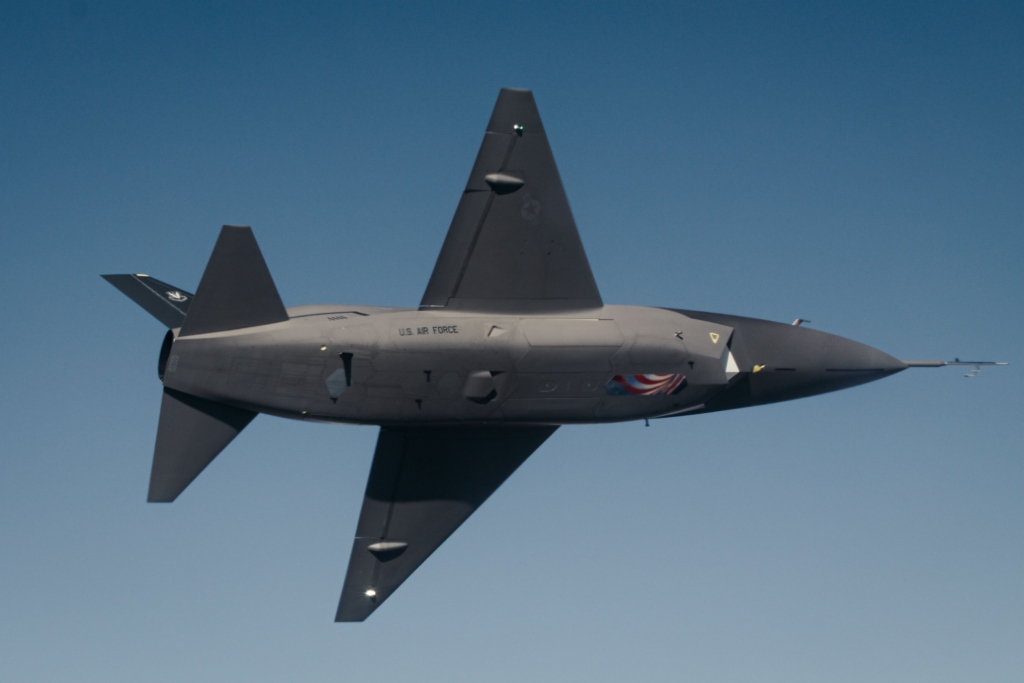
The US Air Force already has two contenders in the air. General Atomics’ FQ-42 Vengeance and Anduril’s FQ-44 Fury both won production contracts in June, and the service has assigned aircraft to its Experimental Operations Unit at Creech Air Force Base in Nevada. On October 8, an F-22 pilot directed a Fury in flight. Later that month, two US collaborative combat aircraft flew coordinated air combat manoeuvres during a test.
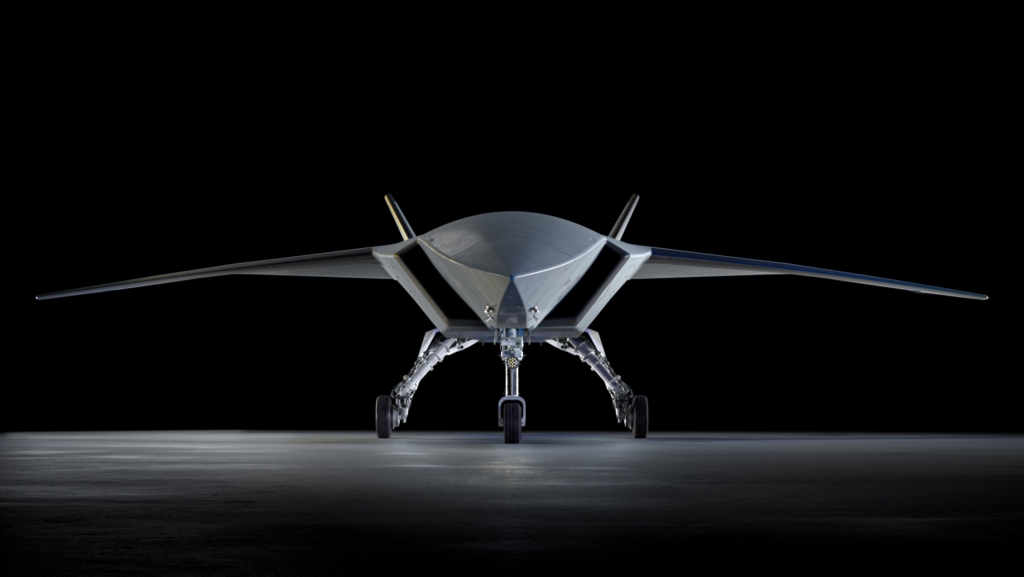
Australia, meanwhile, got into the air earlier than either country’s current designs. Boeing’s MQ-28 Ghost Bat first flew in February 2021, nearly two years before Kızılelma. In December 2025, a Ghost Bat teamed with a Royal Australian Air Force E-7A Wedgetail and an F/A-18F Super Hornet to destroy an airborne target during trials at Woomera. Canberra has committed about A$1.4 billion ($935 M) to collaborative air capabilities, including bringing Ghost Bat into operational service.
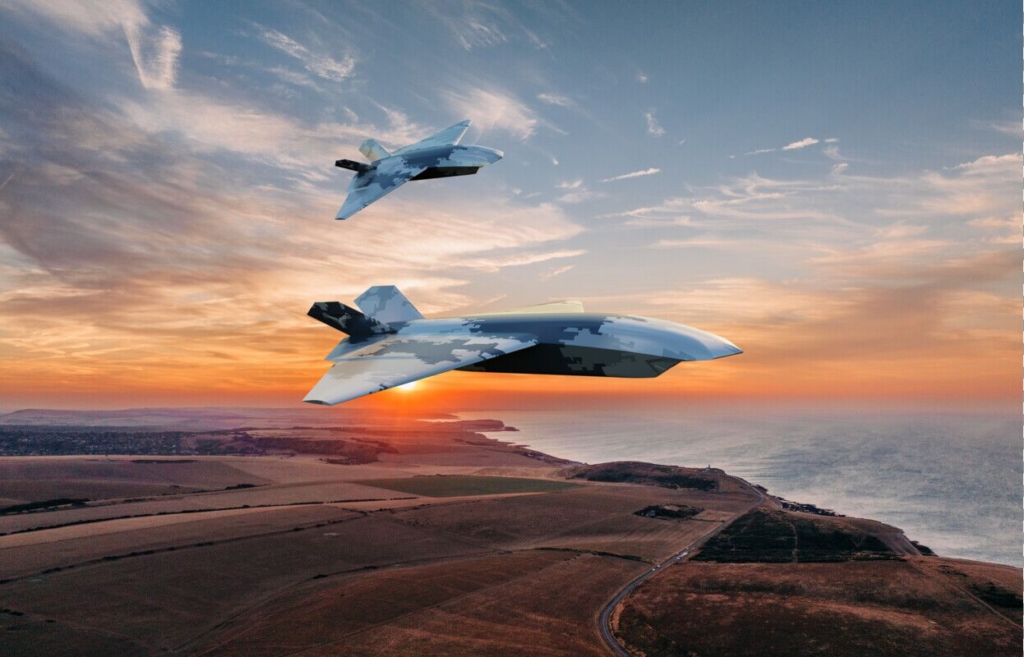
The UK has taken a different route. Its Royal Air Force already fields StormShroud, an electronic warfare drone, while StormFighter is the closer British counterpart to Kızılelma. The RAF launched StormFighter in July under a wider £300 million investment in collaborative combat aircraft. Ministers have outlined a role alongside crewed combat jets, although no public invitation to tender for StormFighter itself has yet emerged.
The next question for Türkiye is one the handover leaves open. Baykar has shown that Kızılelma can take instructions from a crewed jet, and the armed forces now have three aircraft of their own. How Turkish crews will use them, and which fighters they will fly alongside, has yet to be announced.
Sign up for our newsletter and get our latest content in your inbox.