

The B-1B Lancer was heading for retirement. Now it’s trying on the B-52’s hypersonic missile

4 min read
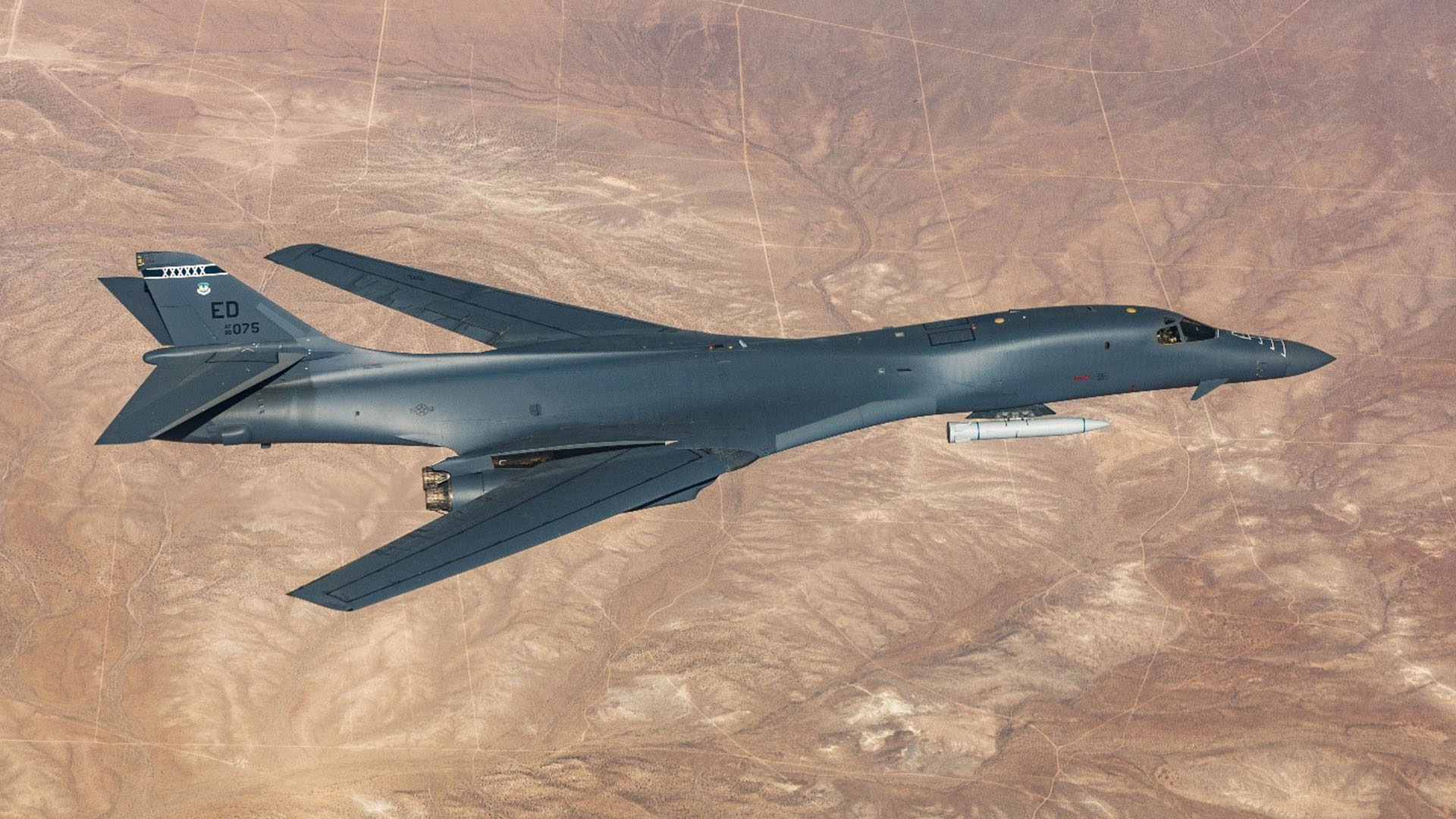

A US Air Force B-1B Lancer has been photographed in flight with what appears to be an AGM-183A hypersonic missile beneath its fuselage. Now the Boeing pylon carrying it has cleared a critical design review, bringing the bomber a step closer to an upgrade that Boeing says could double its payload capacity.
Boeing announced the milestone on 17 November. The flight itself was pictured as early as April, although its date remains unclear. The Air Force intends to use the B-1B to test hypersonic weapons. Whether the AGM-183A will eventually arm operational Lancers remains an open question.
How Boeing’s new pylon could double the B-1B’s payload
Boeing’s Load Adaptable Modular (LAM) pylon makes use of six existing hardpoints on the B-1B. Originally intended for the Air-Launched Cruise Missile, these mounting points give the Air Force a way to carry weapons outside the bomber’s internal bays. That could increase the number of conventional missiles a B-1B can carry and accommodate larger weapons for testing.
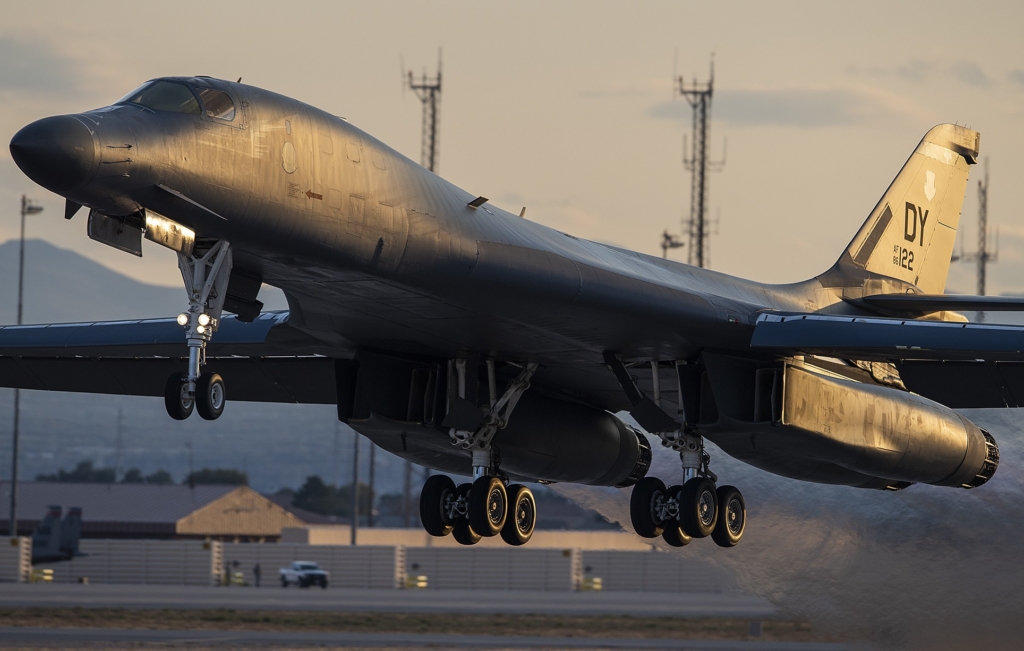
With the critical design review complete, Boeing and the Air Force have agreed on the design they will take forward. The next phase involves preparing the hardware and software for manufacturing, integration and testing.
The investment comes as the Air Force revises its retirement plans. Once expected to leave service in the early 2030s, the B-1B now figures in Air Force modernisation plans through 2037. Boeing sees scope for the pylon to keep the Lancer “relevant through 2040 and beyond.” The Air Force has already returned a retired B-1B to service.
What the B-1B hypersonic missile tests have shown
Air Force budget documents describe two distinct achievements for the pylon. A B-1B flew with a 5,000-pound-class test article attached, a trial known as captive carry. The program also demonstrated that the bomber could release a previously tested weapon shape. The documents leave the identity of the released store unspecified.
Boeing identifies the pylon in its photograph, while The Aviationist identifies the store as an AGM-183A Air-Launched Rapid Response Weapon (ARRW). The image shows the bomber carrying it. A launch from the Lancer has yet to be publicly confirmed.
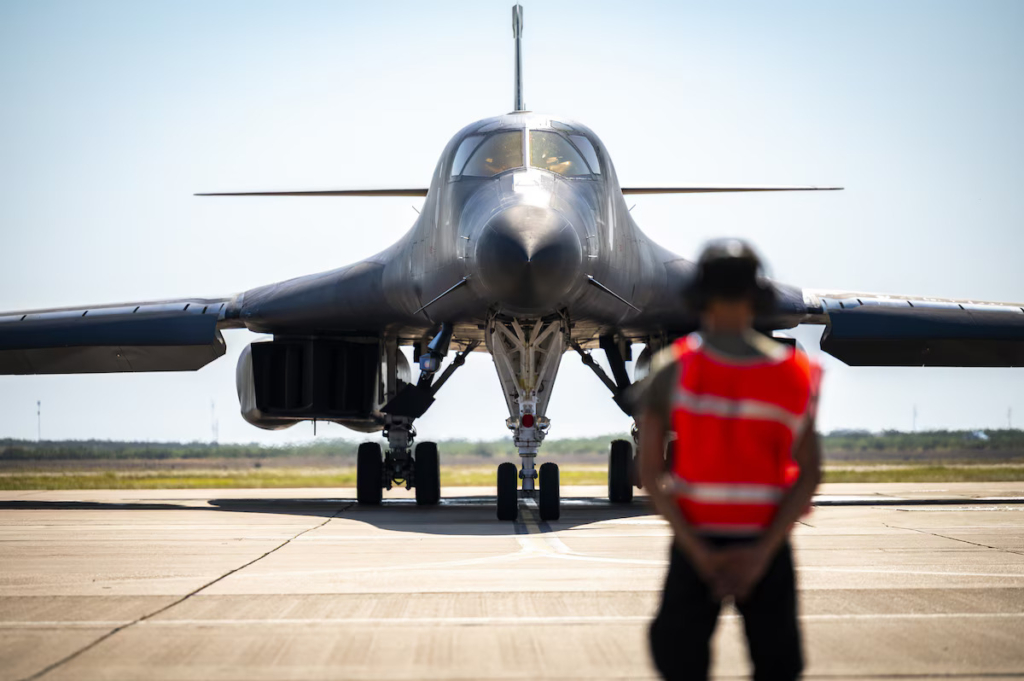
The Air Force also sees a nearer-term use for the pylons. Carrying additional Joint Air-to-Surface Standoff Missiles (JASSMs) or Long-Range Anti-Ship Missiles (LRASMs) would give each B-1B a larger conventional load while the B-21 Raider enters service.
What is the AGM-183A ARRW hypersonic missile?
The AGM-183A grew out of DARPA’s Tactical Boost Glide program. It uses a rocket booster to accelerate a glide vehicle to hypersonic speed, above Mach 5. The B-52H Stratofortress was its original flight-test aircraft, carrying a prototype aloft for the first time in June 2019.
Next up is the AGM-183A Advanced Rapid Response Weapon or #ARRW.ARRW traces its origin back to DARPA’s highly ambitious Tactical Boost Glide (TBG) program which aimed to design, develop and flight test a tactical #Hypersonic glide vehicle with high lift to drag. While TBG matured the advanced glide vehicle, and achieved test success, the ARRW program was launched around 2020 to build a weapon system leveraging technology matured via TBG. Though the ARRW flight test program saw setbacks and some test failures, it was widely regarded in the community as a successful effort given the ambitious nature of the Mid-Tier Acquisition program. Reversing course from Biden administration’s plans, the Trump administration has decided to begin production of the AGM-183 #ARRW making it the first hypersonic weapon to be fielded by the US Air Force. While exact performance is classified, ARRW has been described by USAF officials as having a 1,000 mile range. ARRW will be the primary Hypersonic strike weapon for the B-52 bomber. Each B-52 would be able to carry 4 AGM-183As. 5/7
— Air-Power | NatSec Ledger (@NatSecLedger) July 10, 2025
ARRW suffered setbacks in testing, and the Air Force requested no funding for it in fiscal 2025. Its fiscal 2027 budget request now includes $452 million for ARRW procurement. That gives the missile a clearer future than it had two years ago, even as the Air Force leaves open which role the B-1B will play beyond testing.
Sign up for our newsletter and get our latest content in your inbox.



More from


November 19, 20264 min read