


Lufthansa Technik’s AeroSHARK enters final certification phase for Airbus A330ceo family

5 min read
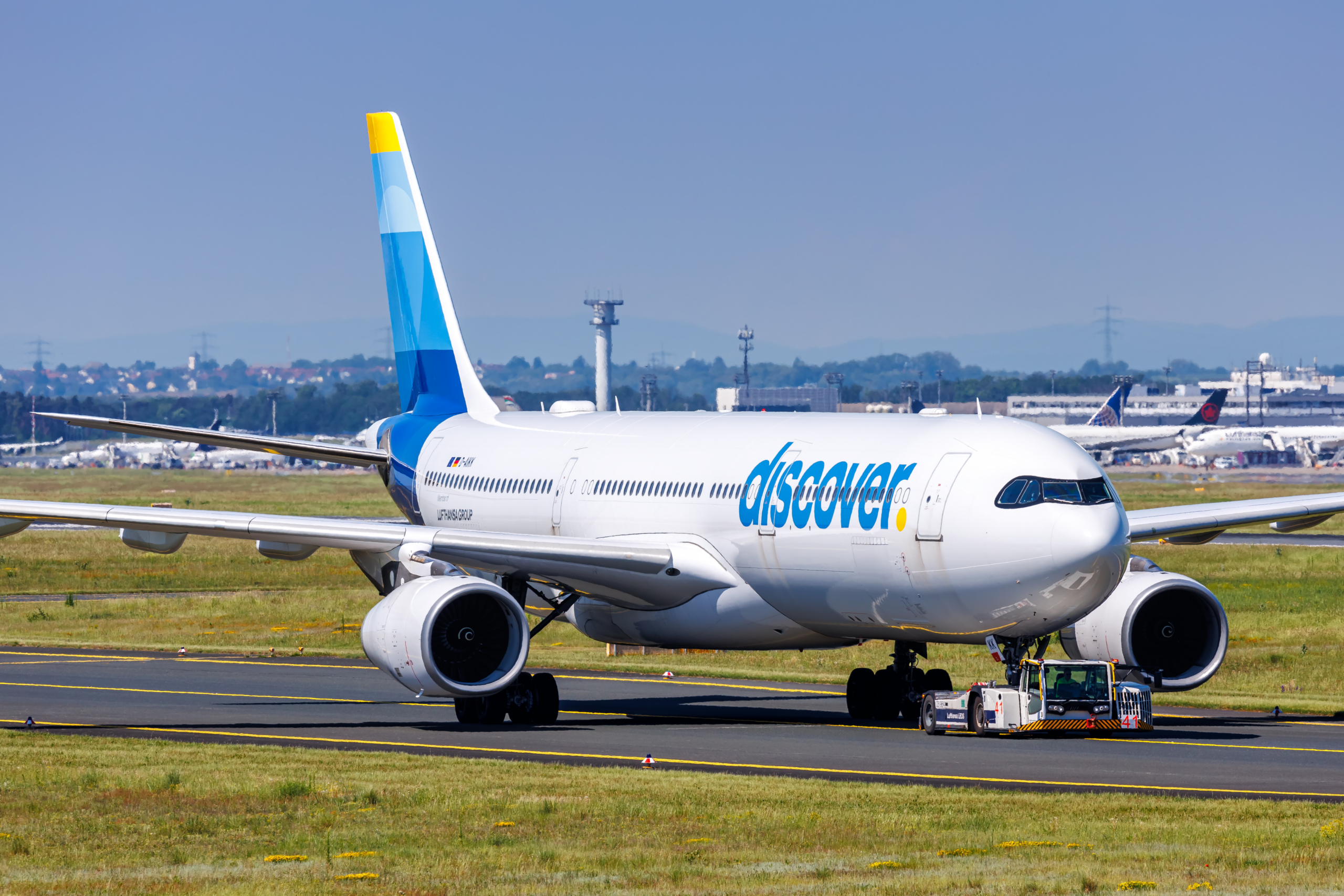
Lufthansa Technik has entered the final certification phase for its AeroSHARK surface technology on the Airbus A330ceo, bringing the aviation industry a step closer to seeing ‘sharkskin’ technology deployed on another major commercial aircraft family.
The German maintenance, repair and overhaul (MRO) specialist began the final phase of the certification programme in late August, with a Discover Airlines Airbus A330-300 selected as the test aircraft.
The aircraft is undergoing modification at the Elbe FlugzeugWerken facility in Dresden before embarking on a series of flight tests designed to support the certification of AeroSHARK for both the Airbus A330-200 and A330-300.
Lufthansa advances AeroSHARK certification for the Airbus A330ceo
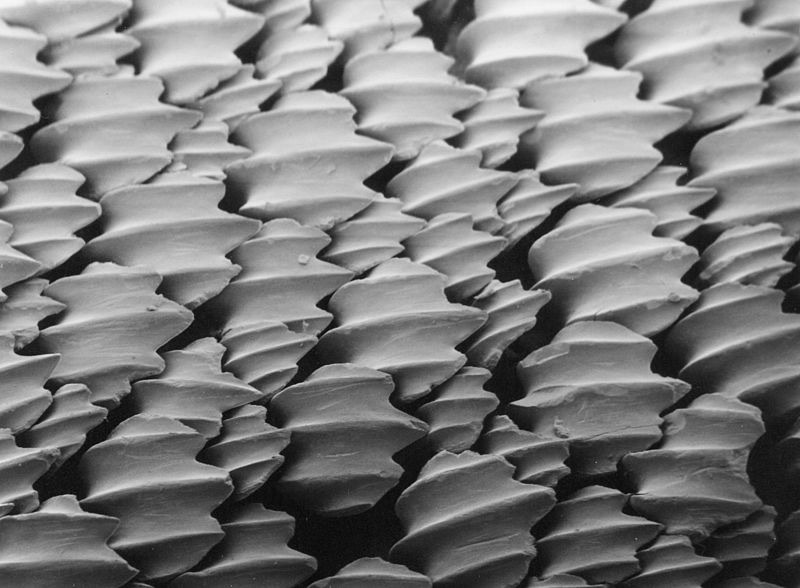
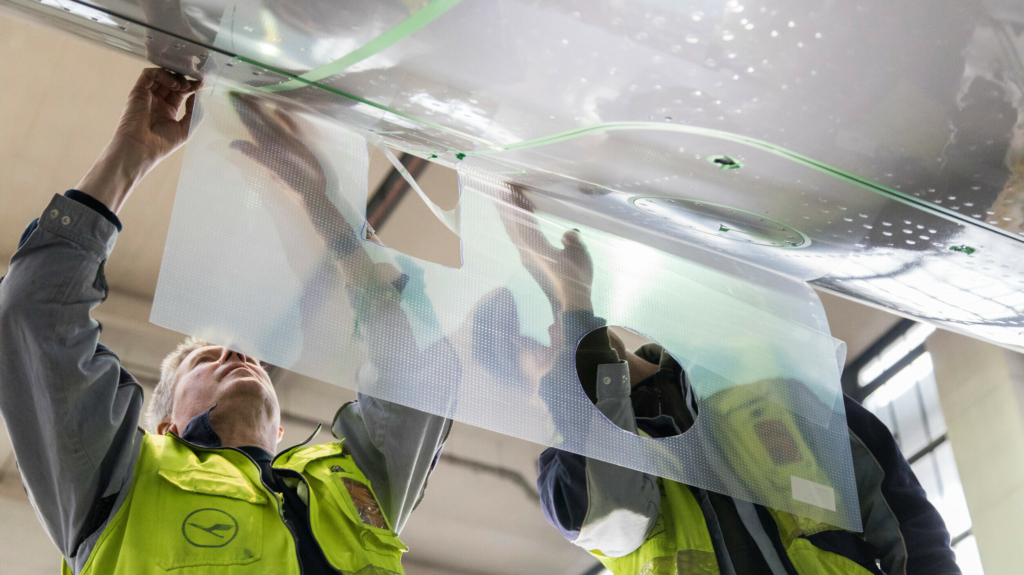
The technology takes its inspiration from one of nature’s most efficient swimmers. Developed by Lufthansa Technik in cooperation with BASF Coatings, AeroSHARK is a thin, durable film featuring microscopic riblets that reproduce the drag-reducing properties of sharkskin.
Sharkskin contains tiny structures that influence the flow of fluid across the animal’s body. AeroSHARK applies the same basic principle to aircraft. Its ribbed surface is aligned with the airflow, reducing friction and helping air move more efficiently over the aircraft.
On the A330, the initial certification programme covers the fuselage and engine nacelles. These surfaces represent a substantial portion of the aircraft exposed to airflow and are particularly important during cruise, when aerodynamic drag has a major influence on fuel consumption.
Lufthansa Technik says the current AeroSHARK configuration can reduce fuel consumption and CO₂ emissions by around 1%.
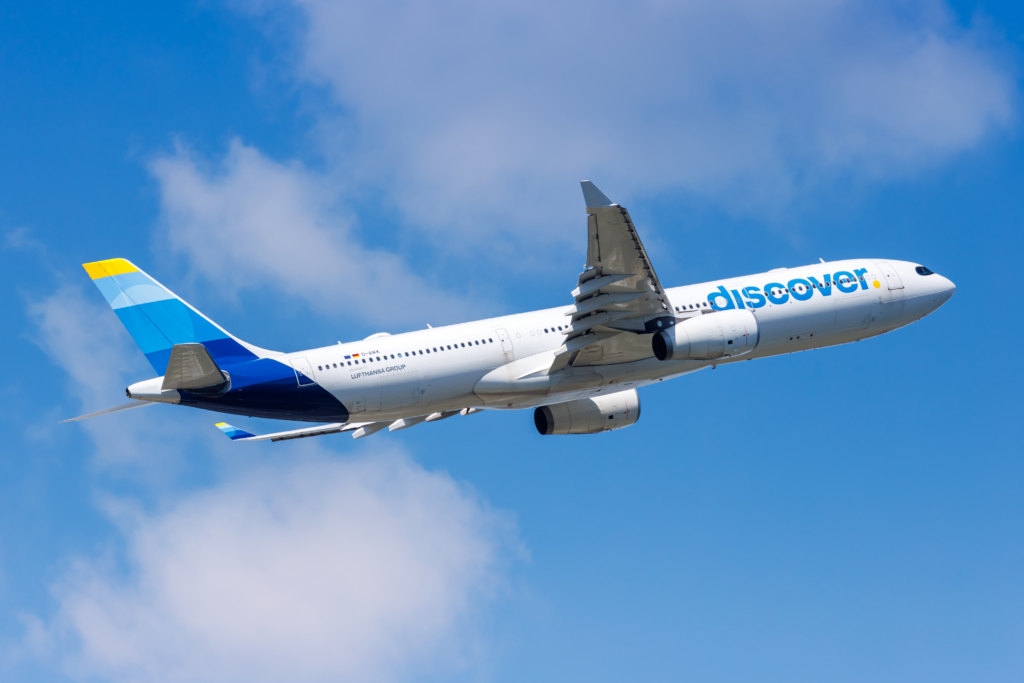
While that figure may seem relatively small, the potential impact becomes significant when the technology is applied to aircraft operating hundreds or thousands of flights each year.
Lower fuel burn can translate into both reduced operating costs for airlines and lower emissions. The A330 is an especially important target for the technology.
When Lufthansa Technik began the certification process in August 2025, it highlighted the large global fleet of A330-200 and A330-300 aircraft. The company estimated that around 1,000 examples of the two variants were in service worldwide, providing substantial potential for fuel savings and emissions reductions.
Certification of AeroSHARK on the Airbus A330ceo nears
According to a Lufthansa Technik statement, certification is a “demanding process. An aircraft modification cannot simply be introduced commercially because it appears to improve aerodynamic performance. “
Aviation authorities require evidence that the modification is safe, durable and compatible with the aircraft throughout its operational life.”
For AeroSHARK, this means engineering analysis and testing must demonstrate that the film can withstand the demanding environment experienced by a commercial aircraft.
Lufthansa Technik says the technology has already demonstrated resilience to high speeds, major temperature and pressure changes, ultraviolet radiation at altitude and exposure to chemicals such as de-icing fluids.
The latest phase will provide another important real-world test. Discover Airlines’ A330-300 will undertake flights before and after its modification, allowing engineers to compare the aircraft’s performance. The test campaign is expected to run over several weeks.
Moving on from AeroSHARK’s Boeing 777 certification
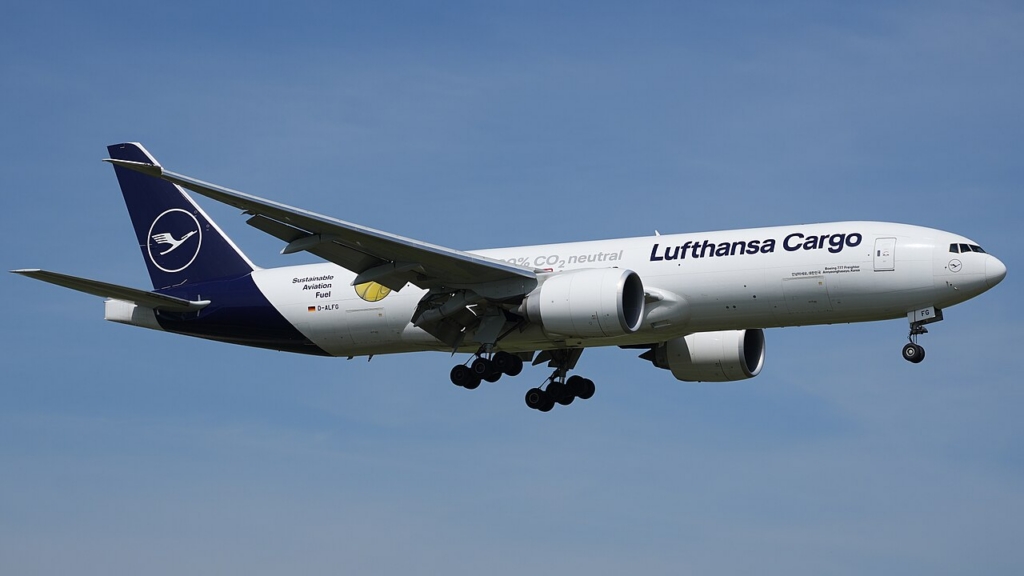
The programme is also significant because it represents AeroSHARK’s first application to an Airbus aircraft. The technology is already certified for Boeing 777-200ER, 777-300ER and 777F aircraft.
Lufthansa Technik has accumulated extensive operational experience with those applications, providing a foundation for the A330 programme.
By July 2026, Lufthansa Technik reported that AeroSHARK-equipped aircraft had accumulated more than 377,000 flight hours. The company said the technology had saved more than 22,000 tonnes of fuel and avoided more than 70,000 tonnes of CO₂ emissions.
Within the Lufthansa Group, 22 aircraft operated by Lufthansa, SWISS, Austrian Airlines and Lufthansa Cargo had been equipped with the system.
But the company is looking beyond the initial A330 certification. In May, Lufthansa Technik and Airbus announced a technical collaboration to investigate applying AeroSHARK to the A330ceo’s wings, horizontal stabiliser and vertical stabiliser.
That work could significantly increase the technology’s potential. Lufthansa Technik and Airbus estimate that applying AeroSHARK across the relevant aerodynamic surfaces could produce fuel savings of more than 2% on typical long-haul missions.
The expanded certification programme will examine issues including flight dynamics, structural loads, lightning-strike protection, maintenance requirements and the effects on aircraft systems such as flight controls, autopilot and navigation.
For airlines, the attraction of AeroSHARK is that it offers a way to improve the efficiency of existing aircraft rather than waiting for an entirely new generation of airliners.
Retrofitting an aircraft with a drag-reducing surface treatment can potentially extend the environmental and economic benefits of an aircraft already in service, the company pointed out.
What AeroSHARK A330 certification could mean for airlines
The final A330 certification campaign therefore represents an important milestone for Lufthansa Technik. If the testing is successful and regulatory approval follows, AeroSHARK could become available for series installation across the global A330-200 and A330-300 fleets.
More broadly, the programme demonstrates how aviation companies are increasingly looking to biomimicry and relatively small aerodynamic improvements to tackle fuel consumption.
A 1% reduction on a single aircraft may sound modest, but multiplied across a large long-haul fleet, the savings can become substantial.
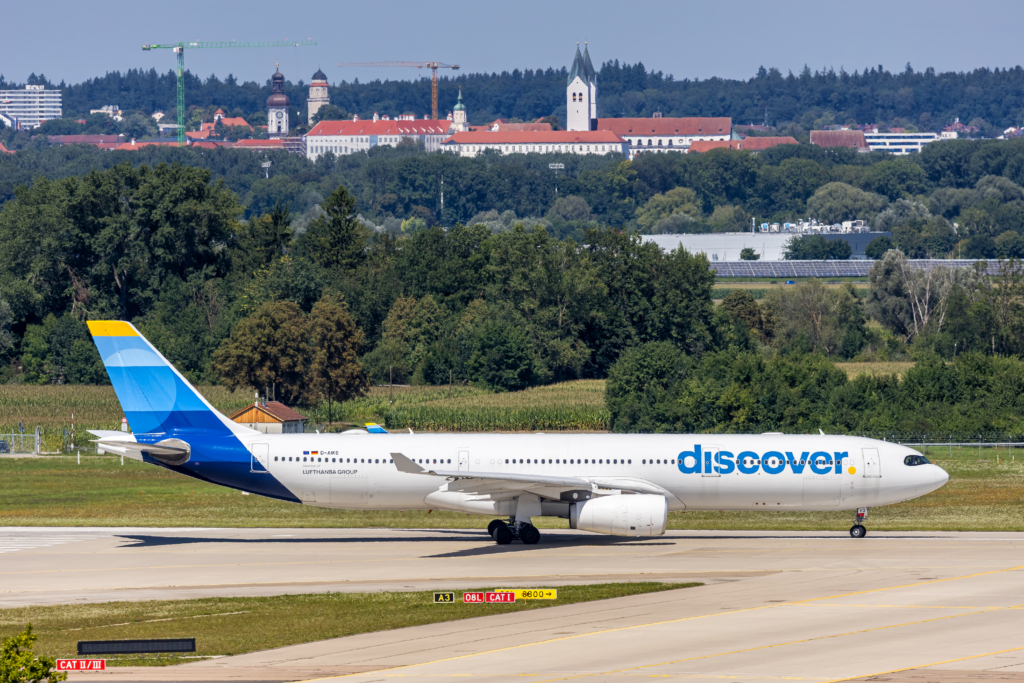
With the Discover Airlines A330 now entering flight testing, Lufthansa Technik is approaching a decisive stage for AeroSHARK.
The coming certification campaign will determine whether the technology can make the leap from proven Boeing applications to Airbus and, potentially, establish sharkskin-inspired surfaces as a practical efficiency upgrade for one of the world’s most widely used widebody aircraft.


