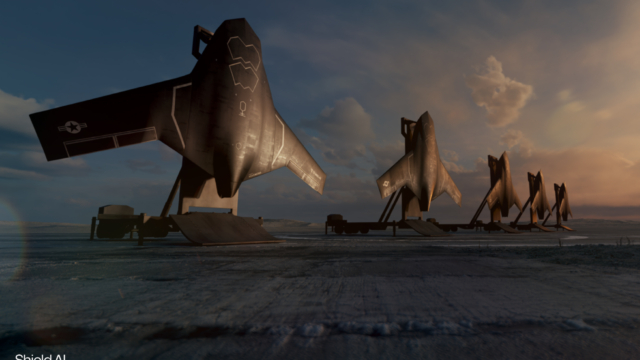
US firm builds jet powered drone interceptor in just two weeks

4 min read
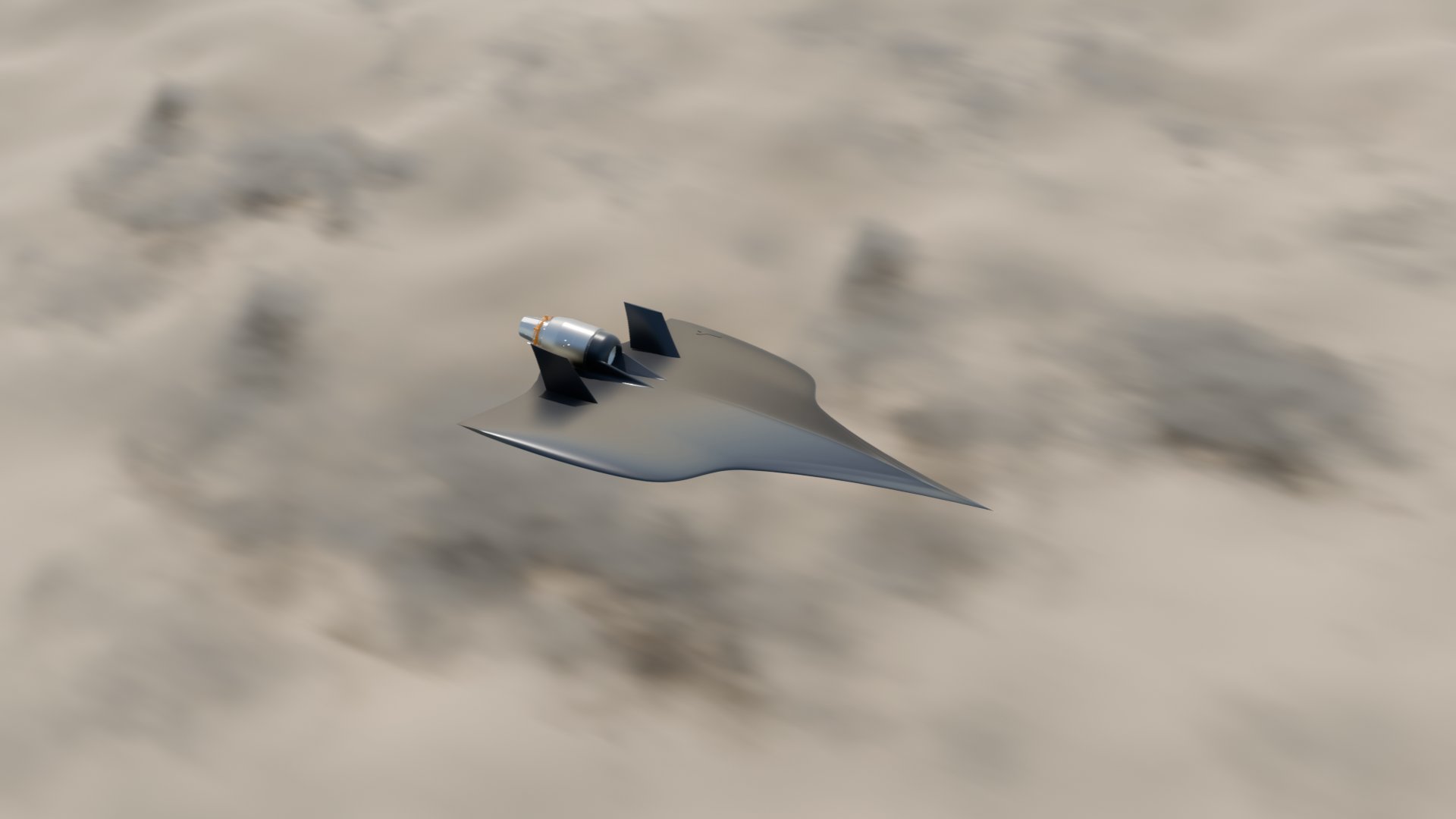
San Francisco-based Impact Drones says it built a turbine-powered interceptor drone in a fortnight to protect critical civilian infrastructure, although questions remain about how the system is guided and controlled.
Instead of being focused on militaries, like the US Army, as the end user, the start-up’s business model is air defence service for commercial companies seeking to protect data centres and other valuable infrastructure.
Impact Drones builds high-speed jet interceptor
Yesterday, the California startup Impact Drones’ co-founder Jasper Lortije announced, “We built a high-speed jet interceptor in two weeks. Meet the first SABLE prototype.” The company is backed by Y Combinator.
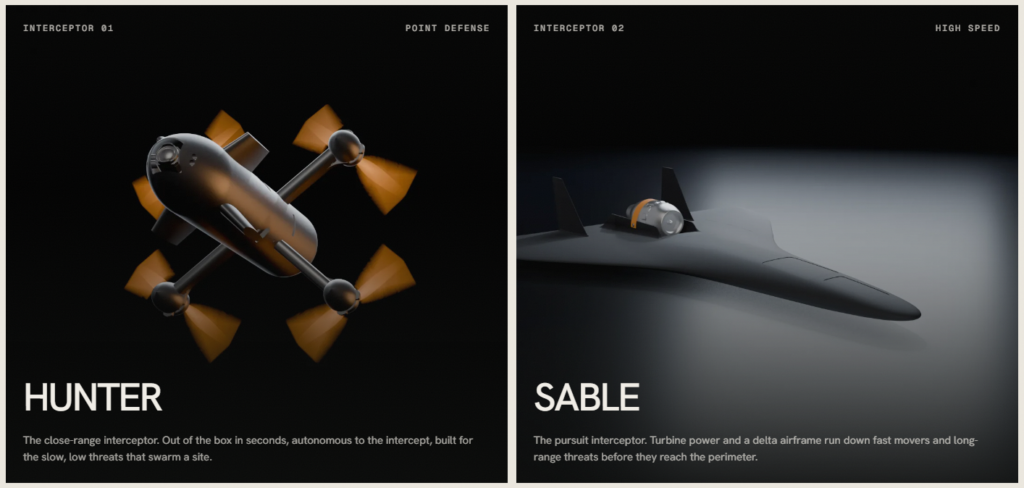
He adds, “As incoming drones become cheaper and faster, air defense needs to catch up. SABLE and HUNTER are the cornerstones of our Air Defense as a Service (ADaaS) offering, built to protect critical infrastructure.”
However, the post generated as many questions as answers, including how the Sable interceptor is guided and controlled.
Vaclav Janda, from the Central Bohemia University, said, “If it uses a standard communications and control protocol and requires a human operator throughout the flight, then technically we are primarily talking about a very fast RC aircraft—in other words, a toy.”
He then explained that the most difficult part of a drone interceptor is its ability to detect, assess a target, autonomously decide, track it, determine if it is a threat (or false target), and guide itself onto the target without continuous human control. Plus there’s integration with central C2/C4 command-and-control systems.
Co-founder Jasper Lorije replied, “fair questions, don’t think I should answer any of them publicly.”
Impact Drone’s air defence service business model
The company’s Hunter is a close-range propeller interceptor. Impact Drones says, “Out of the box in seconds, autonomous to the intercept, built for the slow, low threats that swarm a site.”
The other interceptor it is developing is Sable, advertised as a turbine-powered, delta airframe pursuit interceptor built for faster and long-range threats.
The start-up is purusing a business model focused on air defence as a service for critical civilian infrastructure. The company says the math behind military solutions, like Patriot interceptors, “never scaled to civilian sites. Ours does.”
Jasper Lorije explained it as “You do not buy missiles, you subscribe to safe skies. That is Air Defense as a Service.”
Its interceptors are intended to protect key civilian infrastructure like airports, power grids, and data centres. They come containerised and can be placed at sites that require protection.
The idea is that the box with interceptor drones sits at the sites it is intended to protect and defends the site with no crew on the pad. The European Defence Review states, “Pilot deployments begin Q3 2026. IMPACT is part of Y Combinator’s Summer 2026 batch.”
The company points to Iran attacking civilian data centres in the Middle East, with Amazon losing $200 million in a single day.
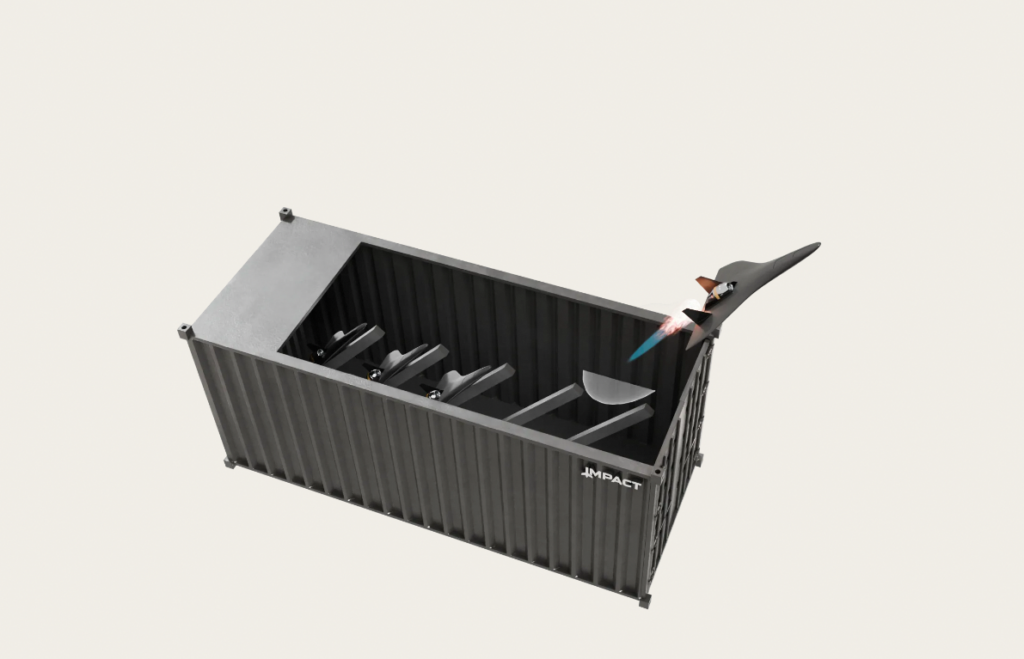
According to Impact Drones, when sensors detect hostile drones, the interceptor launches into the target guided by onboard visual navigation.
Given that Impact Drones is advertising the interceptors to defend civil infrastructure, it’s unclear if they need to operate in the same level of jammed and denied environments as those used on the battlefield.
Impact Drones currently consists of its two co-founding members, Jasper Lortije and Alessandro Fiume.
The one-way attack drone & counter drone interceptor race
The rise of effective Ukrainian solutions to counter Russian propeller-powered Shahed-type drones (including STING interceptors) has led Russia to transition to more expensive, but faster jet-powered Shahed-type drones.
AGN recently reported that, perhaps due to the transition, the reported Russian long-range one-way drone attacks have dramatically fallen below Ukraine’s in recent months.
Countries around the world are rushing to develop their own counterparts to both the Shahed-type one-way attack drone and drone interceptors. Videos emerged online in March that appear to show China testing a small drone interceptor similar to Russia’s Yolka interceptor.
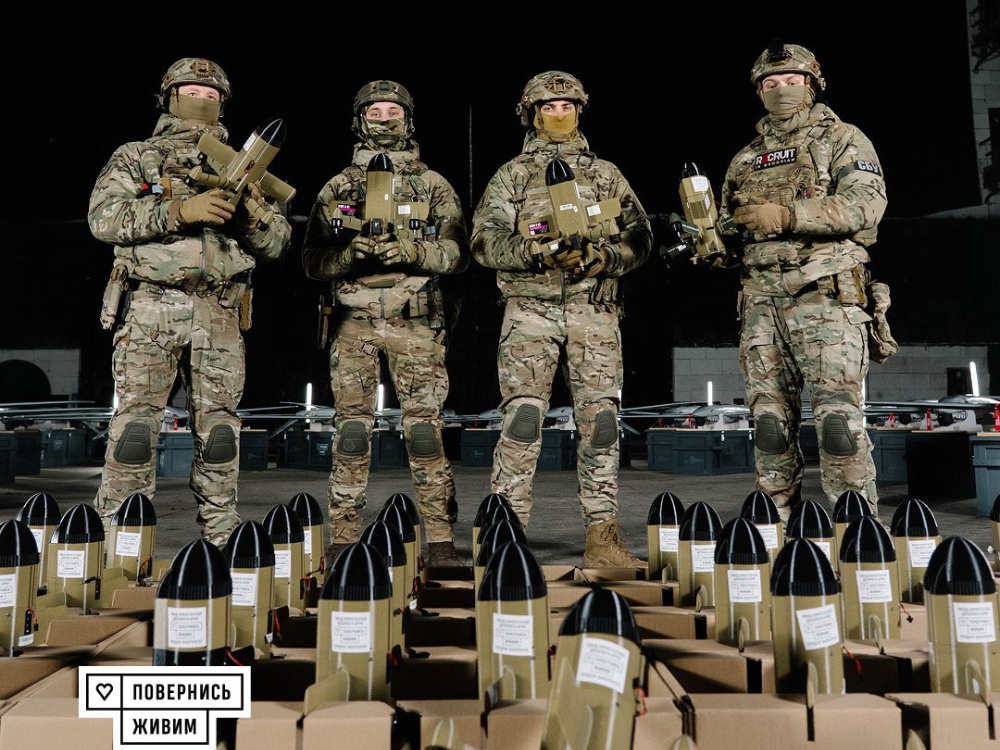
In July, the UK Ministry of Defence awarded three companies (Greenjets, Cambridge Aerospace, and Frankenberg Technologies) £3.14 million ($4.22 million) to develop low-cost drone interceptors under its Low-Cost Air Defence Effectors (LCADE) programme.
In the US, the proposed Fiscal 2027 budget would swell funding for counter-drone technologies by 424% to $20.6 billion, which is part of a greater $74 billion Drone Dominance effort.