After the Airbus A320 and Boeing 737: Inside the race to build aviation’s next-generation airliner

4 min read

Every day, thousands of Airbus A320s and Boeing 737s criss-cross the globe, performing the work that keeps modern aviation moving.
They are among the most successful aircraft ever built – but engineers already have their eyes on what comes next. From open-fan engines and folding wings to hybrid-electric systems, the race to build the next generation of narrowbody aircraft is underway.
Airbus’ next-generation single-aisle (NGSA)
Airbus is currently studying a potential clean-sheet successor to the A320neo family, known as its “next-generation single-aisle” (NGSA).
Airbus has said the aircraft is targeting 20-30% lower fuel consumption compared with today’s generation of single-aisle aircraft, and that it “anticipates a growing role for hybridization and electrification technologies.” It will be constructed out of lighter but stronger materials.

The European airplane maker is also studying folding wingtips, similar to the incoming 777-9, but it remains unclear if that technology will be ultimately incorporated.
Folding wing tips would allow the aircraft to have a much higher-aspect-ratio wing with a longer wingspan, allowing it to reduce drag. The redesigned, high-aspect, and longer wings are a major part of the A330neo and Boeing 777X upgrades.
At the same time, Airbus has delayed aspects of ZEROe and shifted emphasis toward SAF-capable aircraft.
The stretched A321neo has become the driver of the A320 family, and this is likely to be the centre of gravity for NGSA. Currently, it appears likely there will be one clean-sheet single-aisle platform with variants. It’s unclear if there would be an A319neo successor variant.
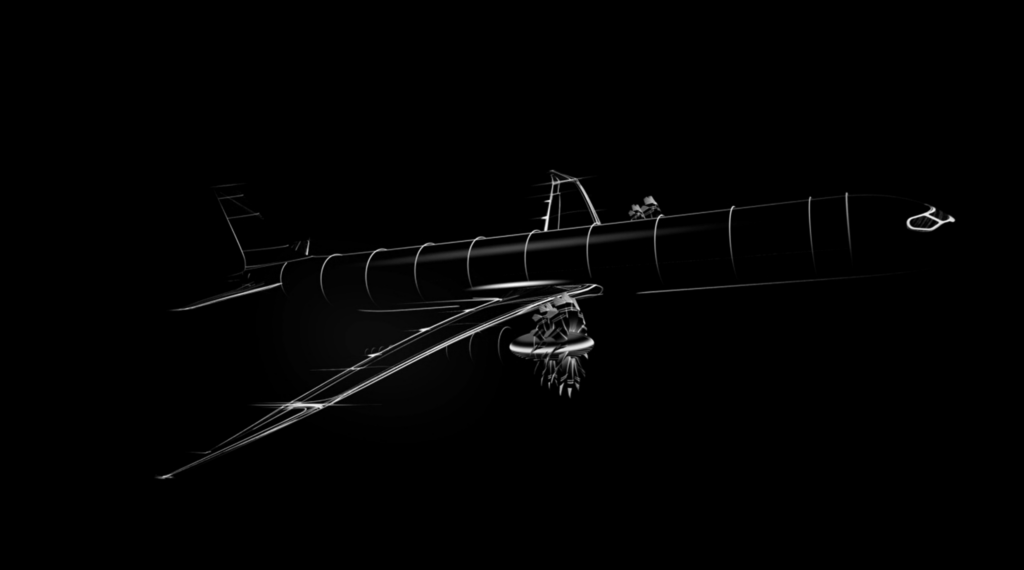
Overall, NGSA is envisioned to be an evolutionary, not a revolutionary, improvement over today’s narrowbody aircraft.
Boeing’s 737 MAX series replacement
Boeing is also working on a next-generation replacement for its MAX series, but its efforts are at a much earlier stage and are less defined than Airbus’.
Some in the industry consider upgrading the 737 Next Generation to the MAX to have been a mistake, as the underlying 737 airframe increasingly constrained aircraft architecture.
This time many industry analysts believe Boeing’s next narrowbody aircraft will require a clean-sheet design, rather than another major derivative of the 737.
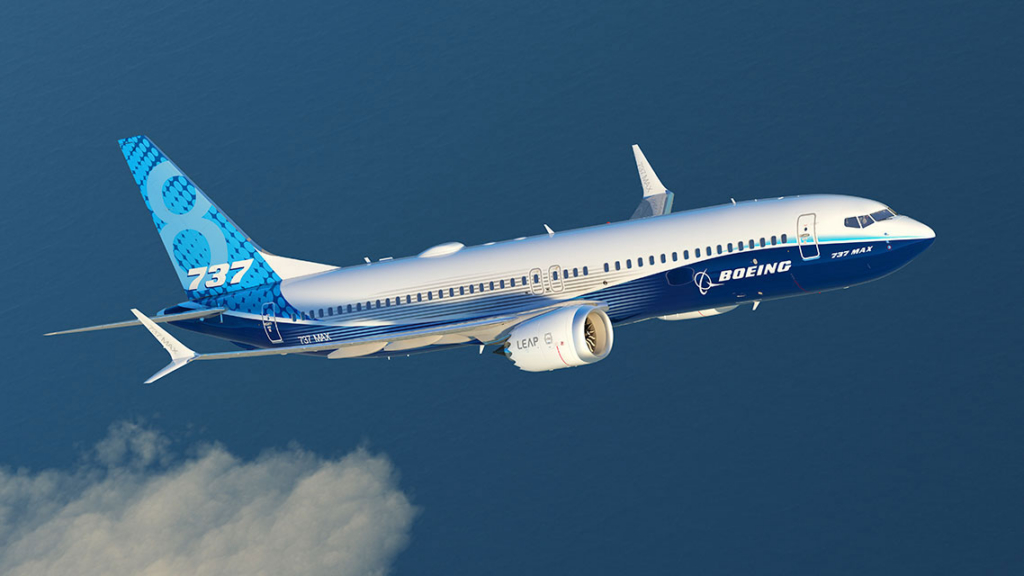
Boeing has confirmed it has begun work on the successor, but has not yet launched a formal aircraft programme. Nor has Boeing selected a final configuration or announced a name.
In July 2026, Boeing’s CEO Kelly Ortberg said that it had started “spending time and money preparing ourselves to be ready when the market’s ready.”
It should be noted that the MAX crisis from 2019, MAX 7 & 10 certification delays, 777X delays, and the resulting cash shortfall have limited Boeing’s fiscal freedom while also providing much more pressing programmes.
Boeing’s financial and programme pressures subsequently made it harder to commit to another clean-sheet commercial aircraft. Even the New Mid-Sized Airplane (NMA), commonly called the Boeing 797 concept, appears to be shelved.
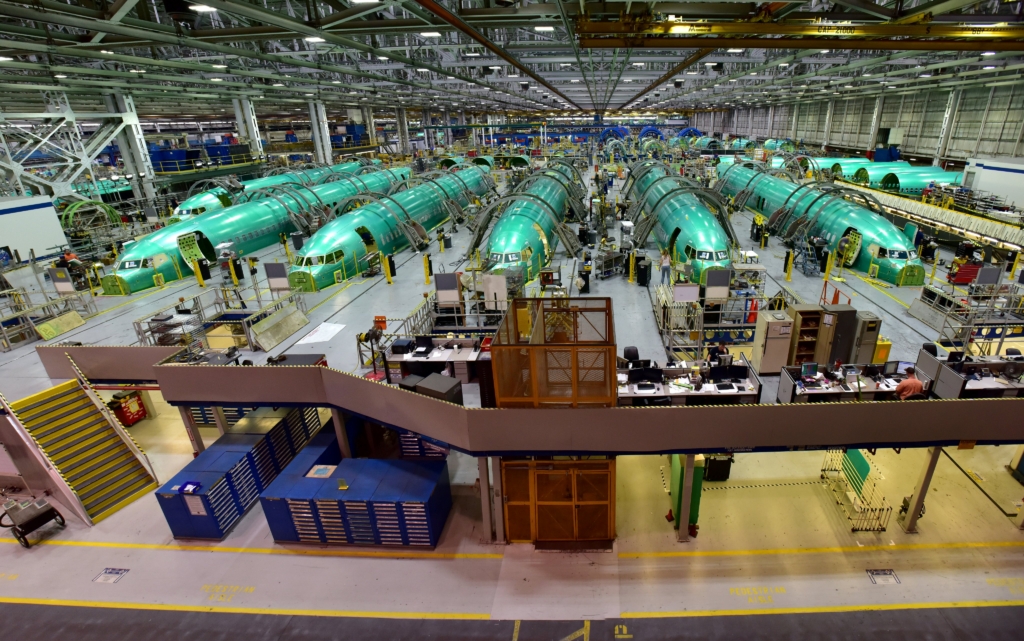
It is likely Boeing’s considerations are similar to Airbus’s, including next-generation engines, high-aspect wings, potentially folding wingtips, advanced composite structures, and hybridization. Without confirmation from Boeing, the discussion is generalized and based on educated guesswork.
That said, the 737’s internal cabin is exceptionally narrow for a six-seater. The A320 is around 12 feet 1 inch (3.70 metres), while the 737’s internal cabin width is about 11 feet 7 inches (3.54 metres). It is reasonable to assume the successor will be wider.
The next-generation engines
When it comes to how these aircraft will be powered, it is perhaps more insightful to turn to the engine manufacturers. CFM, Rolls-Royce and Pratt & Whitney are all positioning themselves to provide the engines for these next-generation aircraft, but with different architectures.
CFM (a joint GE Aerospace and Safran venture) is developing the open-fan CFM RISE engine. Airbus specifically states, “Airbus is working with propulsion experts CFM on the Revolutionary Innovation for Sustainable Engines (RISE) open fan engine demonstrator.”
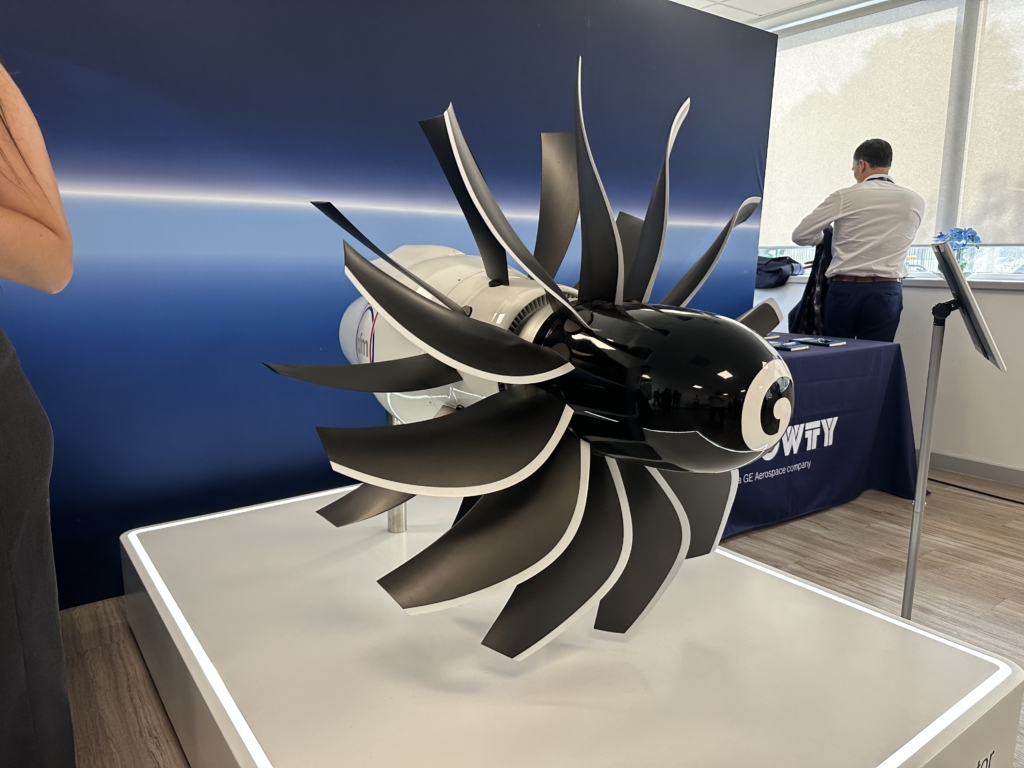
CFM says the engine is targeting 20% better fuel efficiency than today’s most efficient engines. However, Airbus has not officially selected the RISE open fan yet.
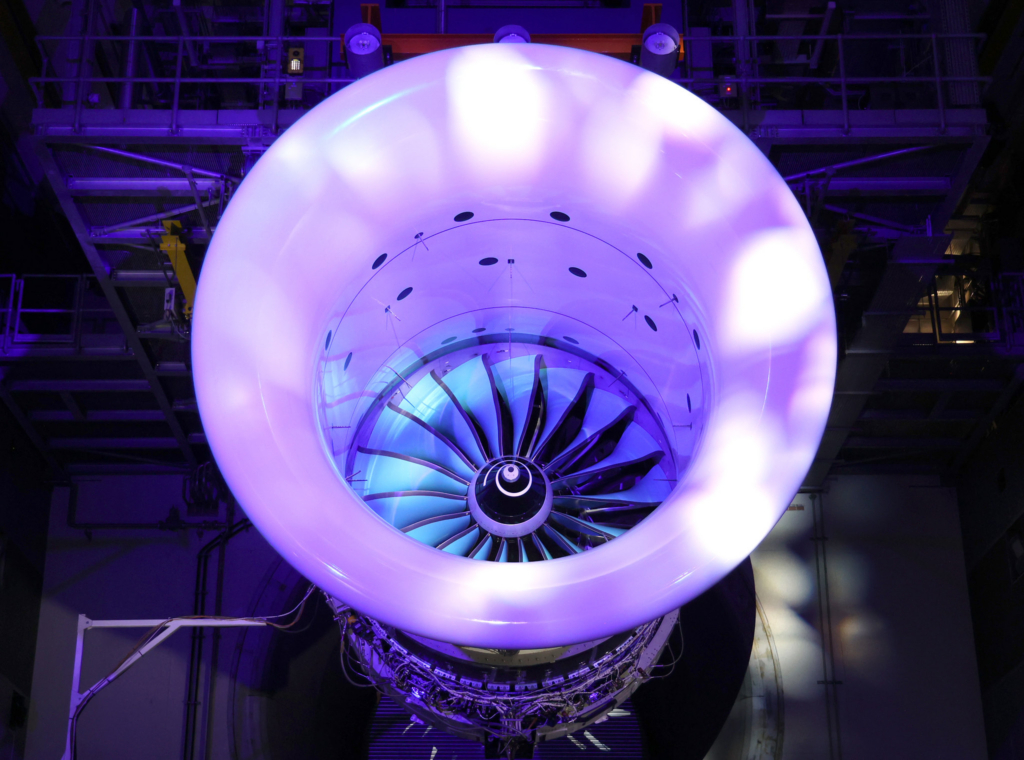
Meanwhile, Rolls-Royce is working to re-enter the narrowbody engine market and is following a different philosophy. It has built its massive UltraFan technology demonstrators to provide a scalable propulsion architecture to serve the 25,000 to 100,000 lb of thrust range.
Rolls-Royce says this can power future narrowbody aircraft. As it is not an open fan, it may have inherent noise advantages over the RISE.
Pratt & Whitney is different again. It has indicated it wants to build on its existing PW1000G/GTF and remain with the ducted/geared turbofan concept. It has indicated that it intends to build on its geared-turbofan architecture rather than pursue an open-fan engine.
The concept of hybridization is another question. In July 2026, Airbus announced its Large Scale Integration Demonstrator of Hybrid Electrical Architecture.
Airbus has previously said that hybrid power could offer 5% in fuel efficiency savings. CFM, Rolls-Royce, and Pratt & Whitney may be working on various levels of hybridization in their next-generation engines.
The likely future propulsion battle is therefore not simply “open fan versus conventional turbofan”. Hybrid-electric systems could be combined with either architecture, allowing the gas turbine to provide the overwhelming majority of the aircraft’s energy while electric machines optimise power generation, propulsion, and aircraft systems.
Sign up for our newsletter and get our latest content in your inbox.


More from


October 13, 202612 min read