UK airport disruption continues into a second day with more than 2,000 flights affected

4 min read
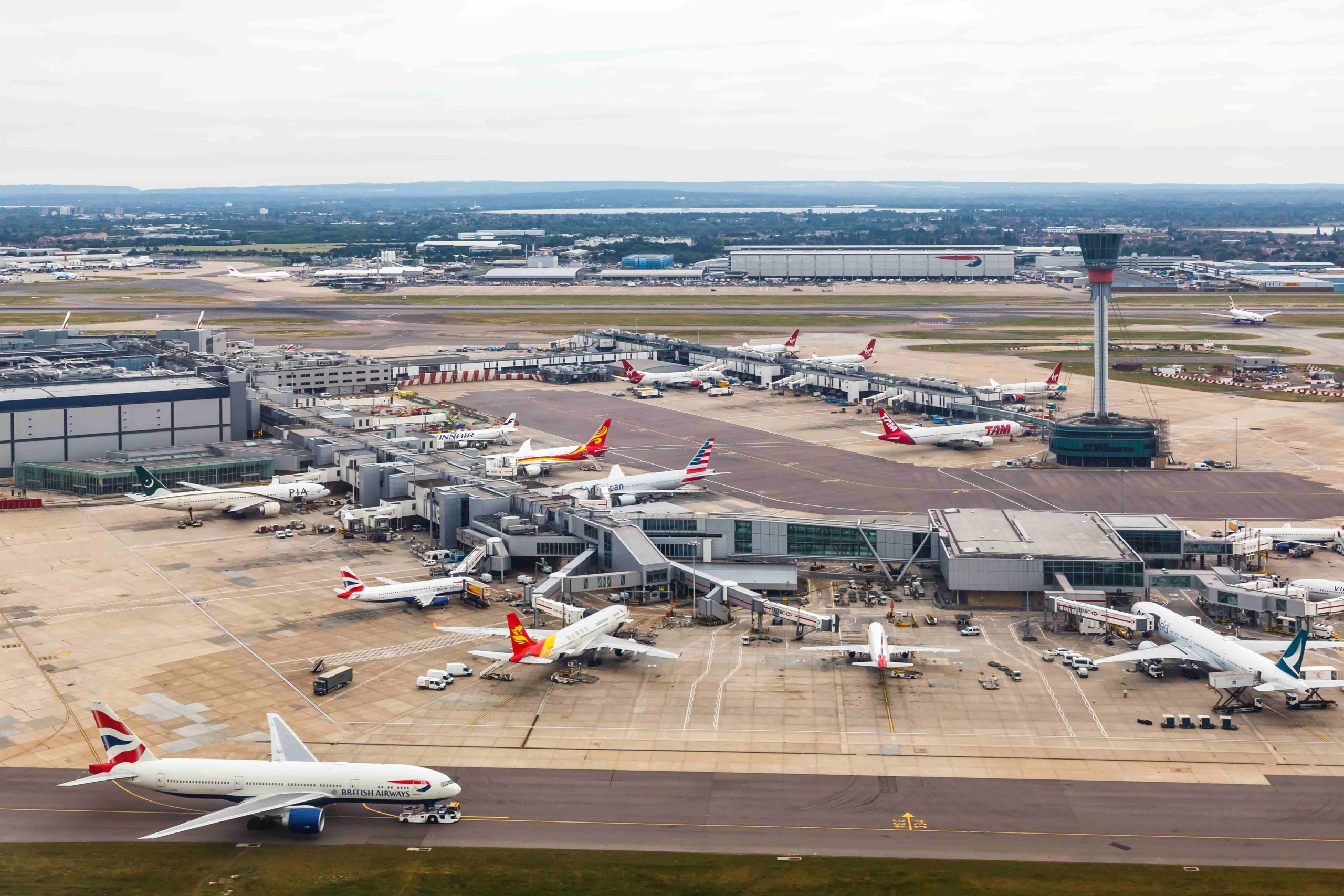
Delays and cancellations have persisted across many of the UK’s biggest airports for a second day, as the ripples from the air traffic control system outage continue to be felt.
NATS, the primary air traffic control provider for the UK, identified an issue with its flight processing system yesterday afternoon. Today, 9 September at 12:55, it shared that its ‘operations are stable,’ and that it is working with airports and airlines to support their recovery from the disruption.
“While our immediate focus is on safely managing today’s flights, a full investigation will be conducted to establish what happened and identify any further action needed,” NATS added.
NATS has apologised for the disruption to travel plans, and will be subject to investigations into the cause of the outage. With more than 2,000 flights already affected, the problems could persist for several days to come.
300,000 passengers estimated to have suffered disruption
Data from aviation analytics firm Cirium shows that, yesterday, more than 1,700 flights were cancelled or did not fly as a result of the outage. This included 903 departing flights and 843 arrivals. Overall, more than 30% of planned flights were cancelled, compared to a normal rate of 1 -2%.
The disruption has continued today, as 357 flights have been cancelled or did not fly. While less significant than yesterday’s disruption, this still accounts for over 6% of today’s services and brings the total to 2,103 flights impacted.
Cirium treats flights that are delayed by more than 3 hours as “no fly” if they are not outright cancelled
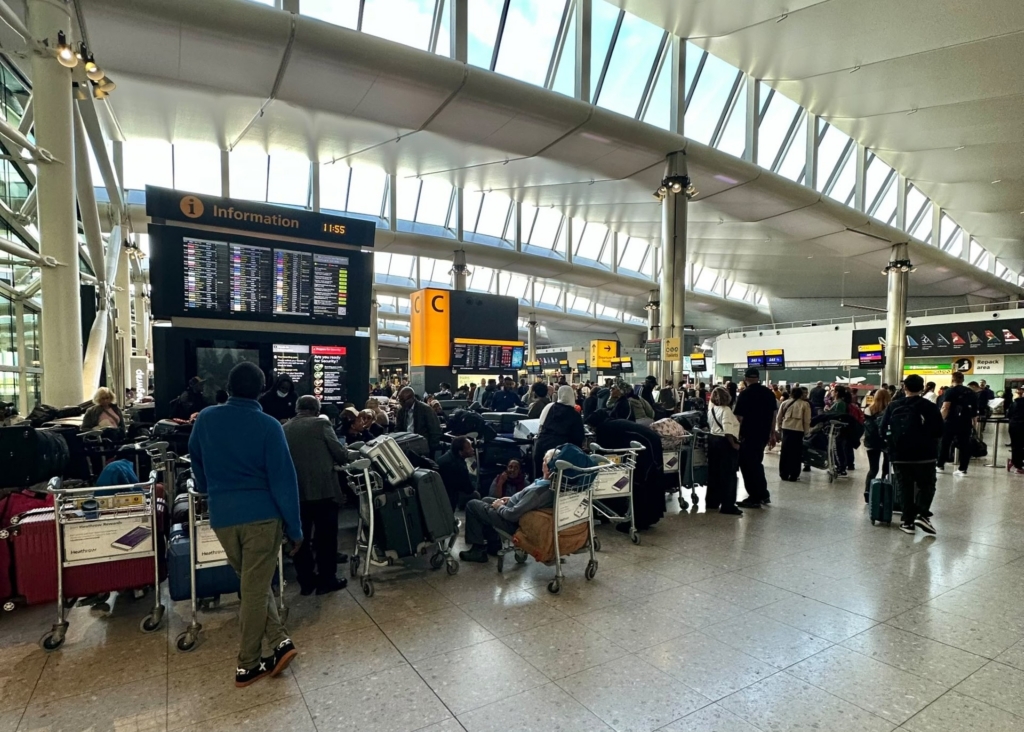
Cirium calculates the disrupted flights to account for at least 300,000 passengers on 8 September. With more suffering today, the final number could well approach the half-million level.
The most heavily disrupted airlines yesterday included British Airways, Virgin Atlantic and Eurowings, which all cancelled more than 40% of their flights. Today, most airlines operated with few cancellations aside from BA, which cancelled 81 flights or 15.9% of its schedule, and easyJet, which cancelled 24, or 3.9%.
Cancelled departures by airline – 8 September
| Airline | Flights Scheduled | Cancelled or No Fly | Cancelled or No Fly % |
| EasyJet | 601 | 218 | 36.27% |
| British Airways | 507 | 213 | 42.01% |
| Ryanair | 505 | 117 | 23.17% |
| Jet2 | 246 | 37 | 15.04% |
| Loganair | 109 | 28 | 25.69% |
| KLM | 65 | 21 | 32.31% |
| Aer Lingus | 112 | 15 | 13.39% |
| Virgin Atlantic | 34 | 14 | 41.18% |
| Ryanair UK | 58 | 13 | 22.41% |
| Eurowings | 23 | 12 | 52.17% |
The most affected airports were Heathrow and London City, with over 40% of departures cancelled on 8 September. Also experiencing significant disruption were Gatwick, Stansted and Luton, with cancellation rates of over 30%, although the effects were noticeable as far away as Aberdeen, Edinburgh and Glasgow.
How does one small outage impact so many flights?
The outage began at around 13:30 yesterday, with NATS sending a message at 13:45 noting it was investigating a potential issue. It took two hours to identify the problem, and it was 19:30 before the company could say things were working as they should. “Recovery from today’s system issue has taken longer than we had hoped,” NATS shared.
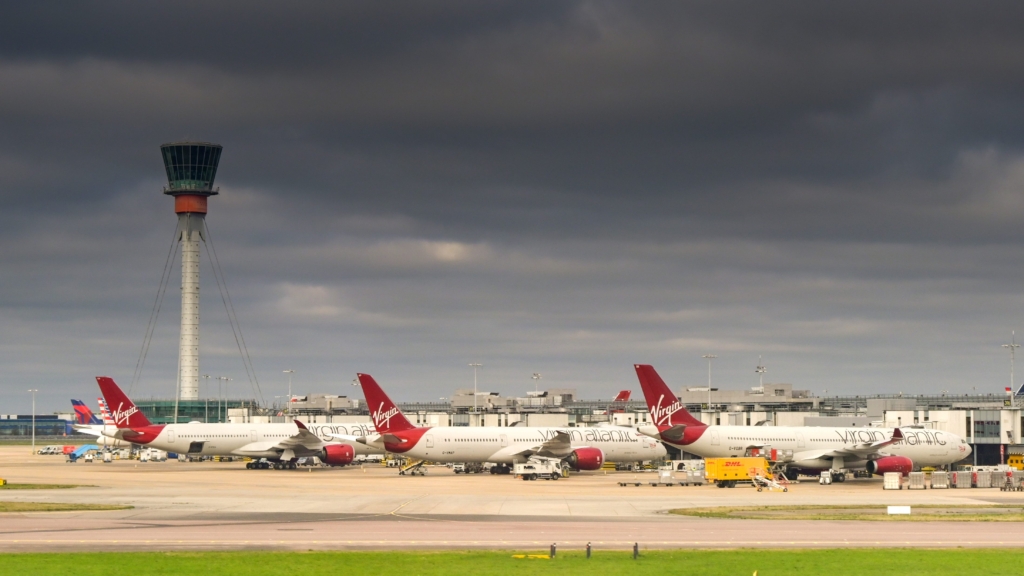
For at least two hours, Heathrow – one of the busiest airports in the world – was ‘unavailable’ for landing. Several aircraft were forced to hold over the English Channel or divert to other airports, while passengers waiting to take off were held on aircraft for hours. Some were even deplaned.
“With over 800,000 travellers passing through UK airports every day, the resilience of the digital infrastructure underpinning UK airspace is critical,” said Martin Bradbury, Regional VP of UKI at Dynatrace. “As ongoing flight disruptions show, a failure within a central air traffic control system can quickly ripple across the aviation network, leaving airlines dealing with delayed and cancelled flights and passengers facing missed connections, disrupted holidays and uncertainty over when they will be able to travel.
NATS CEO Martin Rolfe has been given a week to report back on the reasons for the failure, while transport secretary Heidi Alexander has commissioned an independent review by the CAA. One of the questions looking to be answered will be whether this issue could have been avoided.
“The instinct after an outage like this is to focus on the immediate technical trigger, and NATS will rightly face questions about its architecture and resilience,” said Niall Burns, CTO at APIContext. “But the bigger issue for anyone managing distributed systems is the hidden dependencies we build into our ecosystems.
“This is not just an aviation problem,” Burns continued. “Across enterprise technologies, we increasingly rely on external datasets, 3rd party services and critical APIs as if they were always available and predictable. When a critical dependency becomes a black box, organisations can lose visibility of a problem until it has already started to propagate.”
Sign up for our newsletter and get our latest content in your inbox.


More from


October 17, 20264 min read