Air Force One emergency slide deploys moments before Trump boards in Washington

4 min read
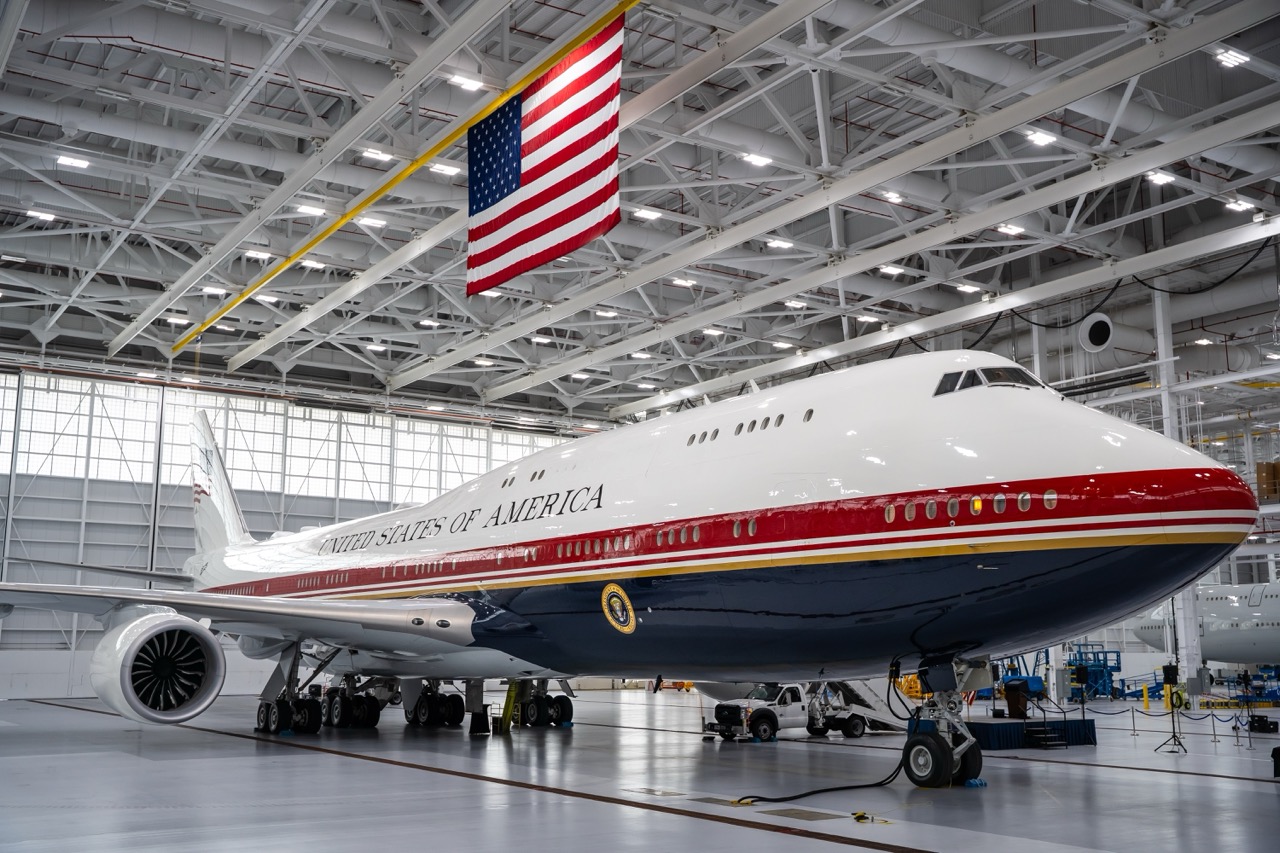

President Donald Trump’s departure from Washington to Dallas was briefly delayed on 9 September after an emergency evacuation slide unexpectedly deployed from the newly refurbished Air Force One shortly before he was due to board.
The incident happened at Joint Base Andrews in Maryland as Trump prepared to travel to Texas for the Republican Party’s midterm convention. The president arrived aboard the Marine One helicopter, which transferred him from the White House, but remained on the helicopter while military personnel worked on the aircraft.
The inflatable slide was seen extending from an exit on the front right side of the Boeing 747-8, opposite the entry door normally used by Trump when using the aircraft.
Accidental slide deployment on ex-Qatari Air Force One
According to reporting by CBS News, the slide was accidentally triggered by a member of the US Air Force crew. Trump subsequently told reporters that personnel were “checking” the slide and wanted to ensure that the safety system was working properly.
The aircraft was inspected, the slide was deflated and removed, and Trump eventually boarded the plane for the flight to Dallas with a slight delay.
Trump sought to reassure reporters that there was no immediate safety problem. Asked whether he was confident the aircraft was safe, he indicated that he was, saying he would not board if he believed otherwise. The flight subsequently departed without further incident.
President Trump's Texas trip was delayed on Wednesday after an inflatable emergency slide on the new Qatar-gifted Air Force One deployed on the tarmac before he boarded, prompting workers to remove it.
— CBS News (@CBSNews) September 9, 2026
A member of the plane's Air Force crew accidentally triggered the inflatable… pic.twitter.com/otpDfCxI5L
Although the deployment appears to have been an operational mishap rather than an emergency, it has attracted particular attention because this is not an ordinary presidential aircraft.
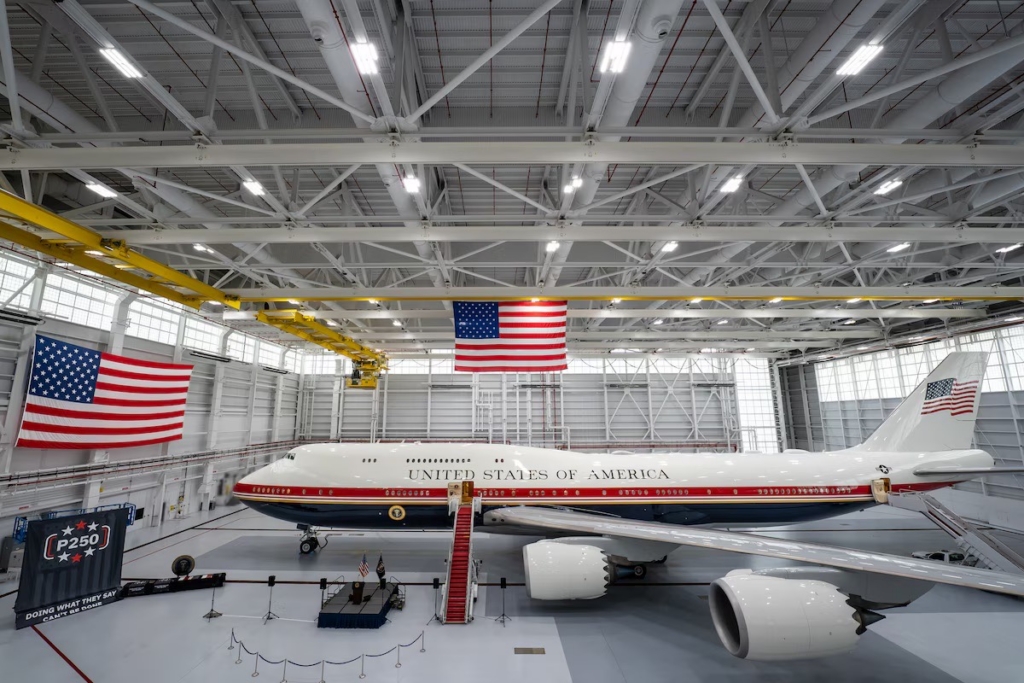
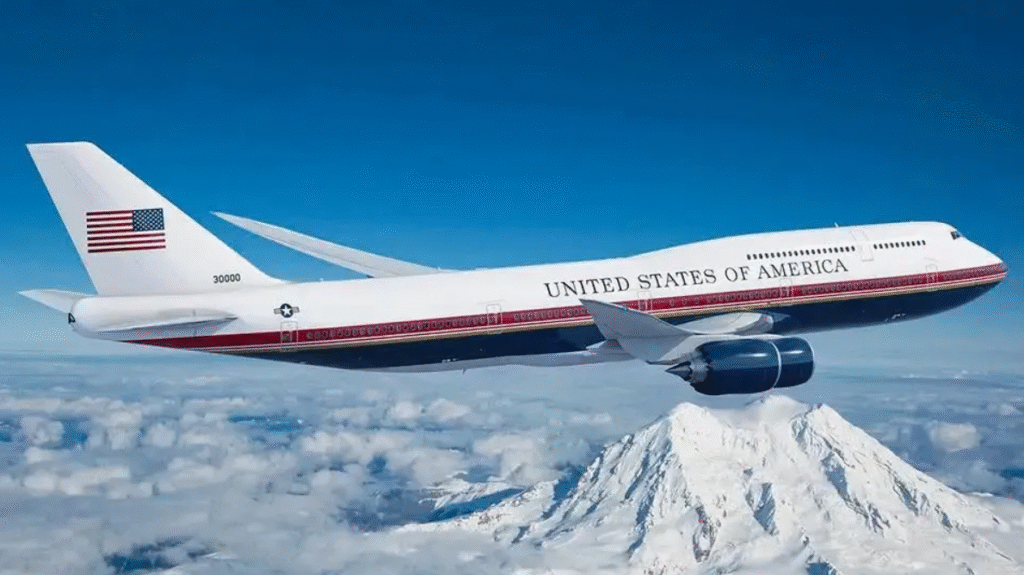
The jet was provided by Qatar and has undergone extensive refurbishment for presidential use. Trump began using the aircraft in July of this year, while additional security modifications remain planned.
The aircraft is scheduled to be taken out of service for a period of further security work later this year, according to White House sources.
Another high-profile incident involving the new aircraft
The slide incident also comes against the backdrop of a much more serious security episode involving presidential air travel.
In July, during Trump’s visit to Ankara, Turkey, for the NATO Summit, the Secret Service and military authorities secretly moved the president off Air Force One and onto a smaller C-32A government aircraft after receiving what sources described as a credible and potentially imminent missile threat.
The threat was reportedly linked to concerns that Air Force One could be targeted by a shoulder-fired missile amid heightened tensions with Iran.
The operation was unusually secretive. Trump and a small group of aides were reportedly moved using a catering vehicle while Air Force One remained at the airport.
The presidential aircraft subsequently departed separately, carrying senior officials, White House personnel and members of the travelling press corps, sparking consternation among some of the passengers involved.
Trump later confirmed that the Secret Service had directed the switch, although he played down the danger.
Questions surrounding suitability of the aircraft remain
That episode intensified questions about the protection of the new Qatari aircraft. While the jet offers the size and range expected of a presidential transport, it was transferred to the US and refurbished on an accelerated timetable.
Reports have noted that additional security enhancements are still being completed, with the White House planning further work before the aircraft assumes a more permanent role.
The distinction between an aircraft safety issue and a security threat is important. The emergency-slide deployment appears to have been a technical or procedural problem involving an evacuation system.
By contrast, the Turkish incident involved an external threat serious enough for presidential protection officials to change aircraft and conceal Trump’s movements.
Nevertheless, the timing of this latest incident is awkward for an aircraft already under scrutiny. Air Force One is designed to function as a highly secure command-and-control platform as well as a transport aircraft, and even a relatively minor malfunction can attract attention because of the consequences of an interruption to presidential travel.
For now, there is no indication that the recent slide deployment represented a threat to Trump. The aircraft was inspected, the problem was resolved, and the president reached Dallas as planned.
But with further security upgrades still expected, the episode adds another chapter to the unusually eventful introduction of Trump’s new Air Force One aircraft, and will only serve to amplify the questions as to its suitability.
Sign up for our newsletter and get our latest content in your inbox.