Sceye completes 30,000km US-Japan HAPS mission, proving direct-to-device connectivity

6 min read
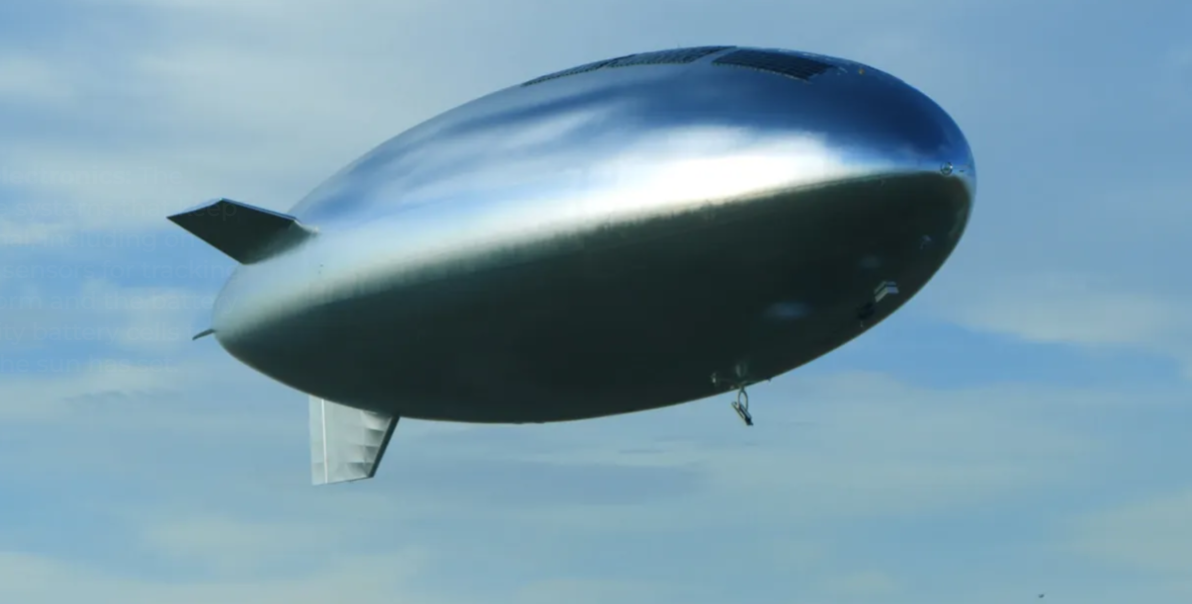
Sceye has completed a nearly 30,000 km round trip between New Mexico and Japan with its Service Test 1 (ST1) high-altitude platform. During a week over Japan, it demonstrated direct mobile connectivity, communications with drones and onboard data processing.
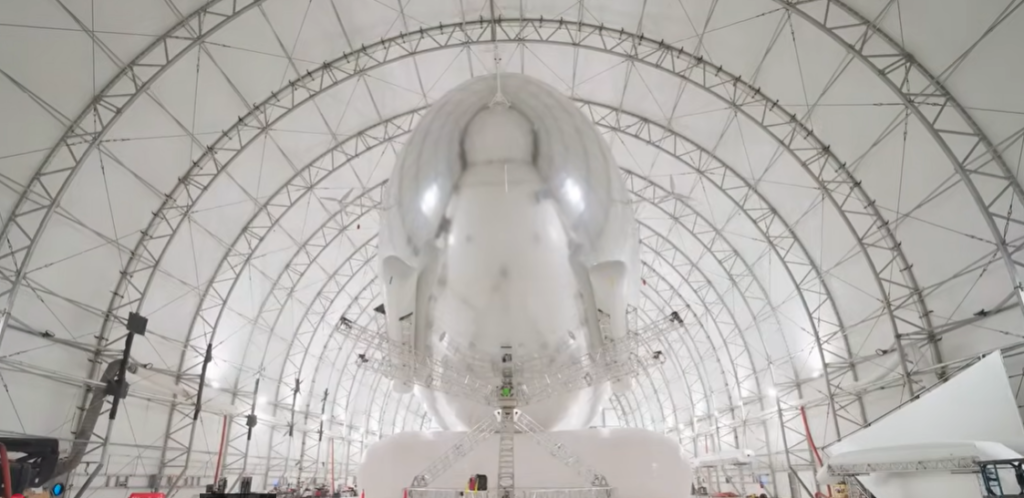
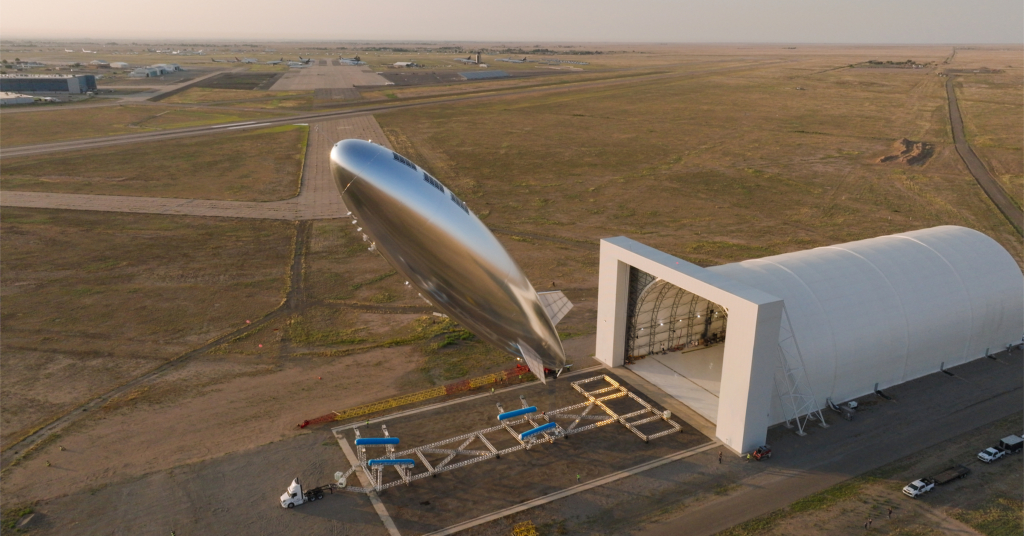
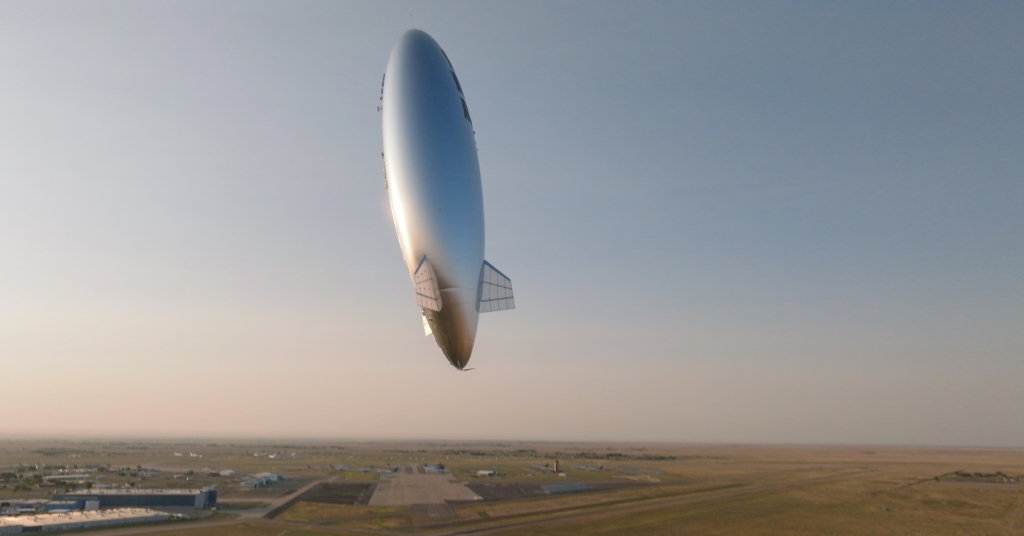
The ST1 mission began in New Mexico on 9 August. The platform reached Japan 13 days later, remained in Japanese-managed airspace for more than a week and then crossed the Pacific again. It re-entered the continental United States on 4 September and reached airspace near Sceye’s headquarters at Moriarty, New Mexico, the following day. The company then carried out further vehicle tests before a planned termination and descent.
The flight is significant for Sceye because ST1 was not simply an endurance exercise. The company used the aircraft over Japan to test whether a high-altitude platform system, or HAPS, could work as a communications station between conventional mobile towers on the ground and satellites in space.
The tests were conducted with SoftBank and included ordinary smartphones that had not been modified to communicate with the platform.
How Sceye’s HAPS delivered direct-to-device mobile connectivity over Japan
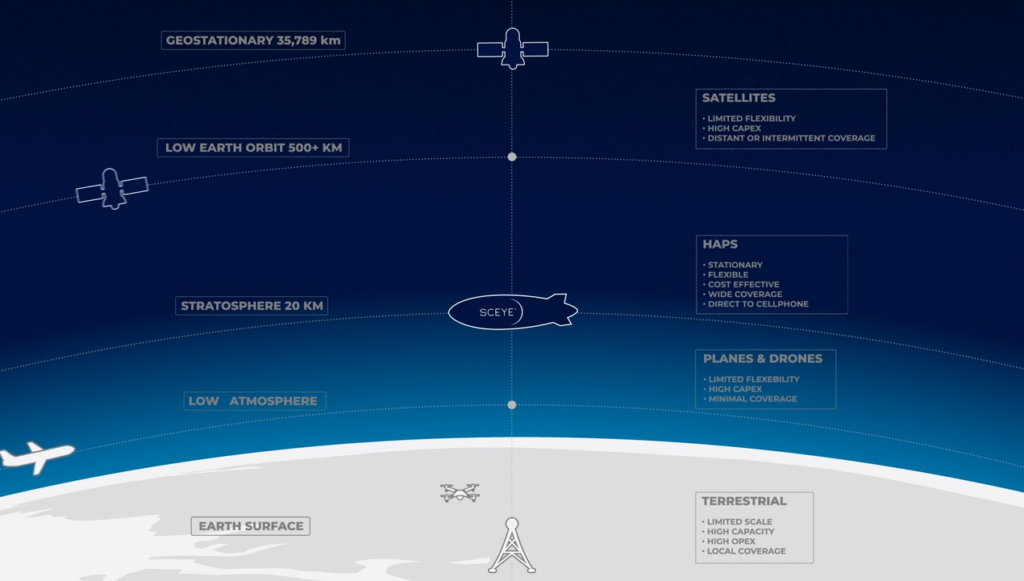
HAPS occupy an unusual part of the sky. They operate in the stratosphere, much higher than commercial airliners but far below satellites. Sceye’s ST1 operated between about 16.5-17km during the mission.
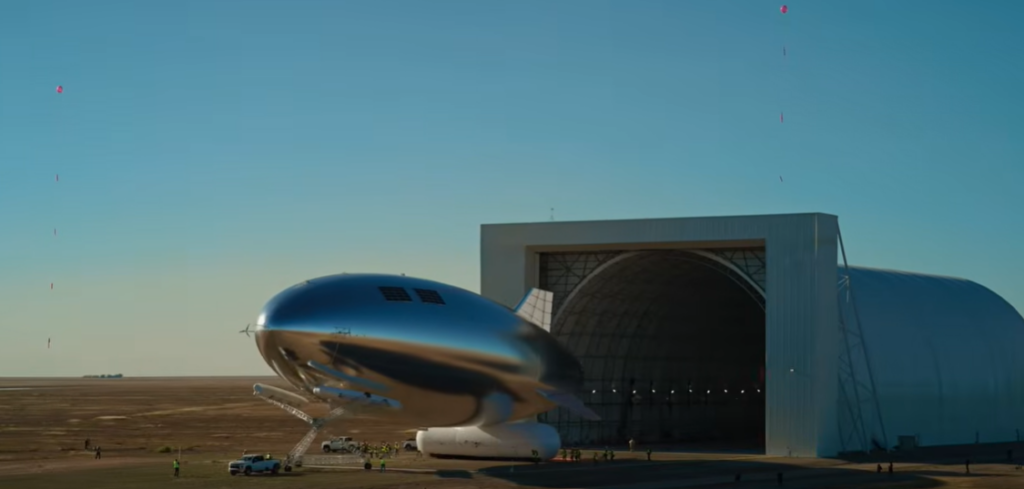
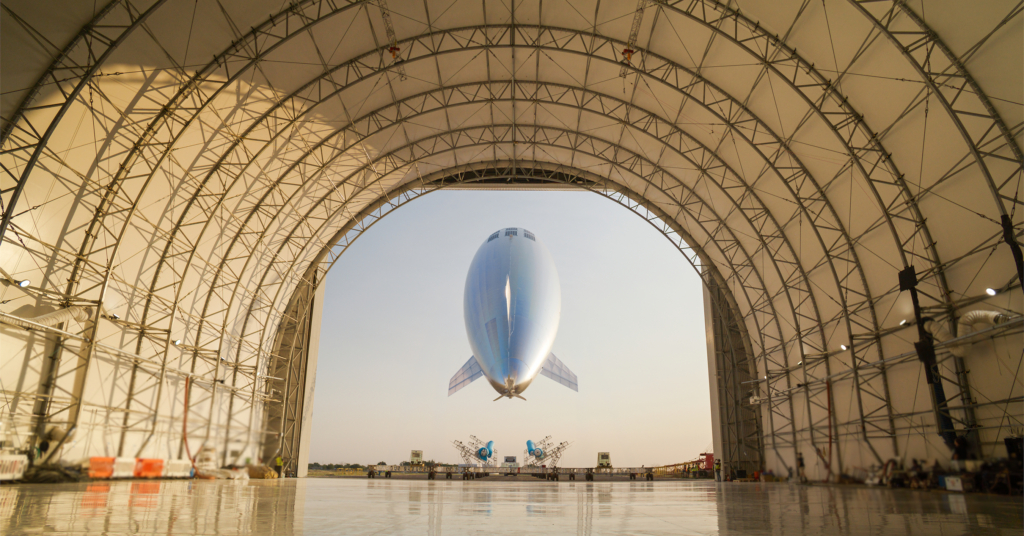
Sceye’s aircraft is an unmanned, lighter-than-air platform. It uses solar power during daylight and batteries at night. The aim is eventually to keep such vehicles over a chosen area for long periods rather than continually flying from one place to another.
That altitude gives the company a wide view of the ground while keeping the communications equipment much closer to users than a satellite.
For the Japan mission, ST1 carried SceyeCELL, an airborne telecommunications system the company describes as a “cell tower in the sky”.
Sceye says a full-scale platform is designed to provide coverage equivalent to the area served by about 500 terrestrial mobile towers. Once ST1 reached Japan, Sceye and SoftBank connected it to SoftBank’s core network and demonstrated broadband directly to standard mobile devices.
That could be one of the more practical uses for a HAPS network. Mobile towers can be damaged or lose power during earthquakes, floods and other disasters. A platform operating far above the affected area could provide another route for communications without first rebuilding ground infrastructure.
The tests included text messages, voice calls, internet access and video streaming. Emergency calls and an alert messaging system intended for large-scale disasters were also tested.
SoftBank invested in Sceye’s HAPS programme in 2025 as part of work on non-terrestrial networks that could complement both terrestrial towers and satellite constellations.
Sceye and SoftBank test HAPS-based communications with drones
The mission also went beyond connecting phones on the ground. Sceye and SoftBank tested communications between the HAPS and drones, part of SoftBank’s work towards what it calls a three-dimensional communications network.
The idea is that future networks will increasingly have to connect machines operating above the ground as well as people and devices on it. Drones are an obvious example. Aerial vehicles operating beyond the reach of conventional ground networks could potentially connect through a HAPS overhead.
ST1 remained within its target area off the Japanese coast for an extended period and achieved what Sceye calls a station-seeking radius as low as 5 km.
Junichi Miyakawa, president and CEO of SoftBank, said the Japan tests had increased the company’s confidence in using HAPS as part of a network extending from the ground into the sky and space.
“By combining the HAPS flight and operational technologies that Sceye has developed with SoftBank’s communications technologies, we have gained confidence to realize a three-dimensional communications network utilizing HAPS,” Miyakawa said following the tests.
Why HAPS could complement mobile towers and satellite networks
Another experiment placed computing equipment aboard ST1 itself.
Normally, data generated by a user may have to travel through a network to a distant data centre for processing before the answer returns. Sceye and SoftBank instead installed a server on the HAPS and processed data aboard the platform.
They recorded an average round-trip response time of 68 milliseconds, which the companies said cut latency by more than 40% compared with processing through an internet-based cloud service.
Sceye and SoftBank describe the demonstration as the first in which a mobile core network and web server were installed on a HAPS so that processing could take place entirely aboard the platform before the result was sent back to a smartphone.
That brings another possible role for high-altitude platforms into view. Rather than acting only as relays between users and networks elsewhere, they could carry some of the computing power needed to process information close to where it is being generated.
Inside the test flight from New Mexico to Brazil
The Pacific crossing follows another long-duration Sceye flight earlier this year.
On March 25, its SE2 platform left New Mexico and travelled more than 6,400 miles, or roughly 10,300 km, towards the Brazilian coast. The mission lasted more than 12 days.
During that flight, SE2 spent more than 88 hours maintaining position over selected areas and achieved a station-seeking radius as low as 1 km.
The company was testing something essential for any platform expected to remain in the stratosphere for long periods: whether it could keep itself powered through repeated days and nights.
Solar power generated during daylight charged batteries that kept the aircraft operating after sunset. Sceye also maintained the pressure of the vehicle through each day-night cycle, testing the hull it manufactures in-house.
That flight prepared the company for the Service Test Program that began with ST1. The Japan mission took the next step. Instead of demonstrating only that the aircraft could remain aloft and hold position, Sceye put telecommunications equipment aboard and used it with an operating mobile network.
The biggest challenge for HAPS: staying in position for months
Long-distance flights provide striking numbers, but travelling 30,000 km is not ultimately what Sceye wants these aircraft to do commercially.
A communications platform is most useful when it can remain above the area it is meant to serve. The challenge is therefore to reach the stratosphere, manage winds, generate enough energy to survive repeated nights and stay close enough to a chosen location for the payload to keep doing its job.
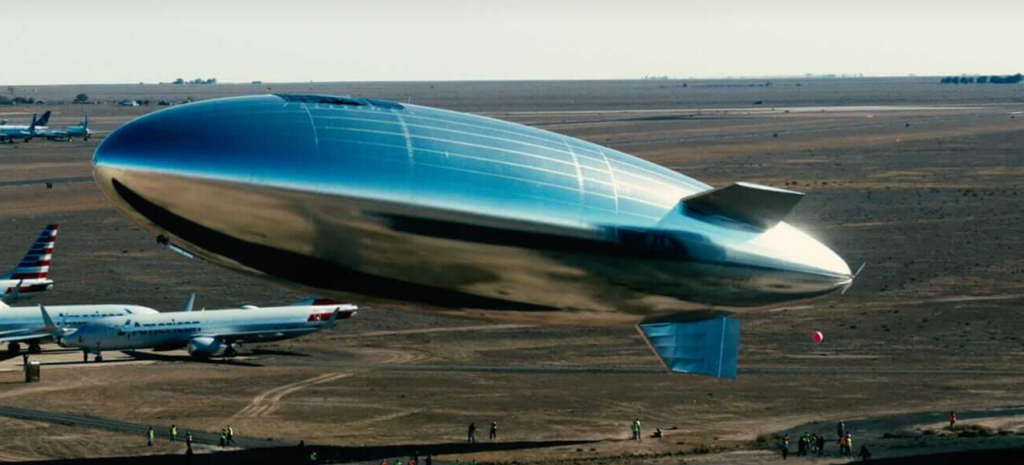
Sceye says its earlier endurance work provided the configuration and operating data needed to move towards flights lasting months and eventually years.
ST1 has now added a much longer round trip and a week of operations over Japan to that work.
“This mission proved not only that our technology, vehicle systems, payload, and operational infrastructure are ready for connectivity services,” Sceye founder and CEO Mikkel Vestergaard Frandsen said after the aircraft returned.
That remains the commercial test facing HAPS developers. The attraction of the stratosphere is that the platform is far closer to Earth than a satellite and can cover a much wider area than a single ground tower.
Turning that advantage into a service requires the aircraft to remain aloft reliably, hold its operating area and keep its communications payload working through repeated day and night cycles.
Sign up for our newsletter and get our latest content in your inbox.


More from


October 17, 20264 min read