On this day: 16 years since the Boeing 747-8 took off on its maiden flight

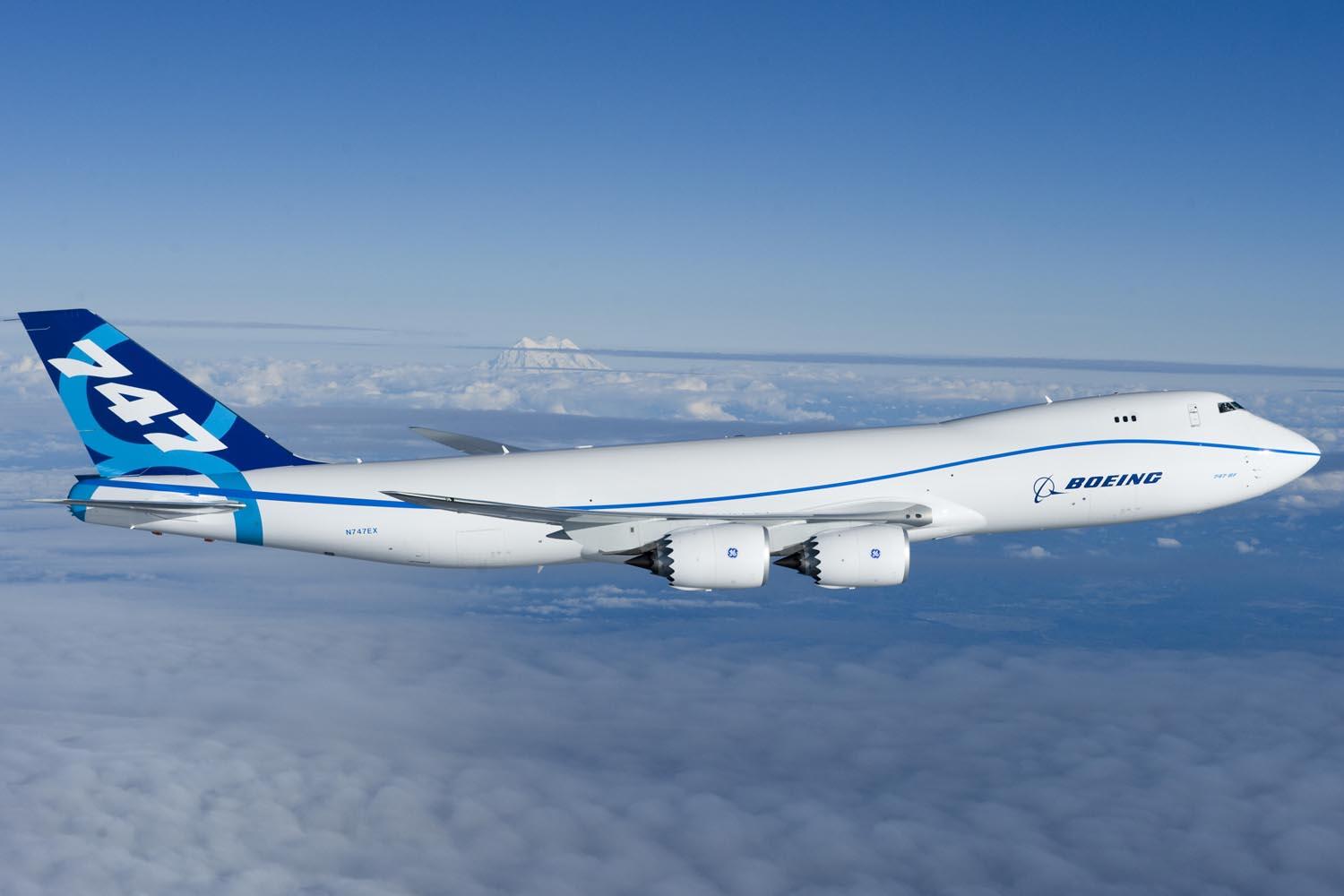
On 8 February 2010, a gathering of excited spectators made up of Boeing employees, aviation enthusiasts, members of the public, and the world’s media gathered at Paine Field in Everett, Washington. The event they had come to witness was the maiden flight of the Boeing 747-8, the latest (and last) incarnation of the US planemaker’s largest commercial jet airliner.
Resplendent in a white and blue ‘house’ livery, the aircraft took to the air that day carrying the hopes of Boeing Commercial Airplanes with it – that its newest 747 family member would become a major competitor to the Airbus A380 in the very large aircraft market. However, time would prove that these aspirations would not be met.
8 February 2010 – the first flight of the 747-8
On the morning of 8 February 2010, Boeing 747-8F registered N747EX (a freighter variant) taxied out from the Boeing 747 final assembly plant at Everett for its maiden flight. The event was preceded by fast taxi trials that had successfully taken place the day before.
After a 2.5-hour weather delay, the 747-8F freighter took off from Paine Field at 12:39 local time, landing just under four hours later at 16:18. Coincidentally, the maiden flight of the type came just one day short of the 41st anniversary of the first flight of the first-ever Boeing 747, which took place from the same airfield on 9 February 1969.
During the first flight of the 747-8, with chief project pilot Captain Mark Feuerstein and Captain Paul Stemer at the controls, the crew performed a series of tests and reached a cruising altitude of 19,000 feet (5,791 meters) and a speed of up to 250 knots (463 km/h). They also carried out a series of manoeuvres to evaluate the aircraft’s handling and performance characteristics.
At the time, Boeing said that around 1,600 flight hours would be needed for the 747-8 to be certified by the FAA. For the type’s second flight, which took place later in February 2010, the prototype was ferried to Moses Lake in Washington to test new navigation equipment and other flight systems.
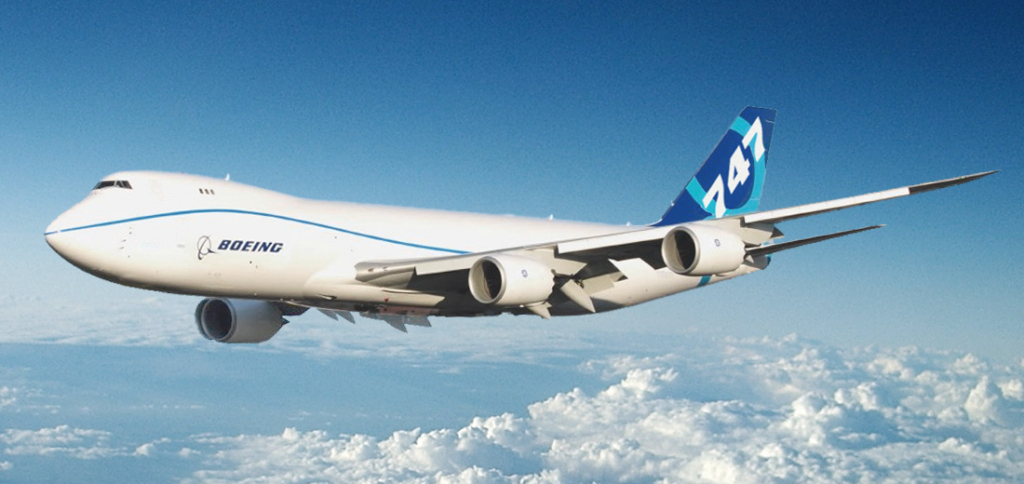
Further flight testing took place in Moses Lake, where Boeing conducted initial airworthiness and flutter tests, before the prototype moved to Palmdale, California, for the majority of flight tests.
This move was made so that the certification programme for the 747-8 would not conflict with the Boeing 787 flight test programme being conducted from Boeing Field, near Seattle. By this point, three 747-8Fs were engaged in the flight testing programme.
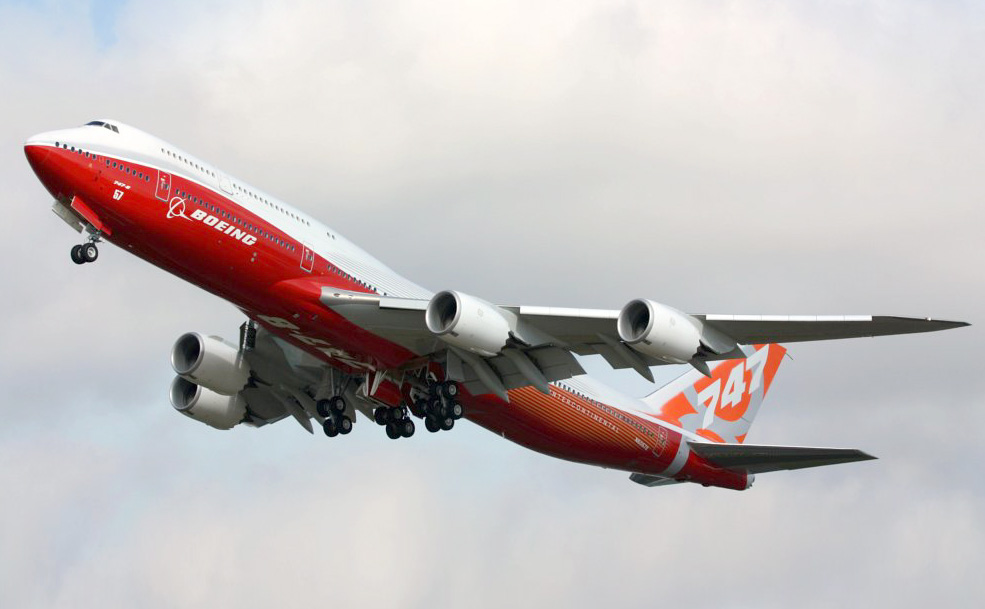
On 20 March 2011, just over a year later, and with certification well underway, the first Boeing 747-8I (N6067E) passenger variant took to the skies for the first time in an iconic red and silver livery.
With all flight tests so far having been carried out on freighter variants (747-8F), the introduction of the 747-8I (‘intercontinental’) would pave the way for the entry into passenger service of the type.
Boeing handed over the first 747-8F to Cargolux in Everett, Washington, on 12 October 2011. The first 747-8 Intercontinental was delivered to German carrier Lufthansa on 5 May 2012. The airline began operating passenger flights with the type on flights from Frankfurt to Washington, DC on 1 June 2012.
Why did Boeing build the 747-8?
The type was to be the first-ever lengthened 747, and the second 747 with a modified fuselage length, after the short-fuselage 747SP (Special Performance).
While Boeing had hopes that the Boeing 747-8I would compete for airline orders in the passenger market alongside the Airbus A380, the 747-8F would eventually find its niche in the freighter market, having no like-for-like comparison.
Of similar capacity and range to the A380, Boeing believed that its larger and more fuel-efficient version of the 747-400 would compete on high-capacity long-haul routes and would be favoured by existing Boeing 747 operators over inducting a whole new type (the A380) into their fleets.
The updated 747-8 boasted a stretched fuselage of 76.25 m (250 ft 2 in) in length, and a passenger capacity of up to 467 in a typical three-class configuration.
To counter the Airbus A380, Boeing designed the 747-8 to be 10% lighter and with an 11% lower fuel consumption per passenger than the A380. These figures translated to a 21% cost reduction and a 6% less per-seat-mile cost than the Airbus Superjumbo
Additionally, the 747-8 was developed alongside the 787 Dreamliner, incorporating many of the smaller jet’s components into its design.
The 747-8 used the same General Electric GEnx turbofan engines and fly-by-wire ailerons and spoilers used on the Dreamliner. It was believed that by doing so, development costs and time to certification would both be reduced.
What was different about the 747-8?
The 76.2 metre long airliner was the world’s longest commercial aircraft until the 777-9 twinjet debuted at slightly over 251 feet (76.5 meters) in length.
Other improvements made to the 747-8 over its predecessor, the 747-400, included thicker, deeper, and broader wings (to accommodate more fuel), as well as a larger vertical stabiliser to counteract the yaw from the longer fuselage.

With passenger comfort in mind, Boeing also made enhancements to the passenger cabin on the 747-8I. The 747-8I’s windows were 8% larger than those on the 747-400, and similar in size to those on the 777.
It also featured a lighting system that could create mood lighting, seen on most airliners nowadays. The aircraft was designed to fly over 7,790 nautical miles (14,430 km) with 467 passengers on board in a typical three-class configuration. Lufthansa now carries 364 passengers in its 747-8Is.
747-8 development and post-production issues
The development of the 747-8I did not go without various issues. Boeing had initially proposed larger versions of the 747 in the 1990s and 2000s (the -500 and 600), but both had been met with lukewarm responses from airlines due to the commercial market’s uncertainty over its future industry requirements.
Freighter airlines, however, showed more interest, making the project viable and driving the development forward.
Unfortunately, the 747-8 programme also faced delays resulting from limited engineering resources within the company, design changes, and a strike by factory workers.
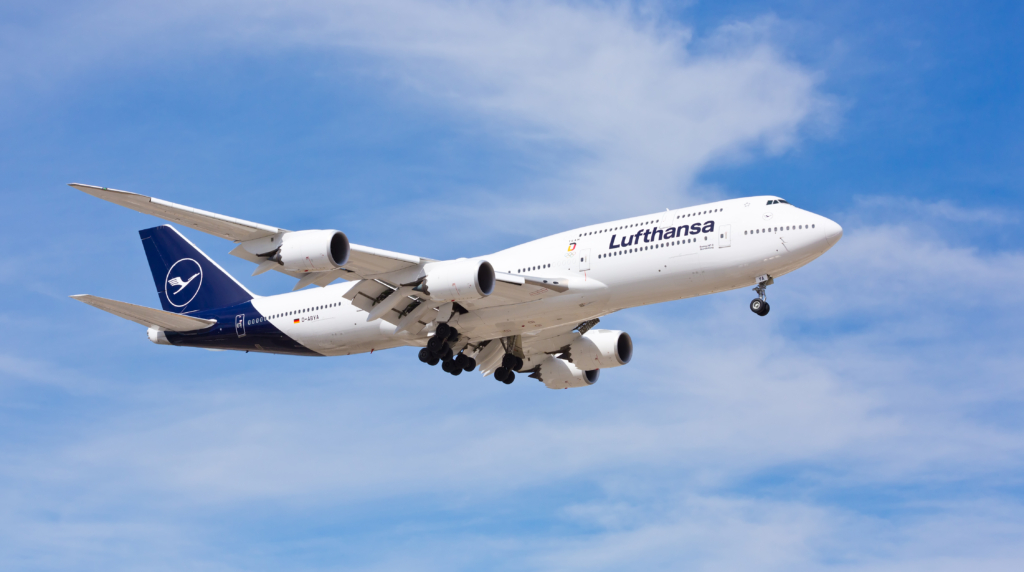
By February 2009, a year before the type’s first flight, Lufthansa was the only airline customer to have ordered the 747-8I, while cargo carriers such as Cargolux, Cathay Pacific Cargo and Atlas Air had expressed greater interest and had ordered the 747-8F freighter variant in relatively low numbers.
Additionally, with global fuel prices rising, airlines were beginning to look more towards larger twin-jets such as the 787 and the Airbus A350 for their future fleet requirements. The fuel efficiency of the 747-8I has been estimated to be at around 0.142 miles per gallon, based on a number of factors.
By comparison, a Boeing 777 series widebody twinjet operates at approximately 0.2 to 0.3 miles per gallon. These figures equate to around double the fuel efficiency of the bigger, four-engined aircraft. With figures like that, it is easy to see why the 747 found it harder to compete with larger twin-engine widebodies.
With these issues combined, the prospects for both the 747-8 as well as the A380 in the passenger market were already looking bleak. Before it had even flown, Boeing announced that it was reassessing the 747-8 programme, casting further doubt over the type’s long-term future.
Current operators of the Boeing 747-8
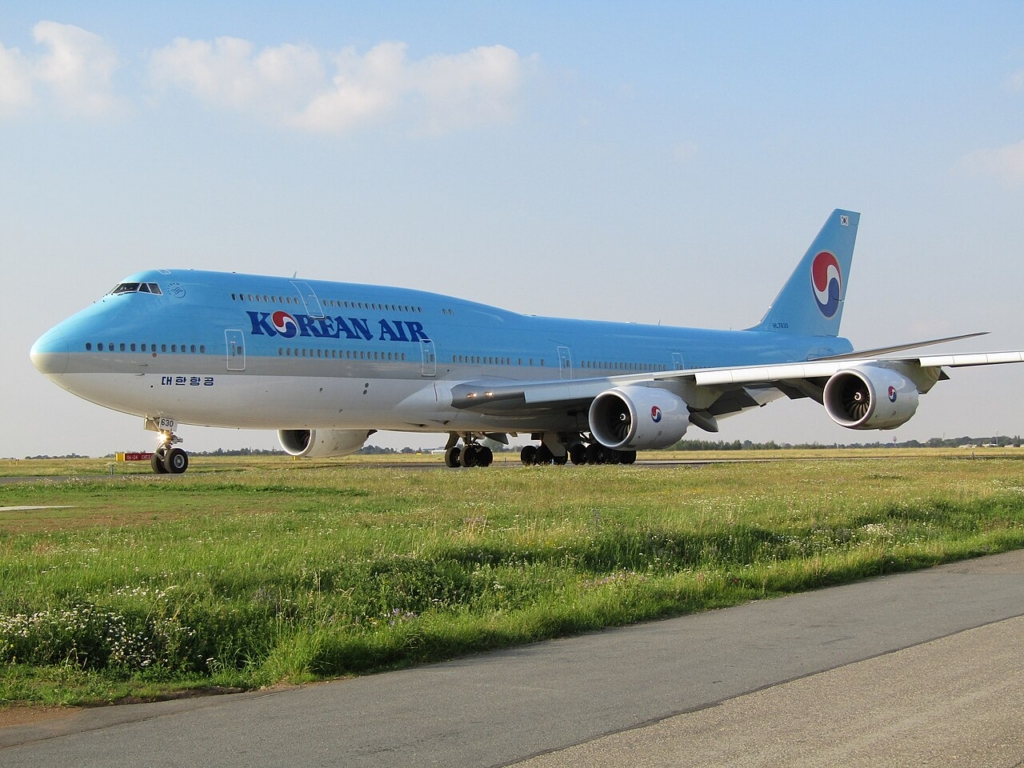
While Lufthansa was the launch and main customer for the Boeing 747-8I, ordering 18 of the type, no other major international airline showed significant interest in the variant. Only Korean Air and Air China also took delivery of the type for passenger use. These carriers currently operate just four and seven aircraft, respectively.
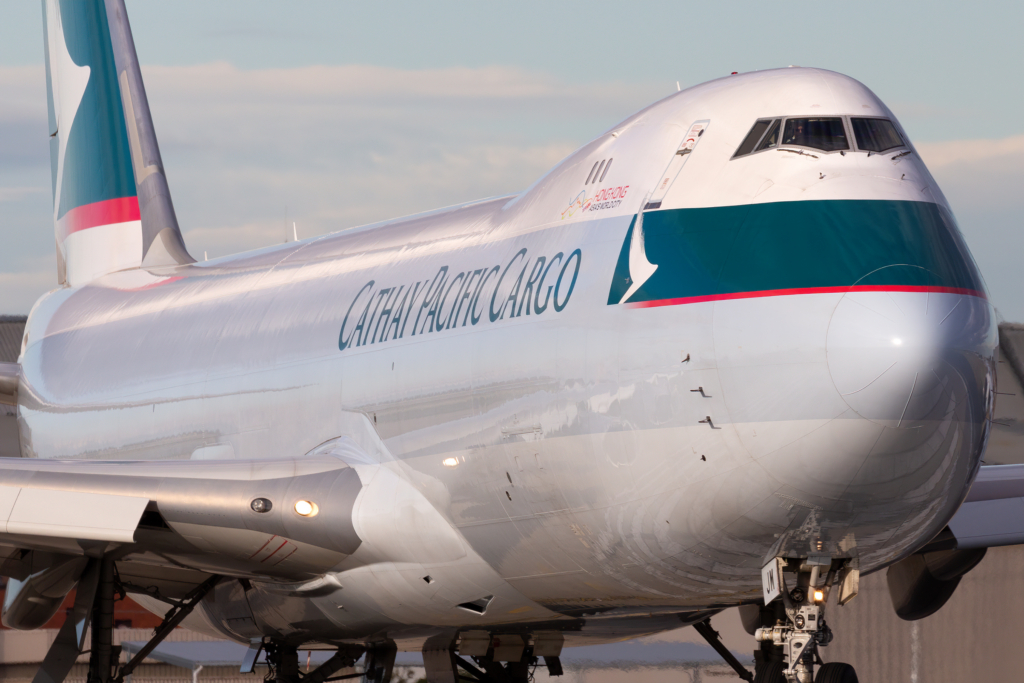
In total, only 48 passenger versions of the Boeing 747-8 (including BBJs) were ever built, which is less than 10% of the number of 747-400s ever produced. The freighter version proved to be more popular, selling 107 units. Current operators include Atlas Air (13), UPS (30), Cargolux (14), Cathay Cargo (14), Nippon Cargo (8), Silk Way West Airlines (5). Around 20 747-8s remain in storage at the time of writing.
The last of the type (registered N863GT) was delivered to Atlas Air on 31 January 2023, becoming the last ever 747 produced after over 50 years of production.

Famously, it was a Boeing 747-8 BBJ that was gifted by the Qatari Royal Family to the Trump administration in the US in 2025. This aircraft is currently being refurbished to act as an interim Air Force One for President Trump while he awaits the delivery of two Boeing VC-25Bs.
Additionally, Lufthansa has recently sold two of its Boeing 747-8Is to the US government for conversion for military use.
Keeping the legacy of the Boeing 747 alive in 2026
Though no longer in production, the Boeing 747 remains an icon of the airline industry, and the 747-8 allows the type’s legacy to live on, particularly in the air freight arena.
But for now, and following the trend for large widebody twins, Boeing is pinning its long-haul hopes on the 777X, which, following several high-profile delays, is due to enter commercial service in 2027.
Featured image: Boeing