What exactly is a “space control weapon”

5 min read
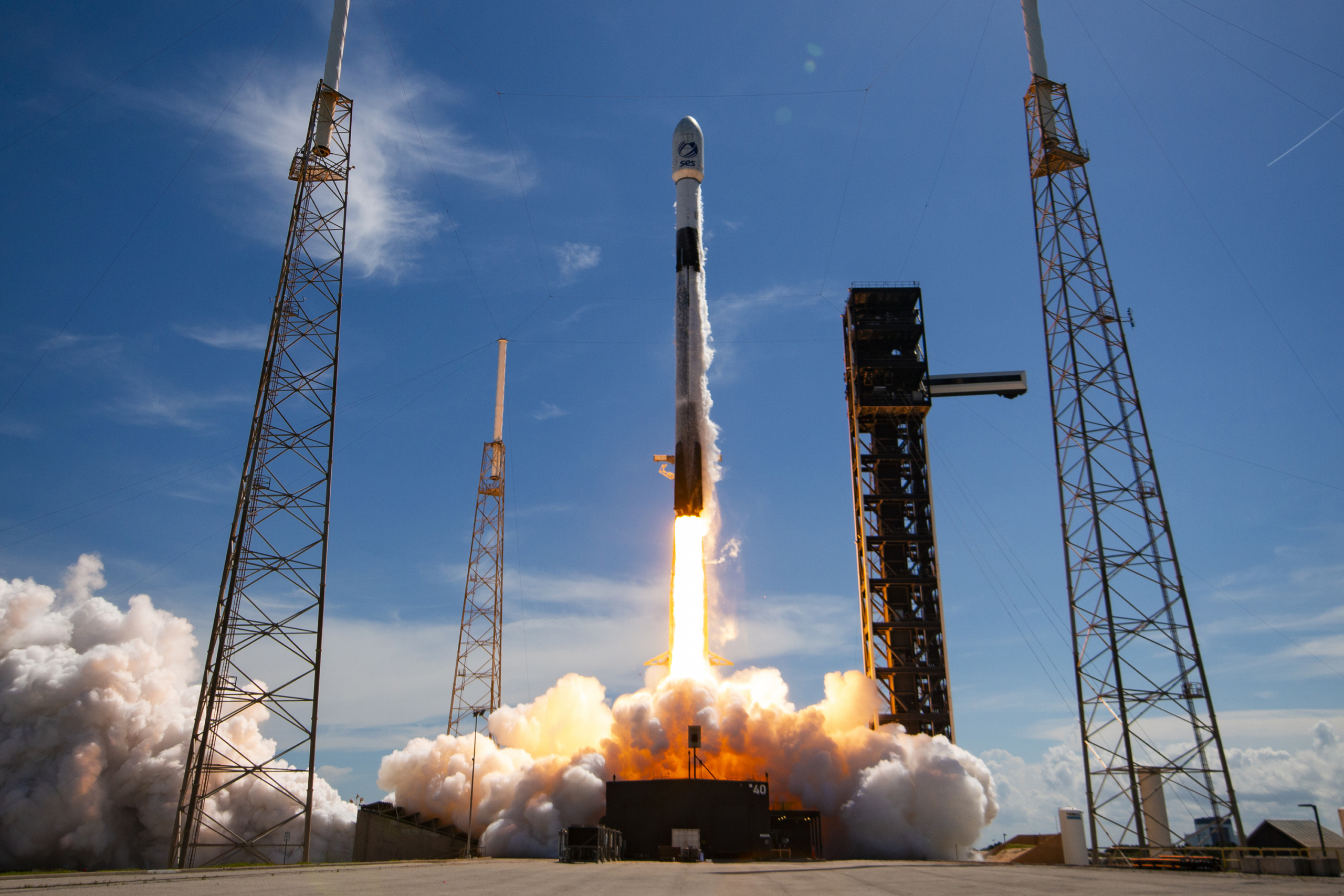
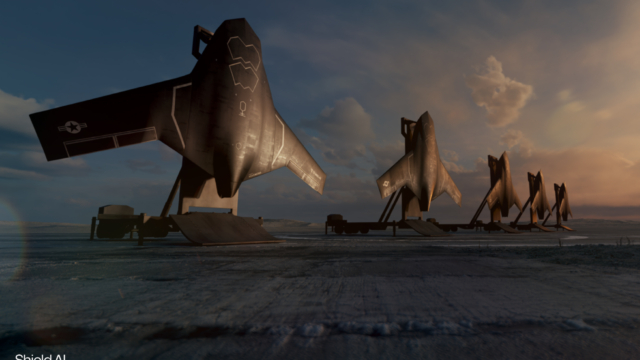
The US Air Force has acknowledged that it now has “space control weapons” in orbit. Exactly what they are remains classified and a matter of intense public discussion.
Publicly discussed possibilities include co-orbital anti-satellite systems, electronic warfare payloads, directed-energy systems, or other non-kinetic space-control capabilities, but no evidence currently identifies which capability the Space Force has deployed.
Space weapons are now a thing
In September, Secretary of the Air Force Troy Meink made a bombshell admission that the United States has on-orbit weapons deployed in space designed to protect the US’s interests.
Meink said, “This is why the United States now has on-orbit space control weapons capable of defending the joint force against hostile adversary action.”
The Space Force told The War Zone that it has “on-orbit space control weapons capable of defending the Joint Force against hostile adversary actions.” Beyond that, it refused to elaborate, and the system’s payloads, employment concepts, and other attributes remain classified.
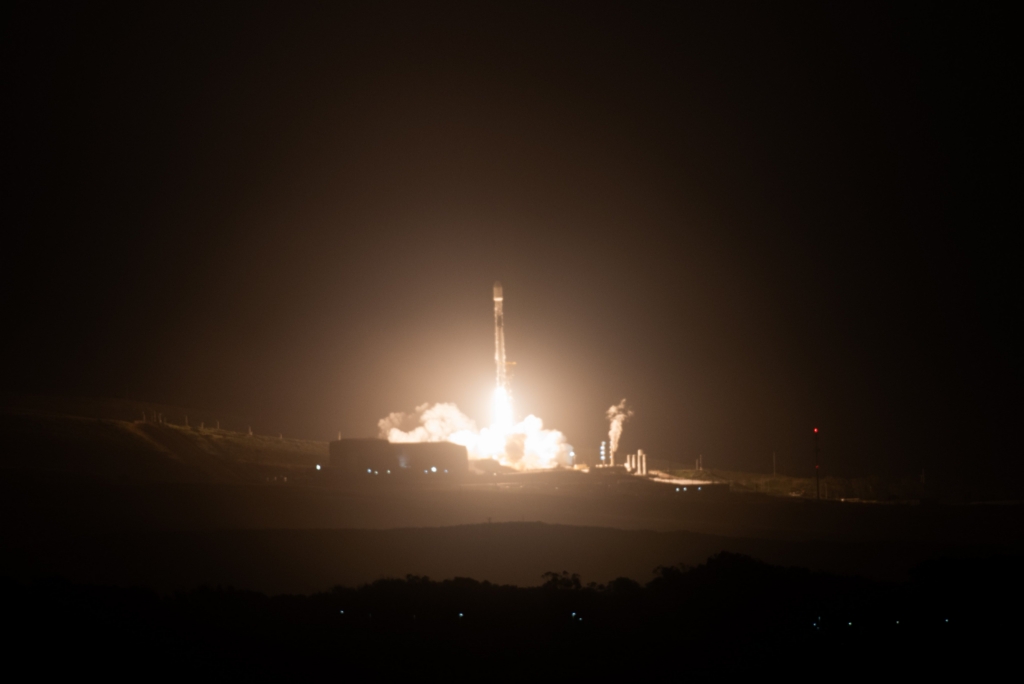
The importance of space can not be overstated, and was demonstrated by the US establishing its independent Space Force service branch in 2019. Various countries have since renaming their air forces to the “air and space forces”.
The first standalone Space Force budget request arrived in FY2021 at about $15.4 billion. The FY2027 request grows to more than $71 billion across the Space Force’s budget portfolio, reflecting the service’s rapidly expanding role.
Russia and China are known to be investing heavily in counter-satellite systems, while China is also rapidly expanding its own space-based capabilities. Russia’s space-based capabilities are significant but not in the same league as the US or China.
Previous agreements about space-based weapons
The announcement confirmed what has been suspected for a long time: that major powers were weaponizing space.
The 1967 Outer Space Treaty prohibits the US and other signatories from placing nuclear weapons and other weapons of mass destruction in orbit. But it does not limit the deployment of conventional weaponry.
In 2023, Russia (feeling isolated following its invasion of Ukraine) signed an agreement with Uganda not to be the first to place weapons in outer space.
The space domain is increasingly contested from low Earth orbit to cislunar space. At #AFA2026, Chief of Space Operations Gen. Douglas Schiess highlighted how the Space Force is accelerating capacity, maturing capabilities & developing Guardians to outpace the threat. pic.twitter.com/6j79rzk5r1
— United States Space Force (@USSpaceForce) September 16, 2026
The previous Administration said in 2022 that it would end destructive debris-generating ASAT weapons testing, being the first country to unilaterally announce a self-imposed ban.
Before discussing weapons discussed for space, it is worth noting that Earth-based systems can also disrupt space-based capabilities. These systems include interceptor missiles (although this creates a mutually destructive debris field) and lasers.
The four categories of space-based weapons
Counter-satellite space-based systems could conceptually use radiofrequency jammers, lasers, chemical sprayers, kinetic kill vehicles, robotic mechanisms, and high-power microwaves to neutralize enemy satellites.
Perhaps the leading idea for space-based weapons is the co-orbital anti-satellite (ASAT) satellite category. These are intended to attack other satellites.
These orbiting satellites may appear benign for months before manoeuvring toward a target. Attribution is therefore politically and militarily more complicated, giving the user plausible deniability.
| Space-based weapon categories | How it works | Public examples |
| Co-orbital anti-satellite (ASAT) | Manoeuvres to another satellite to ram, grab, tow, inspect, or act as a dormant “space mine” | Russian inspector satellites, China’s Shijian rendezvous technologies, theoretical US concepts |
| Orbital electronic warfare | Jams, spoofs GPS, dazzles sensors, conducts electronic attacks from orbit without physical destruction | No confirmed operational orbital systems; discussed as a likely future counterspace capability |
| Space-based missile interceptors | Satellites detect and potentially intercept missiles during boost or mid-course flight | Proposed US Golden Dome orbital interceptor layer (not yet deployed) |
| Orbital strike weapons | Delivers conventional kinetic or other non-nuclear effects from orbit | Mostly conceptual; “Rods from God” is the best-known theoretical example |
They could ram the target, grab and tow a satellite to de-orbit it, or even act as a ‘space mine.’
The other three categories of satellites include orbital electronic warfare systems designed to jam, blind, and disrupt satellites, space-based missile interceptors (e.g., for Golden Dome), and orbital strike weapons against Earth targets.
It is also worth noting that space-based missile interceptors are at the heart of the US Golden Dome missile defence system.
The latter doesn’t neatly meet the Space Force’s description that its space-based effectors are defending US space-based interests.
If the US’s space-based weapons are counter-satellite systems based in space, then it could fall into one of the first two categories.
ULA’s pitch for the Vulcan Centaur rocket
In 2024, ULA CEO Tory Bruno pitched its Vulcan Centaur rocket (now in service) as a space interceptor. In an effort to compete with SpaceX’s reusable Falcon 9, ULA sought secondary missions for the vehicle. This included reusing the upper stage for missions like “tugging satellites or counterring Chinese threats.”
Bruno said, “Our vision is the ability to have a platform that is lightning fast, long range, and, if necessary, very lethal. What I’ve been working on is essentially a rocket that operates in space.”
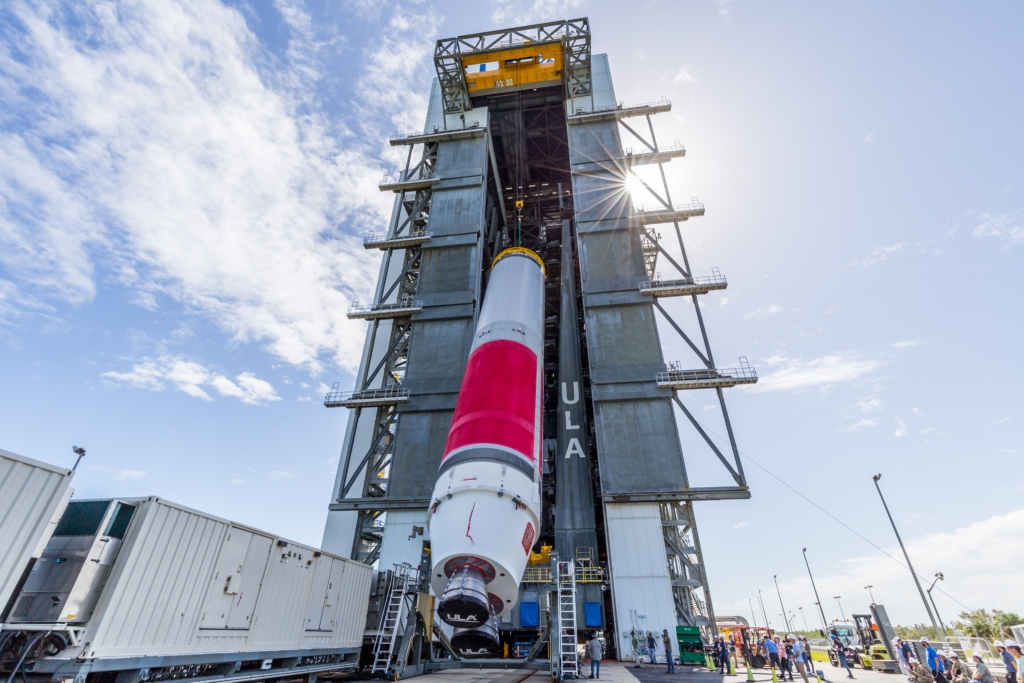
It is unclear if anything became of this idea, but it is notable for being a credible option posed by the CEO of a leading space contractor.
One of the issues with space is the amount of junk in orbit. SpaceX and various startups have discussed ways to clean up the debris by deorbiting it. In principle, these concepts could be adapted to deorbit functioning enemy satellites.