


US upgrades LUCAS drones with Shield AI Hivemind for intelligent swarming

3 min read
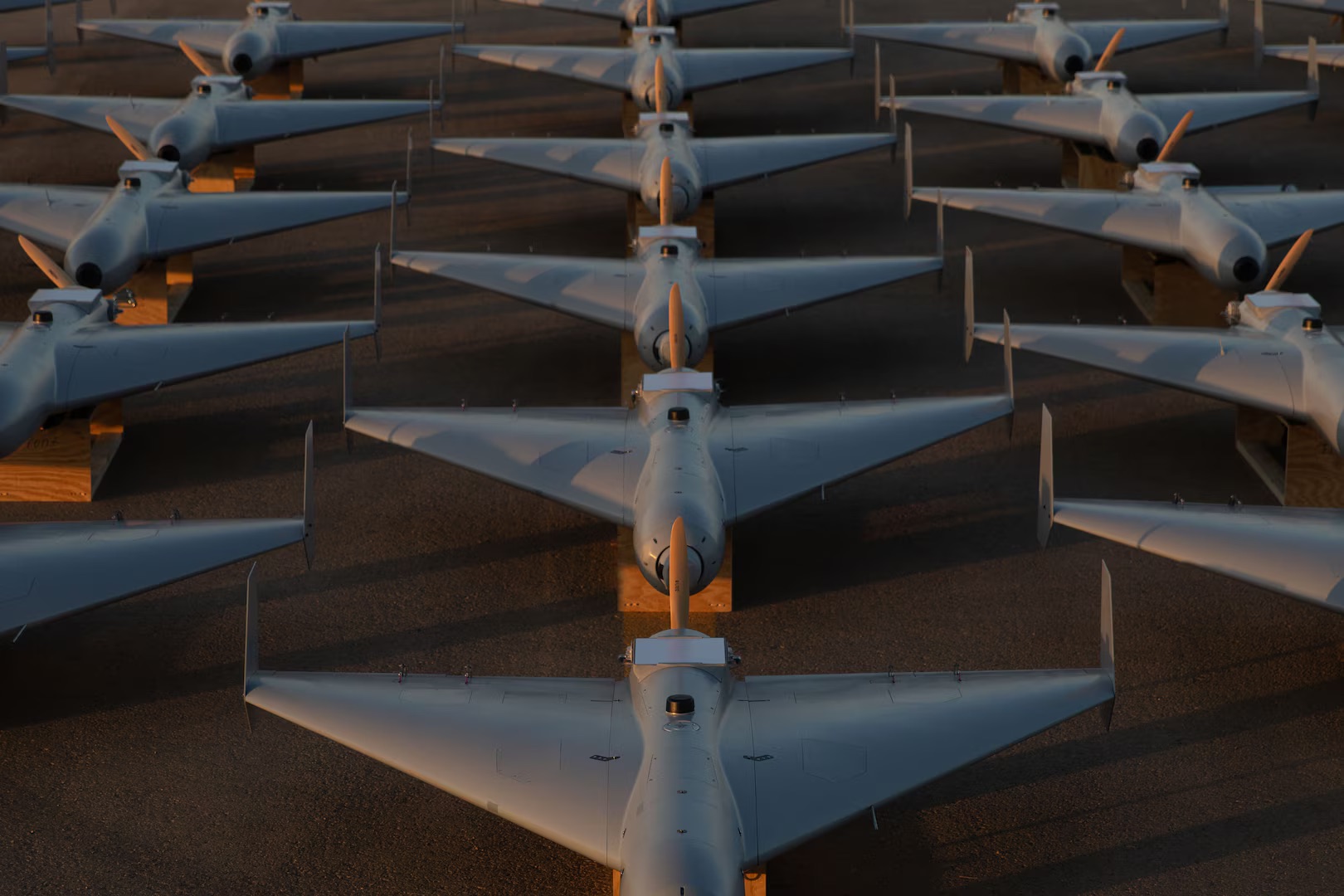
Having been impressed by the LUCAS’s performance in Iran, the US is now working to upgrade its low-cost LUCAS Shahed-style drones into an intelligent swarm. It has awarded a contract to Shield AI to incorporate its Hivemind ‘brain,’ which will transform the drone’s effectiveness.
Shield AI Hivemind selected for LUCAS drone swarms
On Tuesday, the US defence-tech company, Shield AI, announced it had been selected to integrate its Hivemind autonomy software onto the US military’s new Low-Cost Uncrewed Combat Attack System (LUCAS).

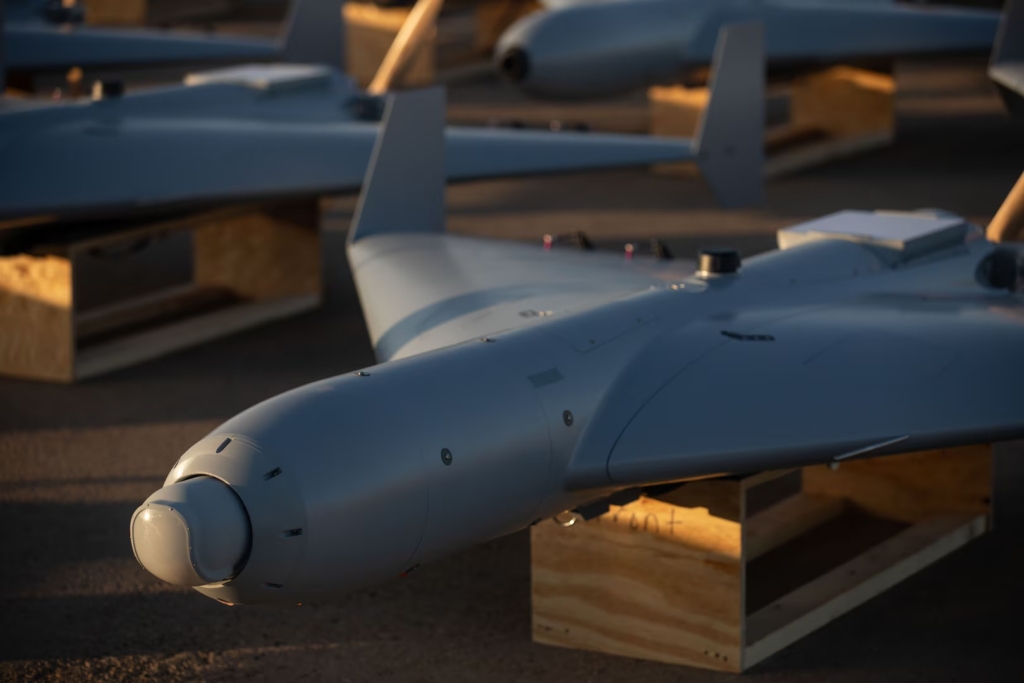
LUCAS is a reverse-engineered Shahed-type one-way attack drone that the US initially built as a target drone, but then pushed into service.
Brandon Tseng, the co-founder of Shield AI, notes, “LUCAS is about delivering affordable mass, but mass without coordination is limited in value.”
Shield AI proclaimed, “The effort marks a major step toward operationalising collaborative autonomy: teams of autonomous systems working together in dynamic and communications-constrained environments under the supervision of a single operator.”
They say imitation is the highest form of flattery. So when CENTCOM’s Adm. Brad Cooper calls the new U.S. LUCAS drone “indispensable,” he is paying Iran and its cheap Shahed-136 a massive compliment. It is also a wild shift in perspective: the world’s most advanced air force,… pic.twitter.com/H1a4xl82Zz
— Air Power (@RealAirPower1) March 16, 2026
Whereas traditional autopilots can’t deviate from preplanned routes, Hivemind is able to dynamically reroute mission plans and respond to unexpected conditions, avoid obstacles, act independently, and more without human intervention.
Get the latest aerospace defence news here on AGN.
Making drone “swarming” a battlefield reality
Years before the Ukraine war made drones the face of modern war, a buzzword in the industry for future military drones was “swarming”.
The concept of swarming is often poorly reported in the media and is often used by various contractors for marketing purposes. Some people also confuse military swarming with simply large groups of drones flying together or the famous drone light shows common in China.
However, true swarming is hard. Those drone-based light shows operate from a central controller in a permissive environment, flying pre-programmed routes. Military swarming is none of that.
To swarm, drones need to be decentralized, operate autonomously but also in coordination as a group, and operate in a denied environment and overcome unexpected obstacles.
Tseng says Hivemind is an AI pilot that makes the drone mass intelligent and able to sense, decide, and act at scale. However, it doesn’t (yet) take humans out of the loop.
Humans remain in control of strike decisions with autonomy managing navigation, coordination, and execution.
LUCAS: Designed for low-cost mass attacks
LUCAS was developed under the Office of the Deputy Assistant Secretary of War for Prototyping and Experimentation (ODASW(P&E)) to deliver an affordable mass able to overwhelm enemy defences and give US forces capability at scale.
Audio from Operation Southern Spear to capture Venezuela’s Nicolas Maduro seems to match the distinct sound of these Shahed-type kamikaze drones, although the first confirmed US usage was in Operational Epic Fury against Iran.

Following the success of the disposable LUCAS one-way attack munition, CENTCOM Commander Adm. Brad Cooper ironically termed the drone “indispensable.“
Shield AI writes, “Hivemind will serve as the AI pilot for the LUCAS program, enabling groups of drones to coordinate, manoeuvre, and adapt together to changing conditions in real time, based on warfighter input.”
Polish Armed Forces employing domestic version of the American LUCAS one-way attack drone during exercises. https://t.co/9q9NDPGCO0
— Status-6 (War & Military News) (@Archer83Able) May 19, 2026
It adds that integration will include an operational demonstration this autumn. That demo will include a single operator commanding a swarm of autonomous systems operating together.
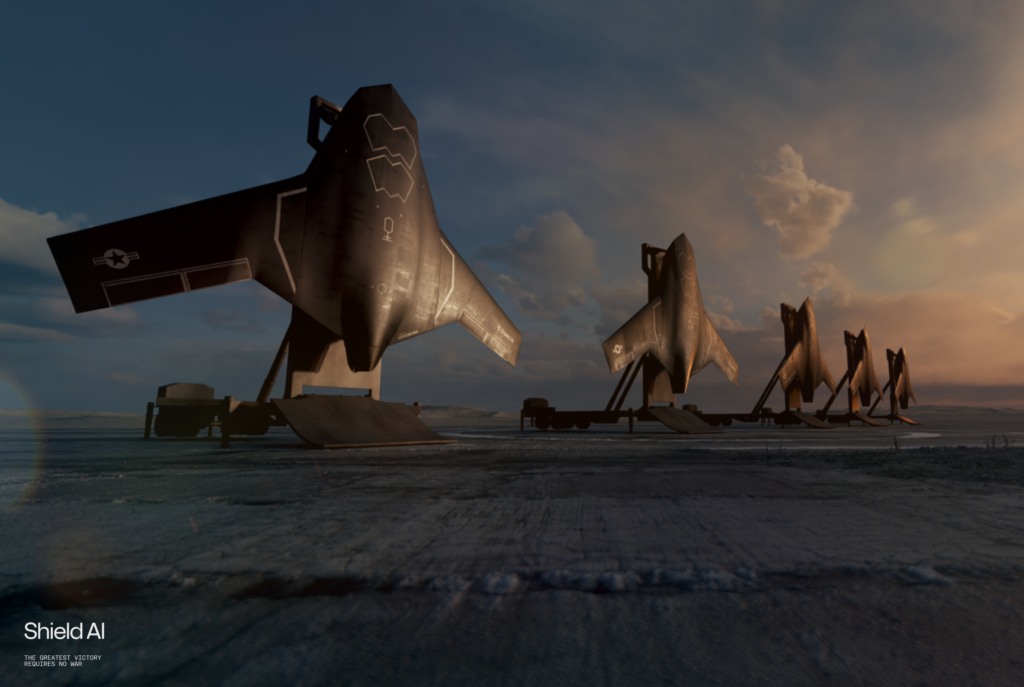
Shield AI is also developing its seemingly revolutionary tail-sitting combat drone called X-Bat, which it says qualifies as a pilotless fighter jet. Among other things, its Hivemind is also the brain on Anduril’s YFQ-44A CCA.
Featured Image: CENTCOM


