Ukraine warns airlines to avoid Russian airspace as drone and missile attacks intensify

4 min read
Ukraine has warned international airlines and aviation insurers that Russian airspace is becoming increasingly dangerous as Kyiv steps up long-range drone and missile attacks against targets deep inside Russia.
Ukrainian President Volodymyr Zelenskyy said on 1 September that the growing number of drones operating over Russia meant that the country’s skies could no longer be considered safe for civilian aviation.
Ukraine increases military activities in Russian airspace
The warning comes amid a sharp escalation in the air war. Russia has intensified drone and missile attacks on Ukrainian cities, while Ukraine has increasingly targeted Russian military facilities, oil infrastructure and other assets supporting Moscow’s war effort.
In his latest address, Zelenskyy stressed that Ukraine was not deliberately targeting passenger aircraft but argued that the sheer scale of drone activity created an unacceptable risk for civilian flights.
“Russian airspace is becoming completely unsafe,” Zelenskyy warned, calling on airlines, insurers and governments to take the changing security environment seriously.
He said that the war Russia started in Ukraine was now effectively closing Russia’s own airspace.
Which airlines still use Russian airspace?
Unlike most European and North American airlines, several carriers from China, the Middle East and other countries continue to use Russian airspace on selected international routes.
Chinese airlines are among the most significant users. Air China, China Eastern Airlines and China Southern Airlines continue to benefit from access to Russian airspace, while Hainan Airlines and other Chinese carriers also operate routes that can cross Russian territory.
Their advantage is particularly important on flights between China and Europe. Flying over Russia allows these airlines to follow relatively direct routes rather than making lengthy detours through Central Asia or the Middle East.
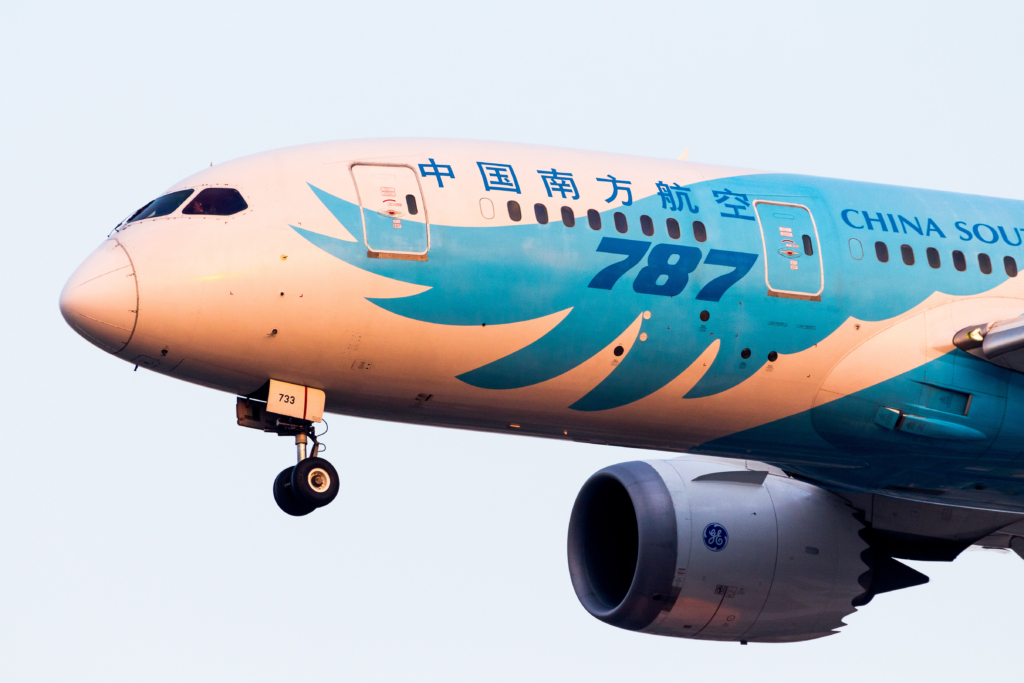
That can cut several hours from some journeys and reduce fuel consumption, giving Chinese carriers a significant cost and scheduling advantage over European competitors.
Data reported in March showed Air China, China Southern and China Eastern planning thousands of additional China-to-Europe flights during the 2026 summer season to address the advantages offered by lower flight times and being able to offer reduced passenger fares
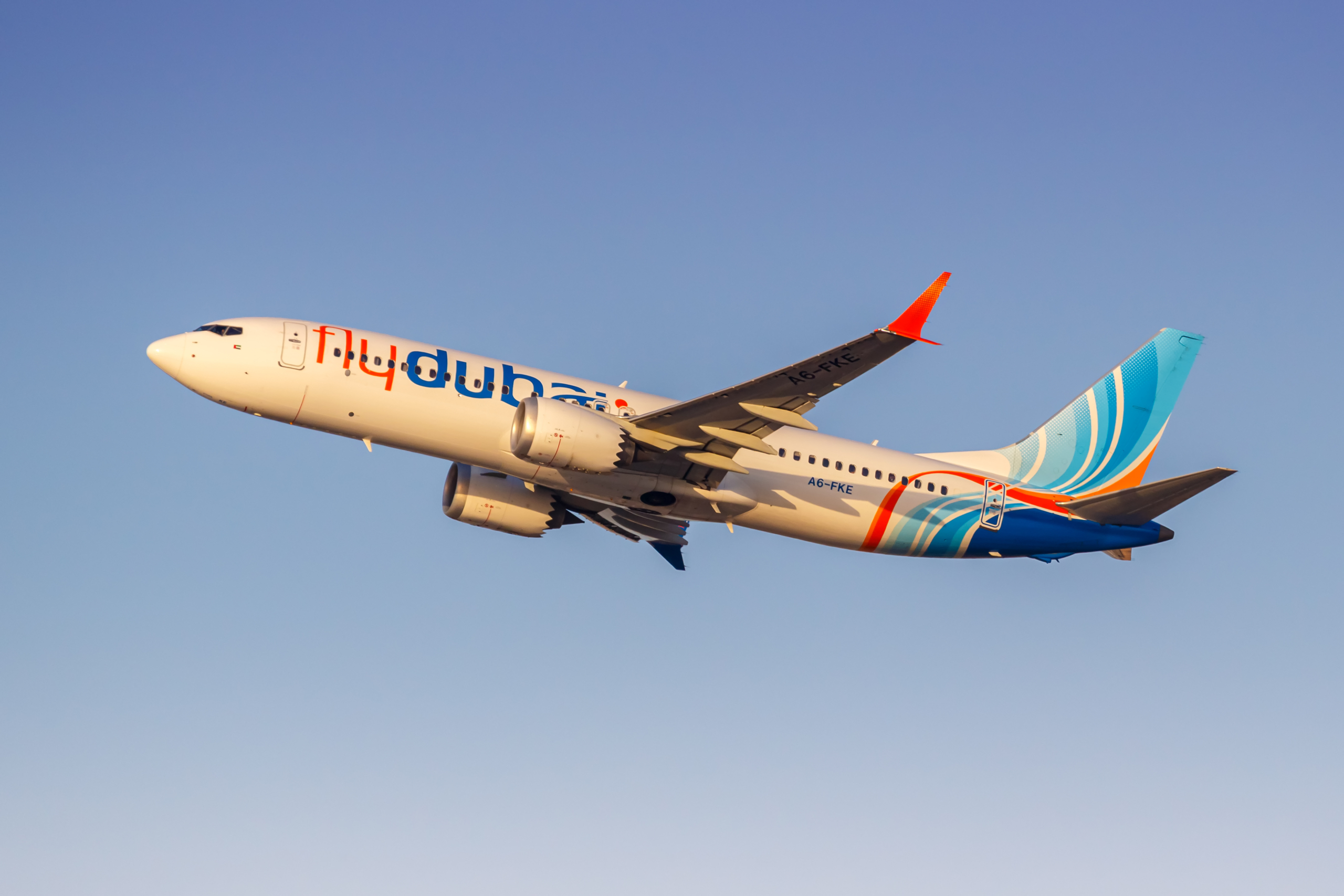
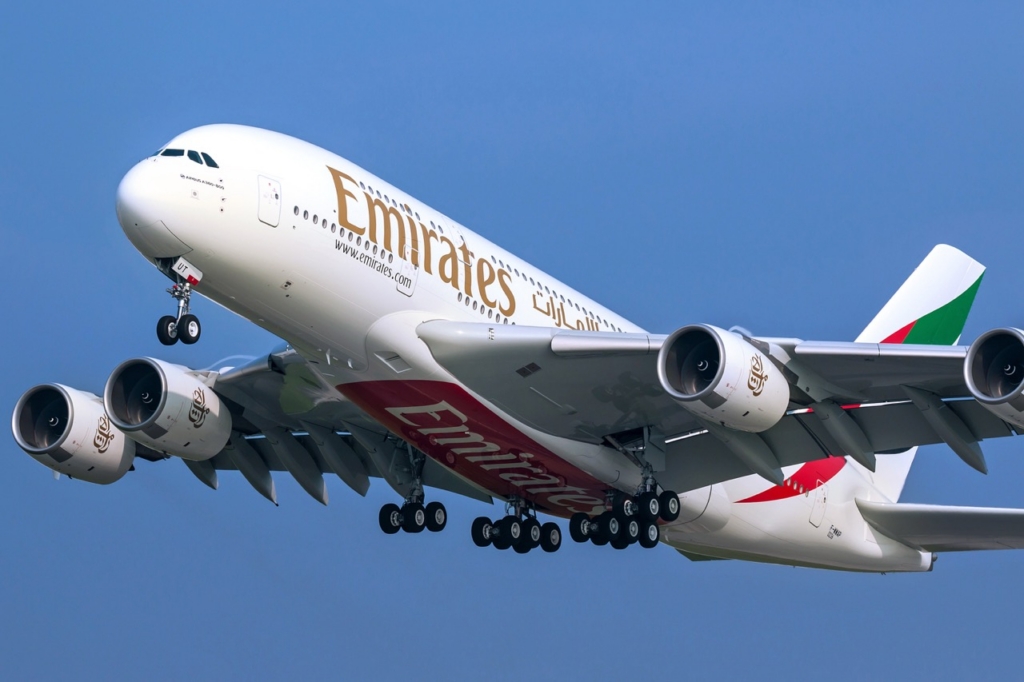
Gulf airlines are also prominent users of Russian airspace. Emirates and Etihad continue to operate flights through Russian territory, while flydubai has significantly expanded its Moscow services.
A Lufthansa Group document noted that Emirates and Etihad were each operating multiple daily flights to Moscow during summer 2026, while flydubai had also substantially increased its Moscow connections.
These airlines have maintained access partly because their governments have not imposed the same aviation restrictions as the European Union, United States and other Western countries.
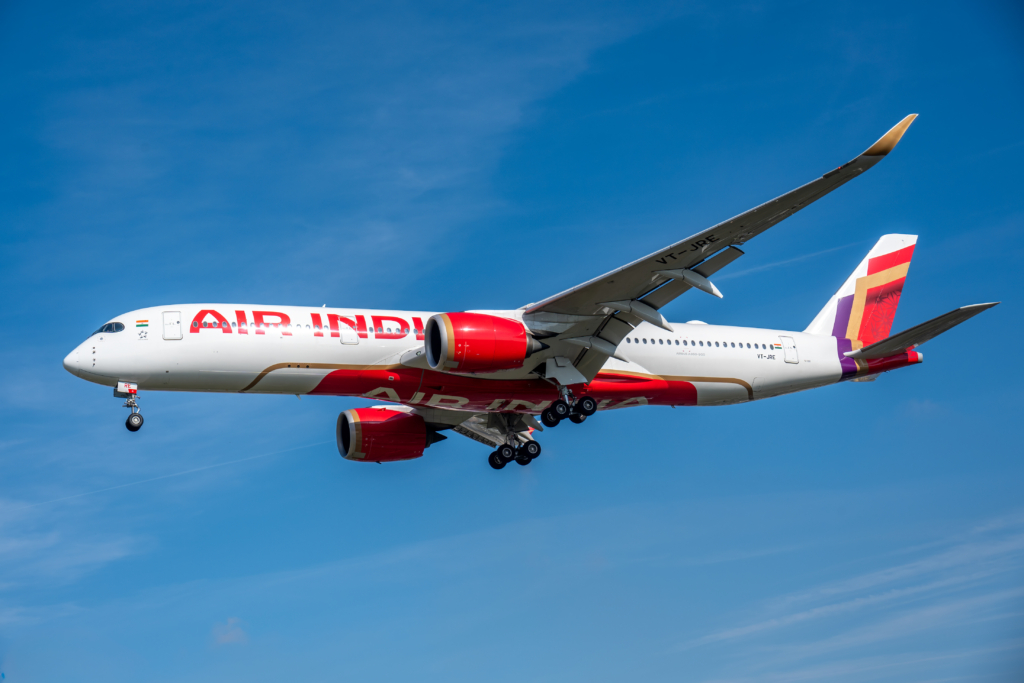
Air India is another carrier associated with Russian overflight routes. It has historically used Russian airspace on long-haul services connecting India with North America and other destinations because avoiding Russia can add considerable distance, fuel consumption and flight time.
Turkish Airlines requires more qualification. Although Turkey maintains extensive aviation links with Russia and Turkish Airlines has permission to use Russian airspace, it does not routinely route its European flights through Russia.
In July, a Tallinn-Istanbul flight briefly entered Russian airspace over Kaliningrad because of severe weather. The airline described the incident as a one-off weather-avoidance manoeuvre rather than a normal routing policy.
Air Serbia is another carrier with established access to Russian airspace, including routes linking Serbia with Russia and Asia.
Why are Western airlines avoiding Russian airspace?
The issue of avoiding Russian airspace is not simply political. Russian airspace presents a combination of military, missile and drone risks.
The European Union Aviation Safety Agency (EASA) continues to classify large areas of western Russian airspace as an active conflict-zone risk and has extended its warning until 31 January 2027.
The dangers are particularly concerning because commercial aircraft could potentially be misidentified by air-defence systems or caught in the vicinity of missile and drone operations.
The 2014 downing of Malaysia Airlines Flight MH17 over eastern Ukraine remains a stark reminder of the consequences of conflict-zone aviation risks.
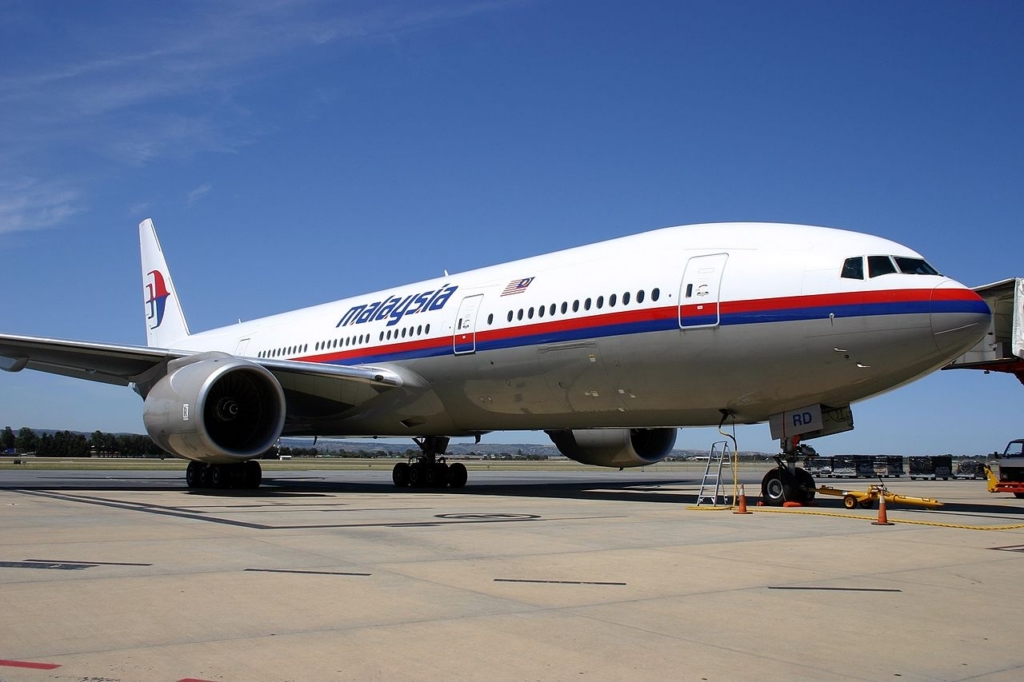
More recently, the 2024 crash of an Azerbaijan Airlines aircraft – which investigators linked to damage sustained during air-defence activity – intensified scrutiny of flights operating near conflict zones.
For airlines that avoid Russian airspace, the price is higher fuel consumption, longer flight times and, in some cases, less competitive schedules.
For carriers still using it, the attraction is precisely the opposite: shorter routes, lower operating costs and faster connections.
Ukraine’s latest warning therefore places renewed pressure on those airlines to reconsider that calculation. As drone warfare expands deeper into Russian territory, the question for airlines is no longer simply whether Russian airspace is legally available.
It is whether the time and fuel saved by using it are worth the increasingly complex risks of flying over an active war zone, and equally, whether their insurers will allow it given the risks involved.