


SpaceX Starlink speed restrictions disrupt Ukrainian drone missions without warning

6 min read
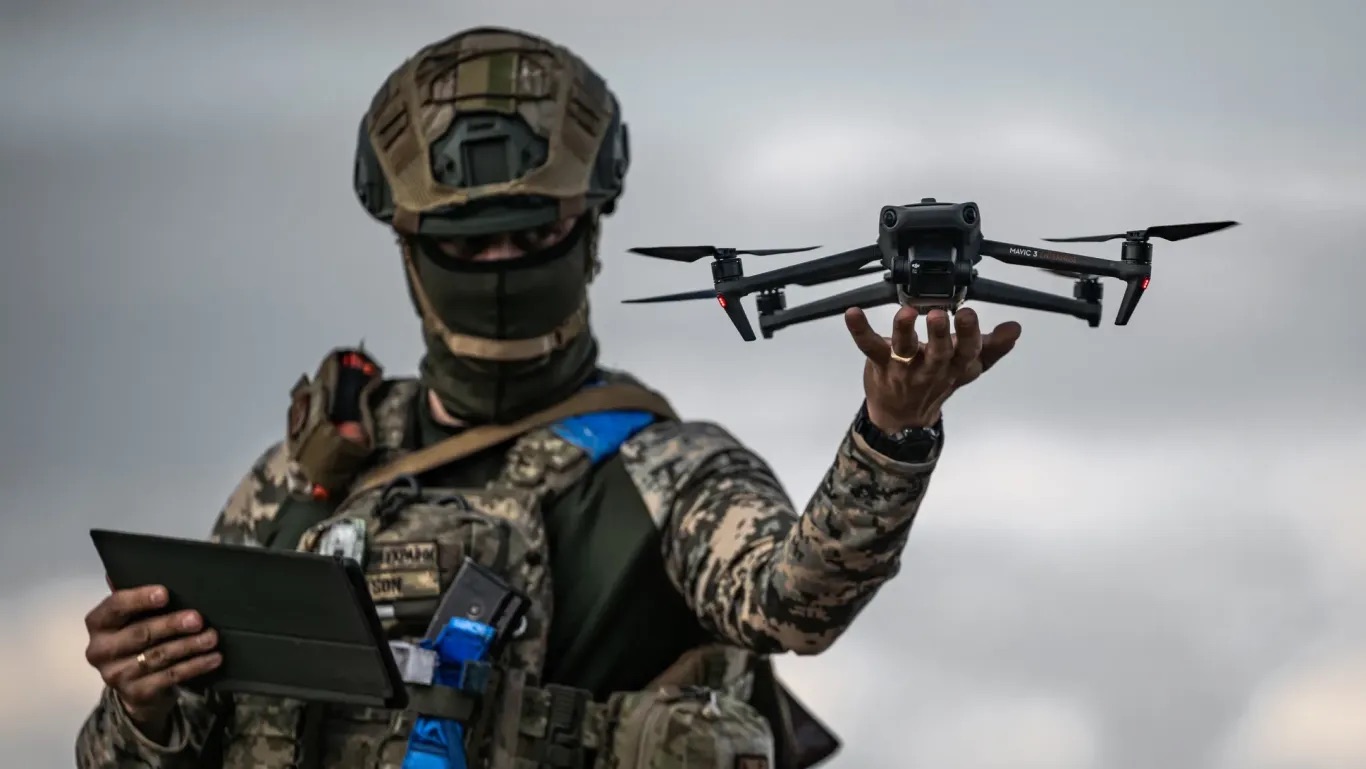
SpaceX has imposed new speed restrictions on military-grade Starlink satellite internet terminals used by Ukraine, forcing troops to cancel some drone missions after communications were interrupted in flight, Ukrainian officials said on Wednesday.
The restrictions were introduced overnight without advance warning and affect terminals operating on SpaceX’s Starshield military service, according to Serhiy Beskrestnov, an adviser to Ukrainian President Volodymyr Zelenskyy.
The development was first reported by Interfax-Ukraine, quoting a statement Beskrestnov posted on Telegram on 14 October.
Beskrestnov said SpaceX had introduced a speed limit of 100mph (160km/h) for Starshield terminals operating while in motion. However, Ukrainian troops reported losing connections at speeds considerably below that threshold, disrupting the control of drones during military operations.
The incident has renewed questions about Ukraine’s dependence on a privately operated satellite communications network, coming just days after Germany’s military space commander warned that Russian satellites could potentially threaten Starlink’s operations in orbit.
Ukrainian drones lose connectivity in flight
“I confirm that tonight SpaceX introduced speed restrictions on Starlink terminals while in motion,” Beskrestnov wrote on Telegram, according to Interfax-Ukraine.
“Our defence forces received no prior warning of such a restriction, which led to the disruption of several missions.”
The restrictions concern Starshield, SpaceX’s military-focused satellite communications service, rather than necessarily applying to every Starlink terminal operating in Ukraine.
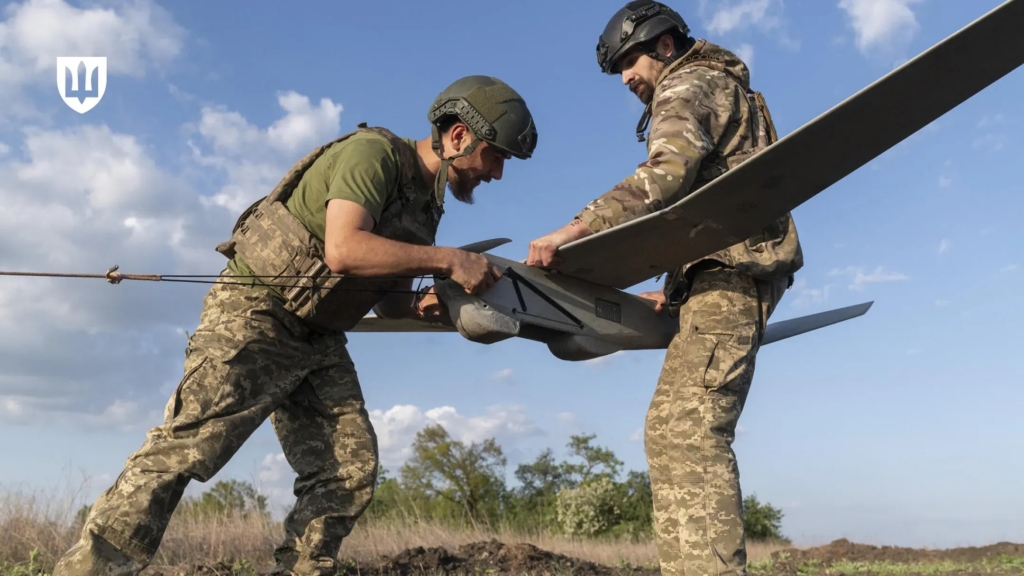
Reuters subsequently reported that Ukraine’s 7th Rapid Reaction Corps, deployed in the southeastern part of the country, had been forced to cancel some missions because of the connectivity problems.
“According to our observations, during flights, the connection could drop for 10–20 seconds at speeds of just 110–120 km/h. The drones kept moving, but these interruptions made them harder to control,” the unit told Reuters.
A source in Ukraine’s defence ministry also said the restrictions were significantly complicating logistics and certain drone operations.
The difference between the reported 160km/h limit and the connection losses observed at lower speeds has not been explained.
SpaceX had not responded to Reuters’ request for comment at the time of its report. The company has not publicly explained why the restrictions were introduced or whether they are temporary.
Why Starlink is so important to Ukraine’s drone operations
Starlink has become one of Ukraine’s most important military communications systems since Russia launched its full-scale invasion in February 2022.
The network uses thousands of satellites in low Earth orbit to provide broadband internet through portable ground terminals. Unlike conventional communications infrastructure, which can be damaged by missile strikes or artillery fire, Starlink allows military units to establish connections in areas where terrestrial networks are unavailable.
Ukrainian forces use the service to communicate between positions, exchange intelligence, coordinate operations and transmit surveillance imagery.
Over time, the technology has also become important for controlling certain types of unmanned aircraft.

Conventional drone control systems depend on radio communications, which can be limited by distance, terrain and electronic interference. Satellite internet can allow an operator to remain connected to an aircraft over much greater distances.
This has proved particularly useful for Ukrainian drones operating deep inside Russian-occupied territory, where aircraft may need to transmit live video and receive instructions during extended flights.
Starlink’s resistance to some forms of electronic jamming has also made it valuable for long-range attack drones and large multirotor aircraft used to deliver supplies to frontline troops.
A temporary loss of connectivity does not necessarily mean that a drone will crash. Depending on its design, the aircraft may continue along a programmed route or carry out another predetermined action.
However, the operator may lose the ability to receive live imagery, change direction or respond to unexpected developments.
That can be particularly serious during combat missions, when even a short interruption may prevent an aircraft from reaching its target or completing an operation safely.
Ukraine has faced Starlink disruptions before
The latest restrictions follow earlier incidents that exposed the extent of Ukraine’s reliance on SpaceX’s satellite network.
As Aerospace Global News previously reported, a major Starlink outage in July disrupted Ukrainian battlefield communications and drone operations, raising questions about the military’s dependence on a commercial satellite service.
During that incident, Ukrainian units reported losing access to communications and surveillance feeds after a wider network failure.
The latest disruption is different. Rather than a general outage affecting the satellite network, Ukrainian officials say SpaceX has introduced an operational restriction on terminals travelling at speed.

There have also been previous disagreements over how Starlink should be used in the conflict.
SpaceX has maintained restrictions on the use of its satellite communications technology for certain military purposes, including operations involving Ukrainian drones.
Earlier this year, the company also took steps to prevent Russian forces from using Starlink terminals, amid reports that Russian military units had obtained equipment through unauthorised channels.
Such measures highlight the difficulty of managing a commercial communications system that has become essential to military operations while preventing its use by opposing forces.
German commander warned of Russian threat to Starlink
The latest disruption comes just days after Germany’s military space commander warned that Russian satellites operating close to Western spacecraft could pose a threat to commercial networks such as Starlink.
As Aerospace Global News reported on 12 October, Major General Michael Traut raised concerns about Russian military satellites manoeuvring near a radar-imaging spacecraft operated by Finland’s ICEYE, which supplies intelligence imagery to Ukraine and its allies.
Traut warned that similar manoeuvres directed against Starlink could force satellites to undertake repeated collision avoidance operations.

Such manoeuvres consume propellant, potentially shortening the operational lives of satellites. Repeated close approaches could also complicate the management of a constellation that depends on thousands of spacecraft operating in carefully coordinated orbits.
The warning illustrated how a commercial satellite network supporting military operations could face threats in space, even without an adversary physically destroying its satellites.
However, there is no evidence connecting the Russian satellite activity described by Traut with the latest Starshield restrictions in Ukraine.
The two developments concern different vulnerabilities. One involves a potential threat to satellites in orbit; the other concerns changes to the service available through terminals on the ground or aboard moving platforms.
Both nevertheless demonstrate how much modern military operations depend on maintaining reliable access to space-based communications.
Questions over the timing of SpaceX’s decision
The reason for the latest restrictions remains unclear.
Beskrestnov suggested on Telegram that the decision was connected to the current political situation, although he provided no evidence establishing why SpaceX had introduced the change.
The disruption comes as Washington increases pressure on Kyiv to halt attacks against Russian oil refineries.
Reuters reported that the US administration had warned Ukraine about the possible consequences of continuing those strikes.
However, the agency also noted that Starlink does not operate inside Russia and that Ukrainian drones attacking Russian oil infrastructure use other communications systems.
There is therefore no established connection between the restrictions imposed on Starshield terminals and Washington’s position on Ukrainian strikes.
The incident has nevertheless revived concerns about the consequences of depending on a commercial satellite operator for military communications.
Ukraine explores alternatives to Starlink
Ukraine has already begun considering how to reduce its dependence on Starlink.
President Zelenskyy previously said that work was underway on a satellite communications system similar to SpaceX’s network, according to Interfax-Ukraine.
The agency also reported that a bipartisan delegation of US lawmakers visiting Kyiv in October had advocated expanding Ukraine’s access to Starlink to strengthen its ability to counter Russian forces.
Sign up for our newsletter and get our latest content in your inbox.


More from


October 13, 202612 min read






