What happens when a satellite runs out of fuel?

5 min read
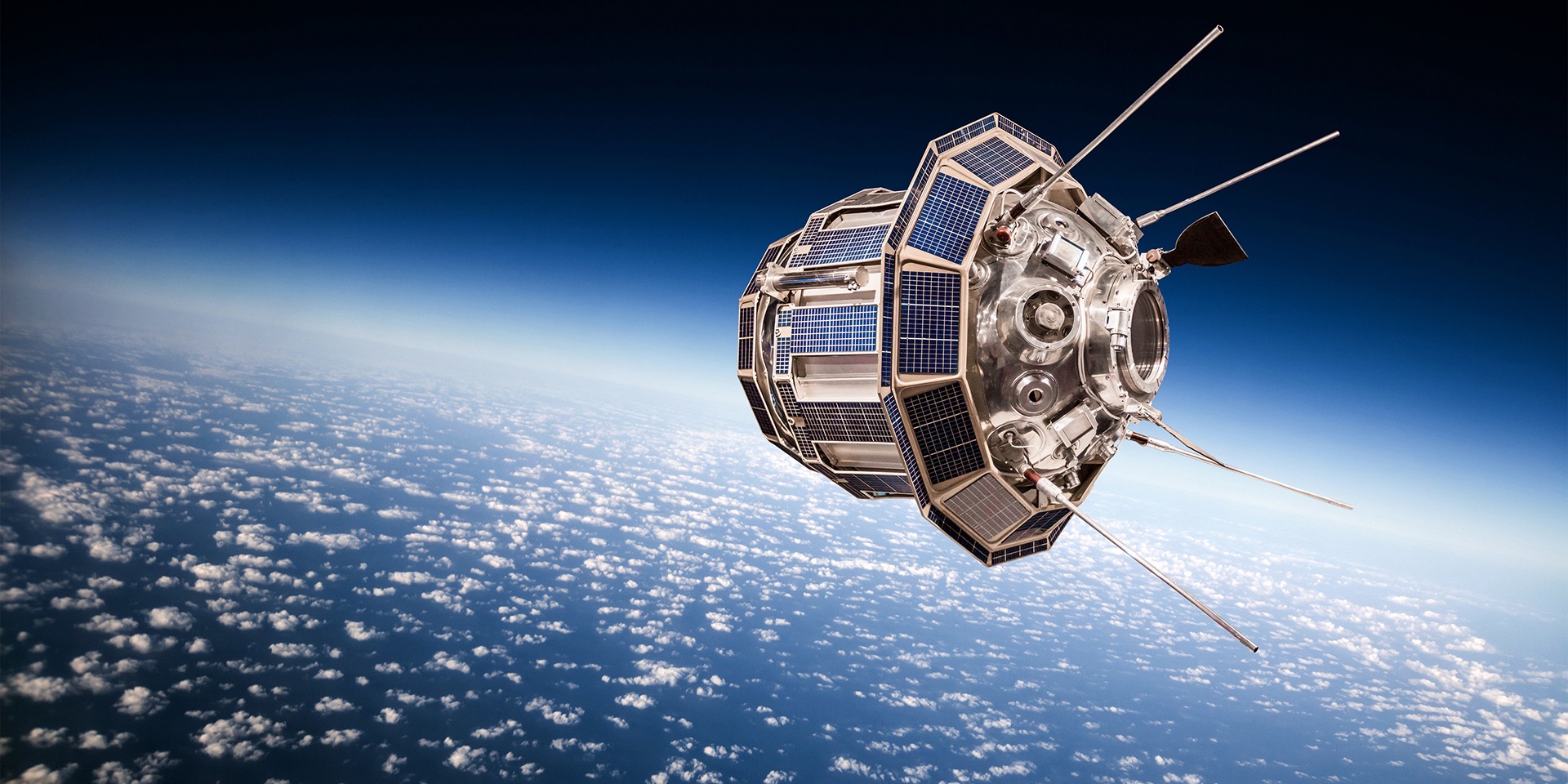
Satellites can operate for years or even decades without refuelling. But eventually their propellant runs low, forcing operators to make an important decision: use what remains to dispose of the spacecraft safely, or risk leaving an uncontrollable object in orbit.
That is why satellites are normally retired before their usable propellant is exhausted.
Running out of fuel does not mean a satellite immediately falls to Earth. Depending on its altitude, it could remain in orbit for decades or longer.
Satellites do not need fuel to stay in orbit
Satellites don’t have to burn fuel to remain above Earth continuously. Once a satellite reaches the correct speed and altitude, orbital mechanics keep it circling the planet.
Propellant helps the satellite change its orbit or orientation. Thrusters can maintain altitude, keep a satellite in its assigned position, avoid collisions, and also help dispose of it at the end of its service life.
For satellites in low Earth orbit (LEO), the thin upper atmosphere creates drag that gradually reduces the satellite’s altitude.
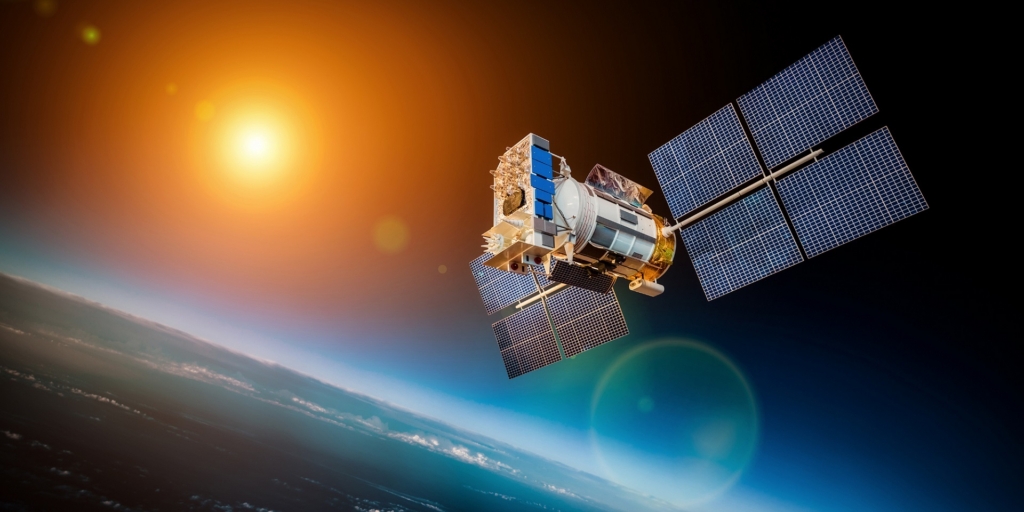
As NASA explains in its guide to satellite deorbit systems, orbital lifetime depends on several factors including altitude, spacecraft characteristics and changing atmospheric conditions.
Geostationary satellites face a different challenge. They orbit roughly 35,800km above Earth and use propellant for station-keeping manoeuvres that keep them in their assigned positions.
Why operators cannot use every last drop
Operators need to retain sufficient propellant to properly dispose of a satellite at the end of its mission.
That can mean lowering its orbit towards the atmosphere or raising it away from valuable operational regions.
Even knowing the precise amount of fuel remaining can be difficult. The European Space Agency (ESA) says conventional fuel gauges do not work in weightlessness. This makes accurate propellant estimates an important part of end-of-life operations.
In other words, operators cannot simply continue using a satellite until its tank is empty.
What happens to satellites in low Earth orbit?
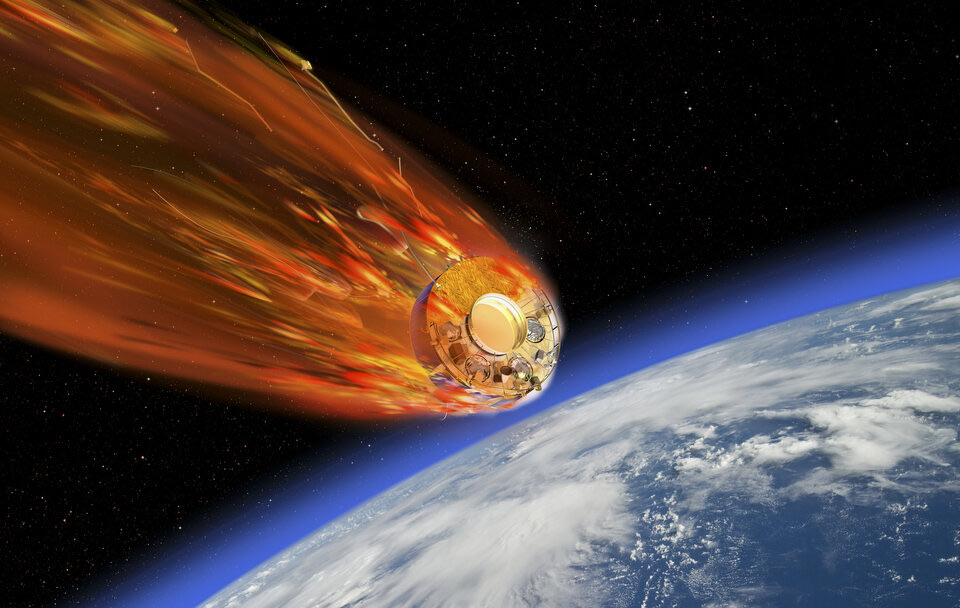
For many LEO satellites, the preferred destination is Earth’s atmosphere. A spacecraft can use its remaining propellant to lower its orbit and increase atmospheric drag until it re-enters the atmosphere.
NASA identifies atmospheric re-entry as the most feasible disposal method for most spacecraft missions.
Small satellites can sometimes be placed into lower orbits and allowed to decay naturally. Larger spacecraft may require controlled re-entry, especially if components could survive and pose a risk to people on the ground.
The rules of satellite disposal are also becoming stricter.
The US Federal Communications Commission adopted a five-year post-mission disposal rule for satellites ending their missions in or passing through LEO below 2,000km and relying on uncontrolled atmospheric re-entry. It replaced the previous 25-year benchmark.
ESA has made a similar change for its own missions. ESA’s updated debris-mitigation requirements reduce the maximum disposal period in protected low-Earth orbits from 25 years to 5 years and require a greater-than-90% probability of successful disposal.
Geostationary satellites go up, not down
Bringing a satellite back to Earth from geostationary orbit would require a large amount of propellant.
Instead, satellites reaching the end of their lives are typically moved into a graveyard orbit above the operational geostationary belt. ESA’s Zero Debris guidance calls for GEO satellites to be moved into adjacent graveyard orbits to keep the geostationary ring available.
When NASA’s TDRS-1 communications satellite was retired after more than 26 years of operation, controllers raised it more than 350km above geosynchronous orbit, depleted its remaining propellant and made its stored energy sources safe.
Satellites also need to be made safe
Moving an old satellite is only part of the process. Operators also remove stored energy that could cause the spacecraft to explode later. This is known as passivation.
ESA says passivation can involve venting the remaining propellant, pressurising the gas and discharging the batteries to reduce the risk of a spacecraft breaking apart and creating more debris.
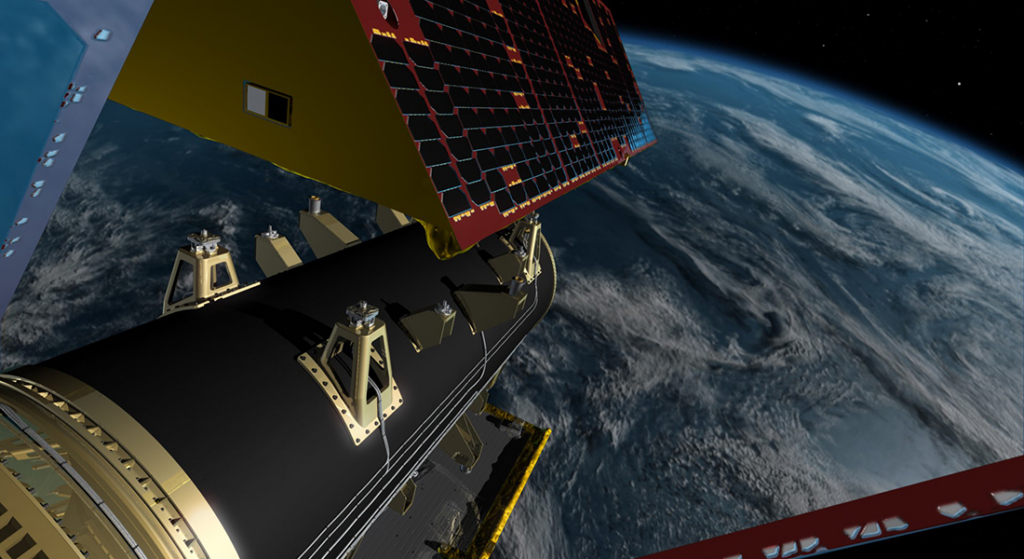
NASA’s GRACE-FO end-of-mission plan includes propellant-depletion manoeuvres, disconnecting the batteries from the solar arrays, and eventually turning off the spacecraft’s transmitters.
ESA took similar steps with its ERS-2 Earth-observation satellite. In 2011, controllers lowered its orbit and consumed its remaining fuel, reducing its expected orbital lifetime from more than 200 years to less than 15. ERS-2 eventually re-entered in 2024.
What if a satellite actually runs out of fuel?
If a satellite exhausts its usable propellant before completing its disposal manoeuvres, it may no longer be able to move itself into a safer orbit.
A spacecraft in sufficiently low orbit can eventually re-enter the atmosphere due to atmospheric drag. At higher altitudes, it could remain in space for decades or much longer.
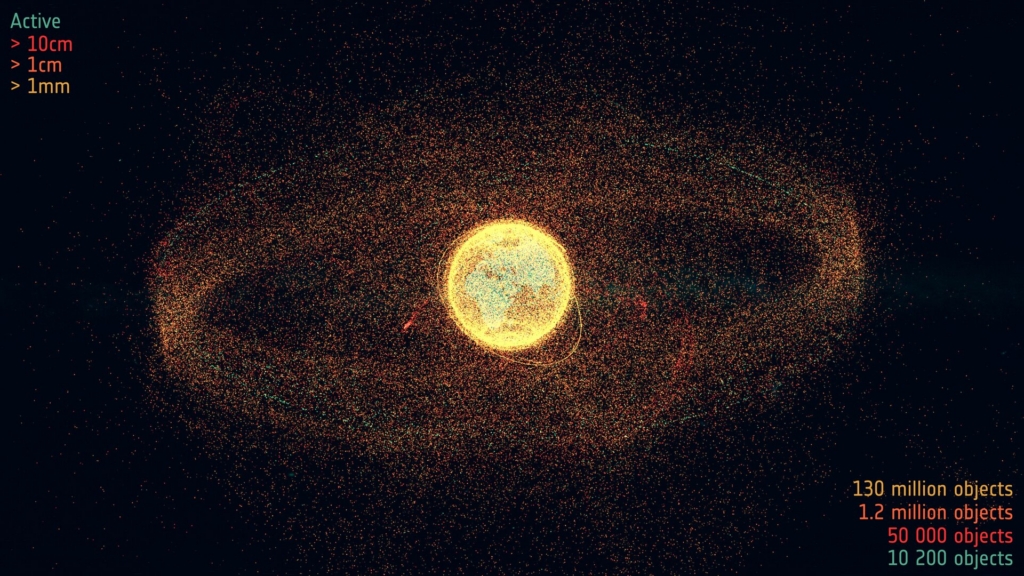
An uncontrollable satellite also cannot perform collision-avoidance manoeuvres. A collision could produce many more fragments, adding to the debris population.
ESA warns that repeated collisions and fragmentation could produce a runaway chain reaction known as the Kessler syndrome, potentially making some orbital regions unusable.
Can a dead satellite be rescued?
In some cases, dead satellites can be rescued through active debris removal. That involves another spacecraft approaching a dead or uncontrollable object, capturing it and changing its orbit. In LEO, the combined spacecraft could be lowered until atmospheric drag causes re-entry.
ESA is developing active debris-removal and “design for removal” technologies for satellites that cannot dispose of themselves. These include standardised interfaces and navigation aids that could make future spacecraft easier for a servicing vehicle to capture.
The final reserve of satellite propellant plays an important role in the satellite’s disposal system. It’s a challenge for operators. Using too much fuel to extend a mission could leave too little to ensure the spacecraft can be put to rest. Getting the fuel consumption balance right helps make safe room in orbit for new satellites.
Sign up for our newsletter and get our latest content in your inbox.


More from


October 13, 202612 min read