


Russia consolidates aviation companies as it struggles to maintain an aerospace industry

3 min read
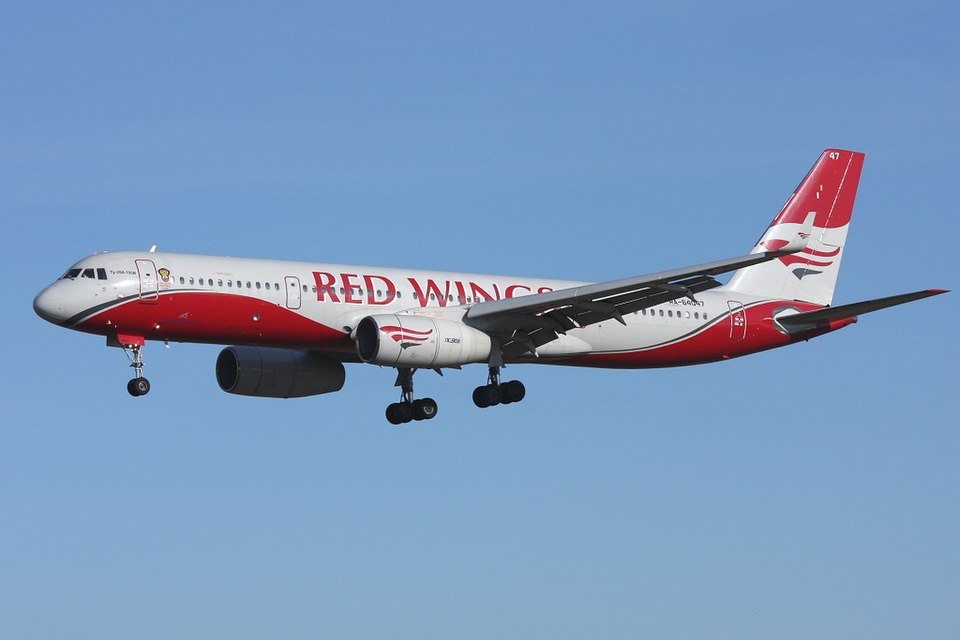
Rostec is planning to undergo a major restructuring of its civil aviation sector as it grapples with poor financial performance made worse by sanctions, a lack of skilled personnel, and the inability to produce domestic aircraft at scale.
Russia’s Rostec to consolidate its civil aviation assets
According to an article by the Russian tech-news outlet www1.ru, Russia’s Rostec is preparing a large reorganization of its civil aviation assets. It adds that Rostec has confirmed the project.
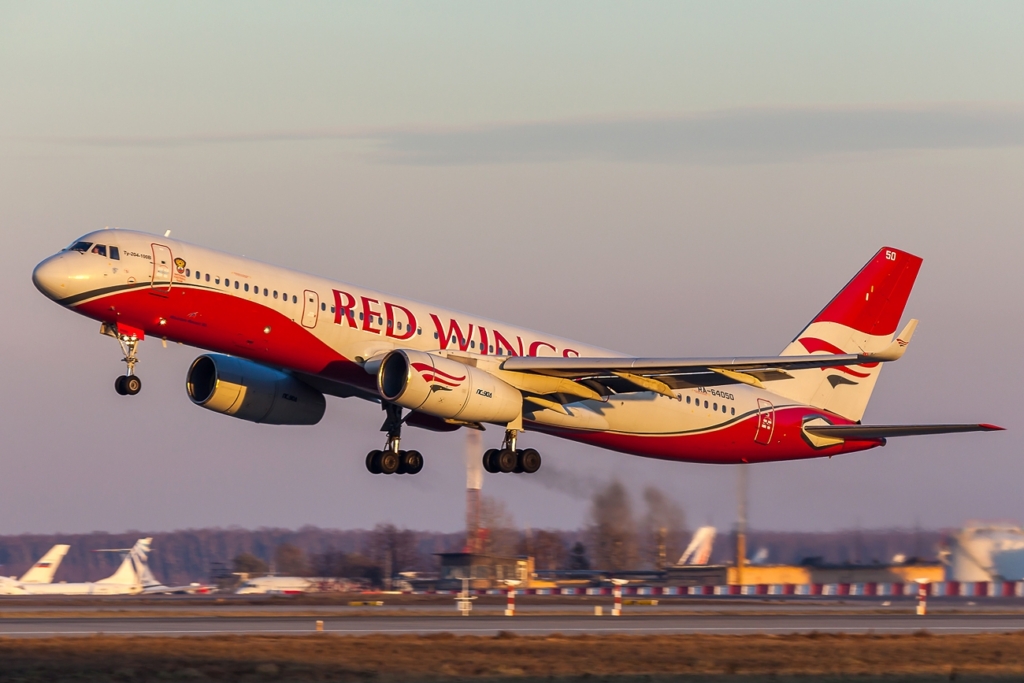
Rostec plans to merge its Red Wings airline, the cargo carrier SkyGates, the National Air Ambulance Service, and certain specialized leasing structures (Aviakapital-Service) into a single holding company.
This company will “centrally manage air transportation, aircraft operation, and the development of the domestic aircraft fleet.”
Www1.ru cited unnamed sources stating that Ilyushin Finance Co is considered one of the primary contenders for the management company role.
This will centralize the management of aviation assets, unify maintenance and reporting, and combine training efforts.

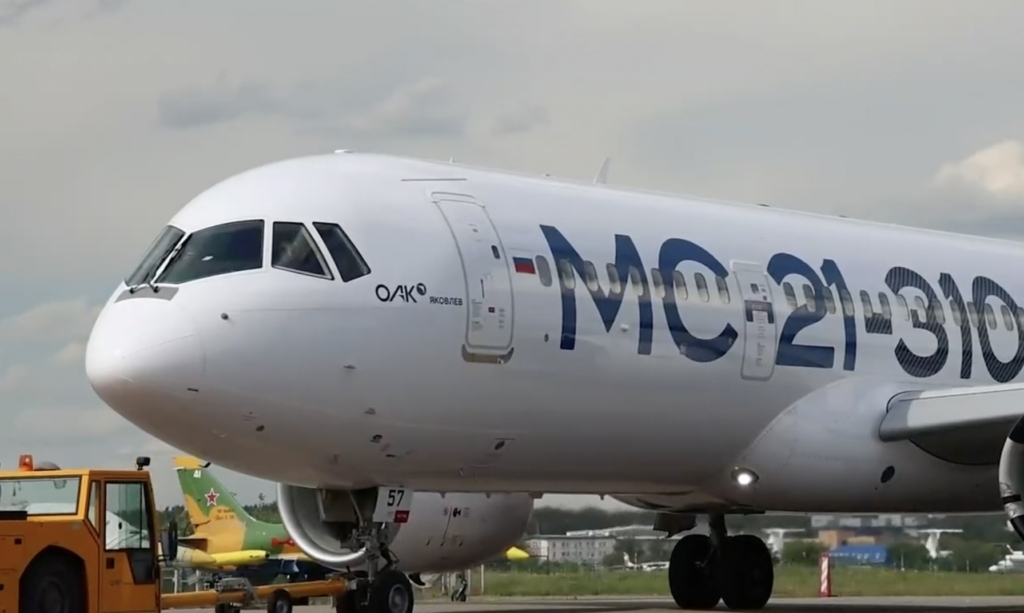
According to its website, the Red Wings fleet consists of 20 regional Superjets, five narrowbody Tu-214/-200s, and three widebody Boeing 777-200ERs. Planespotters.net puts the number slightly differently, with a total of 32 aircraft, of which eight are parked.
Increasing efficiency or concealing bankruptcy
The publication referenced sources as saying the reorganization is needed to improve the efficiency of Red Wings’ management after poor financial results in the first half of 2026.
Red Wings has attributed part of the poor performance to reducing the use of its Boeing 777s to preserve them until replacement Russian aircraft become available.
However, Ukraine’s Foreign Intelligence Service (SZRU) has a different read. SZRU writes, “In reality, it is an attempt to conceal the bankruptcy of individual assets within the consolidated financial reporting of the holding company.”
It assesses that Rostec is performing another “paper reorganization” of its aviation assets that are sustained by “borrowed engines, aging Boeing aircraft, and a severe shortage of personnel.”
Won’t fix underlying sanctions, skill shortage, production woes
The SZRU assesses that Red Wings is no longer able to sustain its own charter programme. It adds that only one of its three Boeing 777s is actively operating scheduled flights.
Another Boeing 777 -200ER has been placed in storage as a reserve aircraft, and the third is idle. It adds, “This is compounded by internal management conflicts that have blocked personnel decisions for years and driven qualified specialists out of the company.”
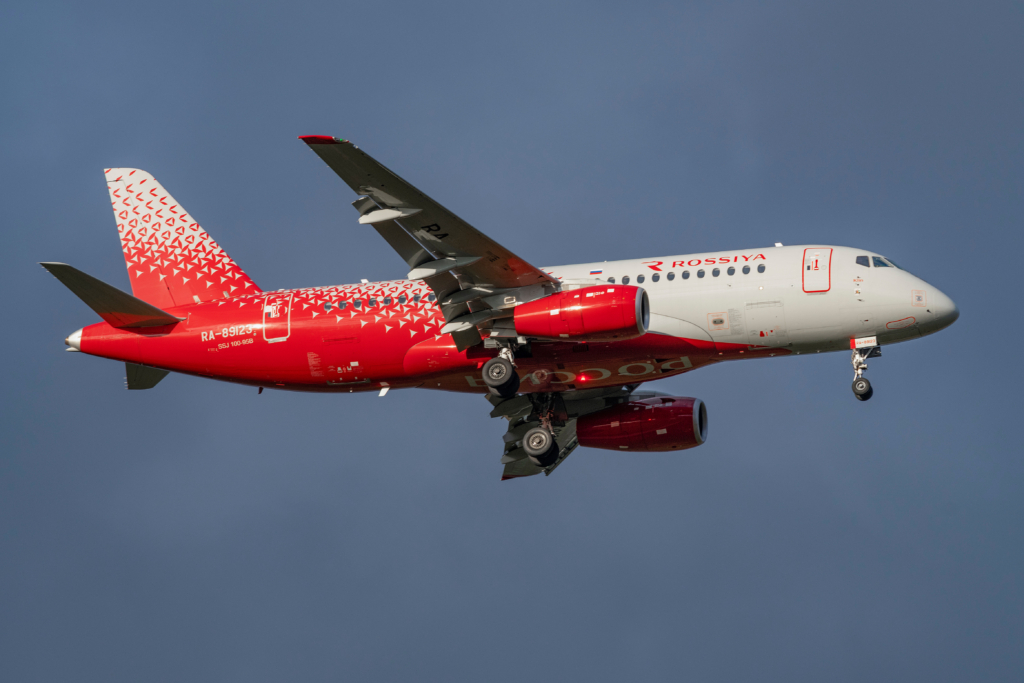
Ukrainian intelligence also says Russia’s cargo aviation sector is shrinking due to shortages of engines and spare parts, along with extended maintenance times with aging aircraft. AGN has previously reported that Russia is now using commercial aviation to supplement its declining military airlift capacity.
Rostec now lacks the needed number of people and resources to maintain these aircraft. Having a unified holding company will not fundamentally solve the problems, but will just redistribute resources.
The SZRU adds, “Centralising funds, personnel, and spare parts means that lower-priority operators will effectively be sacrificed to keep others afloat, rather than creating more aircraft, engines, or qualified specialists within the system.
It points out that Russia’s aviation issues are due to Western sanctions, the failure to deliver domestically produced aircraft, and the loss of skilled personnel. This is in addition to the fuel shortage that Russian airlines are facing.


