


Trump threatens Bombardier with sales ban unless it makes its private jets in the US

4 min read
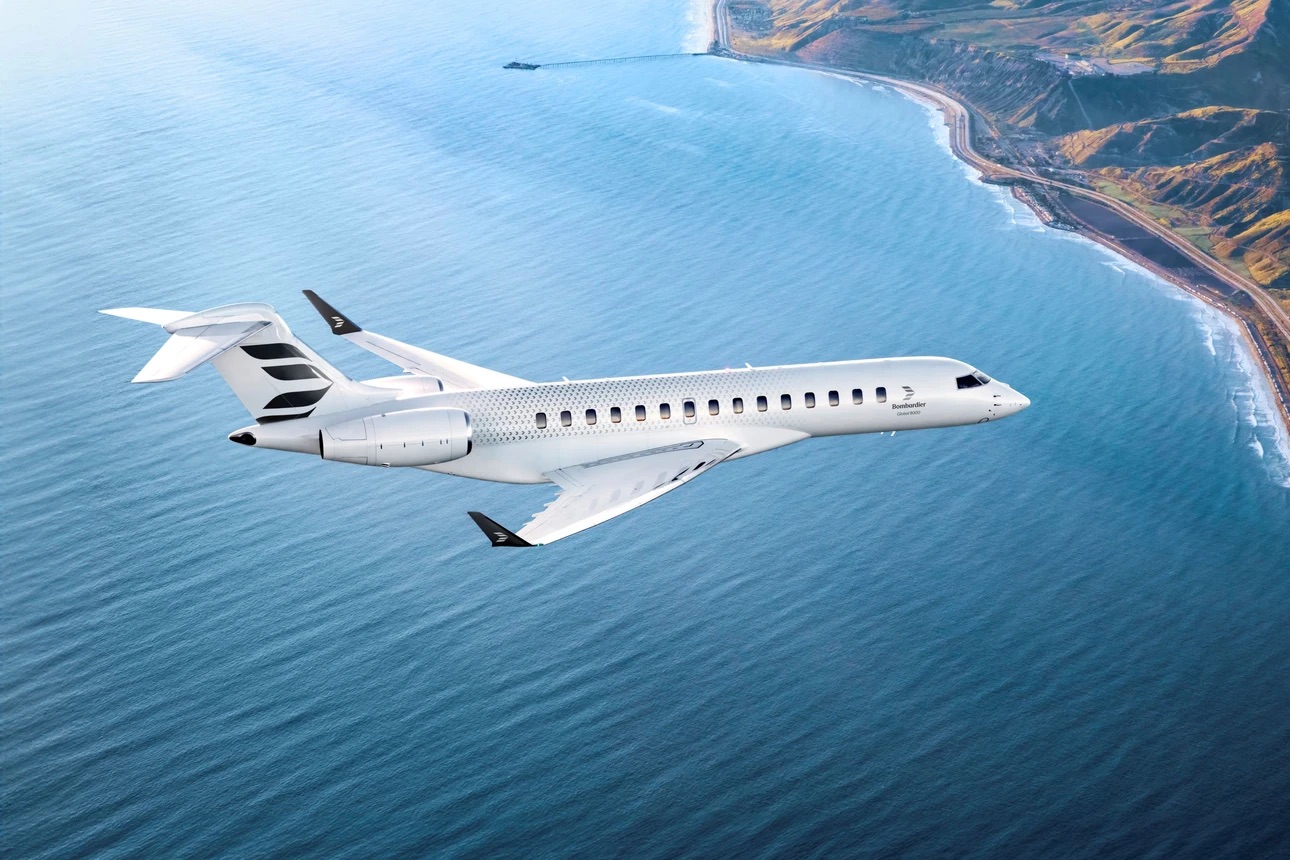
President Donald Trump has threatened to block Canadian aircraft manufacturer Bombardier from selling its private jets in the United States unless the company moves production onto American soil, escalating an already bitter trade dispute between Washington and Ottawa.
In a post on Truth Social on 7 September, Trump delivered a blunt ultimatum to the Montreal-based company, declaring: “NO MORE SELLING BOMBARDIER IN THE UNITED STATES! Their products aren’t good enough!” He then added: “If they want our market, they must build here and stop treating America like a ‘piggy bank’.”
The remarks represent the latest attempt by Trump to use access to the enormous US market as leverage to encourage companies to manufacture domestically.
They also come at a particularly tense moment in US-Canada relations, with Ottawa preparing retaliatory tariffs against American goods in response to Washington’s trade measures.
A major threat to Bombardier by the US
Bombardier is one of the world’s leading manufacturers of business aircraft, with its Challenger and Global families competing in the lucrative private-jet market.
The US is a crucial market for the company, and roughly half of the fleet operated by Bombardier customers is located in the US, according to Reuters. Trump’s threat therefore strikes at one of Bombardier’s most important sources of demand.
Yet the situation is more complicated than a straightforward Canadian company selling foreign-made aircraft to American customers. Bombardier already has a substantial US industrial footprint.
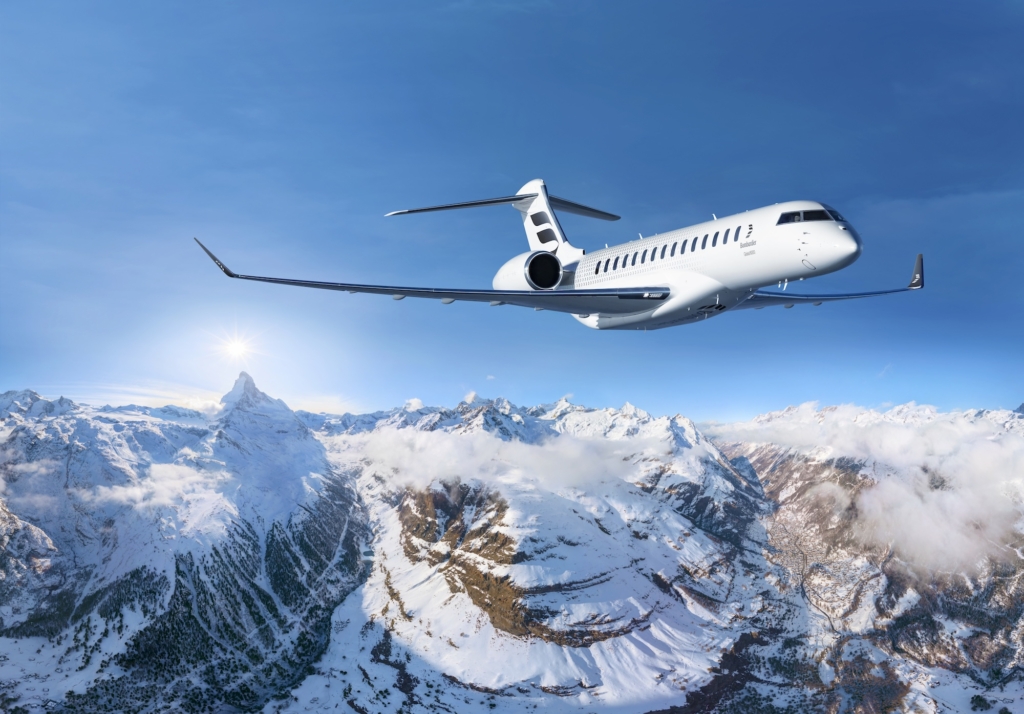
The company employs around 3,500 people in the country and has approximately 2,800 US suppliers. It also spends more than $2.5 billion annually with those suppliers. Additionally, Bombardier operates manufacturing and service facilities across the US and is expanding its presence.
It also produces wings for its flagship Global 8000 business jet in Texas, while its US operations include a defence facility in Kansas where Canadian-built aircraft are prepared for special missions.
Bombardier said it intends to continue investing in the US and its communities. The company stated that it planned to “continue to invest in our people, our customers and the communities in which we operate across the country.”
Questions over whether Trump can enforce his threat
Perhaps the biggest immediate question is how the administration could actually prevent Bombardier aircraft from being sold in America.
Bombardier’s business jets have received approval from the US Federal Aviation Administration (FAA), and its aircraft comply with the US-Mexico-Canada trade agreement.
Its supply chain is also deeply integrated with the US aerospace industry. Many of its private jets also use American-made engines supplied by Honeywell Aerospace and GE Aerospace.
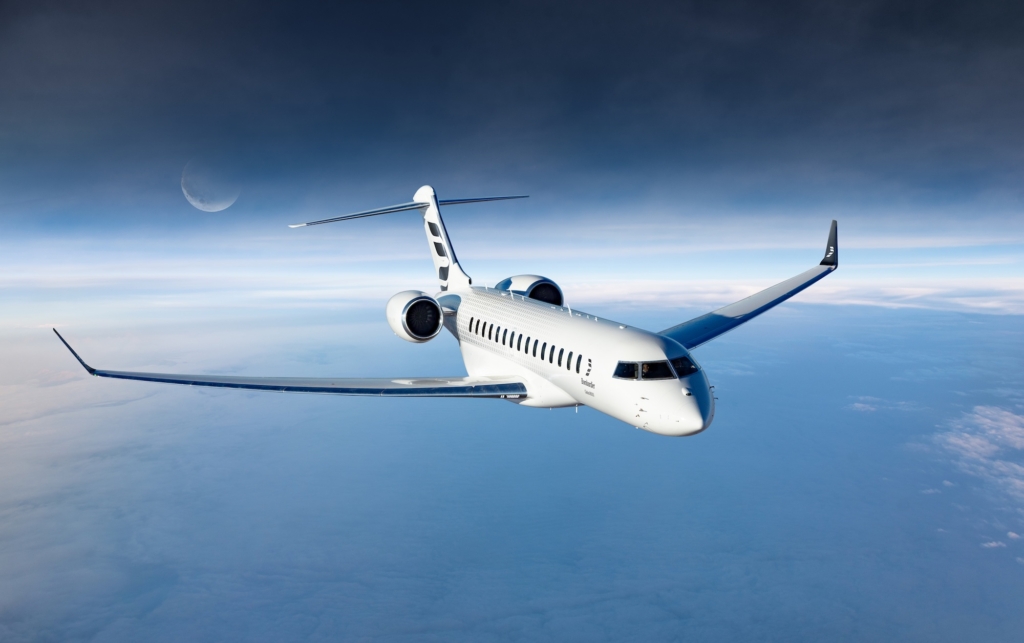
Aerospace analysts question whether Trump’s threat could realistically prevent customers from buying Bombardier aircraft. He argued that the company’s extensive US presence and integration into the American supply chain make the proposed restriction difficult to implement.
The White House had not immediately explained what legal or regulatory mechanism would be used to stop Bombardier deliveries into the United States.
That leaves considerable uncertainty over whether Trump’s declaration is an immediate policy decision, a negotiating threat, or the beginning of a formal government action.
This is part of a wider economic fight with Canada
Trump’s latest attack on Bombardier is also tied directly to the broader US-Canada trade confrontation.
In his post, Trump accused Canada of unfairly restricting American companies, specifically pointing to Gulfstream Aerospace. “They even blocked Gulfstream Aerospace from doing business in Canada — Completely unjust and unfair! That Era is OVER!” he wrote, according to reports.
Canada, however, has disputed the claim that Gulfstream has been blocked from operating in the country. The dispute comes as Canada prepares billions of dollars in retaliatory tariffs on US imports, adding another layer of pressure to an already strained relationship.
Trump has targeted Bombardier before. In January, he threatened to decertify Bombardier Global Express business jets and proposed 50% tariffs on aircraft made in Canada unless Canadian authorities certified certain Gulfstream aircraft. Those measures were ultimately not implemented.

The latest warning is consequently being viewed in the context of Trump’s broader strategy of demanding that foreign manufacturers produce goods inside the US if they want unrestricted access to American consumers.
For Bombardier, however, the threat presents an awkward contradiction. The company is Canadian-owned and manufactures many of its aircraft in Canada, but it is also deeply embedded in the American aerospace economy.
Trump’s message is clear – that Bombardier must build in the US if they want access to the US market. Whether that ultimatum results in a major expansion of Bombardier’s American manufacturing operations, a negotiated trade arrangement, or an enforceable sales ban remains unclear.
What is certain is that one of the world’s most important private jet markets has become another front in Trump’s increasingly confrontational trade policy toward Canada.
Sign up for our newsletter and get our latest content in your inbox.


More from


September 25, 20264 min read

September 25, 20264 min read

September 24, 20262 min read


