One in five aircraft at Russia’s biggest airlines are grounded as sanctions bite

3 min read

Around 19% of the commercial aircraft of Russia’s largest airlines are grounded for technical reasons. Additionally, 300 commercial Russian Mi-8 helicopters are in need of retirement, along with many light regional aircraft.
Even so, the greatest challenges for the remainder of 2026 are Ukrainian drone attacks and the availability of aviation fuel.
19.3% of Russia’s active commercial fleet is grounded
According to a new report by the Russian news outlet Kommersant, around 130, or 19.3%, of aircraft operated by Russia’s 11 largest airlines are “sitting idle” even though this is the peak summer season.
This includes Russia’s 11 major airlines that account for over 90% of Russia’s passenger traffic. Together, they operate a total of 673 aircraft.
Kommersant says that the normal grounded figure is no more than 10%, meaning the grounded share of aircraft is around double. The main reason for the grounded aircraft is prolonged maintenance work.
It notes, “for an aviation sector now entering its fifth year under Western sanctions, the situation is actually better than might be expected, and they do not anticipate a dramatic decline in passenger traffic this year.”
Grounded aircraft by major Russian airline
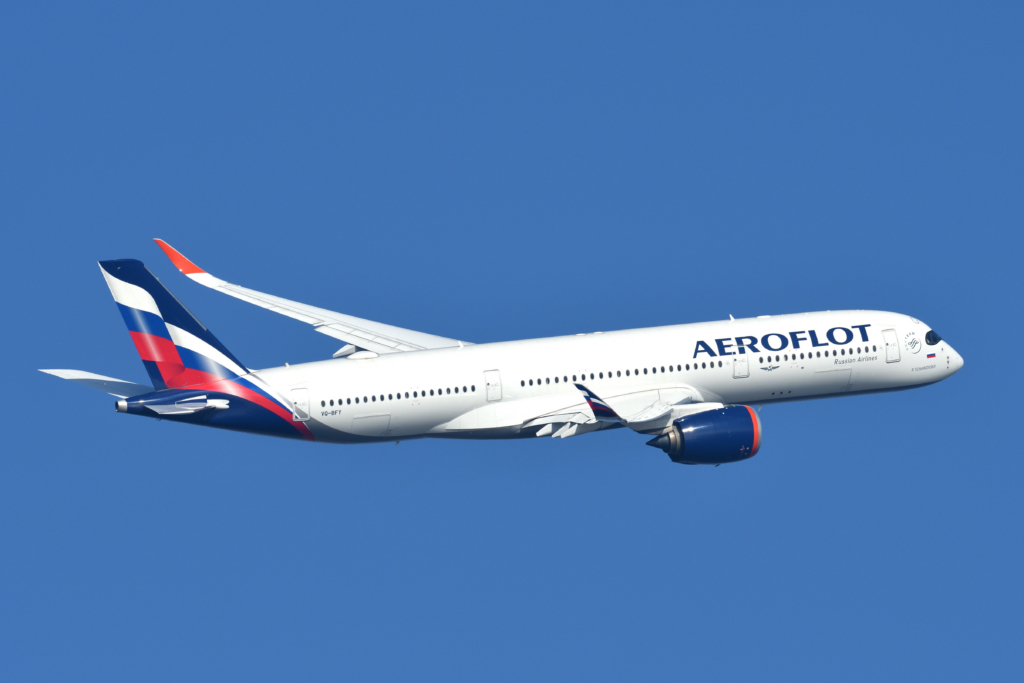
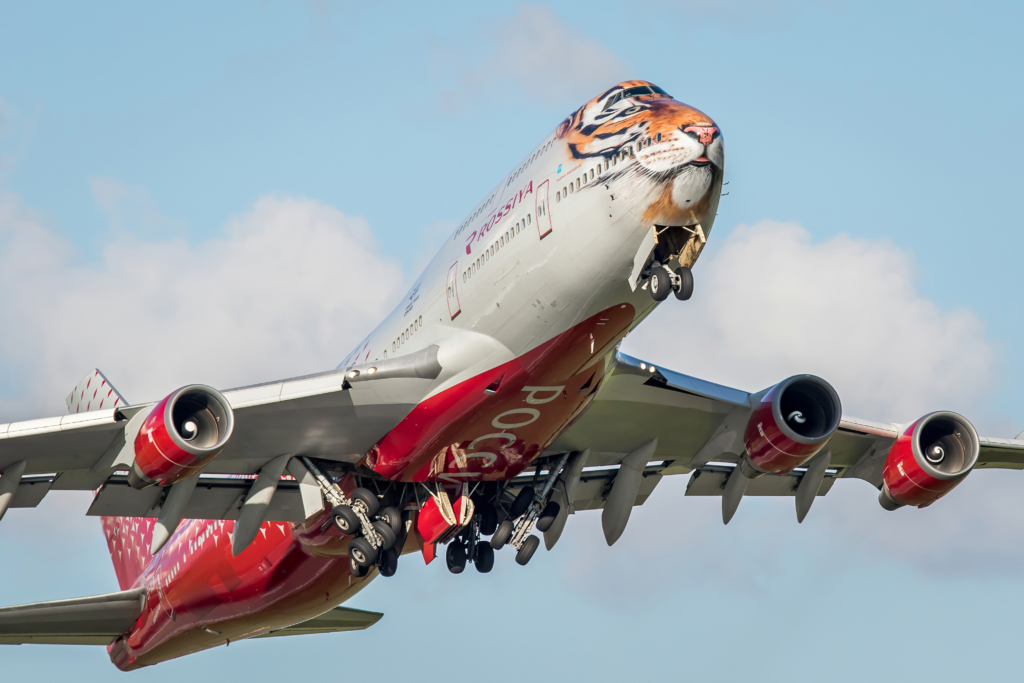
The largest operator, by a large margin, is the Aeroflot Group. Aeroflot’s grounded numbers are around typical, with 37 of its 349 aircraft (11%) currently grounded. Most of those grounded aircraft belong to its subsidiary, Rossiya.
The mainline Aeroflot fleet is made up of 171 aircraft, of which only seven (4%) are grounded. These include three of its six A320neos, one of 12 A330s, one of seven A350s, and two Boeing 777s.
| Airline | Total Aircraft | Inactive Aircraft | Inactive (%) |
| Aeroflot | 171 | 7 | 4% |
| Rossiya | 136 | 30 | 22% |
| Pobeda | 42 | 0 | 0% |
| Aeroflot Group (Total) | 349 | 37 | 10% |
| S7 Airlines | 104 | 33 | 32% |
| Ural Airlines | 51 | 10 | 20% |
| Utair | 59 | 9 | 15% |
| Nordwind | 27 | 12 | 44% |
| Smartavia | 13 | 3 | 23% |
| Red Wings | 26 | 5 | 19% |
| Azur Air | 23 | 17 | 74% |
| Azimuth | 19 | 4 | 21% |
| Eight airlines outside Aeroflot Group | 322 | 93 | 29% |
| Eleven largest airlines (Overall) | 673 | 130 | 19.30% |
The picture gets significantly worse for the airlines outside of the Aeroflot Group. Excluding the Aeroflot Group, 93 of 322 aircraft (29%) are grounded.
The airline with the highest proportion of grounded aircraft is Azur Air, which has 17 of its 23 aircraft grounded, or a whopping 74%. Podeda (part of the Aeroflot Group) is notable for having no reported grounded aircraft.
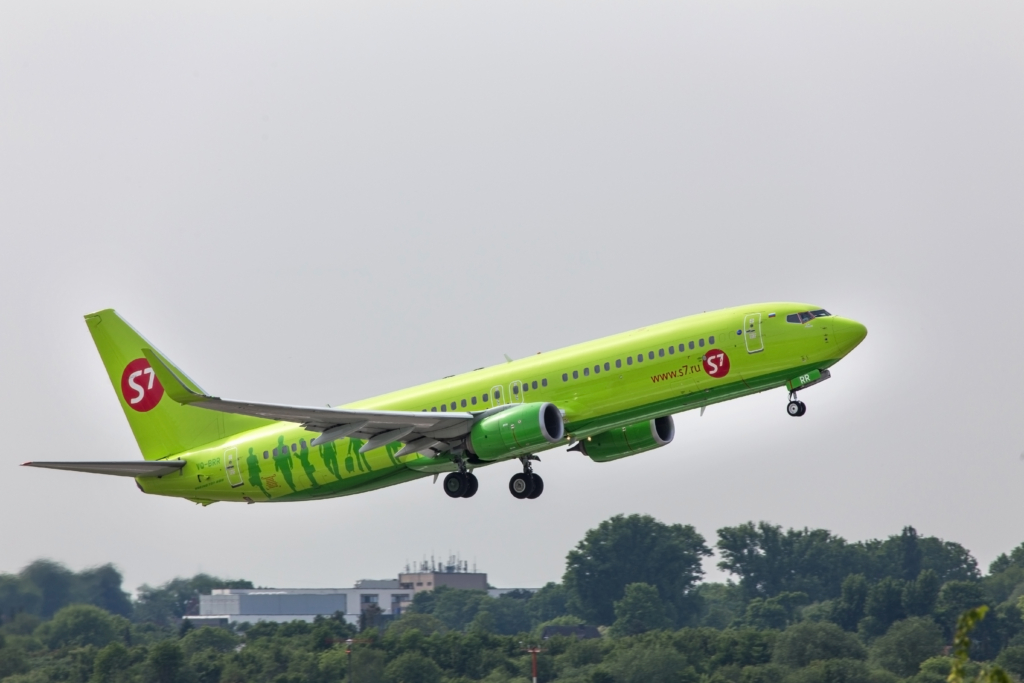
S7 Airlines is the largest Russian airline outside of the Aeroflot Group and has 33 of its 104 aircraft grounded, or around 32%.
Get the latest aerospace defence news here on AGN.
Outlook for the Russian airlines
Kommersant says it expects the situation to worsen at the beginning of 2027 as the aircraft continue to age and certified component lifetimes expire.

It also quotes Oleg Panteleyev, Executive Director of the aviation consultancy Aviaport, as saying that Russia does not expect a dramatic decline in passenger traffic in 2026 due to aircraft availability.
The primary issues for 2026 are expected to be how many Russian airports will need to close due to Ukrainian drone attacks (euphemistically called “kovry” or “carpets” in English) and whether aviation fuel supplies remain stable. Regarding aviation fuel, Azimuth said last week it was asked to cut fuel use by a third.
The ability to service aircraft types is uneven. The publication says this is particularly true for the domestically-produced regional Sukhoi Superjet 100 fleet. Those aircraft are powered by the Franco-Russian SaM146 engine.
AGN has previously reported that Russia is working to extend the service life of its Superjet fleet, with them only having a quarter of the service life they were designed for. It is also considered infeasible to re-engine these aircraft with domestic PD-8 engines. Of the 219 examples produced, only 159 remained in service by November 2025.
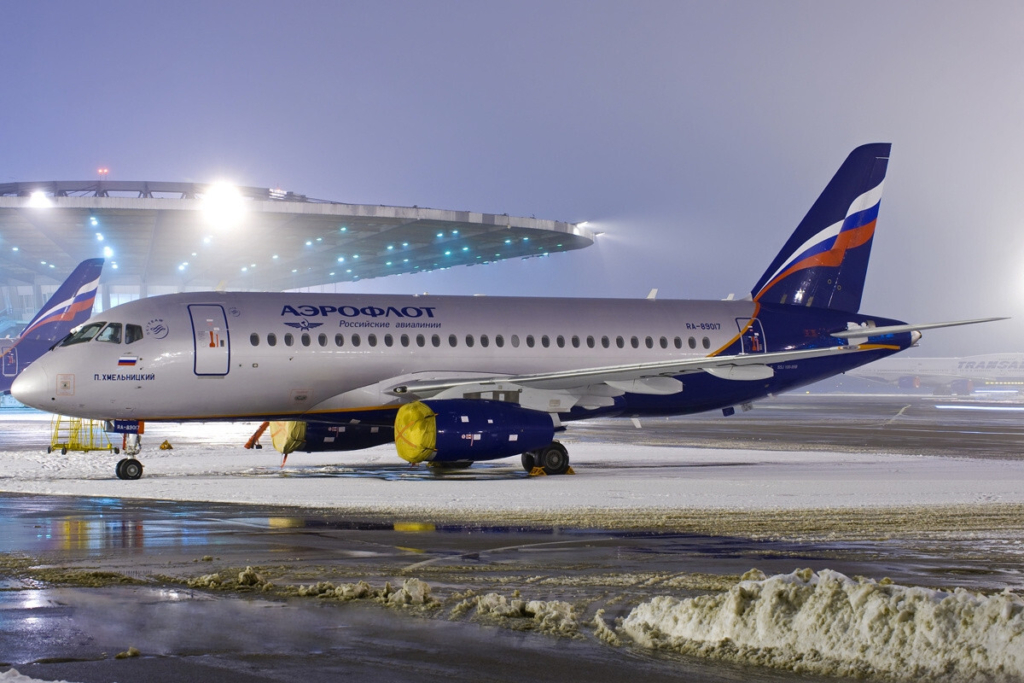
Russia is working to produce Russified variants of its MC-21, Superjet (now Yakovlev SJ-100), Tu-214, and Il-114 aircraft, although few deliveries (if any) are expected in 2026.
Featured Image: Aleksandr Markin / Wikimedia