


Isar Aerospace’s Spectrum reaches orbit on second flight in European launch breakthrough

7 min read
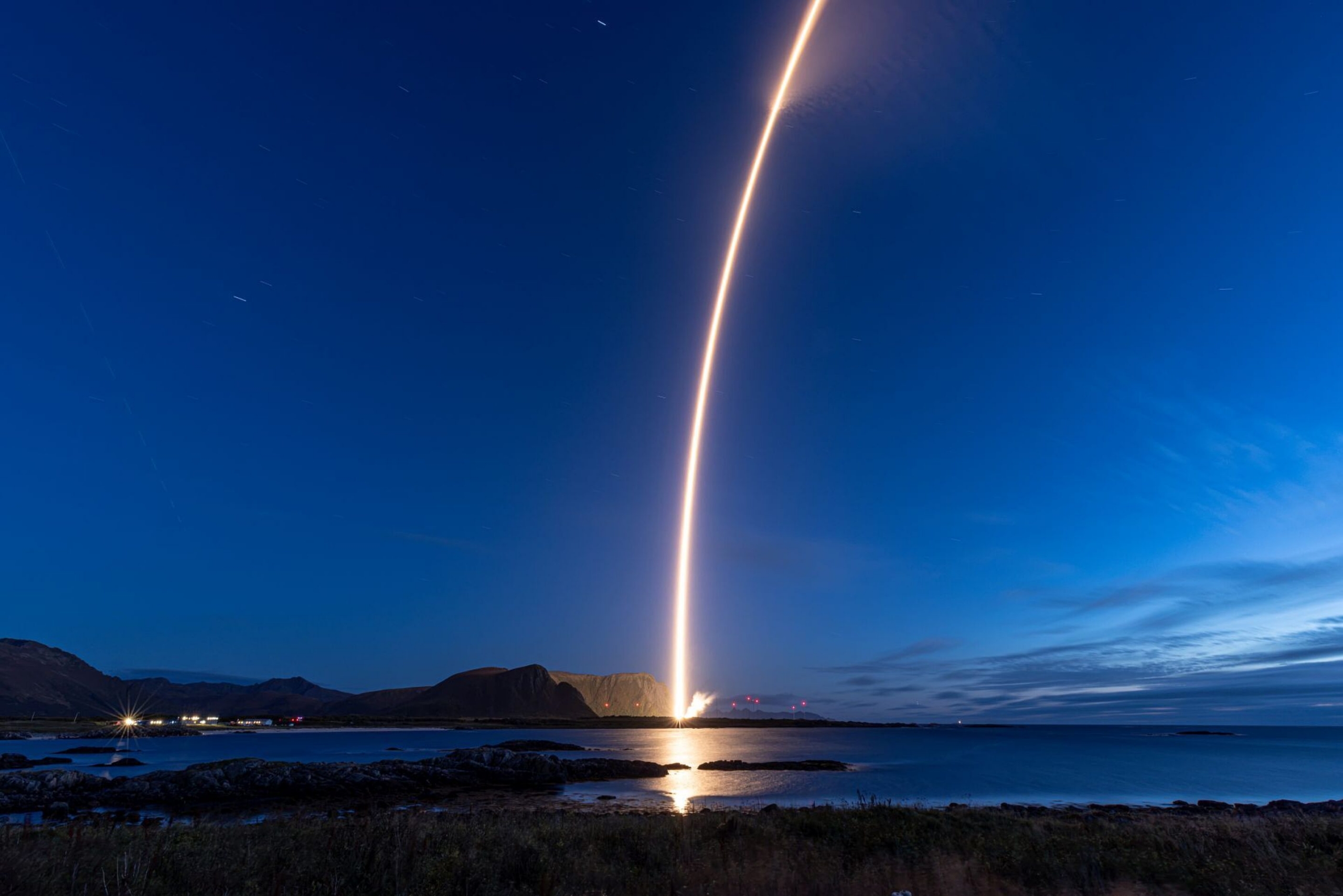
German launch company Isar Aerospace’s Spectrum rocket successfully reached orbit on its second flight on September 5, deploying customer payloads and becoming the first privately developed European launcher to achieve the feat from continental Europe.
Historic launch from Andoya Spaceport in Norway
Spectrum lifted off from Isar Aerospace’s dedicated launch complex at Andoya Spaceport in Norway at 10:12pm CEST. The two-stage rocket passed through maximum aerodynamic pressure, shut down its first-stage engines, separated cleanly and ignited its second stage as planned.
It crossed the Karman line at an altitude of 100km, jettisoned its payload fairing and accelerated to orbital velocity. Following a circularisation burn, the spacecraft were released. Germany’s DLR said the five small satellites and one experiment aboard the rocket were successfully deployed into their target orbits.
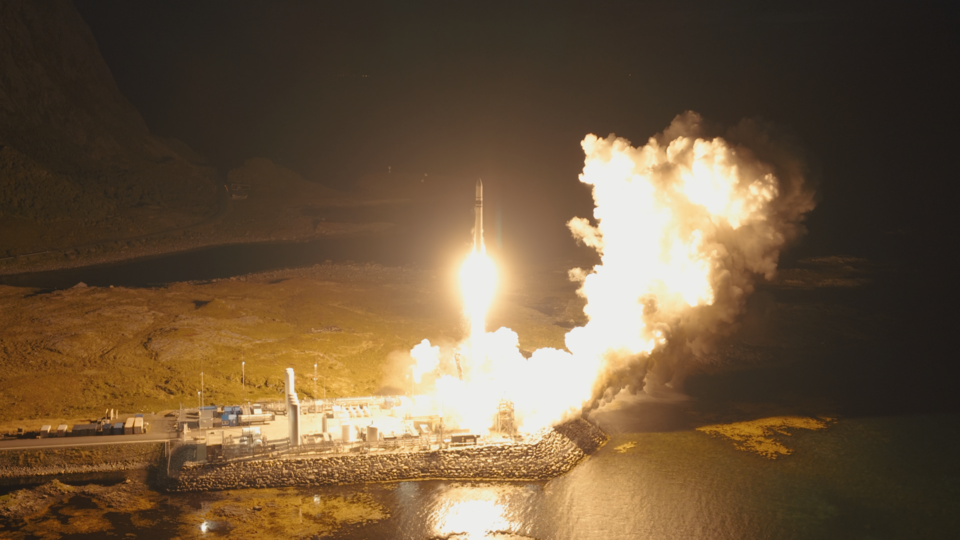
The flight, named ‘Onward and Upward’, made Isar Aerospace the first commercial space company from Europe to deliver satellites to orbit from continental Europe. It also made Isar the first provider in the European Space Agency’s European Launcher Challenge to reach orbit.
From failed first flight to orbital success
The achievement comes just over 17 months after the first Spectrum left the same launch pad on March 30, 2025. That test lasted around 30 seconds before the flight was terminated and the rocket fell into the sea in a controlled manner. It had nevertheless cleared the pad and provided the company with its first flight data.
“A historic launch from Andoya Spaceport in Norway today, the first European Launcher Challenger to reach orbit,” ESA Director General Josef Aschbacher said.
“Spectrum quite literally rose to the challenge and delivered its payloads in low Earth orbit.”
Why Spectrum’s success is a milestone for European commercial spaceflight
For Isar, however, reaching orbit is only the first part of a much larger plan.
Spectrum vehicles three through seven are already in production, a new factory near Munich is designed eventually to produce as many as 40 rockets a year, and the company raised €270 million (about $315 million) in June to help fund that expansion.
A second launch site is being developed in Nova Scotia, Canada, while a €197.8 million ($223.7 million) ESA contract gives Isar another substantial source of backing as it moves from testing towards regular commercial operations.
Spectrum rocket specifications and launch capabilities
Spectrum is 28 metres tall and two metres in diameter. The first stage is powered by nine Aquila engines developed by Isar Aerospace, with a tenth vacuum-optimised Aquila powering the upper stage. The engines burn liquid oxygen and propane.
The rocket is aimed at the small and medium satellite market and is designed to carry up to 1,000kg into low Earth orbit, or around 700kg into sun-synchronous orbit. Much of the vehicle, including its propulsion system, is developed and manufactured in-house.
Customer payloads successfully deployed into low earth orbit
Saturday’s payload was deliberately modest but important.
“All launches are special, but what Isar Aerospace achieved today is historic: the first European company to reach orbit with their own launch vehicle” said Geraldine Naja, ESA’s Director of Space Transportation, “a huge congratulation to the teams involved, who with this launch also complete the first milestone of ESA’s European Launcher Challenge, looking forward to seeing many more European launches, including from Andoya Spaceport in Norway in the near future.”
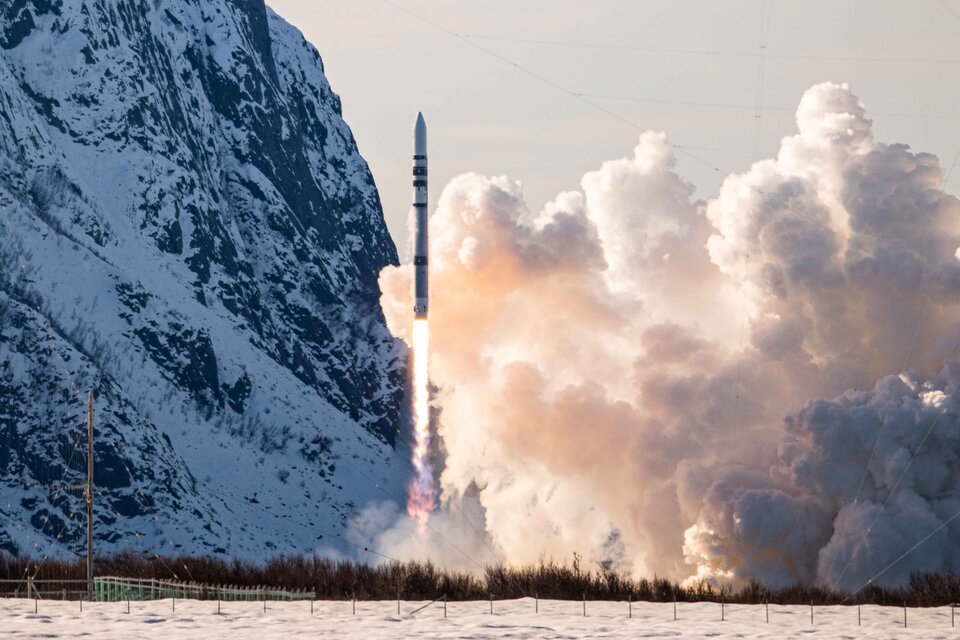
Five CubeSats and an experiment came from Germany, Norway, Austria, Slovenia and Bulgaria. They include university and commercial projects intended to test satellite technologies and components in orbit. The payloads were selected through the German Space Agency at DLR’s Microlauncher Competition, supported through ESA’s Boost! programme.
Flight 2 completed every major step needed to reach orbit
The launch also followed a delay of almost three months. Isar stood down from a June attempt after detecting off-nominal behaviour in the rocket’s fluid systems. Components were replaced before further acceptance testing, stage tests and another wet dress rehearsal cleared the vehicle to return to the pad.
That made the second flight a much more demanding test than the first.
Spectrum had already demonstrated that it could ignite its engines and leave the pad. This time it had to survive the highest aerodynamic loads of ascent, separate its stages, start the upper-stage engine, discard the fairing, reach orbital speed and deploy real payloads.
It did all of them.
“We achieved within a few years what had taken the European space industry decades before,” Isar chief executive and co-founder Daniel Metzler said after the flight.
“We will now focus on rapidly scaling launch vehicle production, deliver on our order pipeline, and meet surging global demand.”
That shift from proving a rocket can fly to proving it can fly regularly is now the central challenge.
Five more Spectrum rockets are already in production
Isar has chosen not to wait for Flight 2 before building the vehicles that will follow it.
Spectrum rockets three through seven are already in production, giving the company five vehicles behind the one that reached orbit on Saturday.
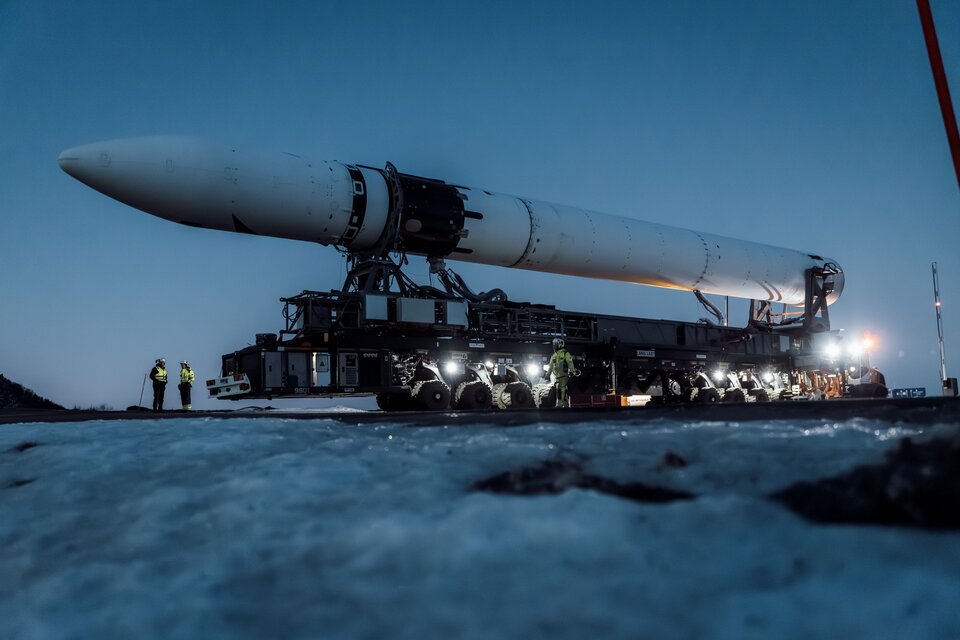
Production is being concentrated at a new 40,000-square-metre facility in Parsdorf, near Munich. The highly automated factory is designed eventually to manufacture as many as 40 Spectrum vehicles annually.
That figure is a production capacity target, rather than a commitment to conduct 40 launches every year. Isar still has to establish a reliable flight cadence before it can approach anything on that scale.
Its industrial infrastructure is expanding elsewhere too. A second test facility at Esrange Space Center in Sweden is being built to test more than 30 engines each month and carry out integrated stage acceptance testing, providing the throughput needed if Spectrum production rises substantially.
The expansion is backed by fresh money.
Isar raised €270 million ($315 million) in a Series D funding round in June, saying the capital would be used to ramp serial production of Spectrum and expand its international launch infrastructure. New investors included Island Green Capital and Molten Ventures alongside existing backers.
The company’s launch manifest already stretches through 2028, with customers including ESA, the Norwegian Space Agency, ElevationSpace and Astroscale.
That backlog is important. Europe’s launcher problem is not solved by getting one privately developed rocket into orbit. The commercial test is whether Spectrum can be manufactured, tested and launched repeatedly at a price and schedule attractive enough for customers to keep buying flights.
What Spectrum’s success means for Europe’s independent access to space
The successful flight came days after ESA awarded Isar a €197.8 million ($223.7 million) contract under the European Launcher Challenge.
The money is primarily backed by Germany, with contributions from Austria and Norway. It is not a simple lump-sum subsidy: funding is unlocked as agreed milestones are achieved.
The Challenge is designed to broaden Europe’s launch market by supporting several competing providers rather than relying on a single system.
Rocket Factory Augsburg received a €186.9 million ($217 million) contract for RFA One, while Spain’s PLD Space secured €158.9 million ($185 million) for Miura 5. ESA has also been progressing an agreement with MaiaSpace.
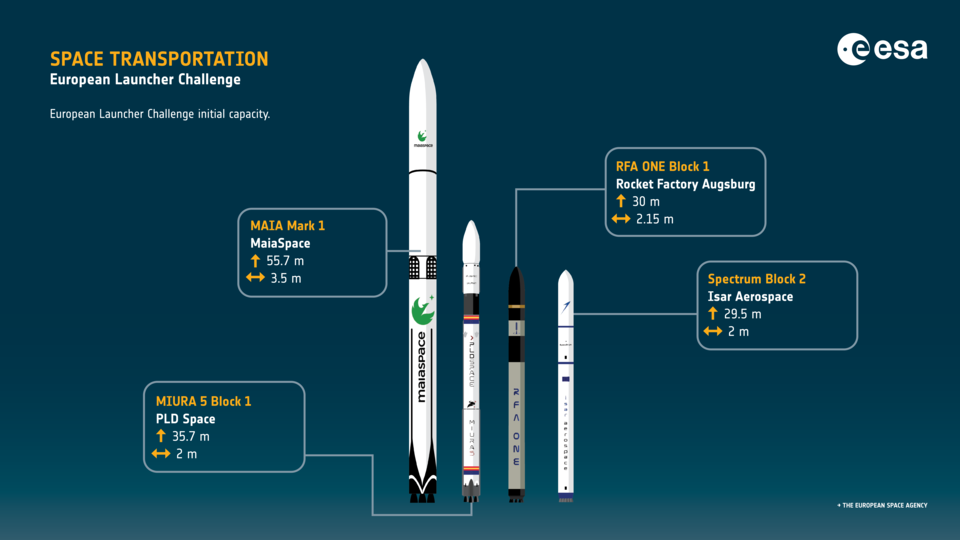
One of the first requirements was straightforward but unforgiving: prove that the launcher could actually reach orbit before 2028.
Isar has now done that on Flight 2.
The programme reflects a larger strategic problem for Europe. Satellites have become critical infrastructure for communications, navigation, Earth observation and defence, but independent access to orbit has proved harder to maintain.
Europe conducted fewer than 10 orbital launches in 2025, compared with more than 190 by the United States, according to figures cited by Isar when it announced its latest funding round. The company also said 60% of its demand over the preceding 12 months had shifted towards defence customers.
Spectrum will not replace Ariane 6. The two rockets serve very different markets. Spectrum is intended to offer smaller payloads a dedicated route to orbit rather than compete with Europe’s heavy launcher.
The attraction is flexibility: a small satellite operator can buy a mission tailored to its required orbit instead of waiting for space aboard a much larger rocket.
Isar Aerospace’s Canadian launch site and global growth strategy
Isar’s expansion is not confined to Europe.
In May, the company signed a letter of intent with Maritime Launch Services to establish launch capability at Spaceport Nova Scotia in Canso, Canada.
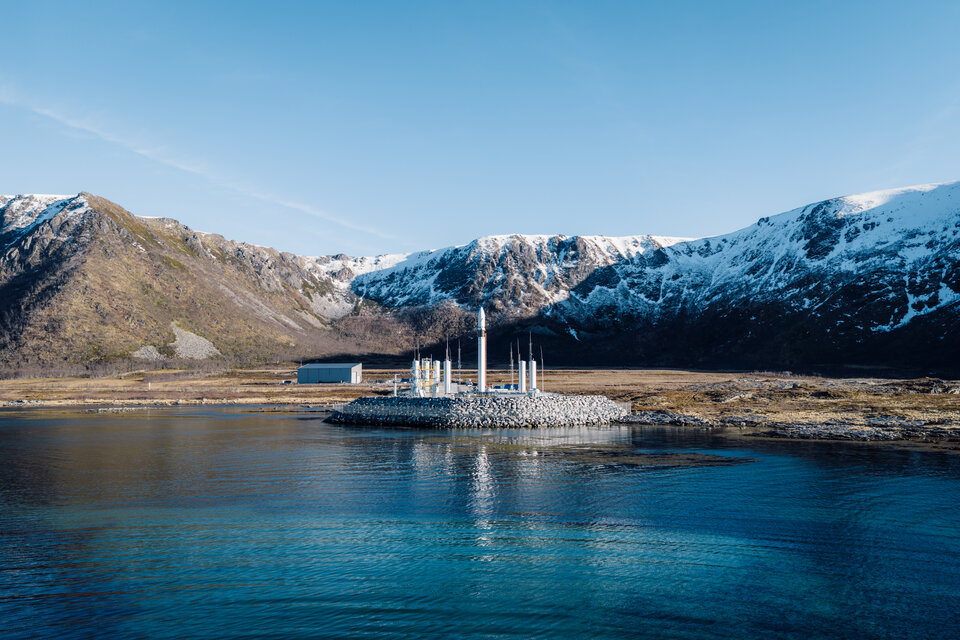
The location would complement Andoya by providing access to mid- and high-inclination and polar orbits used by Earth-observation and communications satellites. The companies envisage both commercial and government missions, including defence payloads.
Infrastructure development is underway at the Canadian site, and Isar said in June that groundwork for its launch pad had begun.
For Isar, two launch locations would provide greater flexibility in the orbits it can offer customers. For Germany, Canada and other NATO members, there is also a strategic argument: launch sites on both sides of the Atlantic could provide another route for deploying or replenishing satellite constellations without relying entirely on third-country launch providers.
“Space access is a prerequisite for every nation’s security and economic resilience,” Alexandre Dalloneau, Isar’s vice-president for mission and launch operations, said when the Canadian partnership was announced.


