New images reveal China’s giant WZ-X stealth drone and its unusual wing design

3 min read
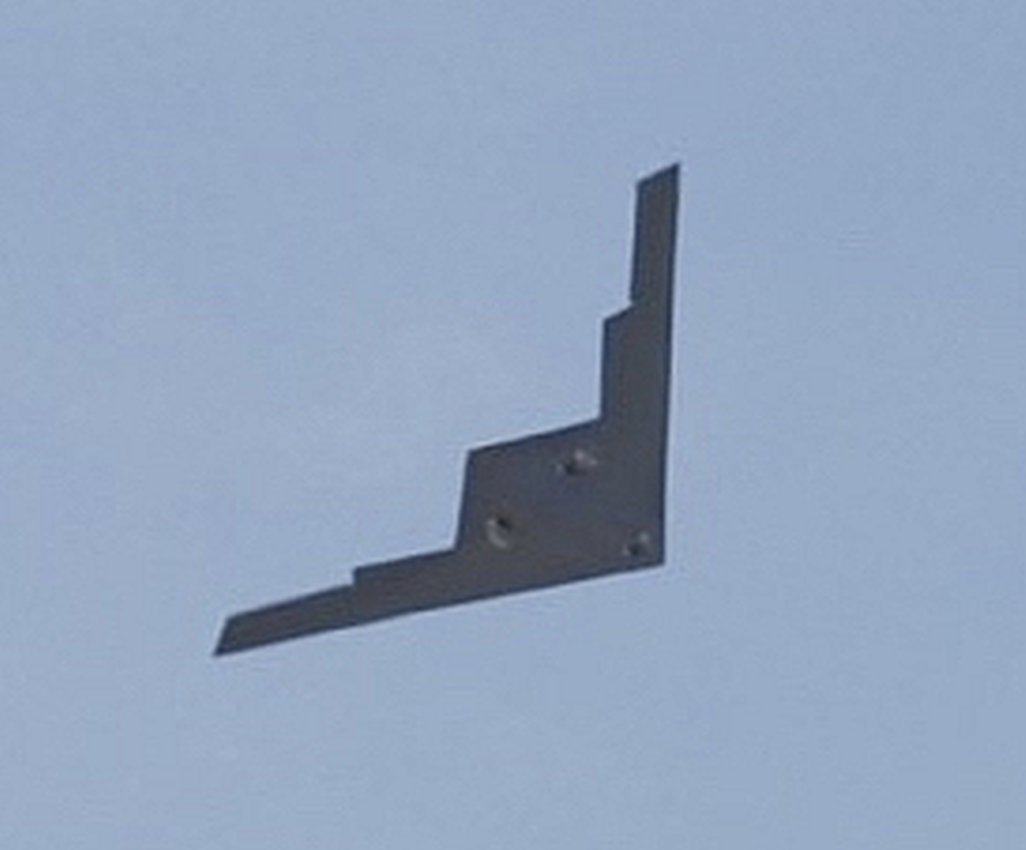
New images of China’s mysterious new stealth drone, dubbed the WZ-X, have given analysts their best opportunity to examine the aircraft’s unusual design.
While nothing has been officially released by the Chinese government, the aircraft is thought to be a low-observable, flying-wing, long-endurance unmanned aircraft.
Images of China’s mysterious massive stealth drone
The large drone was previously identified in satellite imagery at a Chinese secretive test base near Malan in Xinjiang province. The War Zone initially broke the story of its existence in June 2025.
Its official designation, manufacturer, and mission profile remain unconfirmed, although analysts believe it is likely intended for intelligence, surveillance and reconnaissance (ISR) missions.
Here is my second post in the new format on the recent sighting of the WZ-X strategic ISR UAV.
— @Rupprecht_A (@RupprechtDeino) September 4, 2026
As I said, this is still a temporary post on LinkedIn, and once again I’m open to any suggestions or criticism. https://t.co/DaH9O3uqc1
The China-watching OSINT account, @RupprechtDeino, posted, “Here is my second post in the new format on the recent sighting of the WZ-X strategic ISR UAV. As I said, this is still a temporary post on LinkedIn, and once again I’m open to any suggestions or criticism.”
Rupprecht is often the first to post images of new Chinese military aircraft.
The aircraft’s bizarre wing shape
One of the aircraft’s most confusing features is the unusual shape of its massive wing. The WZ-X’s most distinctive feature is not its flying-wing layout, but its stepped wing planform.
Rather than tapering smoothly from the centre body to the wingtips like the B-2 or B-21, the WZ-X has a wing that abruptly changes chord partway along its span.
The aircraft has three visually distinct wing sections: a broad diamond-shaped centre body, a wide inner wing, and a very long and much narrower outer wing. This is unusual as stealth aircraft typically favour smooth, continuous planforms to minimize radar reflections.
And a bit closer! https://t.co/QEnXMGArVI pic.twitter.com/yxJrx4WsW2
— @Rupprecht_A (@RupprechtDeino) September 5, 2026
It is unclear why it has been designed this way, but it is plausible that it increases effective aspect ratio and reduces drag during high-altitude cruise. It may keep fuel, sensors, landing gear and structural mass concentrated in the broad centre section.
It could provide the enormous wingspan needed for high-altitude, long-endurance missions without making the entire wing excessively thick. Overall, it appears designed for endurance more than payload.
The wingspan is estimated at around 170 feet, comparable to that of the B-2 Spirit bomber. Some analysts have suggested it can cruise above 89,000+ feet and has a range of over 12,000 miles, although it’s unclear how these numbers were estimated.
China’s public build-up of new drones
The WZ-X is just one of many new autonomous aircraft being developed in China, including an array of ISR, MALE cargo drones, loyal-wingman drones, one-way attack munitions, and more.
For now, the status of China’s new manned strategic bomber, the Xi’an H-20, remains unknown, even as the USAF’s B-21 Raider appears set to enter service in 2027.
Comparing Chinese and American military aircraft is often difficult. While the US typically discloses the requirements, capabilities, mission profile, quantities, delays, costs, etc. for its programmes, China rarely does.
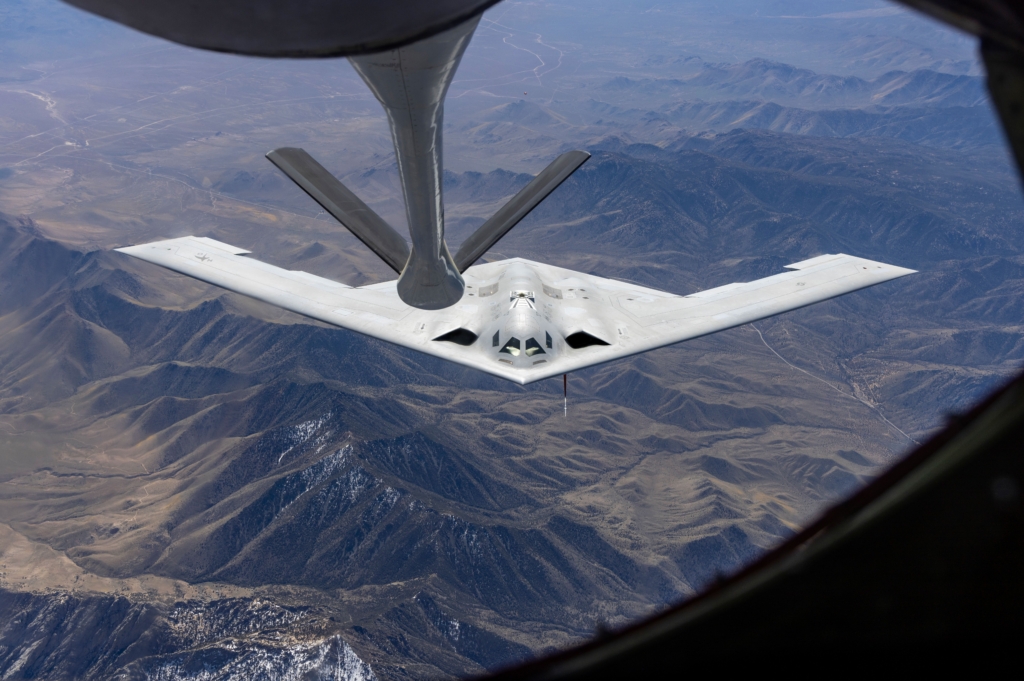
At the same time, the US appears more secretive in some of its aircraft types. No full renders of the F-47 have been disclosed, nor have any images of its demonstrator.
The RQ-170 has been officially photographed only in a handful of limited images, while most clearer views come from unofficial photography. The existence of the RQ-180 remains officially unconfirmed, despite strong evidence in budget documents.
The contrast is therefore less about absolute secrecy than what each country chooses to reveal: the US is relatively transparent about programme administration but highly secretive about some operational capabilities.
China often reveals aircraft through public flights and imagery yet discloses little about their specifications, missions, production, or procurement.