Airbus predicts demand for 2,670 freighters as global air cargo fleet grows 46%

2 min read
Airbus expects demand for 2,670 freighter aircraft over the next two decades, as airlines and cargo operators replace ageing aircraft and respond to growing demand for air freight.
In its 2026 Cargo Global Market Forecast, published on 21 October, the manufacturer said the dedicated freighter fleet would grow by 46% from around 2,360 aircraft in 2026 to 3,460 aircraft by 2045.
Of the 2,670 aircraft required, Airbus forecasts that 1,700 will come from passenger-to-freighter conversions, while 970 will be newly built freighters.
Why airlines are converting passenger jets into cargo aircraft
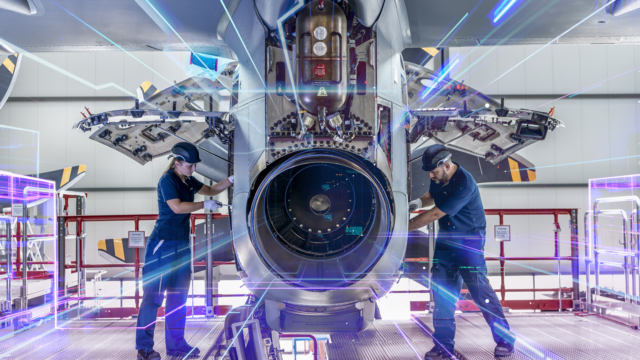
Rather than purchasing a new aircraft, operators can give an existing passenger jet a second life by transforming its cabin into a cargo compartment.
This involves modifications including reinforced floors, cargo loading doors and systems designed to carry freight.
Airbus offers passenger-to-freighter conversion options across its A320, A321 and A330 families, providing operators with aircraft for different cargo needs.
The company’s previous forecast estimated 1,670 conversions over a 20-year period to 2044, compared with 935 newly manufactured freighters.
Airbus A350F targets long-haul cargo flights
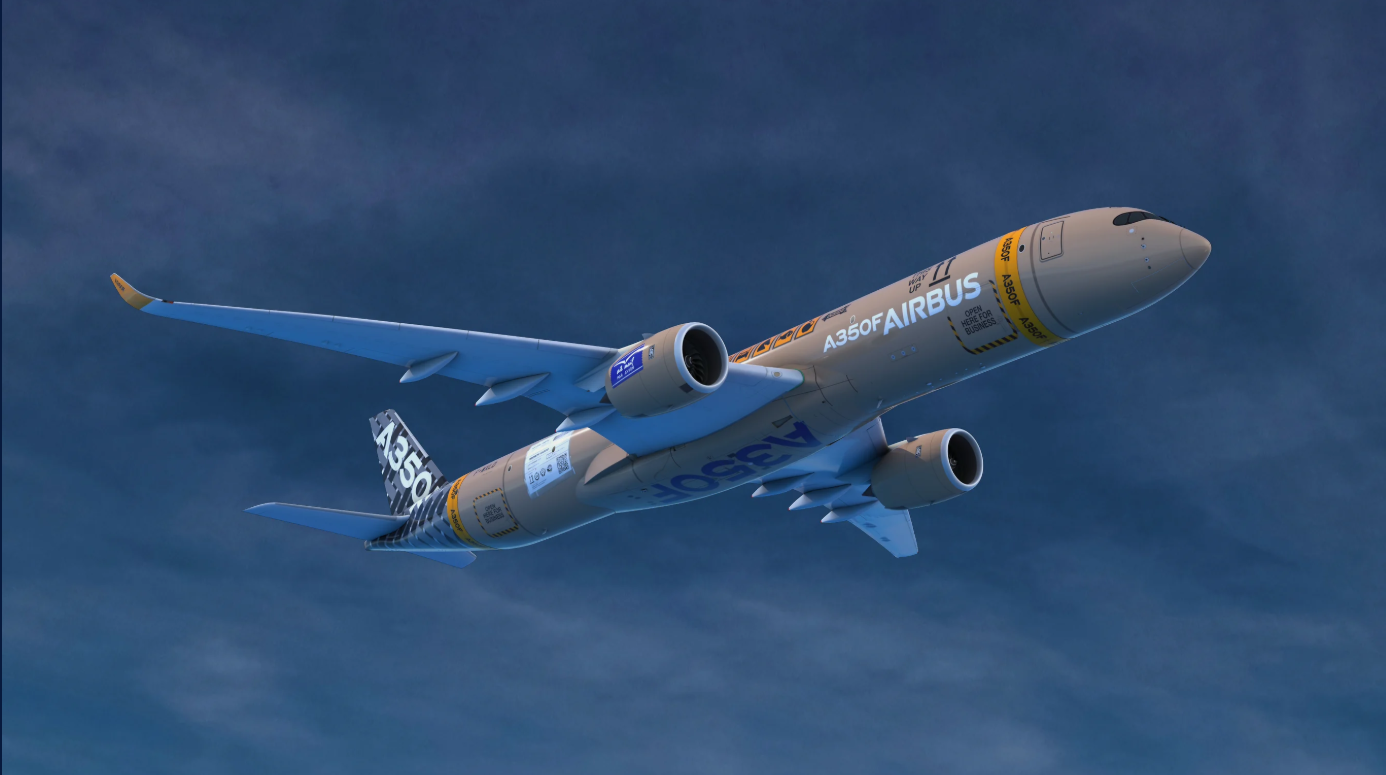
Alongside converted aircraft, Airbus is developing the A350F for the long-haul cargo sector.
The company said it had secured 34 orders for the aircraft this year and that certification activity with the European Union Aviation Safety Agency (EASA) was progressing.
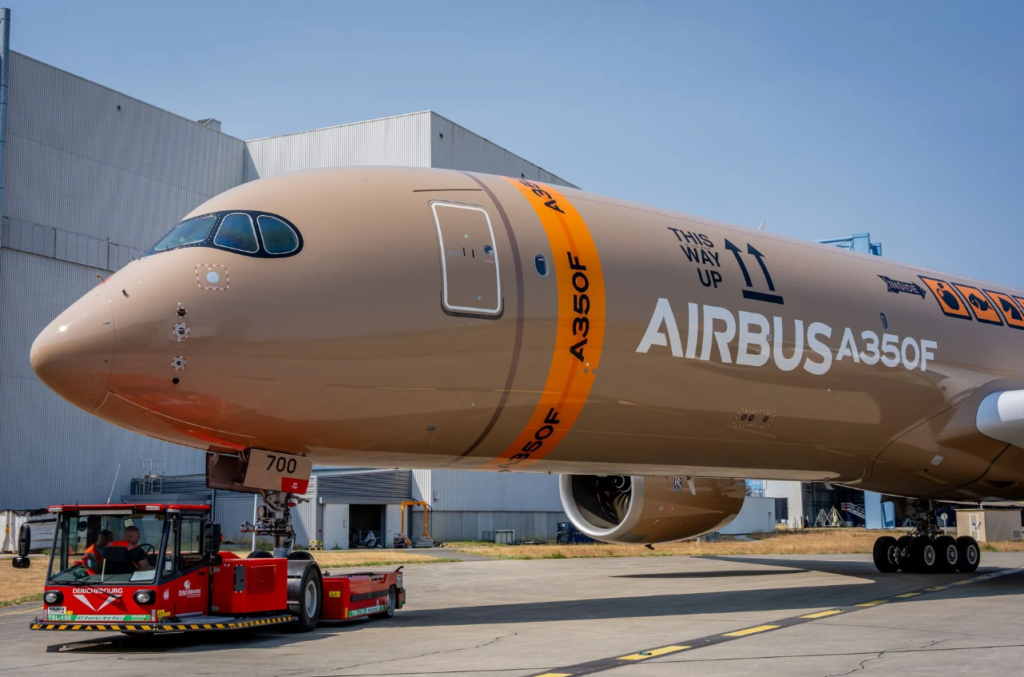
The A350F completed its maiden flight on 29 September, marking a key milestone for the programme. Airbus is aiming to strengthen its position in the large widebody freighter segment, a market long dominated by Boeing.
Designed to carry up to 111 tonnes of freight, the A350F has a range of 8,700km and features an electrically operated main-deck cargo door. At 4.3m wide, Airbus says it is the industry’s largest main-deck cargo door.
The aircraft is designed to accommodate standard containers and pallets, as well as oversized cargo including large aircraft engines.
According to Airbus, the A350F will deliver lower fuel burn and CO₂ emissions than previous-generation freighters.
Where will the new freighters go?
North America and Asia-Pacific are expected to account for almost two-thirds of global demand, requiring 925 and 850 aircraft respectively.
Europe and the Commonwealth of Independent States (CIS) are forecast to require 515 aircraft, followed by Latin America (165), the Middle East (125) and Africa (90).
Airbus expects Asia-Pacific to remain the world’s largest international air freight market, with traffic between Asia-Pacific and North America forecast to be the fastest-growing major corridor, expanding by 3.8% annually.
What’s driving growth in air cargo demand?
The rise of online shopping, expanding global trade and demand for faster deliveries are expected to support growth in air cargo traffic over the next two decades. Freight aircraft play an important role in moving time-sensitive and high-value goods, from consumer electronics and pharmaceuticals to industrial equipment and aircraft parts.
Airbus believes this growth, combined with the retirement of older aircraft, will create demand for thousands of additional freighters.