Lockheed Martin and Department of War unveil framework for 850 F-35 fighter jets

2 min read
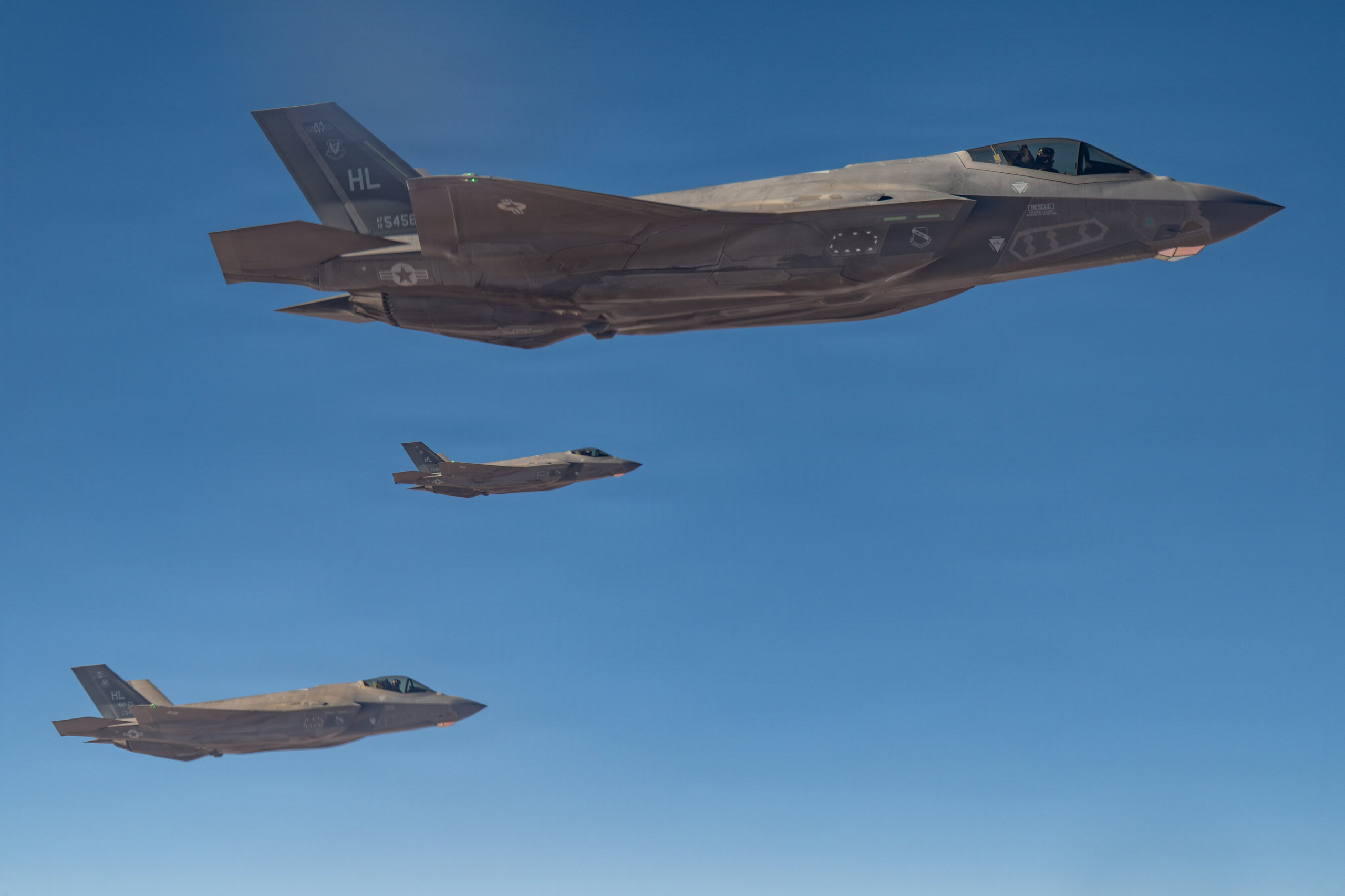
Lockheed Martin has unveiled a long-term framework agreement with the Department of War that lays the groundwork for the procurement and support of at least 850 F-35 Lightning II aircraft over the next 10 years.
The proposed arrangement spans production Lots 21-30 and includes not only aircraft procurement but also initial spares, modification kits, and a decade of sustainment support.
International customer orders are also expected to be folded into the framework. Production will continue at the programme’s current rate of 156 aircraft per year.
The agreement is not yet a formal aircraft order. Final contract pricing, schedules and quantities will depend on Congress granting multi-year procurement authority and the associated funding approvals in the coming months.
Why the F-35 programme is changing
For years, the F-35 programme has operated under annual contracting cycles, creating uncertainty for suppliers and limiting opportunities for long-term investment. The new framework is designed to change that.
“This multiyear framework strengthens the way we can plan and invest in the F-35 enterprise,” said Lockheed Martin Chairman, President and CEO Jim Taiclet.
“With the greater certainty that comes from the US government’s transformative approach to F-35 production and sustainment, we can make the upfront investments needed to expand capacity, improve efficiency, and build a more resilient supply chain.”
The company argues that securing demand years in advance will enable suppliers to purchase raw materials and components in larger volumes, reducing lead times and easing pressure on the defence industrial base.
Lower costs and higher readiness
Improving fleet readiness is a central objective of the framework.
“Our new multiyear framework gives suppliers stability to plan for the future and invest with confidence, improving readiness across the F-35 fleet,” said OJ Sanchez, president of Lockheed Martin Aeronautics.
“This, in addition to the investments Lockheed Martin is making to the global spares pool, will directly translate into higher mission capable rates and a more resilient supply chain.”
Boost for the US economy
The company estimates the framework will support approximately 317,000 US jobs and generate around $79 billion in annual economic activity over the next decade.
Lockheed has also committed to self-funding at least $7 billion in initiatives that support the F-35 programme.
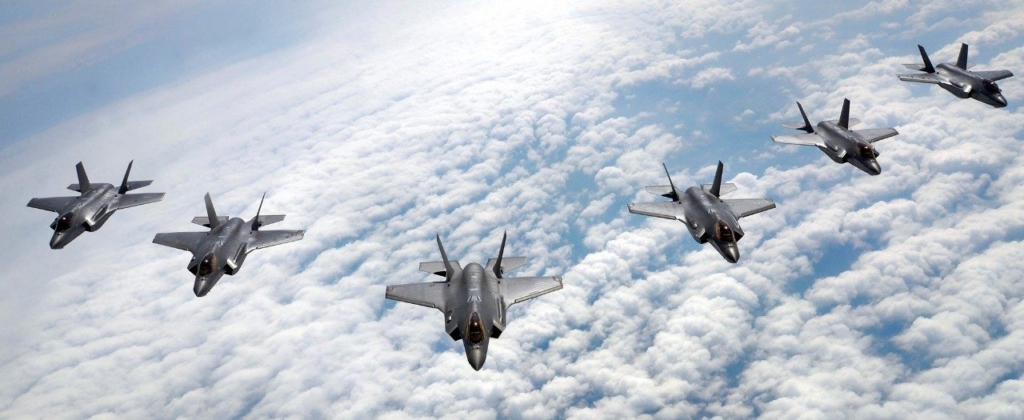
More than 1,375 F-35s are currently in service worldwide, with the fleet surpassing one million flight hours. The aircraft now operates from 42 bases globally, including in 13 nations flying the type from home territory.
As the world’s largest fighter programme looks to its next decade, the proposed framework is intended to provide something the F-35 enterprise has long sought: stability, scale and predictability for manufacturers, operators and suppliers alike.