Europe considers giving private companies powers to shoot down drones

3 min read
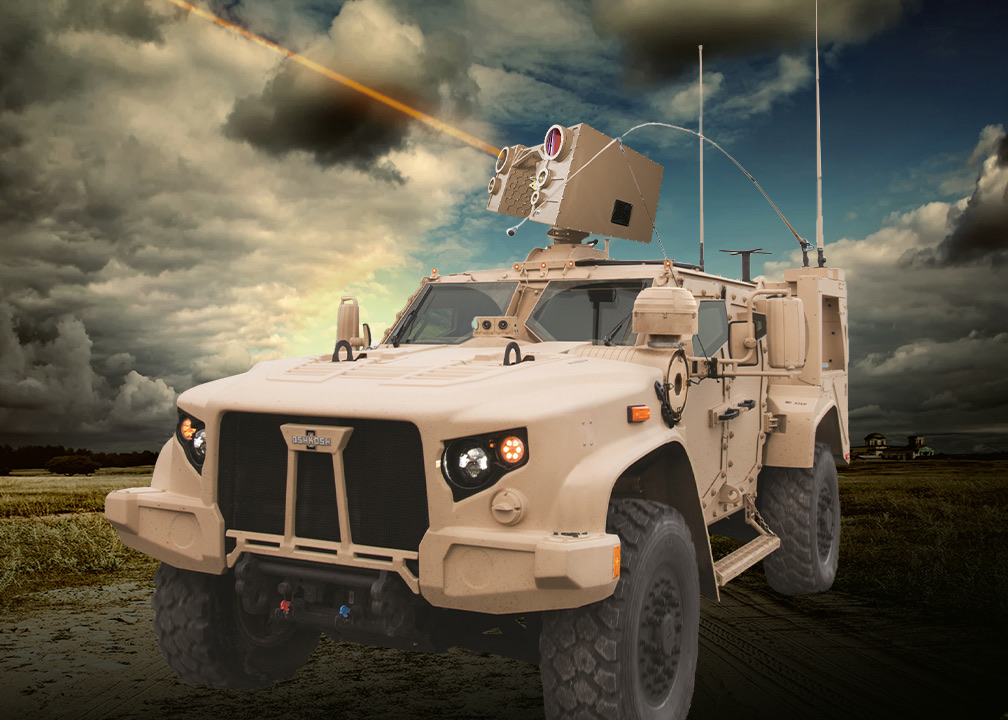
The rapid spread of drone technology is forcing governments to rethink who is responsible for protecting critical infrastructure.
According to a new Reuters report, several European countries are considering giving critical-infrastructure operators greater powers to counter drone threats, including measures traditionally reserved for state authorities.
As concerns grow over unauthorised drone activity near power plants, airports and other sensitive sites, governments are grappling with how to protect an expanding number of potential targets while ensuring any new powers are subject to clear legal safeguards and oversight.
Why European states are considering allowing companies to shoot down drones
In late 2024 and 2025, a series of drone incursions over military sites in Europe and the United States highlighted legal and operational constraints on responding to civilian drones during peacetime.
Since then, a range of measures have been introduced, including in the UK, where the military has been granted greater authority to respond to suspected drone threats.
Now, some governments are considering whether operators of critical infrastructure and their contractors should be allowed to play a more active role in defending key sites against potential drone attacks.
European governments are increasingly concerned about the risk of hybrid attacks targeting critical infrastructure, including those linked to Russia.
Kristian Ruby, secretary general of European energy body Eurelectric, said, “It is a theoretical, and increasingly a practical, possibility that there could be heating outages this winter due to hybrid attacks.”
Legality questions need to be solved first
Various legal issues need to be worked out across Europe, as the rapid emergence of drone threats and the ensuing countermeasures are moving faster than relevant laws and regulations.
European countries are having to solve issues like who has the right to respond to a drone threat and what liability there may be for injury and property damage from downed drones. These legal issues are important for many companies before they start shooting down drones.
Some start-ups, like Impact Drones, are building their business model around these trends and are developing counter-UAS solutions for critical infrastructure operators (e.g., data centres).
Russia has been forced down this road even faster. In March 2026, Putin signed legislation allowing private security organisations to protect critical energy infrastructure using firearms. In May, Moscow allowed them to acquire anti-aircraft artillery, gun turrets, radar, and EW equipment.
With the Wagner revolt of 2023 still fresh in the memory, Moscow has reason to be wary of creating de facto private armies or militias. At the same time, Russia’s military does not have the capacity to permanently protect every critical site, including power stations, airports, refineries and other industrial facilities.
The result is an increasingly distributed approach in which critical-infrastructure operators can provide some of the personnel, equipment and funding needed to protect their own facilities, while the state retains control over the wider air-defence architecture.
France and Poland moving ahead with arming private companies
In August, France passed a law allowing operators of critical infrastructure and contractors to detect, jam, and shoot down drones near designated facilities.
France was spurred by a wave of drone incursions, including over its Île Longue nuclear submarine base late last year. Now France wants an updated list of sensitive sites vital to national security to be equipped with counter-drone systems by 2027. Details have not yet been made public.
For Germany, the discovery of the explosives-laden drone near a Ukrainian An-124 at Leipzig/Halle Airport this August was another wake-up call.
In Germany, counter-UAS remains a policing function, although it is now reviewing how critical infrastructure operators and third parties could get involved in countering drones.
Reuters notes that Poland, sitting much closer to the frontline, has gone further than many European states. Operators of critical infrastructure said they have deployed countermeasures and are training with the Polish military and police.
Counter-drone measures are becoming increasingly automated, as it isn’t feasible to permanently establish manned fire teams to protect all critical infrastructure points.