FAA orders inspections of nearly 2,000 Boeing 737 jets over potential loss-of-control risk

4 min read
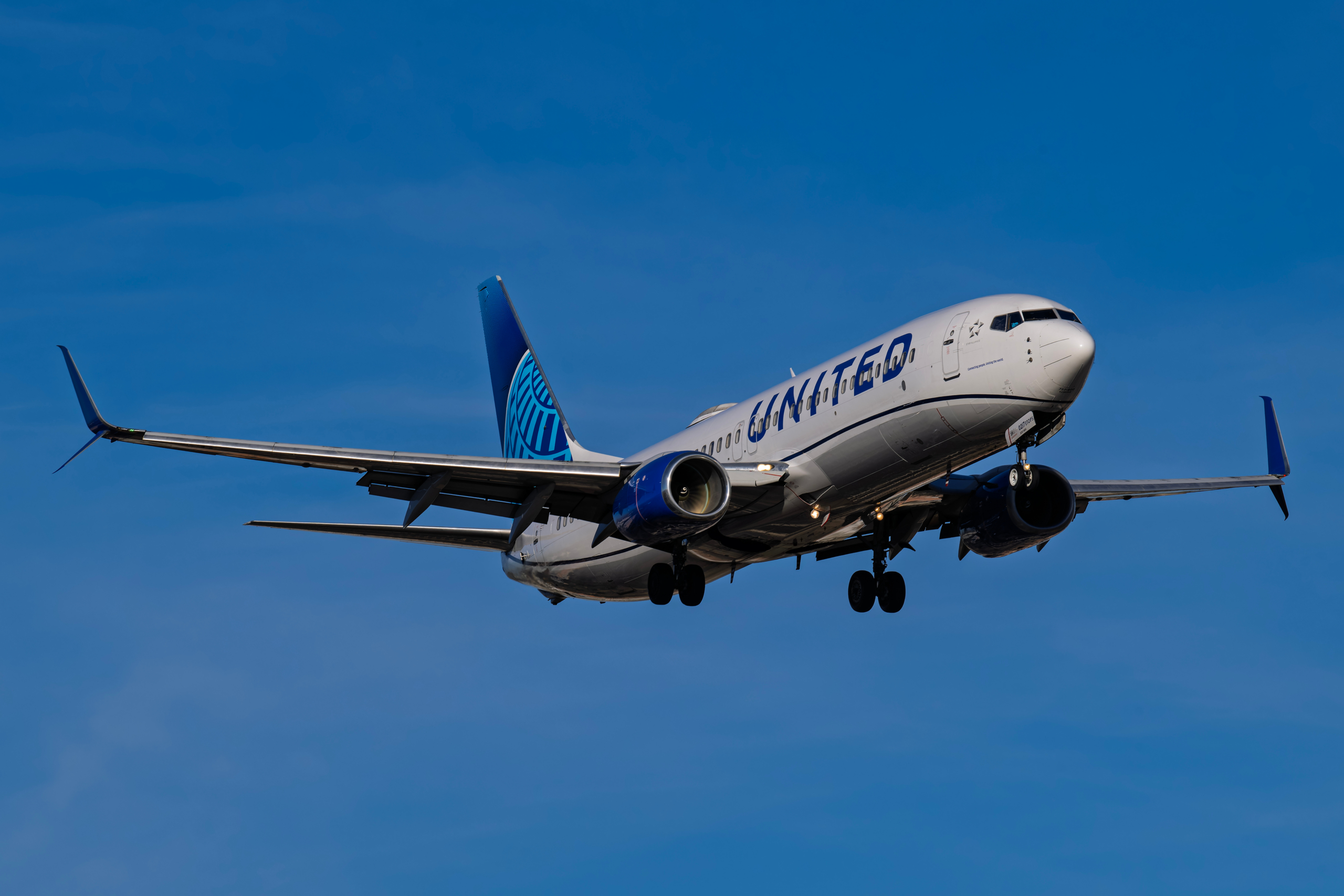
The US Federal Aviation Administration (FAA) has ordered mandatory inspections of nearly 2,000 Boeing 737 Next Generation (NG) aircraft after reports of pitch oscillations raised concerns about excessive movement in components controlling the aircraft’s horizontal stabiliser.
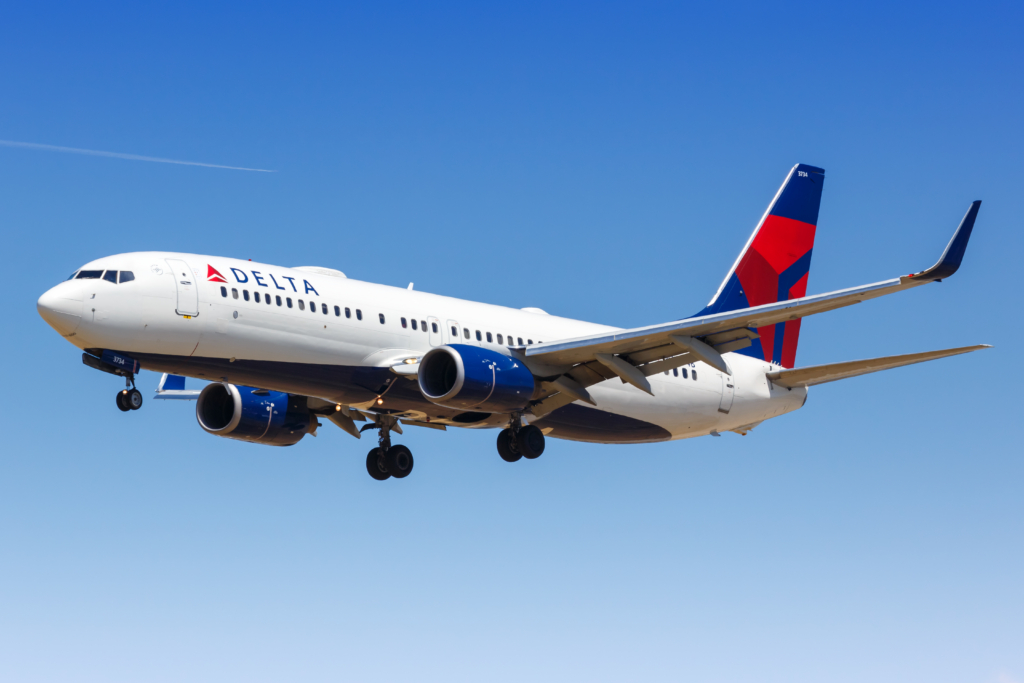
The new airworthiness directive, published in the Federal Register on 19 October, applies to certain Boeing 737-600, 737-700, 737-700C, 737-800, 737-900 and 737-900ER aircraft. The FAA estimates that 1,987 US-registered aircraft are affected.
The directive, designated AD 2026-20-14, will take effect on 23 November 2026 and requires operators to measure movement in the horizontal stabiliser pivot hinges and jackscrew, followed by inspections, repairs or replacement of components where necessary.
According to the FAA, excessive freeplay left unaddressed could lead to an aerodynamic flutter event, potentially resulting in loss of control of the aircraft.
What has prompted the FAA’s action?
The directive follows reports from multiple operators of pitch oscillation events associated with excessive horizontal stabiliser freeplay.
The horizontal stabiliser is mounted at the rear of the aircraft and helps control its pitch, or nose-up and nose-down movement. Its position is adjusted through a mechanical system that includes pivot hinges and a jackscrew.
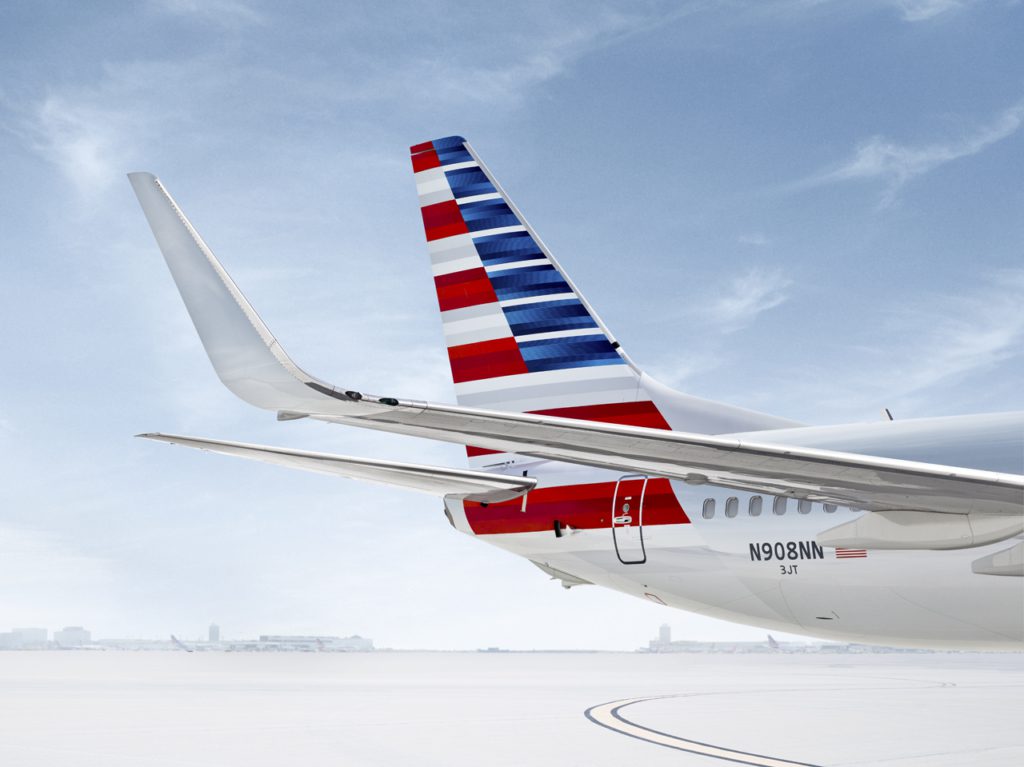
Freeplay refers to unwanted movement or looseness within a mechanical connection. Although some movement is expected in mechanical systems, excessive freeplay can affect how components respond to aerodynamic forces.
If the movement exceeds prescribed limits, the aircraft may become more susceptible to flutter – a potentially dangerous phenomenon in which aerodynamic forces and structural movement reinforce one another, causing increasingly severe oscillations.
The FAA has therefore determined that mandatory checks are necessary to ensure the affected components remain within acceptable limits.
Which Boeing 737 aircraft are affected?
The order covers specified aircraft from the Boeing 737 Next Generation family, rather than the newer 737 MAX series.
The affected models are the 737-600, 737-700, 737-700C, 737-800, 737-900 and 737-900ER. The directive applies to aircraft identified by the FAA’s referenced Boeing service information.
The FAA’s estimate of 1,987 aircraft relates to the US-registered fleet. It should not be interpreted as the total number of affected aircraft worldwide, said the FAA.
The directive follows an earlier proposal published in January. After reviewing feedback from airlines, Boeing and other stakeholders, the regulator finalised the requirements without relaxing the principal inspection deadlines.
What inspections must airlines carry out?
According to the directive, operators must measure freeplay in the left and right horizontal stabiliser pivot hinges and the jackscrew in accordance with Boeing Alert Requirements Bulletin 737-55A1104 RB, dated 12 June 2025.
Depending on the measurements and the aircraft’s condition, operators may need to carry out additional checks, repeat measurements at specified intervals, or repair or replace components that do not meet the required limits.

The FAA has rejected requests from some operators to extend certain inspection intervals, concluding that the prescribed schedule is necessary to maintain an acceptable level of safety.
However, the directive allows operators to seek approval for extensions if they can provide sufficient supporting data to demonstrate that the proposed alternative would maintain an acceptable level of safety.
The requirements also account for aircraft with replacement parts, meaning that installing new components does not automatically remove the need for subsequent inspections.
How much will the inspections cost?
The FAA estimates that the initial freeplay measurement will require approximately six labour hours per aircraft. Using an estimated labour rate of $85 per hour, the inspection is expected to cost around $510 per aircraft.
Across the estimated 1,987 affected US-registered aircraft, the initial inspection cost would total approximately $1.01 million.
These figures do not include the cost of repairs or replacement components where excessive freeplay is discovered. The final financial impact will therefore depend on the inspection findings and the work required by individual aircraft.
Will the order ground Boeing 737 aircraft?
No.
The directive does not impose a blanket grounding of the affected fleet. Instead, it establishes mandatory inspection and corrective-action requirements designed to identify excessive stabiliser movement before it develops into a more serious safety issue.
Airlines will need to incorporate the work into their maintenance programmes and comply with the specified deadlines.
Aircraft requiring repairs or replacement parts may need additional maintenance before they can continue operating, depending on the findings and applicable requirements.
The FAA’s decision highlights the importance of monitoring mechanical wear in flight-control systems, particularly where multiple operators have reported similar symptoms.
With the directive becoming effective on 23 November, affected operators will need to ensure their inspection plans meet the regulator’s requirements.
The order does not mean that all affected aircraft are unsafe to fly. Rather, it makes the checks legally mandatory to address a potential hazard and reduce the risk of a loss-of-control event.