


Former airline captains tell MPs of career-ending aircraft cabin fume exposure

3 min read
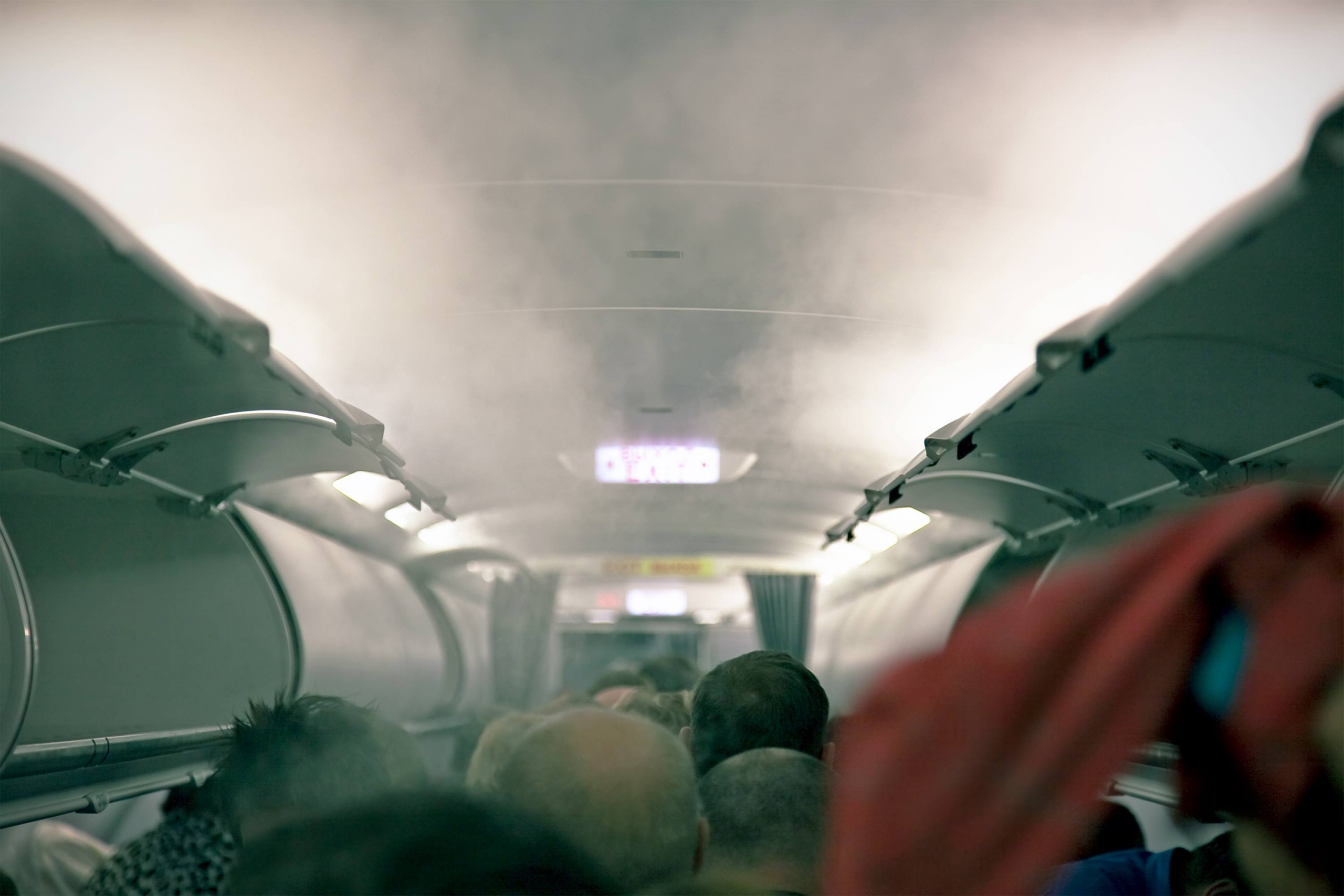
Two former airline captains have told a parliamentary inquiry that suspected contaminated-air events contributed to serious health problems and the loss of their flying careers.
The evidence was given to the All-Party Parliamentary Group (APPG) on Aircraft Cabin Air Quality the week before the Aircraft Cabin Air Conference opened in London today, 22 September.
APPG chair Tom Gordon, the Liberal Democrat MP for Harrogate and Knaresborough, also revealed that the aviation minister has agreed to meet parliamentarians investigating the issue.
“We’ve got that commitment in Parliament on the record, and we will be chasing him up to make sure that we push that forward,” Gordon said.
The APPG plans to present early findings from its inquiry at the two-day conference before returning to wider technical, regulatory and industry questions.
Captain recalls collapse after fume events
Former Airbus A320 captain Martin Murphy told MPs that low-level oily or “wet sock” odours appeared to be more common during his career than official reporting suggested.
Murphy described three more serious incidents, including one in Naples where he became hot, sweaty and shaky shortly after the aircraft’s second engine was started.
“I managed to get the APU back on before I shut the engines down, and then I collapsed,” he told the group.
He was taken to hospital, although subsequent examinations did not identify a cause. In another event in Amsterdam, Murphy said the cabin filled with a grey haze after the air conditioning was activated. The aircraft was subsequently grounded overnight.
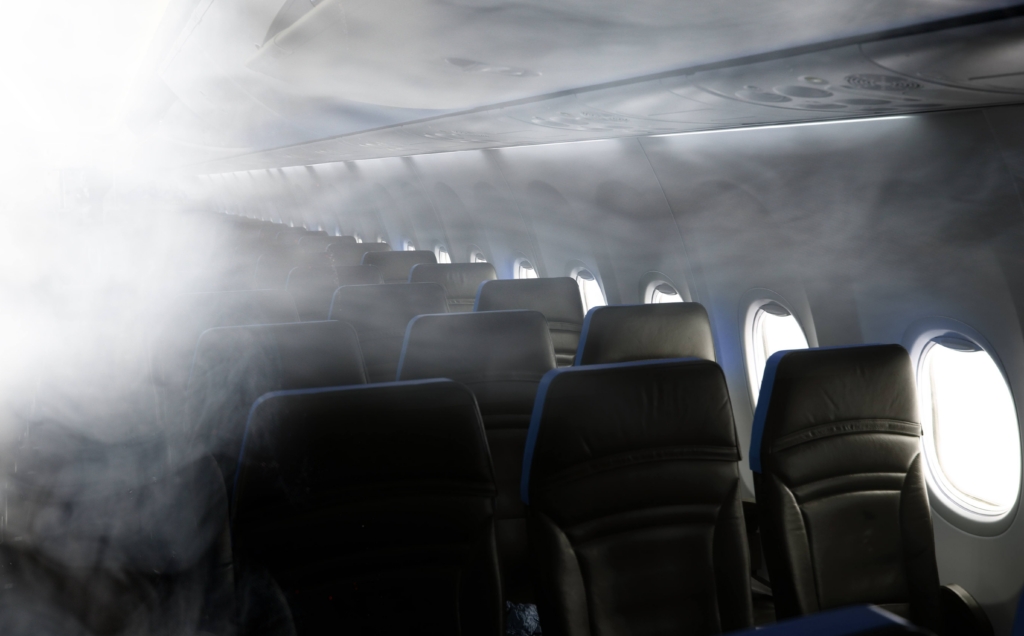
A third incident occurred after landing at Faro. Murphy said members of the crew and an engineer developed trembling hands, dizziness and headaches when the aircraft’s air-conditioning system was operated during a maintenance procedure.
He later began experiencing problems with balance and the sensation that the aircraft was moving when cockpit instruments showed it was not. His medical certificate was suspended and he was eventually diagnosed with vestibular migraine. Medication prescribed for the condition meant he could no longer hold a Class 1 medical certificate.
Murphy stressed that he could not establish whether the diagnosis or his symptoms were caused by cabin-air exposure. However, he criticised what he described as an absence of training and medical guidance.
“I have never, when coming into the role, had any form of briefing or training or information about fume events, how to handle them [or] how to manage them from an immediate safety perspective,” he said.
Pilots question fume event reporting and medical support
Former Boeing training captain John Kendall also described repeated oily odours during his career, particularly while operating Boeing 757s.
Kendall told the APPG that he suffered memory problems following one significant event and experienced severe headaches and vomiting after others. He also questioned whether every report filed internally by pilots had been passed to the UK Civil Aviation Authority.

Both witnesses suggested that pilots may be reluctant to report symptoms that could threaten their medical certification and careers.
Murphy called for airlines to acknowledge the potential problem and consider several possible mitigations, including filtration, alternative oils and improved engine seals.
The allegations made during the session were directed towards the airline industry generally rather than a named carrier. The APPG had intended to hear from industry representatives but postponed that evidence until after this week’s conference, allowing companies and technical specialists to respond to the evidence gathered so far.
Cabin air conference opens in London
The Aircraft Cabin Air Conference takes place at Imperial College London on 22 and 23 September. Around 30 speakers from aviation, medicine, science, engineering, trade unions and industry are expected to examine cabin-air research and possible practical interventions.
Subjects include contamination detection and sensors, filtration, lower-hazard lubricants, maintenance practices, incident reporting and medical protocols. The programme also includes an update on the APPG inquiry.
Aerospace Global News is a media partner for the conference and will be reporting from London throughout the event.
Sign up for our newsletter and get our latest content in your inbox.


More from

September 21, 20263 min read


September 18, 20263 min read
